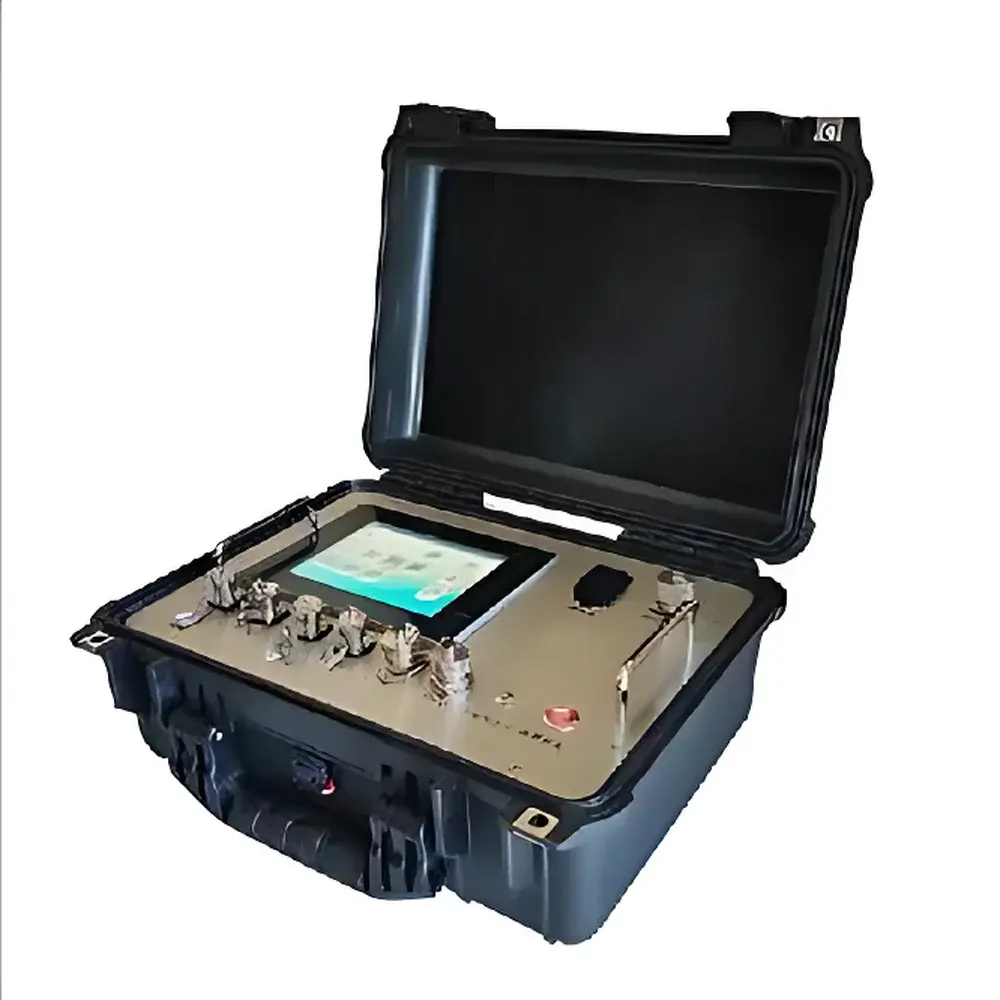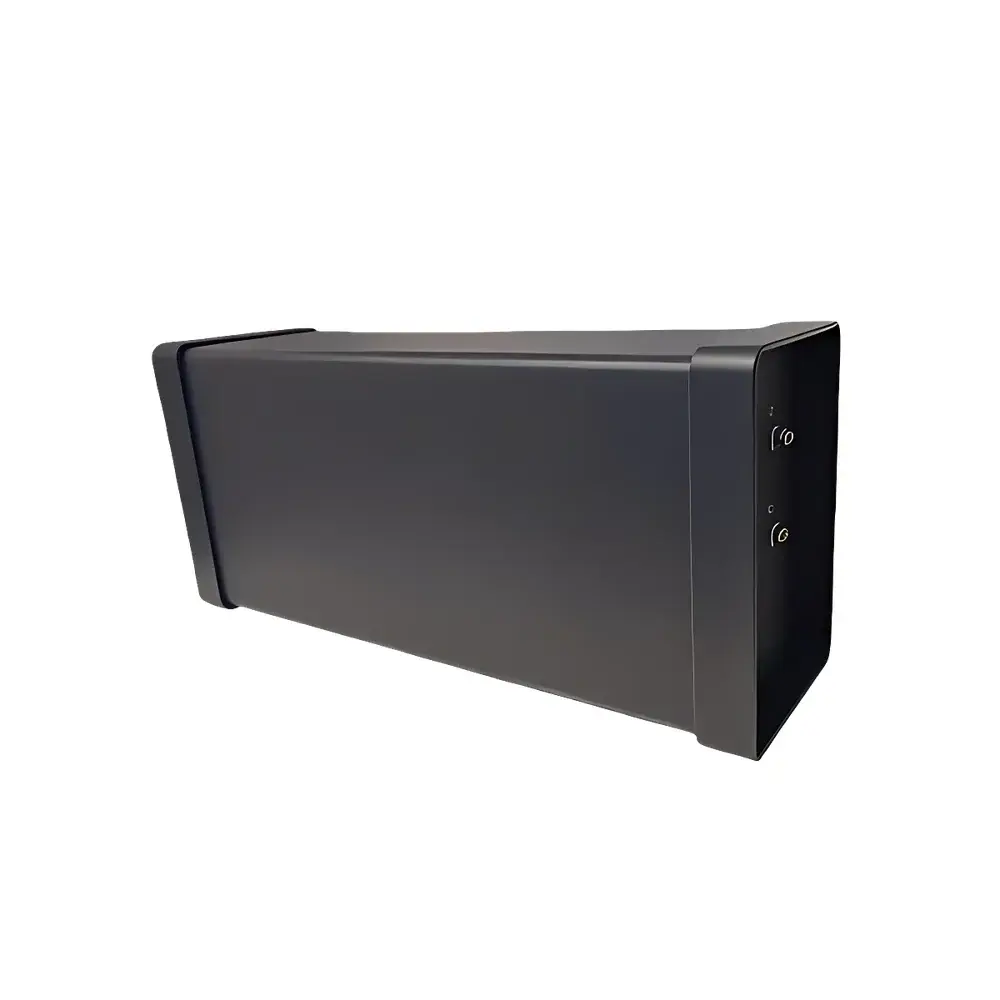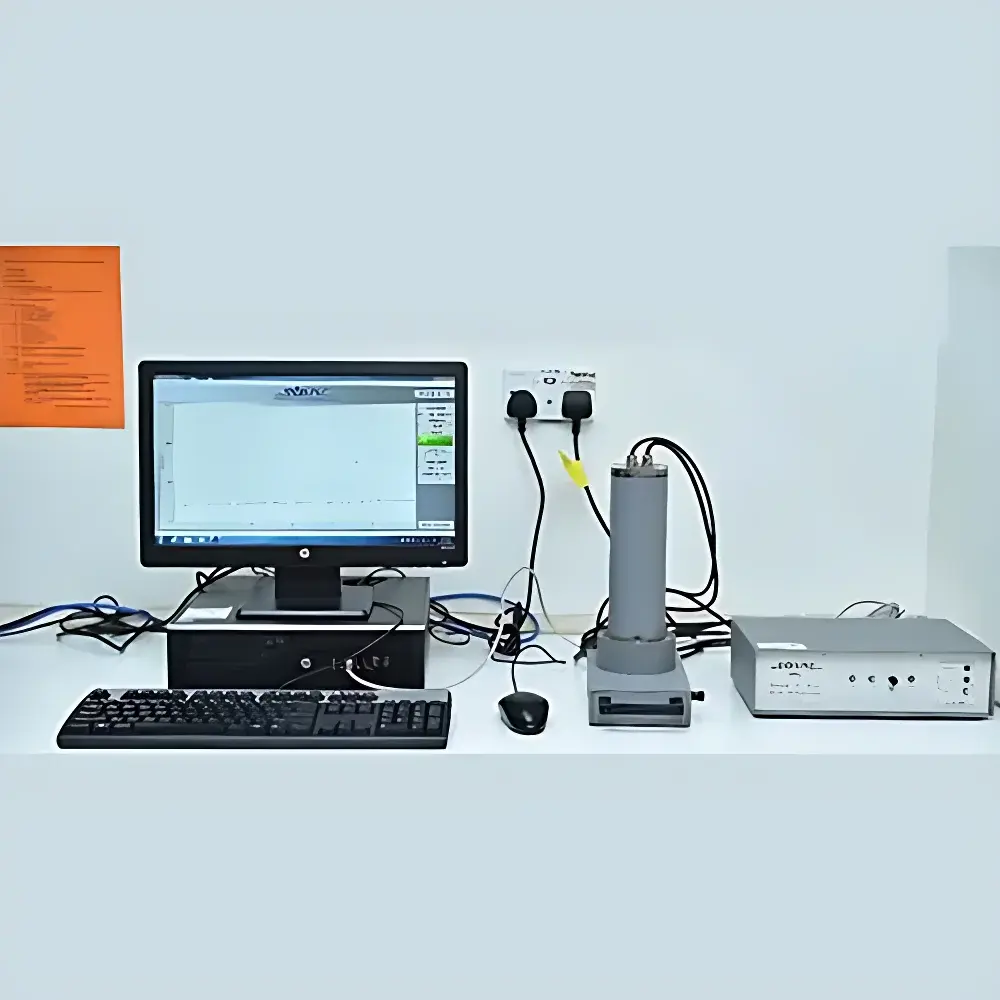
SURRC PPSL PhotoStimulated Luminescence Irradiation Residue Analyzer
| Origin | Beijing, China |
|---|---|
| Manufacturer Type | Authorized Distributor |
| Origin Category | Domestic (China) |
| Model | PPSL Irradiation Residue Detector |
| Pricing | Available Upon Request |
| Background Count (20°C) | Typical 50 cps, Max 150 cps |
| Pulse Width | 15 µs |
| Preload Count | 256 counts |
| Mid-Threshold | 700 counts |
| Positive Threshold | 5000 counts |
| Default Test Duration | 60 s |
| Power Supply | 100–240 V AC, 47–63 Hz |
| Operating Temperature | 5–40 °C |
| Operating Humidity | 10–80 % RH |
Overview
The SURRC PPSL PhotoStimulated Luminescence Irradiation Residue Analyzer is a compact, portable instrument engineered for rapid, non-destructive screening of ionizing radiation treatment in food and herbal products. It implements the internationally standardized PhotoStimulated Luminescence (PSL) principle—defined in EN 13751:2002—as a primary method for detecting residual luminescent signals from naturally occurring mineral contaminants (e.g., silicates, calcium phosphates) that accumulate metastable electron-hole traps upon exposure to gamma, X-ray, or electron beam irradiation. When stimulated by controlled pulsed light (typically blue or UV), these trapped charges recombine and emit photons detectable by a high-gain photomultiplier tube (PMT). Unlike thermoluminescence (TL), PSL requires no secondary irradiation or thermal stimulation, enabling direct, single-step analysis with minimal sample preparation. The system’s UK-patented photon counting architecture (UK Patent No. 2291707) ensures high signal-to-noise ratio and sub-second detection capability, making it suitable for both routine laboratory screening and field-deployable verification.
Key Features
- Portable benchtop design (< 15 kg), fully self-contained with integrated pulse excitation source, temperature-stabilized sample chamber, and low-noise PMT detection module
- No chemical reagents, solvents, or consumables required—eliminates analytical waste and reduces operational cost
- Non-contact measurement: avoids cross-contamination between samples; compatible with powders, granules, dried herbs, spices, dehydrated vegetables, shellfish fragments, and bone-in meat products
- Dual-threshold decision logic (Mid-Threshold: 700 counts; Positive Threshold: 5000 counts) aligned with EN 13751:2002 classification criteria for irradiated vs. non-irradiated status
- Two operational modes: standalone rapid screening (15 s per sample, LED-based pass/fail indication) and PC-connected advanced analysis (60 s full photon count acquisition, dark count calibration, chamber background monitoring, PMT gain validation)
- Validated performance: >95% single-test correct classification rate for irradiated herbs and spices under routine laboratory conditions
Sample Compatibility & Compliance
The PPSL Analyzer is validated for use across a broad spectrum of food matrices regulated under EU Directive 1999/2/EC and 1999/3/EC on irradiated foods. It complies with EN 13751:2002 as a primary screening method and supports confirmatory workflows aligned with ISO/IEC 17025-accredited laboratories. Sample types include but are not limited to: dried botanicals (e.g., ginseng, turmeric), ground spices (e.g., black pepper, paprika), dehydrated fruits and vegetables, crustacean shells (shrimp, crab), and calcified tissue fragments from poultry or pork. Solid samples ≤ 2 mm particle size require no pretreatment; larger particles are homogenized using standard mortar-and-pestle or cryo-mill protocols. The instrument meets IEC 61000-6-3 (EMC) and IEC 61010-1 (safety) requirements for laboratory electrical equipment. Its design facilitates GLP-compliant documentation when used with optional audit-trail-enabled software.
Software & Data Management
When connected to a Windows-based host PC via USB, the PPSL system operates under proprietary firmware-controlled acquisition software. The interface enables user-defined test parameters—including integration time (1–120 s), dynamic threshold adjustment, automated dark-count subtraction, and chamber blank normalization. All raw photon count data, timestamps, operator IDs, and environmental metadata (chamber temperature, humidity) are stored in timestamped CSV files compliant with FDA 21 CFR Part 11 basic electronic record requirements. Optional report generation includes EN 13751-conformant result classification (irradiated / non-irradiated / inconclusive), statistical summaries across batch runs, and calibration log export. Software updates and firmware patches are distributed through secure vendor portal access with version-controlled release notes.
Applications
This analyzer serves critical quality assurance functions in food safety laboratories, contract testing facilities, regulatory inspection units, and pharmaceutical-grade herbal manufacturing sites. Primary applications include: incoming raw material verification for irradiated spices and botanical extracts; post-processing validation of sterilization efficacy in nutraceutical production; border control screening of imported dried foods subject to EU irradiation import restrictions; and internal compliance auditing for companies adhering to BRCGS Food Safety Issue 9 or FSSC 22000 Clause 8.5.3 (control of irradiated materials). Its portability also supports on-site investigations during supplier audits or outbreak response scenarios where rapid triage of suspect batches is essential.
FAQ
What sample preparation is required for PSL analysis?
Powdered or finely ground samples (≤2 mm) are measured directly in standard Petri dishes. Coarser materials (e.g., whole cloves, dried ginger slices) must be mechanically reduced using a mortar, grinder, or cryogenic mill prior to analysis.
How does PSL differ from thermoluminescence (TL) testing?
PSL uses optical stimulation and requires no reheating step, eliminating risks of thermal degradation or signal quenching. TL necessitates controlled heating cycles and secondary irradiation for some sample types—increasing turnaround time and complexity.
Is the instrument suitable for ISO/IEC 17025 accreditation?
Yes—when operated with documented calibration procedures, environmental monitoring logs, and traceable reference standards (e.g., non-irradiated and gamma-irradiated control samples), the PPSL system fulfills technical requirements for inclusion in accredited test scopes.
Can the same sample be re-analyzed multiple times?
Signal intensity diminishes with repeated optical stimulation due to partial trap depletion. For quantitative trending, limit repeat measurements to ≤3 cycles per aliquot and document cumulative exposure history.
Does the system support remote diagnostics or firmware updates?
Firmware updates are delivered via encrypted vendor portal; remote diagnostic support is available upon customer request with signed service agreement and network authorization.