
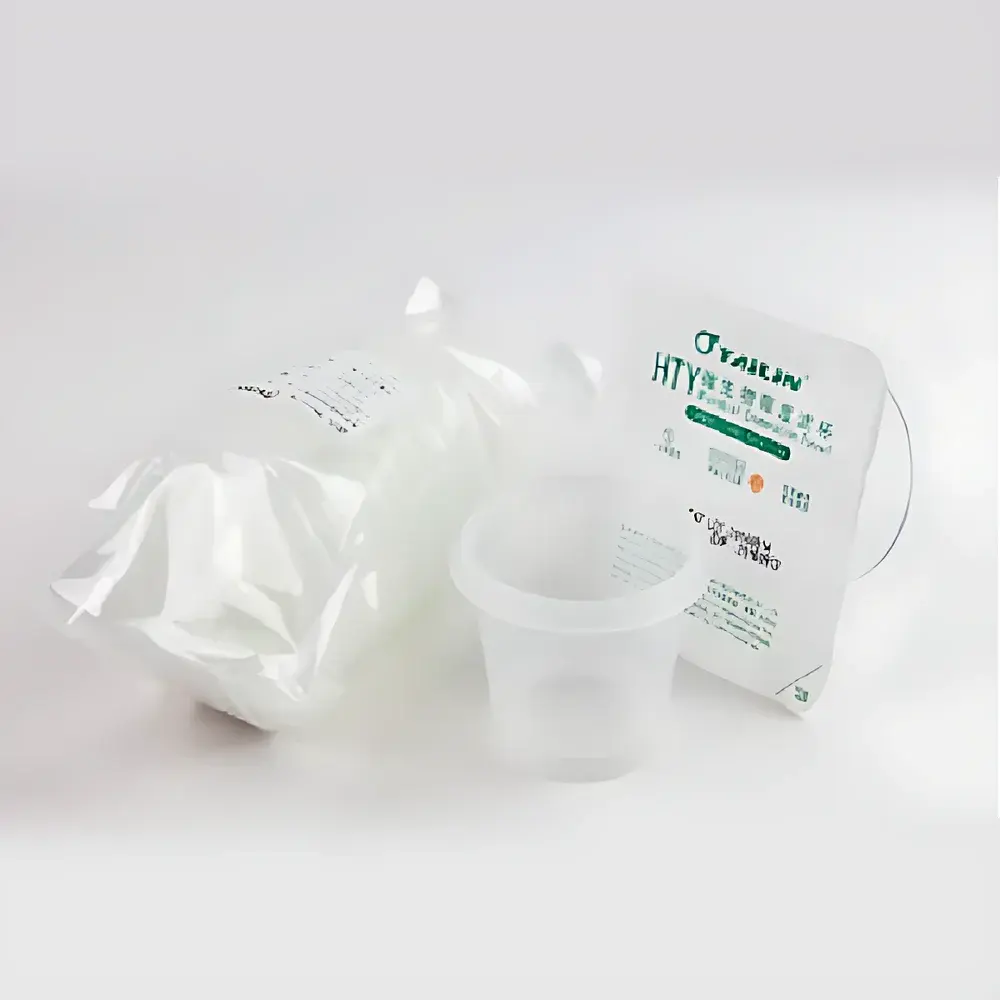
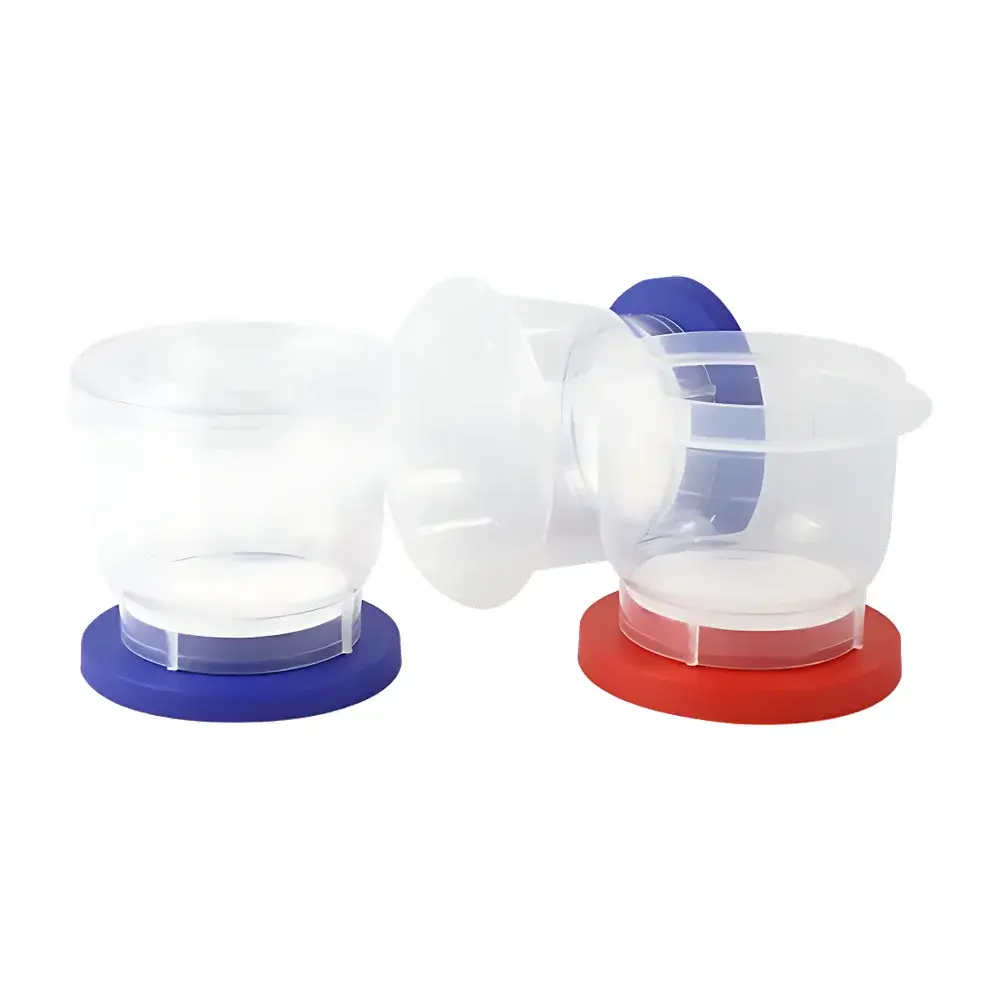
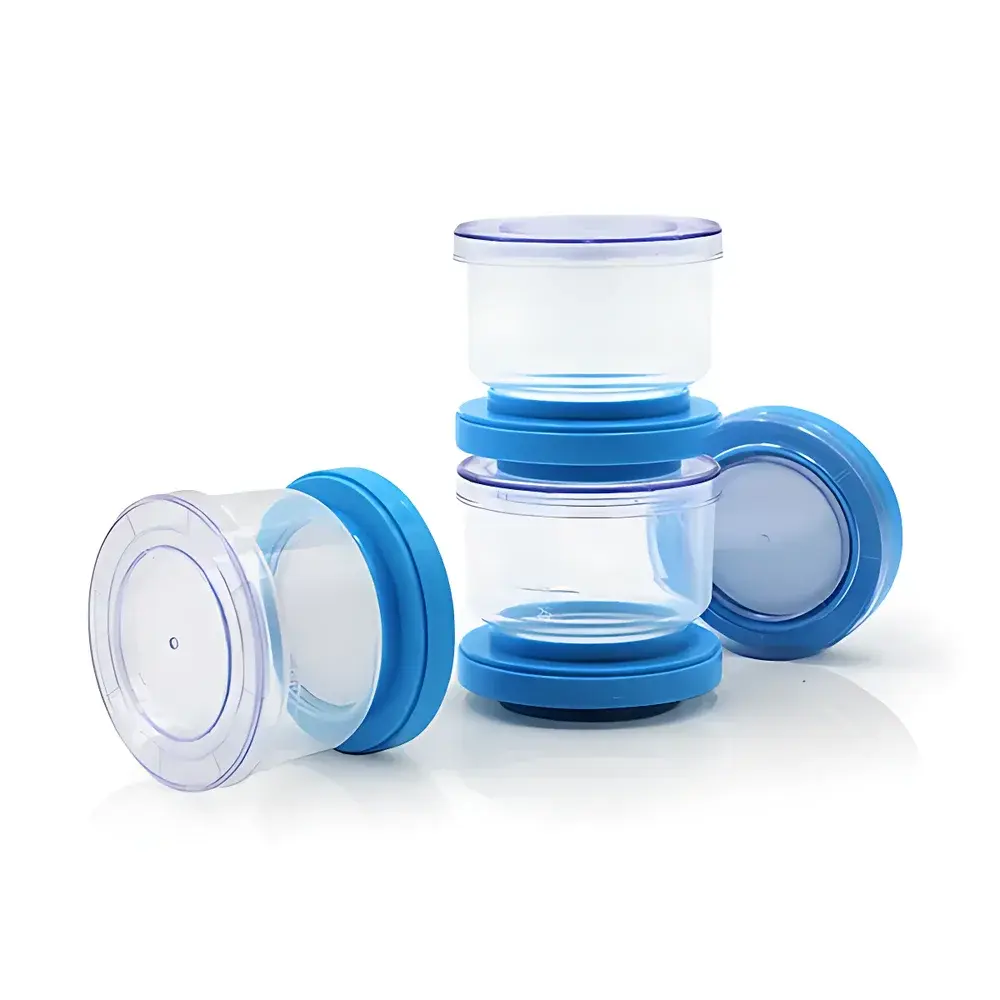
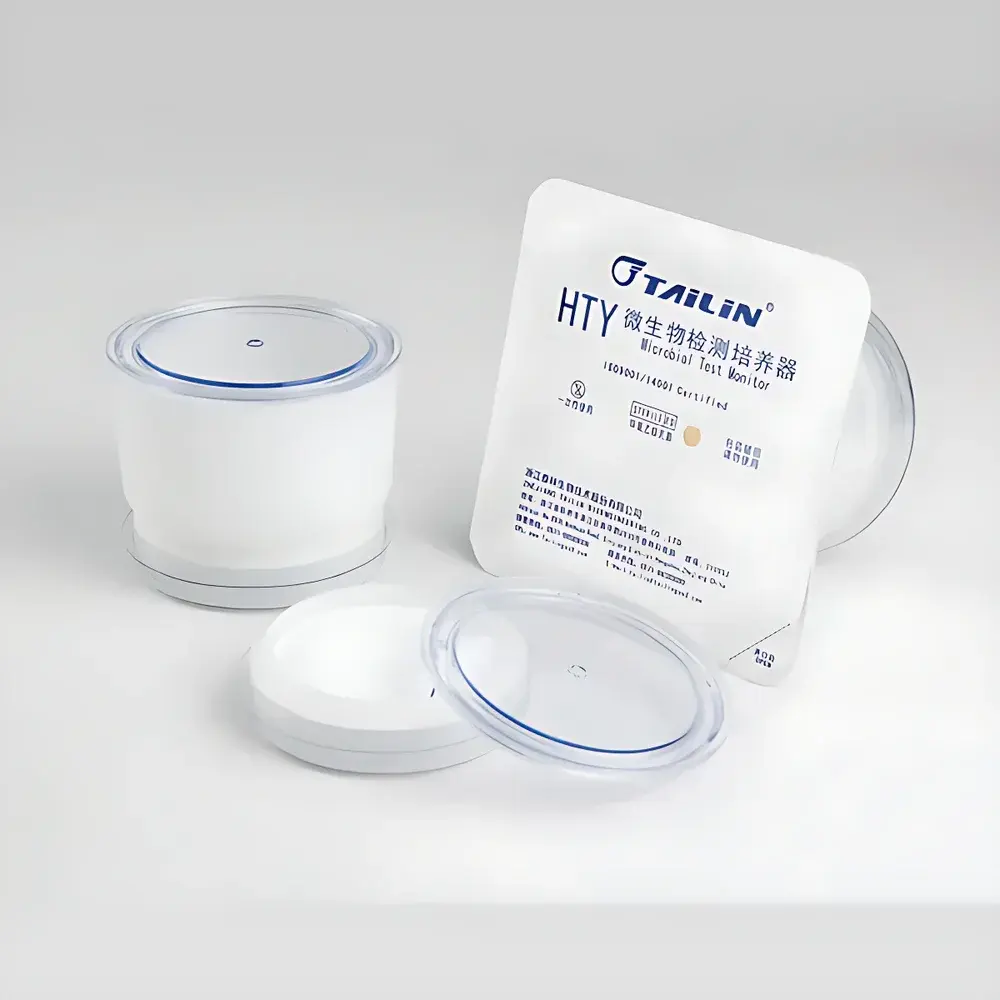
Tailin Biotech Microbial Detection Filtration Cup
| Brand | Tailin Biotech |
|---|---|
| Origin | Zhejiang, China |
| Manufacturer Type | OEM/ODM Producer |
| Product Category | Domestic (PRC) |
| Model | Microbial Detection Filtration Cup |
| Pricing | Available Upon Request |
| Filter Membrane Diameter | 47 mm / 60 mm |
| Cup Capacity | 100 mL / 250 mL |
| Graduation Marks | 50 mL, 75 mL, 100 mL |
| Design | Integrated Filtration Cup–Membrane Assembly |
| Application Principle | Membrane Filtration Method per USP <61>, EP 2.6.12, and ISO 8583 |
Overview
The Tailin Biotech Microbial Detection Filtration Cup is a sterile, single-use, integrally designed consumable engineered for quantitative microbial enumeration in pharmaceutical, biotechnology, and water quality control laboratories. It operates on the standardized membrane filtration principle—widely adopted in compendial methods including United States Pharmacopeia (USP) , European Pharmacopoeia (EP) 2.6.12, and ISO 8583. In this method, a defined volume of test solution (e.g., sterile drug product, purified water, or WFI) is vacuum- or pressure-driven through a low-protein-binding, hydrophilic microporous membrane. Microorganisms present in the sample are retained on the membrane surface, while the filtrate passes through. Following filtration, the membrane—now bearing viable microorganisms—is transferred (or directly embedded, in integrated cup configurations) onto or beneath solidified culture medium and incubated under controlled conditions to permit colony formation. The resulting colonies are enumerated visually or via automated colony counters, enabling calculation of microbial load per unit volume.
Key Features
- Integrated cup–membrane architecture eliminates manual membrane handling, minimizing risk of contamination and physical damage during transfer.
- Available in two standard configurations: 47 mm and 60 mm diameter membranes, supporting both routine QC screening and high-volume environmental monitoring workflows.
- Cup bodies offered in 100 mL and 250 mL capacities, with precision-molded volumetric graduations at 50 mL, 75 mL, and 100 mL—enabling accurate dosing and real-time volume monitoring during filtration.
- Optimized cup geometry ensures uniform flow distribution across the entire membrane surface, enhancing recovery efficiency for slow-growing or stressed microorganisms.
- Manufactured under ISO 13485-certified cleanroom conditions; gamma-irradiated and individually sealed to ensure sterility (SAL ≤ 10⁻⁶) and endotoxin-free status (<0.25 EU/mL).
- Compatible with major commercial microbial limit testers—including Tailin’s own series, as well as equivalent platforms from Sartorius, Merck Millipore, and Pall—via standardized Luer-lock or bayonet-style vacuum interfaces.
Sample Compatibility & Compliance
The filtration cup supports a broad range of aqueous and low-viscosity liquid matrices, including injectables, ophthalmic solutions, oral suspensions, purified water (PW), water for injection (WFI), and clean steam condensates. It is validated for use with common microbiological media such as Tryptic Soy Agar (TSA), Sabouraud Dextrose Agar (SDA), and R2A agar. All materials comply with USP Class VI biological reactivity requirements and are free of detectable leachables under ICH Q5C stress conditions. The system meets regulatory expectations for data integrity under FDA 21 CFR Part 11 when used within validated instrument workflows that include electronic audit trails, user access controls, and secure result archiving.
Software & Data Management
While the filtration cup itself is a passive consumable, its performance is intrinsically linked to the digital ecosystem of modern microbial limit testing platforms. When deployed with compliant instruments, filtration parameters (volume filtered, vacuum pressure, duration) and post-incubation colony counts can be automatically logged into LIMS or ELN systems. Traceability is maintained through serialized lot numbers printed on each pouch, enabling full batch-level追溯 (trace-back) for root cause analysis during OOS investigations. Documentation packages—including CoA, CoC, and bioburden validation reports—are provided per lot and align with GLP and GMP documentation standards.
Applications
- Pharmaceutical final product release testing per USP and .
- Environmental monitoring of Grade A/B cleanrooms using rinse water or settle plate eluates.
- Raw material and excipient bioburden assessment prior to sterilization process qualification.
- Water system validation and routine monitoring in compliance with USP and EU Annex 1.
- Method suitability studies for new formulations containing antimicrobial agents or preservatives.
- Contract laboratory support for regulatory submissions requiring documented, reproducible filtration-based enumeration.
FAQ
Are these filtration cups pre-sterilized and ready for immediate use?
Yes. Each cup is terminally sterilized by gamma irradiation (25–35 kGy), individually packaged in peel-open blister pouches, and supplied with a Certificate of Sterility and Certificate of Analysis.
Can the 47 mm and 60 mm versions be interchanged on the same instrument manifold?
Compatibility depends on the instrument’s filter holder design. Most Tailin and third-party platforms support both sizes via interchangeable adapter plates—verify against your device’s technical specification sheet.
Is the cup material compatible with alcohol-based disinfectants used in aseptic processing environments?
The polycarbonate cup body exhibits high resistance to 70% isopropyl alcohol and ethanol; however, prolonged exposure (>5 min contact time) is not recommended. Surface wipe-down with diluted disinfectant is acceptable for external decontamination prior to entry into Grade C/D areas.
Do you provide validation support documents for method transfer?
Yes. Tailin supplies IQ/OQ protocol templates, extractables/leachables summaries, and membrane retention efficiency data (B. diminuta challenge, ≥10⁷ CFU/mL) upon request for qualified customers.




