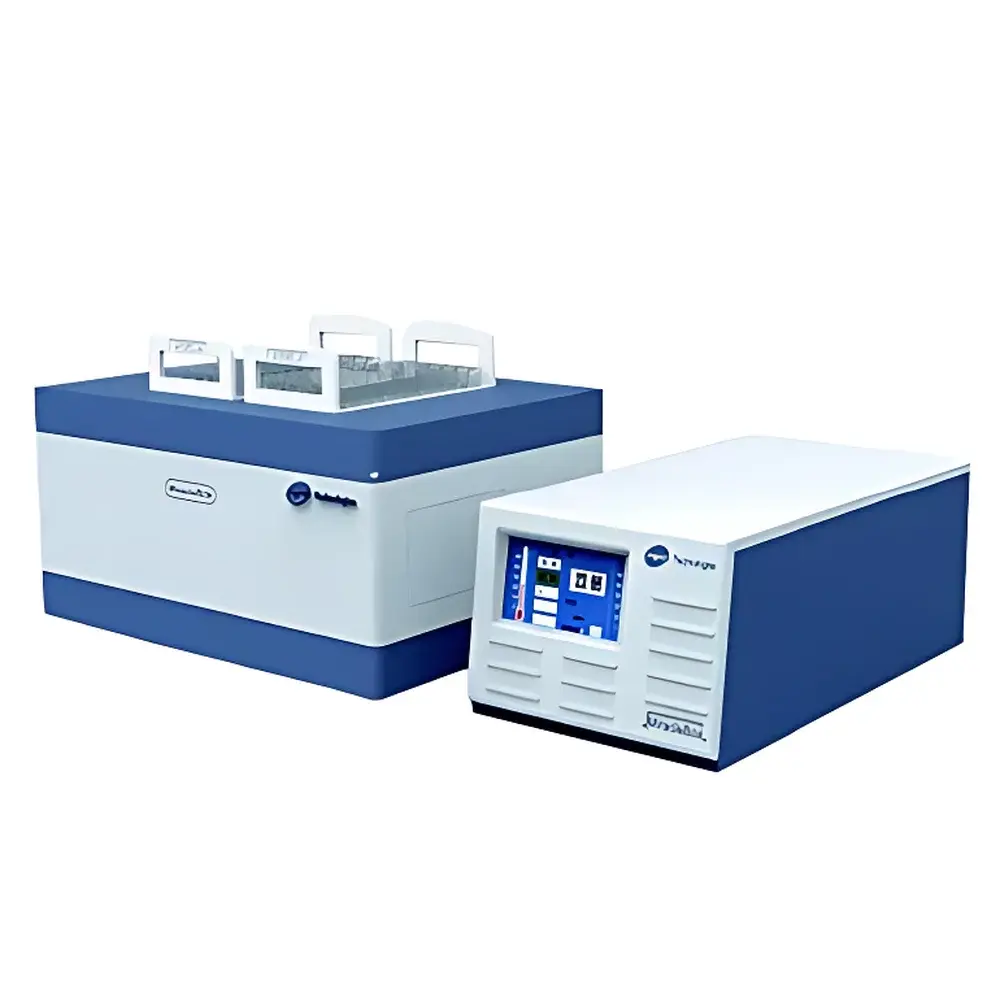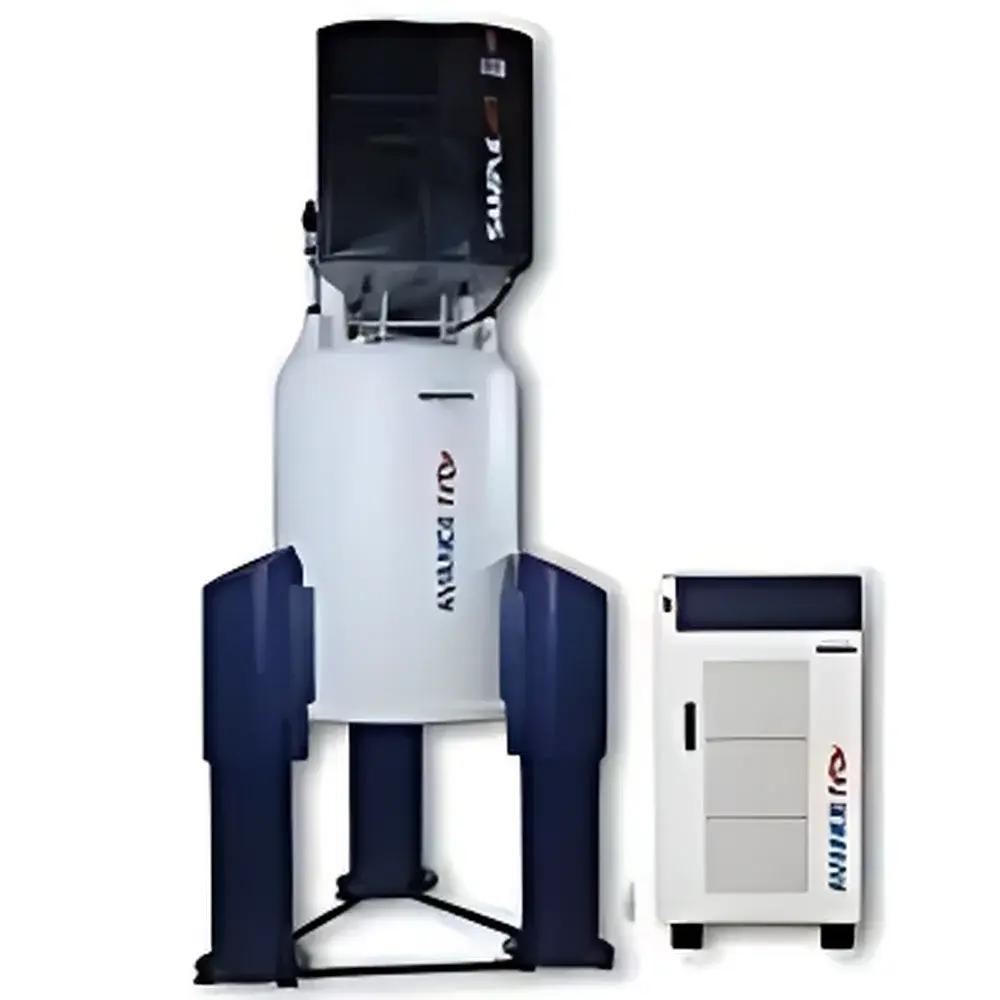
Tecan ADME High-Throughput Screening System on Freedom EVO Platform
| Brand | TECAN |
|---|---|
| Origin | Switzerland |
| Manufacturer Type | Authorized Distributor |
| Origin Category | Imported |
| Model | ADME |
| Pricing | Available Upon Request |
Overview
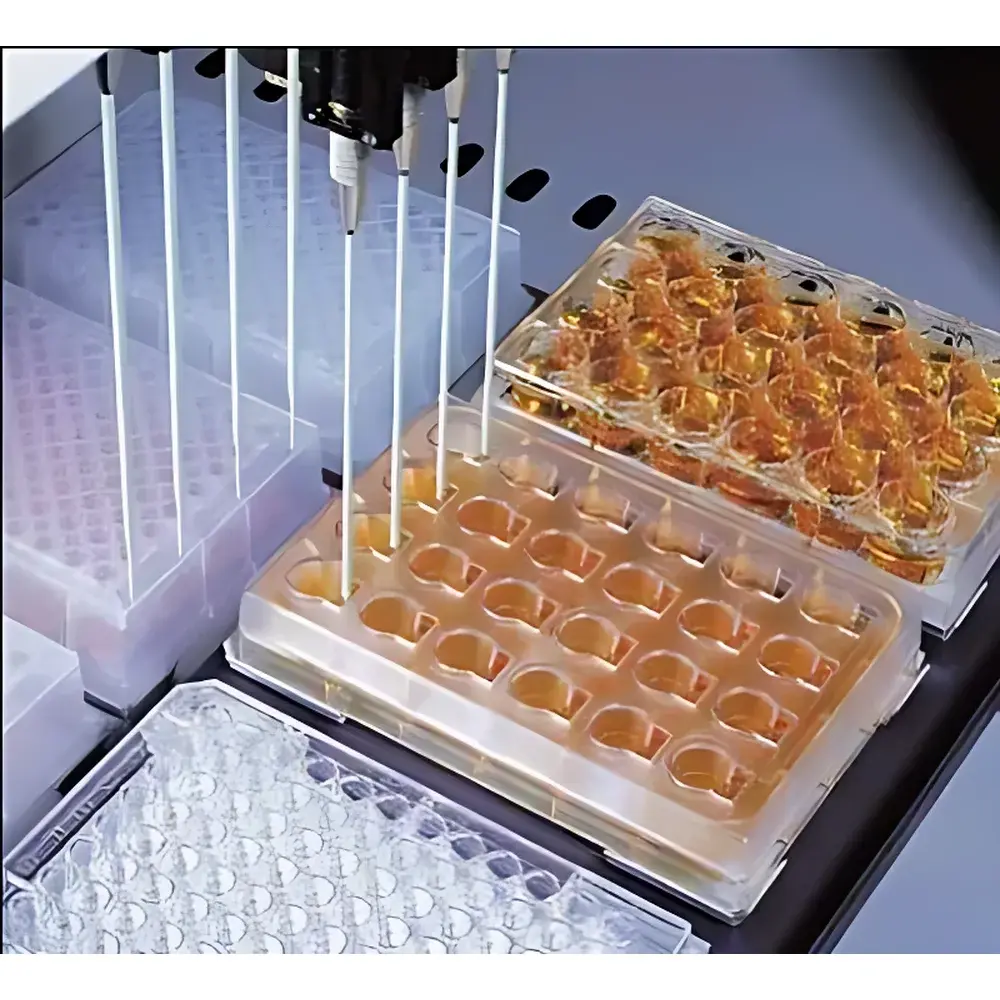
The TECAN ADME High-Throughput Screening System is a fully integrated, modular automation platform engineered for pharmaceutical preclinical development. Built upon the robust and validated Freedom EVO liquid handling workstation architecture, this system implements standardized, reproducible workflows for Absorption, Distribution, Metabolism, and Excretion (ADME) profiling—core pillars of early drug candidate selection. It operates on well-established in vitro biological principles: transcellular permeability assessment via monolayer culture models (e.g., Caco-2, MDCK), enzymatic metabolic stability testing using human liver microsomes or primary hepatocytes under controlled temperature and agitation, and physicochemical characterization leveraging UV-Vis spectroscopy, solubility gradient analysis, and logP determination. The system adheres to foundational assay design conventions defined by ICH M3(R2), FDA Guidance for Industry on Pharmacokinetics in Drug Development, and EMA CHMP reflection papers on nonclinical ADME studies—ensuring data generated supports regulatory submission readiness.
Key Features
- Modular architecture enabling seamless integration of Freedom EVO pipetting modules with third-party detection systems (e.g., LC-MS/MS, HPLC autosamplers) and environmental control units (heated/cooled plate carriers, orbital shakers, CO2-regulated incubators)
- Automated cell-based permeability assays compliant with OECD Test Guideline 425 and ASTM E2761-11 standards, supporting bidirectional transport studies across polarized epithelial monolayers
- Metabolic stability workflow automation including pre-incubation, NADPH cofactor addition, timed reaction quenching, and sample derivatization—all executed under precise thermal control (±0.5 °C at 37 °C)
- Compound profiling module incorporating the Infinite M1000 PRO multimode reader with Quad4 Monochromator technology for high-resolution spectral scanning (230–1000 nm), enabling simultaneous purity verification, concentration quantification, and intrinsic fluorescence/absorbance interference screening
- Cellerity™ Automated Cell Culture System housed within a Class II A2 biosafety cabinet featuring HEPA filtration (≥99.99% @ 0.3 µm), integrated cell counter, temperature-controlled media reservoirs, and multi-port fluid selection valve for sterile reagent switching
Sample Compatibility & Compliance
The system accommodates diverse biological matrices including suspension and adherent mammalian cells (Caco-2, MDCK, HepG2, primary human hepatocytes), subcellular fractions (microsomes, S9 fractions), and synthetic membrane systems (PAMPA). All liquid handling protocols are designed to minimize shear stress and preserve cellular viability (>95% post-processing recovery demonstrated in validation reports). Instrument control software complies with 21 CFR Part 11 requirements for electronic records and signatures when configured with audit trail, user authentication, and role-based access controls. Data acquisition and processing workflows align with GLP principles per OECD Principles of Good Laboratory Practice (ENV/MC/CHEM(98)17) and support traceable chain-of-custody documentation.
Software & Data Management
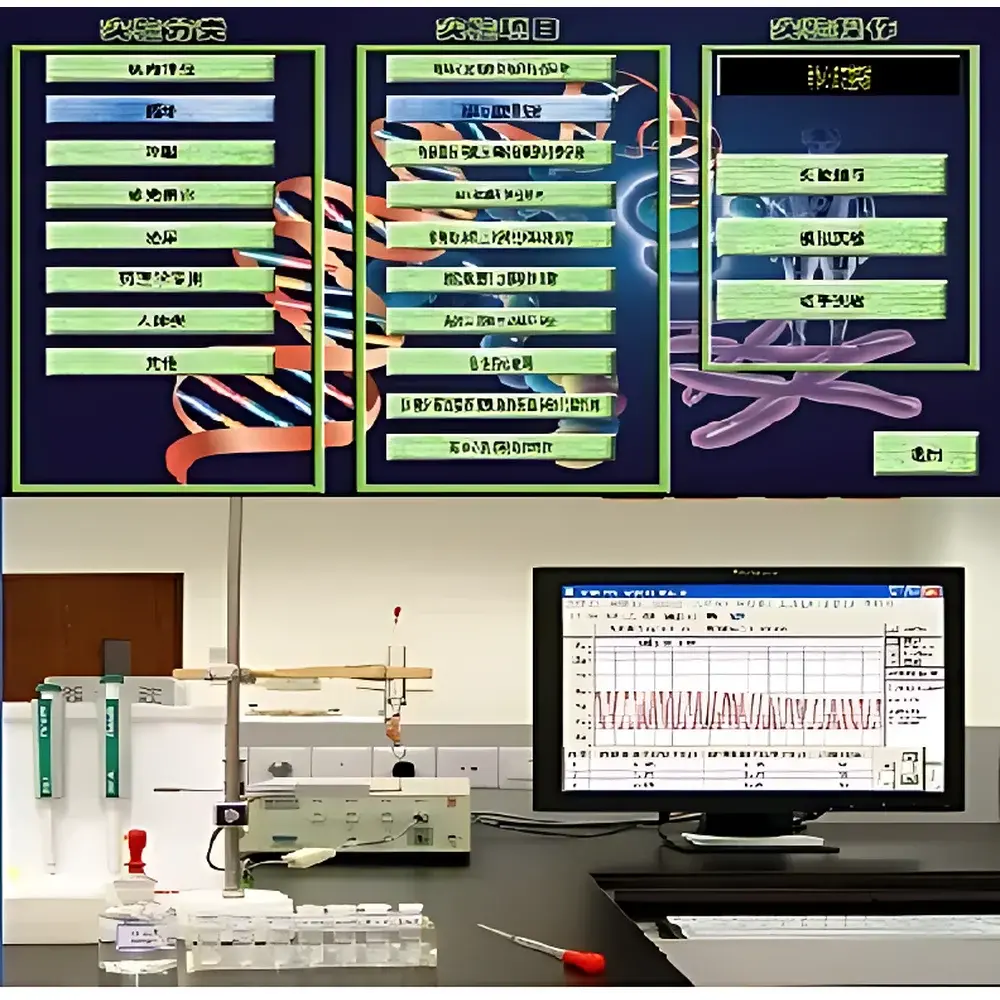
Controlled via Freedom EVOware v2.x software with customizable method templates, version-controlled protocol libraries, and built-in error logging. Integration with TECAN’s i-control™ middleware enables bidirectional communication with external instruments (e.g., Agilent 1290 Infinity II, Thermo Vanquish UHPLC). Raw data export supports CSV, XML, and vendor-neutral .mzML formats for downstream analysis in platforms such as Simca-P, MassHunter, or Spotfire. Audit trails record all user actions—including parameter modifications, run initiation, and result exports—with timestamps and operator IDs. Electronic signatures are enforced during critical steps (e.g., assay validation sign-off, final report generation) to satisfy GxP compliance requirements.
Applications
- High-throughput Caco-2/MDCK permeability screening for rank-ordering compound absorption potential and identifying transporter-mediated efflux (e.g., P-gp, BCRP)
- Microsome- and hepatocyte-based metabolic stability assays to estimate hepatic clearance and predict in vivo half-life
- Cytochrome P450 inhibition and induction profiling across major isoforms (CYP3A4, CYP2D6, CYP2C9, etc.) using luminescent or fluorogenic probe substrates
- Solubility mapping across pH gradients (1.2–7.4) and thermodynamic solubility determination via nephelometry or HPLC-UV quantification
- Automated preparation of calibration standards and QC samples for LC-MS bioanalysis of metabolites and parent compounds
- Long-term maintenance of differentiated Caco-2 monolayers (21+ days) with automated medium exchange, TEER monitoring integration, and harvest scheduling
FAQ
Can the system be validated for regulated environments?
Yes—Freedom EVOware supports IQ/OQ/PQ documentation packages and integrates with third-party validation management tools compliant with Annex 11 and ALCOA+ data integrity principles.
Is remote monitoring supported during overnight metabolic incubations?
Yes—system status, temperature logs, and run progress are accessible via secure web interface with configurable email/SMS alerts for protocol deviations.
Does the platform support kinetic permeability measurements?
Yes—time-resolved sampling (e.g., 15-, 30-, 60-, 120-min intervals) is programmable with automatic quenching and dilution to maintain linear response ranges.
What level of customization is available for proprietary assay protocols?
All liquid handling, incubation, detection, and data reduction steps are script-editable using Python-based EVOware scripting engine, allowing full adaptation to novel endpoint assays.
How is cross-contamination prevented during high-density compound screening?
The system employs positive-displacement pipetting, disposable tips per sample, air-gap aspiration, and real-time tip wash cycles with ethanol/water decontamination between plates.