
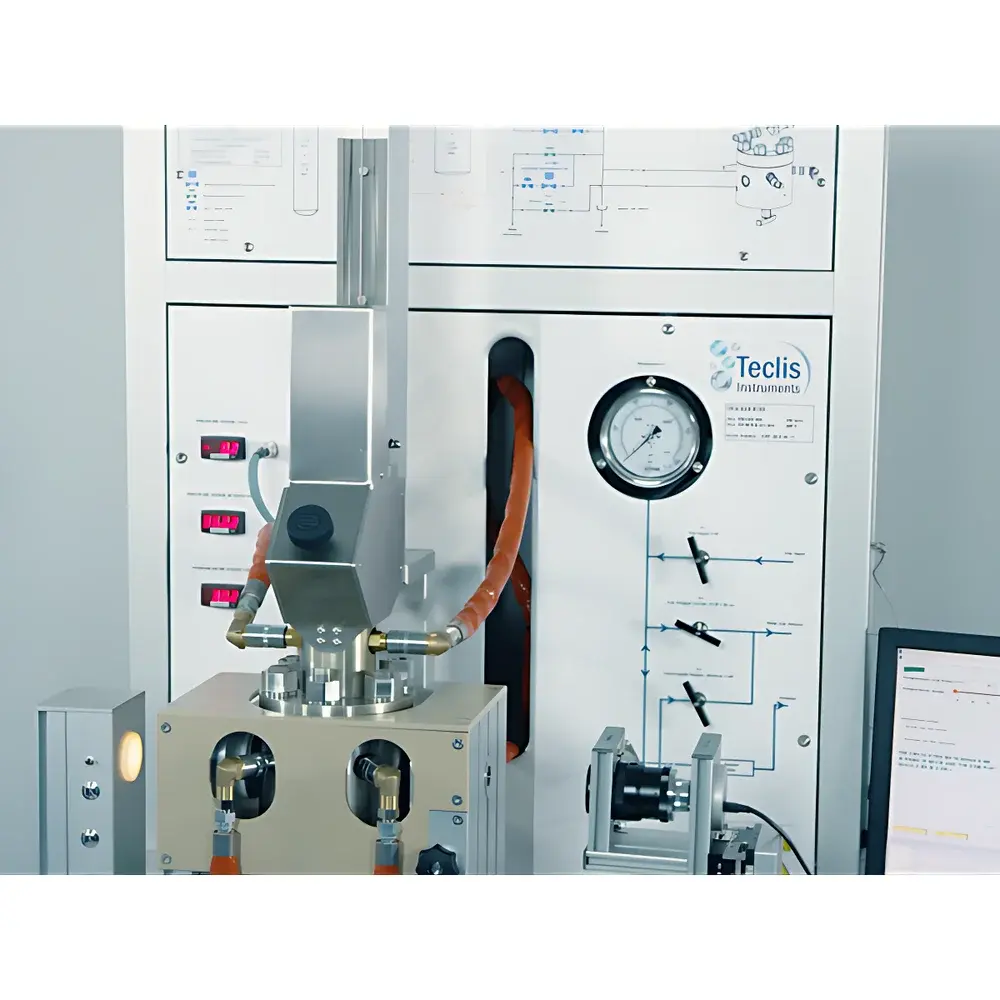
Teclis TRACKER HTHP High-Temperature High-Pressure Interfacial Rheometer & Tensiometer
| Brand | Teclis Scientific |
|---|---|
| Origin | France |
| Model | TRACKER HTHP |
| Measurement Range | 0–1000 mN/m |
| Resolution | 0.01 mN/m |
| Accuracy | ±0.01 mN/m |
| Temperature Range | 0–200 °C |
| Temperature Accuracy | ±0.1 °C |
| Measurement Method | Pendant Drop Method |
| Maximum Pressure | 700 bar |
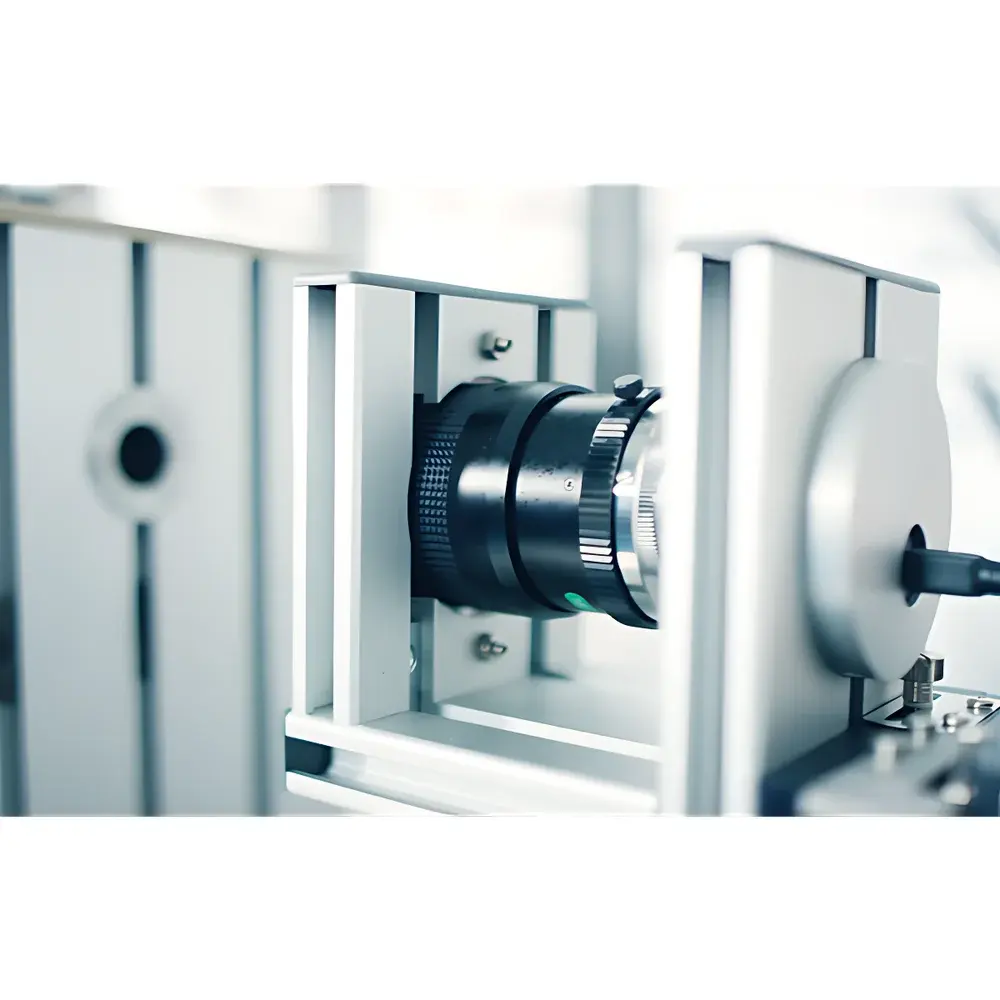
| Optical System | Monochrome CCD Camera (640 × 480 px), Telecentric Lens, Up to 60 fps (optional high-speed camera: 600 fps) |
| Pressure Certification | CETIM-certified pressure chamber |
Overview
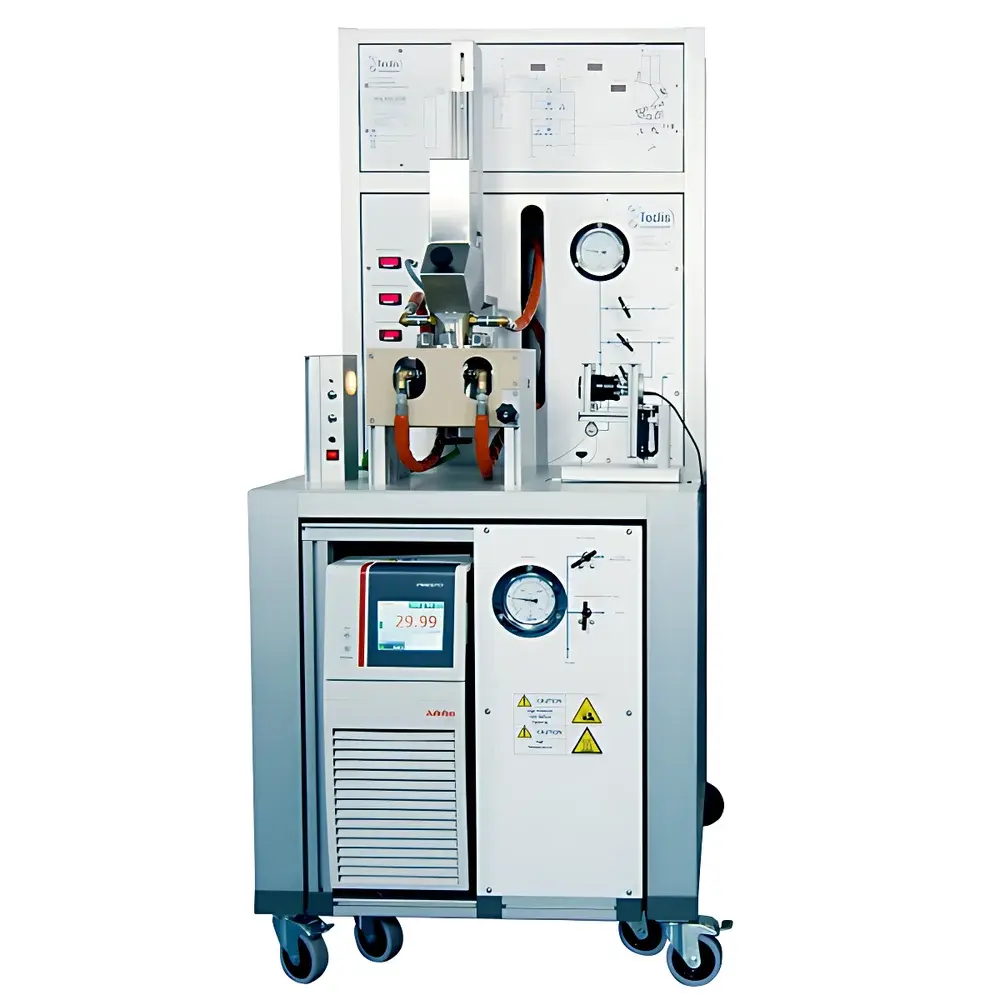
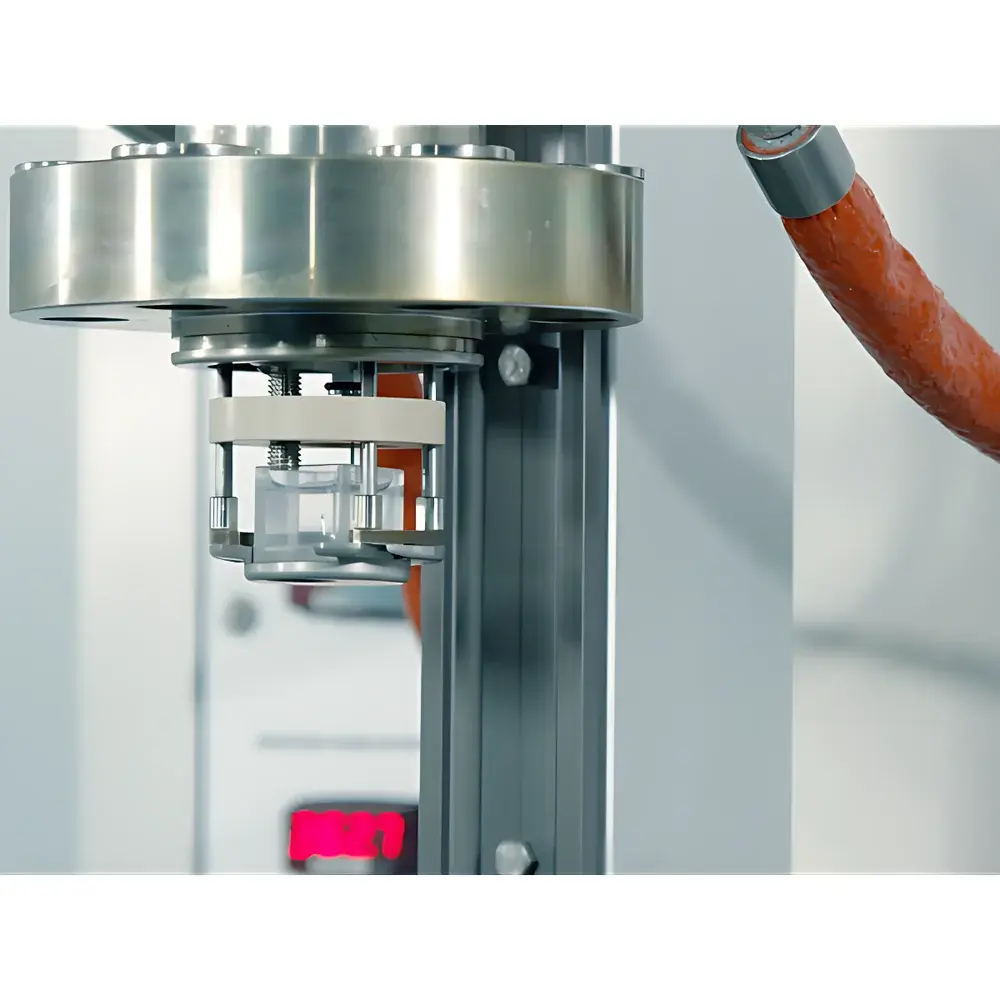
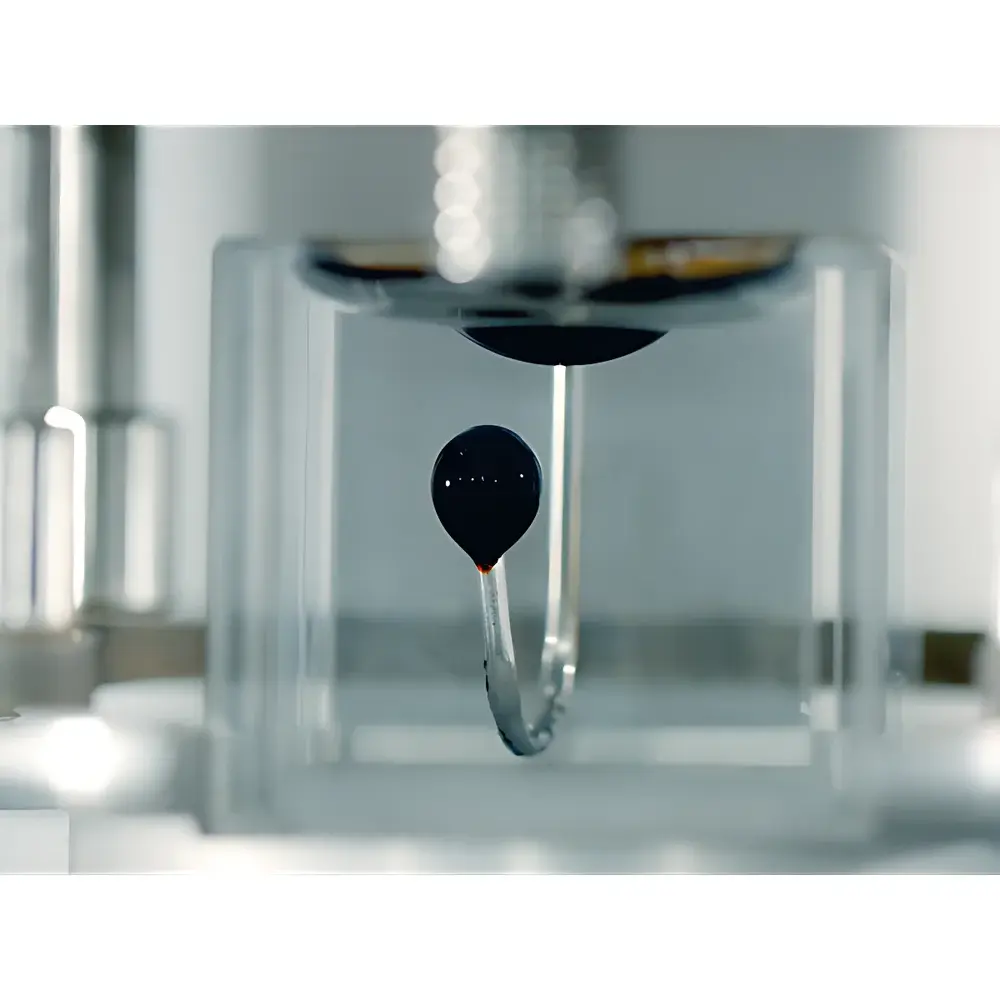
The Teclis TRACKER HTHP is a fully integrated, benchtop interfacial rheometer and tensiometer engineered for quantitative characterization of fluid interfaces under extreme thermodynamic conditions. It operates on the pendant drop method—based on rigorous numerical fitting of drop profiles to the Young–Laplace equation—to deliver traceable, first-principles measurements of surface tension, interfacial tension (liquid–liquid or gas–liquid), dynamic contact angles, and interfacial viscoelastic moduli (storage modulus G′ and loss modulus G″). Unlike ambient-pressure tensiometers, the TRACKER HTHP incorporates a hermetically sealed, CETIM-certified pressure chamber capable of sustained operation up to 700 bar and 200 °C, enabling direct interrogation of interfacial behavior in reservoir fluids, supercritical CO₂ systems, high-pressure catalysis environments, and geothermal brine formulations. Its modular architecture integrates pressure generation (hydraulic intensifier), temperature control (oil-circulating bath), optical imaging (telecentric optics + sapphire viewport), and automated dispensing—all within a single mobile enclosure—eliminating external dependencies and ensuring mechanical stability during long-duration, high-fidelity experiments.
Key Features
- Full-range high-pressure capability: Three certified pressure configurations available—350 bar, 500 bar, and 700 bar—with integrated pressure transducers and safety interlocks compliant with PED 2014/68/EU.
- High-precision thermal control: Oil-circulation system maintains temperature stability of ±0.1 °C across 0–200 °C, with real-time PID feedback and independent calibration traceable to NIST standards.
- Modular interfacial measurement modes: Supports pendant drop, sessile drop (top- and bottom-side), captive bubble, and rising bubble configurations via interchangeable sample cells and needle assemblies.
- Dynamic interfacial rheology: Programmable syringe pump enables controlled oscillation of drop volume/area at user-defined frequencies (0.01–10 Hz) and amplitudes, enabling calculation of complex interfacial modulus spectra.
- Dual-mode contact angle analysis: Measures advancing/receding angles on solid substrates under pressure without chamber venting, using a motorized rotation stage for sequential multi-drop analysis.
- Optimized optical path: 640 × 480 monochrome CCD camera with telecentric lens ensures minimal distortion; optional high-speed module (600 fps) supports transient phenomena such as rapid surfactant adsorption or interfacial relaxation.
Sample Compatibility & Compliance
The TRACKER HTHP is compatible with non-explosive gases (e.g., N₂, CH₄, CO₂) and supercritical CO₂ across its full pressure–temperature envelope. All wetted components—including sapphire viewports, Hastelloy C-276 pressure cell, and PTFE-sealed syringes—are chemically inert toward hydrocarbons, aqueous electrolytes, and polar solvents. The instrument meets CE marking requirements and conforms to ISO 14040 (life cycle assessment of instrumentation), ASTM D971 (interfacial tension of oil–water systems), and ISO 19403-2 (contact angle measurement). Its pressure chamber design carries formal CETIM certification for mechanical integrity at 700 bar, satisfying ASME BPVC Section VIII, Division 2 requirements for experimental high-pressure equipment.
Software & Data Management
The proprietary TRACKER Control & Analysis Suite provides full instrument orchestration—from pressure ramping and temperature stabilization to real-time image acquisition and contour fitting. All measurements are timestamped and logged with full metadata (T, P, humidity, camera settings, syringe position). The software implements a robust Young–Laplace solver with automatic baseline correction, edge detection optimization, and uncertainty propagation per ISO/IEC Guide 98-3 (GUM). Export formats include CSV, HDF5, and XML for integration into LIMS or ELN platforms. Audit trails comply with FDA 21 CFR Part 11 requirements, including electronic signatures, user-level access control, and immutable raw-data archiving. Batch processing and script-based automation (Python API) support GLP/GMP workflows and method validation per ICH Q2(R2).
Applications
- Oil & gas: Interfacial tension of crude oil–brine systems at reservoir conditions; EOR surfactant screening under HPHT.
- CO₂ capture & utilization: Adsorption kinetics and interfacial rheology of amine-based solvents in scCO₂ environments.
- Pharmaceutical formulation: Stability assessment of lipid nanoparticles and protein-stabilized emulsions under accelerated aging conditions.
- Materials science: Wettability mapping of functionalized surfaces under reactive atmospheres (e.g., H₂, NH₃).
- Electrochemistry: Solid–electrolyte interphase (SEI) formation dynamics on battery electrode materials.
- Food science: Interfacial dilatational rheology of plant-based protein films at elevated temperatures.
FAQ
What pressure and temperature ranges does the TRACKER HTHP support?
It operates from ambient pressure up to 700 bar and 0–200 °C, with three factory-configured pressure variants (350/500/700 bar) and CETIM-certified mechanical validation.
Can contact angle be measured on submerged substrates?
Yes—the instrument supports both top-side (air–liquid–solid) and bottom-side (liquid–solid–gas) sessile drop configurations, including captive bubble mode for hydrophobic surfaces.
Is the pressure chamber removable for cleaning or maintenance?
No—the chamber is permanently integrated into the chassis to preserve alignment integrity and pressure boundary reliability; all internal components are accessible via standardized service ports.
Does the software support automated method validation per regulatory guidelines?
Yes—it includes built-in protocols for repeatability testing, intermediate precision assessment, and system suitability checks aligned with USP and ISO/IEC 17025 requirements.
What optical resolution is achieved for drop profile analysis?
The standard telecentric optical path delivers sub-pixel edge localization accuracy (<0.2 px RMS), validated against NIST-traceable micropatterned calibration targets.



