
Thermo Scientific AquaPro Five-Parameter Online Water Quality Monitoring System
| Brand | Thermo Fisher Scientific |
|---|---|
| Origin | USA |
| Manufacturer | Thermo Fisher Scientific |
| Product Type | Imported |
| Model | AquaPro Five-Parameter System |
| Instrument Type | Online Monitor |
| Temperature Range | –5 to 95 °C |
| pH Range | 0.00–14.00 pH |
| Dissolved Oxygen Range | 0.00–20.00 ppm (0–50 °C) |
| Conductivity Range | 0–2000 µS/cm |
| Turbidity Range | 0–4000 NTU (–5 to 50 °C) |
Overview
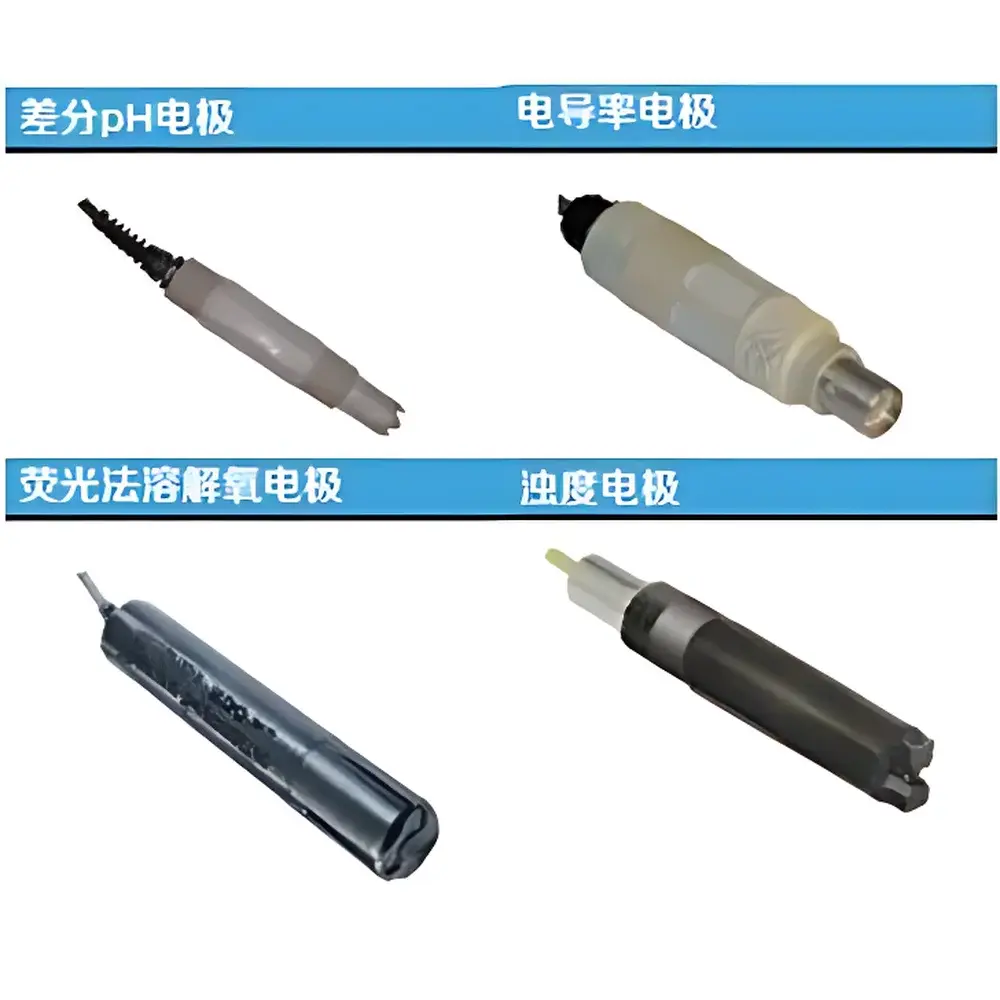
The Thermo Scientific AquaPro Five-Parameter Online Water Quality Monitoring System is an integrated, multi-sensor platform engineered for continuous, real-time measurement of five critical water quality parameters: pH, conductivity, turbidity, dissolved oxygen (DO), and temperature. Built upon the modular AquaPro multi-channel controller architecture, this system supports up to four interchangeable AquaSensor probes—each optimized for a specific parameter—within a single, unified hardware and software framework. Its measurement principles are grounded in industry-accepted physical and electrochemical methodologies: differential potentiometric sensing for pH; two-electrode or four-electrode conductivity with automatic temperature compensation (ATC); fluorescence-based luminescence quenching for DO; dual-angle (90° and 180°) infrared nephelometry compliant with ISO 7027 for turbidity; and precision thermistor-based temperature sensing embedded in each probe. Designed for deployment in municipal drinking water intakes, wastewater treatment influent/effluent streams, industrial process water loops, and environmental surface water monitoring stations, the system delivers high reproducibility, long-term drift stability, and minimal operator intervention.
Key Features
- Differential pH sensing using Orion ROSS™ pH electrodes with replaceable double-junction salt bridges—reducing contamination risk and extending service life beyond conventional gel-filled electrodes.
- Coaxial conductivity sensors with selectable cell constants (e.g., K = 0.1, 1.0, 10 cm⁻¹) and chemically resistant body materials (e.g., PEEK, stainless steel, titanium) for diverse matrix compatibility.
- RDO Pro™ optical dissolved oxygen probes employing phase-fluorometry—eliminating membrane replacement, electrolyte refills, and zero-point drift associated with Clark-type amperometric sensors.
- Turbidity measurement per ISO 7027 using dual-path infrared light detection (90° scattering + 180° backscatter), minimizing color interference and enabling accurate quantification across particle size distributions from fine colloids to coarse silt.
- Integrated Pt1000 or NTC thermistors within each sensor housing, ensuring simultaneous temperature compensation without external reference probes or calibration offsets.
- Modular AquaPro controller with Ethernet/IP, Modbus TCP, and 4–20 mA analog outputs—supporting remote configuration, diagnostic logging, and over-the-air firmware updates via secure HTTPS interface.
Sample Compatibility & Compliance
The system is validated for use in freshwater, brackish water, secondary-treated wastewater, and low-TDS industrial process streams. It meets requirements for continuous emission monitoring systems (CEMS) under EPA Method 160.1 (pH), ASTM D5391 (conductivity), EPA Method 180.1 (turbidity), and ASTM D888 (dissolved oxygen). Sensor housings comply with IP68 ingress protection and NSF/ANSI Standard 61 for materials in contact with potable water. The controller firmware supports audit-trail functionality aligned with 21 CFR Part 11 for regulated environments requiring electronic record integrity and user access control.
Software & Data Management
The AquaPro system operates with Thermo Scientific’s AquaView™ web-based configuration and visualization software, accessible via modern browsers on Windows, macOS, or Linux. Data logging occurs at user-defined intervals (1 second to 24 hours) with local SD card storage (up to 32 GB) and optional cloud synchronization via MQTT or RESTful API. All measurements include timestamped metadata (sensor ID, calibration status, temperature-compensated values, raw signal diagnostics), supporting traceability in GLP/GMP-compliant operations. Export formats include CSV, PDF reports, and OPC UA-compatible structured data for integration into SCADA or MES platforms.
Applications
- Real-time compliance monitoring at drinking water treatment plant intake and distribution points per WHO Guidelines and EU Drinking Water Directive (2020/2184).
- Biological nutrient removal (BNR) process control in activated sludge basins through synchronized DO and pH profiling.
- Effluent discharge monitoring for NPDES permits, including turbidity excursions during storm events.
- Industrial cooling tower management—tracking conductivity for blowdown optimization and pH for corrosion inhibition control.
- Long-term ecological monitoring in rivers and reservoirs, where stable baseline data across multiple parameters enables trend analysis and early anomaly detection.
FAQ
Can the AquaPro controller accommodate additional parameters beyond the standard five?
Yes—the platform supports expansion modules for free chlorine, ammonium, nitrate, and ORP via compatible AquaSensor interfaces, subject to firmware version and channel availability.
Is factory calibration traceable to NIST standards?
All sensor calibrations performed at the Thermo Fisher manufacturing facility are documented against NIST-traceable reference standards, with certificates provided per unit shipment.
What maintenance intervals are recommended for routine operation?
RDO Pro probes require no membrane or electrolyte servicing; ROSS electrodes typically undergo quarterly verification and biannual full recalibration; turbidity windows should be cleaned weekly in high-fouling applications.
Does the system support automated calibration routines?
Yes—pH and conductivity channels support automated multi-point calibration sequences triggered by schedule or event, with configurable pass/fail criteria and auto-logging of calibration history.
How is cybersecurity addressed in remote access configurations?
AquaView implements TLS 1.2+ encryption, role-based authentication (RBAC), session timeout enforcement, and optional integration with enterprise identity providers (e.g., LDAP, Active Directory).







