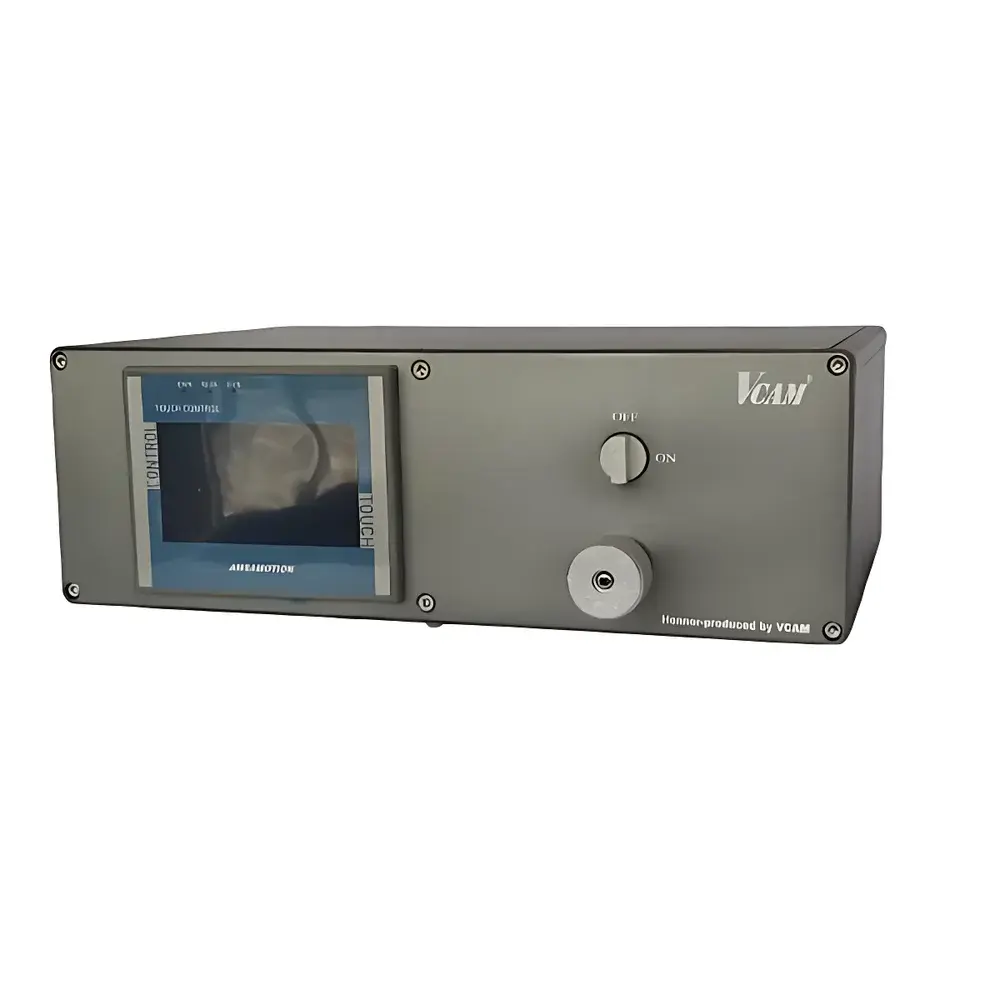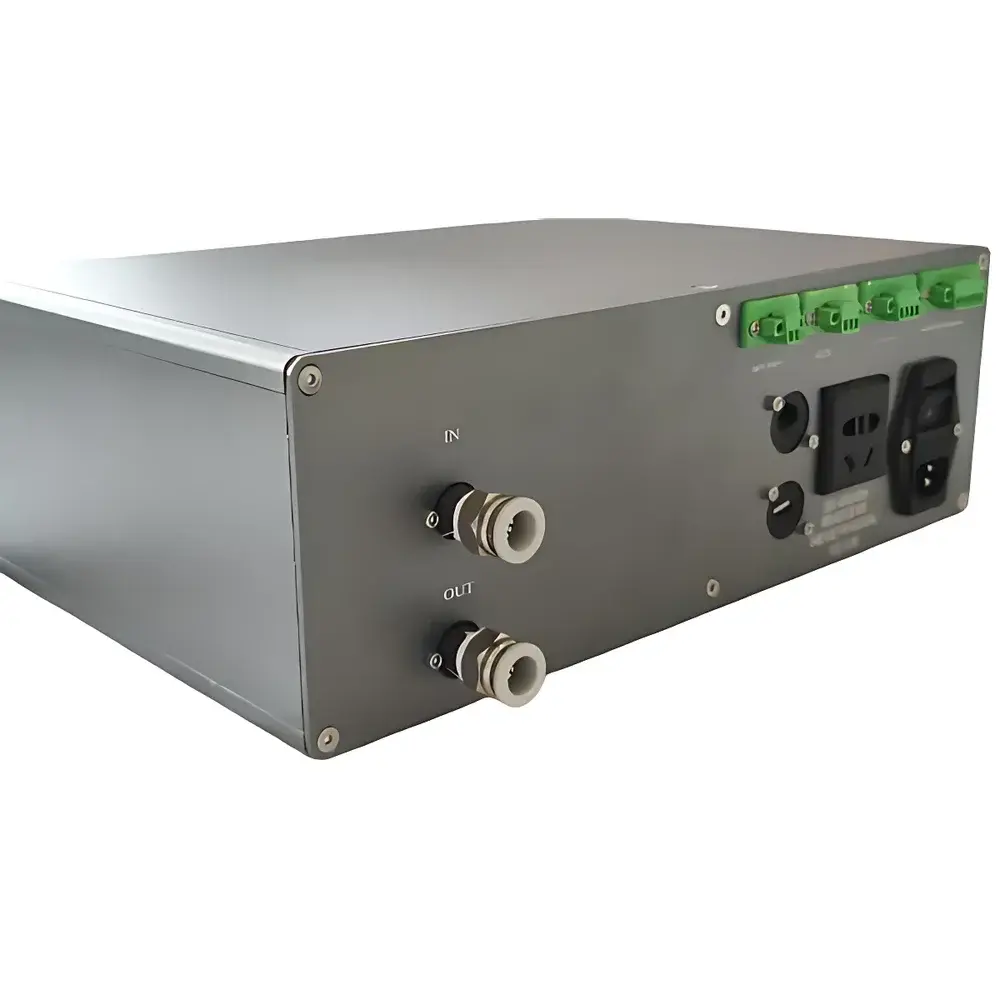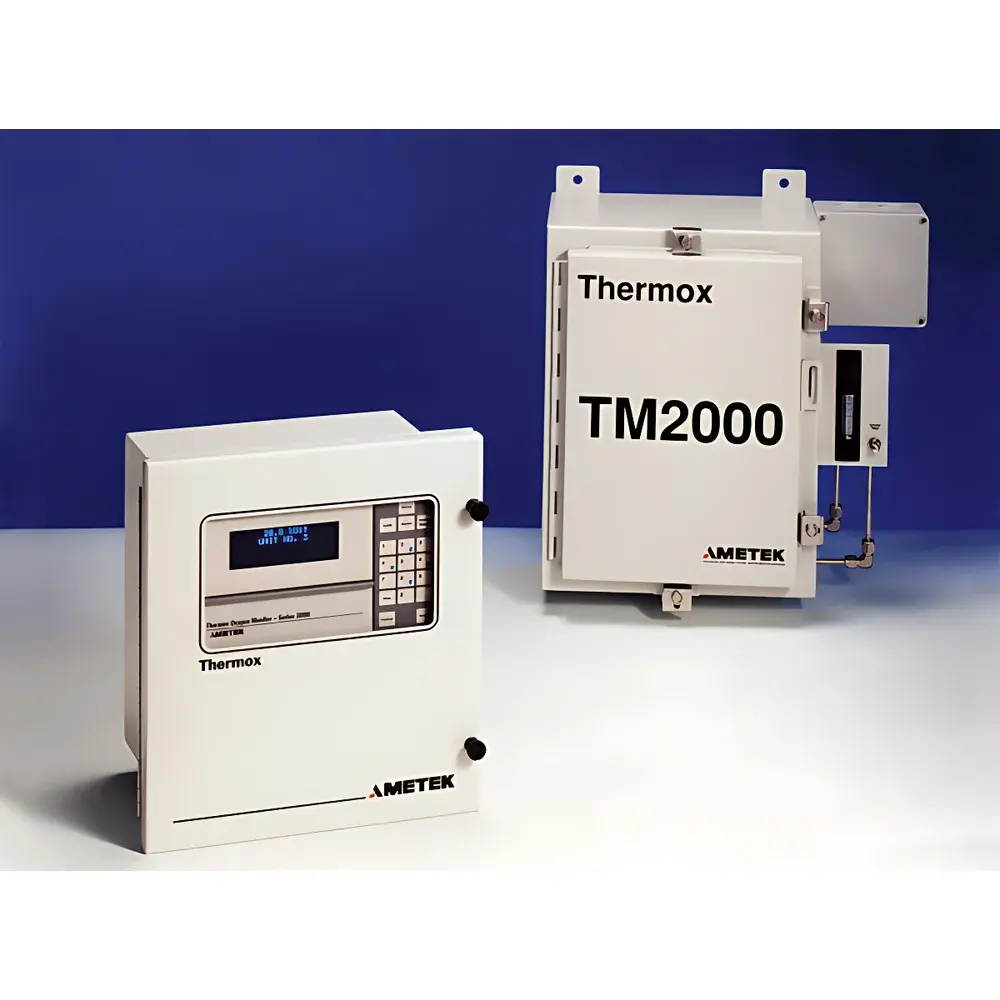
Thermox TM2000 Oxygen Analyzer
| Brand | PROCESS INSTRUMENTS |
|---|---|
| Origin | USA |
| Model | TM2000 |
| Type | In-situ Zirconia-based Paramagnetic Oxygen Analyzer |
| Measurement Principle | High-Temperature Zirconium Oxide Electrochemical Cell |
| Range | 0–100% O₂ (selectable ranges available) |
| Accuracy | ±0.1% O₂ (full scale) |
| Response Time (T90) | <15 s |
| Operating Temperature | −20 to +60 °C (electronics) |
| Output | 4–20 mA, RS-485 Modbus RTU, optional Ethernet/IP |
| Enclosure Rating | IP66/NEMA 4X |
| Certifications | ATEX II 2G Ex d IIB T4 Gb, IECEx Ex d IIB T4 Gb, UL/cUL Class I Div 1 Groups B, C, D |
Overview
The Thermox TM2000 Oxygen Analyzer is a high-reliability, in-situ zirconia-based electrochemical analyzer engineered for continuous, real-time measurement of oxygen concentration in industrial process gas streams. Utilizing a stabilized zirconium dioxide (ZrO₂) sensing element operating at elevated temperatures (typically 700–750 °C), the TM2000 functions on the principle of oxygen ion conduction across a solid electrolyte under a thermal gradient — generating a Nernst voltage proportional to the partial pressure difference of O₂ between the sample and reference gases. Unlike paramagnetic or electrochemical galvanic sensors, the zirconia cell delivers inherent stability, minimal drift over extended operation, and immunity to background gas interference (e.g., CO₂, SO₂, H₂O vapor, hydrocarbons), making it particularly suited for harsh, high-temperature, or corrosive environments common in combustion control, inerting systems, metal heat treatment, and chemical synthesis processes.
Key Features
- High-temperature zirconia sensor with integrated heater and thermocouple for precise thermal regulation and cold-junction compensation
- In-situ probe design eliminates sampling lines, bypass systems, and associated condensation, lag, or calibration drift issues
- Modular electronics housing with field-replaceable transmitter board and hot-swappable sensor cartridge
- Dual-range capability: factory-configurable full-scale ranges including 0–1%, 0–10%, 0–25%, and 0–100% O₂, with automatic range switching logic
- Robust probe construction: 316 stainless steel body with ceramic insulator; optional Hastelloy C-276 tip for aggressive chloride or sulfur-containing atmospheres
- Integrated diagnostics including sensor impedance monitoring, heater continuity check, and signal-to-noise ratio validation per IEC 61508 SIL 2 functional safety guidelines
Sample Compatibility & Compliance
The TM2000 is validated for use in dry or wet gas streams with particulate loading ≤10 mg/m³ and dew point ≤60 °C (with optional air purge or steam purge). It operates reliably in flue gases, furnace atmospheres, nitrogen blanketing lines, syngas streams, and catalytic reformer off-gases. The analyzer complies with international standards for industrial instrumentation, including IEC 61000-6-2 (EMC immunity), IEC 61000-6-4 (EMC emissions), and IEC 60079-0/11 (explosion protection). Its intrinsic safety architecture supports integration into Safety Instrumented Systems (SIS) meeting SIL 2 requirements per IEC 61511. Documentation packages include Factory Acceptance Test (FAT) reports, material traceability (MTRs), and calibration certificates traceable to NIST standards.
Software & Data Management
The TM2000 supports configuration and diagnostics via the proprietary Thermox ConfigTool software, accessible through USB or Ethernet interface. The tool enables real-time sensor health trending, historical data logging (up to 30 days onboard), zero/span verification records, and audit-trail-enabled parameter changes compliant with FDA 21 CFR Part 11 requirements when deployed in regulated pharmaceutical or food-grade inerting applications. All analog and digital outputs support HART 7 or Modbus RTU protocols for seamless integration into DCS, PLC, or SCADA platforms. Optional cloud connectivity (via MQTT or OPC UA) allows remote monitoring, predictive maintenance alerts, and centralized fleet management across multi-site installations.
Applications
- Combustion optimization in fired heaters, boilers, and thermal oxidizers — enabling dynamic air/fuel ratio control to minimize NOₓ and maximize thermal efficiency
- Atmosphere control in batch and continuous furnaces for annealing, brazing, and sintering of stainless steel, titanium, and aerospace alloys
- Oxygen monitoring in nitrogen generation systems and inert gas blanketing for petrochemical storage tanks and reactor vessels
- Process safety interlocks in hydrogen production units and ammonia synthesis loops where O₂ ingress poses explosion risk
- Quality assurance in modified atmosphere packaging (MAP) gas mix verification for food processing lines
FAQ
What is the recommended calibration frequency for the TM2000 in continuous operation?
Calibration verification using certified span gas is recommended every 3–6 months; zero calibration with high-purity nitrogen may be performed monthly. Full calibration is required after sensor replacement or exposure to poisoning agents (e.g., silicones, halogens).
Can the TM2000 measure oxygen in high-CO₂ environments such as biogas or fermentation off-gas?
Yes — the zirconia cell is unaffected by CO₂ concentration up to 100%, provided gas temperature remains within probe rating and condensable vapors are managed via purge or cooling.
Is the TM2000 compatible with hazardous area installations requiring flameproof protection?
Yes — the standard enclosure meets ATEX/IECEx Zone 1 and UL Class I Div 1 requirements; no additional barriers or isolators are needed for intrinsically safe signal transmission.
Does the analyzer support redundant sensor configurations for critical safety applications?
While the TM2000 itself is a single-sensor platform, dual-probe installations with voting logic (1oo2 or 2oo3) can be implemented at the DCS level using independent analog outputs and certified safety relays.
What maintenance intervals apply to the zirconia sensor element?
Typical service life exceeds 24 months in clean, non-poisoning applications; in aggressive environments, inspection every 12 months is advised, with replacement based on impedance rise (>20 kΩ) or response time degradation (>25 s T90).