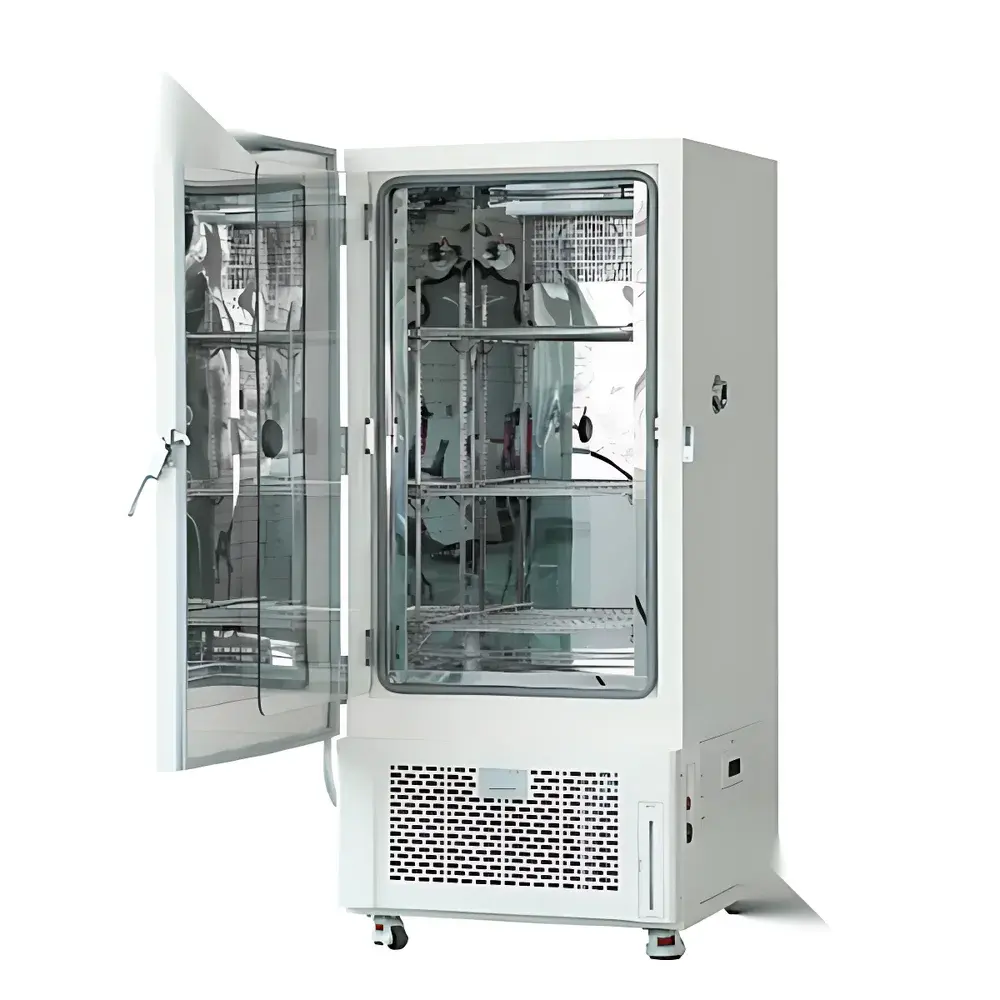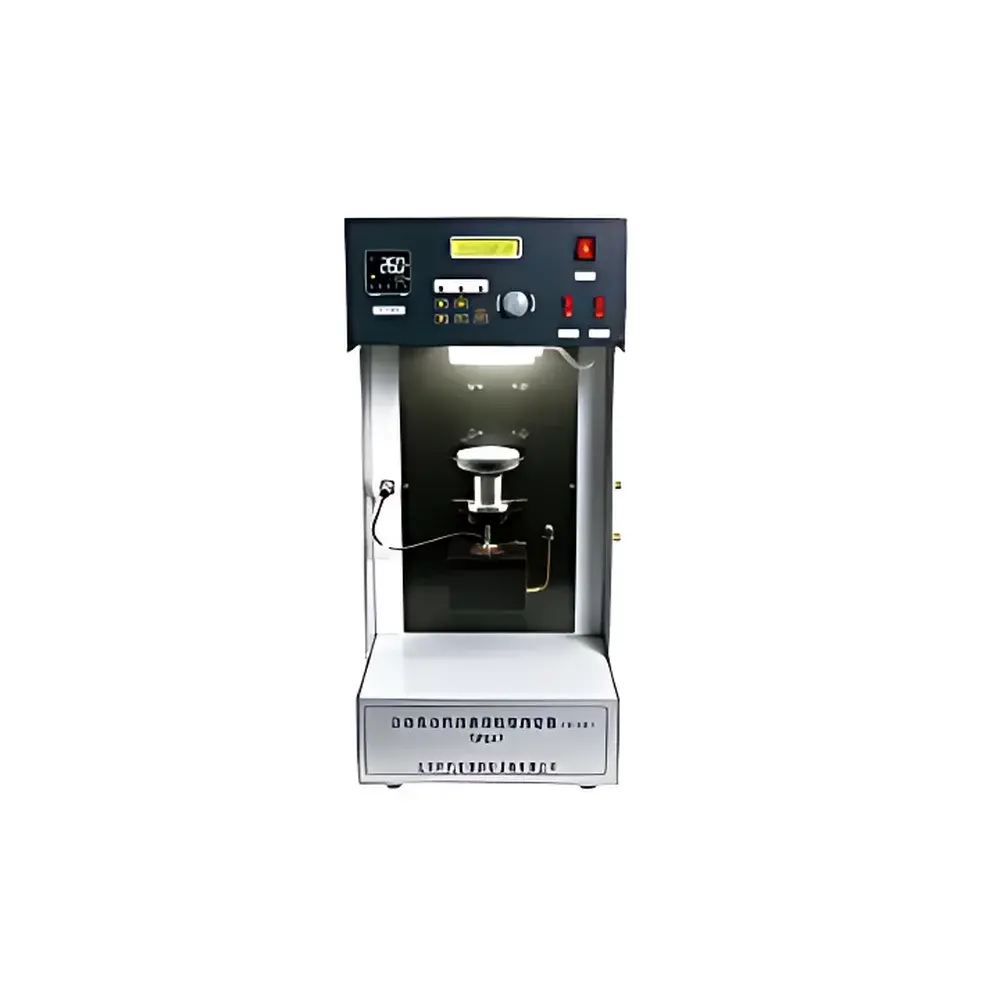
Timepower TP547 Apparent Viscosity Tester for Engine Oils
| Brand | Timepower |
|---|---|
| Origin | Beijing, China |
| Manufacturer | Timepower Instruments Co., Ltd. |
| Model | TP547 |
| Compliance | GB/T 6538, ASTM D5293 |
| Temperature Control Accuracy | ±0.05 °C |
| Temperature Range | –50 °C to 100 °C |
| Viscosity Measurement Range | 1200–27000 mPa·s |
| Shear Rate Range | 10⁴–10⁵ s⁻¹ |
| Shear Stress Range | ~1200–27000 mPa·s (apparent) |
| Cooling Range | –50 °C to ambient |
| Heating Power | ≤800 W |
| Total Power Consumption | ≤2 kW |
| Power Supply | AC 220 V ±10%, 50 Hz ±10% |
| Temperature Sensor Accuracy | ±0.1 °C |
| Ambient Operating Environment | –40 °C to 30 °C |
Overview
The Timepower TP547 Apparent Viscosity Tester is a precision-engineered instrument designed specifically for evaluating the low-temperature apparent viscosity of engine oils under high-shear conditions. It operates in strict accordance with internationally recognized standard test methods—namely GB/T 6538 (Chinese national standard) and ASTM D5293 (Standard Test Method for Low-Temperature Viscosity of Engine Oils in a Cold-Cranking Simulator). The system employs a controlled-stress rotational measurement principle, wherein oil samples are subjected to defined shear rates (10⁴–10⁵ s⁻¹) within a precisely regulated cold bath environment (–50 °C to 100 °C), enabling determination of apparent viscosity values critical for predicting cold-start performance and lubricant film formation during engine cranking.
Key Features
- Integrated multi-threaded control architecture enabling synchronized operation of temperature regulation, motor drive, torque sensing, data acquisition, and real-time computation.
- Fuzzy logic-based temperature control system delivering ±0.05 °C stability across the full operating range (–50 °C to 100 °C), with rapid thermal response and minimal overshoot.
- Dedicated cold-cranking simulator (CCS) configuration compliant with ASTM D5293 geometry and kinematic constraints, including calibrated stator-rotor assembly and dynamic load feedback.
- PC-based host system with proprietary Windows-compatible software for automated test sequencing, curve-fitting algorithms (e.g., Casson or Cross model interpolation), and direct calculation of apparent viscosity per ASTM reporting conventions.
- Onboard thermal printer supporting immediate hardcopy output of test reports—including sample ID, bath temperature, shear rate, measured torque, calculated viscosity, and timestamp—for GLP-compliant recordkeeping.
- Modular refrigeration unit capable of reaching –50 °C without external cryogens; combined with ≤800 W heating capacity for precise bidirectional thermal control.
Sample Compatibility & Compliance
The TP547 is validated for use with SAE-grade engine oils, including conventional, synthetic, and low-SAPS formulations. Its measurement domain targets the critical low-temperature regime (–5 °C to –35 °C) where viscosity-related cranking resistance governs engine startability. All hardware components—including the stainless-steel bath vessel, platinum RTD sensors, and brushless DC motor drive—meet material compatibility requirements for hydrocarbon-based lubricants. The instrument satisfies essential regulatory expectations for laboratory instrumentation used in quality control environments: it supports audit-ready operation through timestamped digital logs, user-access-level permissions, and non-modifiable raw data storage—features aligned with principles of FDA 21 CFR Part 11 (for electronic records) and ISO/IEC 17025 traceability frameworks when integrated into accredited testing laboratories.
Software & Data Management
The embedded PC platform runs dedicated firmware that implements ASTM D5293-compliant data reduction protocols, including automatic detection of steady-state torque, iterative curve fitting to derive apparent viscosity at specified shear rates, and interpolation between reference temperatures. Raw sensor data (temperature, current, encoder position) is logged at ≥10 Hz and stored in binary format with metadata headers (operator ID, calibration date, instrument serial number). Export options include CSV, PDF, and XML formats compatible with LIMS integration. Software includes built-in diagnostic tools for drive current monitoring—a mandatory maintenance parameter per ASTM D5293 Annex A1—enabling users to track motor health trends over time and schedule preventive recalibration before drift exceeds 20 mA over consecutive monthly readings.
Applications
- Quality assurance of engine oil batches prior to release (OEM and aftermarket lubricant manufacturing).
- R&D evaluation of viscosity index improvers (VIIs), pour point depressants (PPDs), and synthetic base stock blends.
- Regulatory compliance testing for SAE J300 viscosity classification, particularly for 0W-x and 5W-x grades.
- Failure analysis of field-used oils exhibiting abnormal cold-flow behavior or additive depletion.
- Supporting ASTM D6897 (Cold Cranking Simulator Viscosity Correlation) correlation studies in independent testing labs.
FAQ
What standards does the TP547 comply with?
The instrument is fully aligned with GB/T 6538 and ASTM D5293 for low-temperature apparent viscosity measurement of engine oils.
Is the system suitable for GMP/GLP-regulated environments?
Yes—when configured with user authentication, audit trail logging, and electronic signature support, it meets foundational requirements for data integrity under ISO/IEC 17025 and FDA 21 CFR Part 11.
How often must drive current be verified?
Per ASTM D5293 guidance, initial verification is required after installation or mechanical service; thereafter, monthly checks are recommended until drive current variation remains below 20 mA for three consecutive months.
Can the TP547 operate unattended overnight?
Yes—the system supports scheduled test sequences, automatic shutdown upon completion, and thermal safety interlocks that halt operation if bath temperature deviates beyond ±1 °C of setpoint for >60 seconds.
What accessories are required for routine operation?
Standard configuration includes the refrigerated bath assembly, vacuum-assisted sample filtration pump, and industrial-grade PC with preloaded software; optional accessories include NIST-traceable calibration oils and certified temperature verification probes.