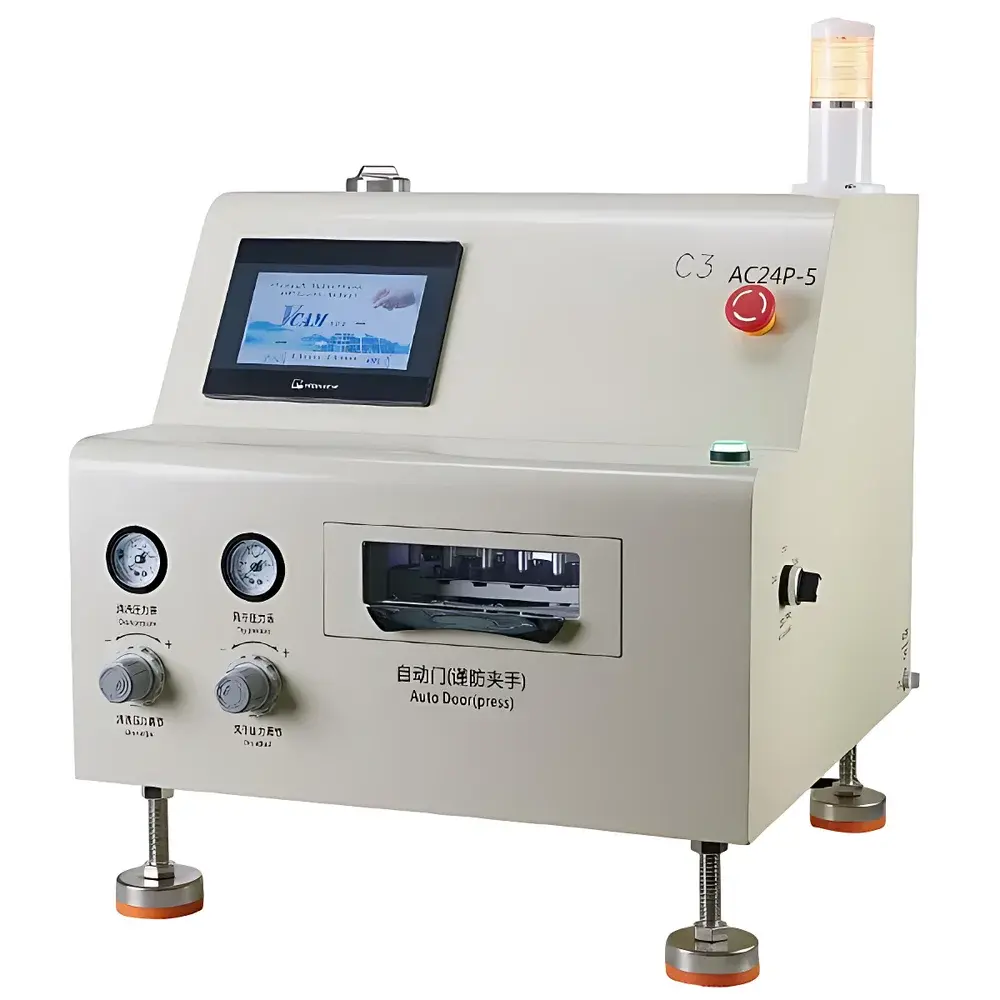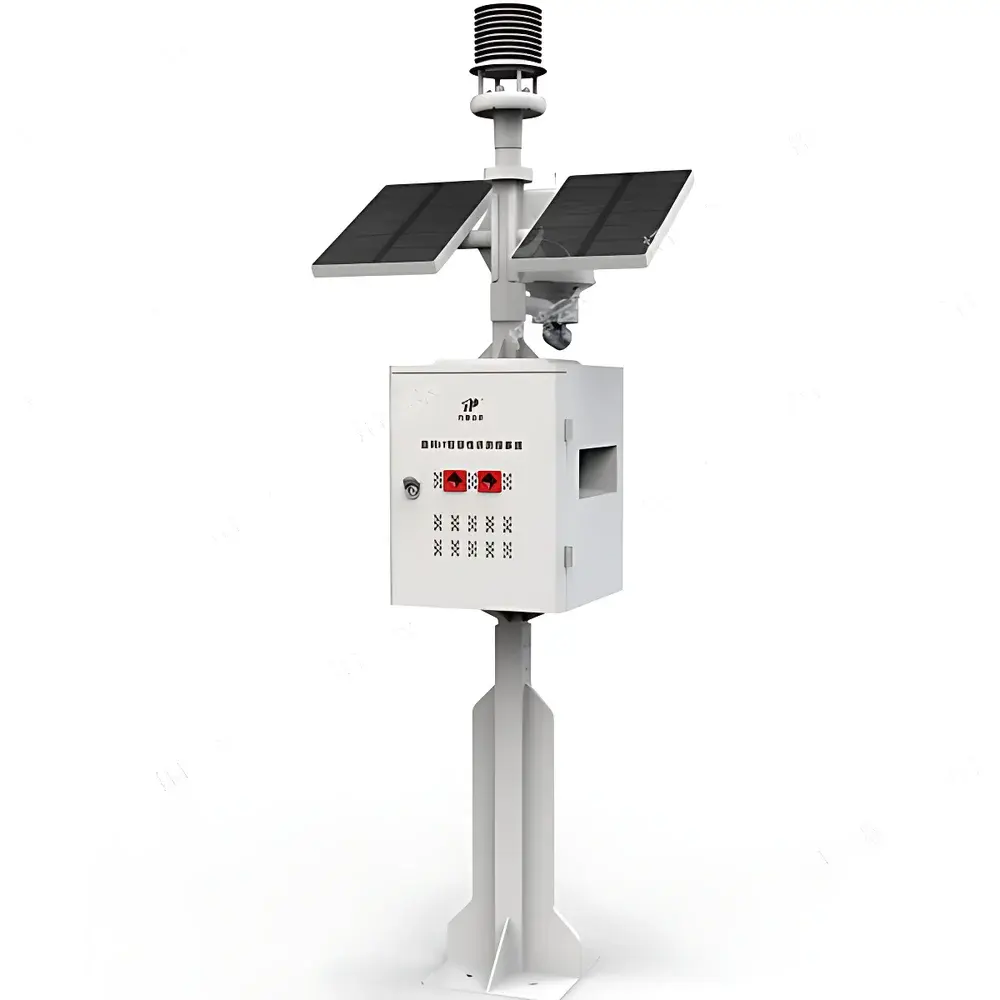
TopCloud-agri TPXY-SAM 4.0 Intelligent Pheromone-Based Pest Monitoring and Forecasting System
| Brand | TopCloud-agri |
|---|---|
| Origin | Zhejiang, China |
| Manufacturer Type | OEM/ODM Manufacturer |
| Country of Origin | China |
| Model | TPXY-SAM 4.0 |
| Instrument Category | Pest Surveillance Instrument |
| Core Function | AI-powered insect identification, environmental parameter acquisition, cloud-based pest forecasting |
Overview
The TopCloud-agri TPXY-SAM 4.0 Intelligent Pheromone-Based Pest Monitoring and Forecasting System is an integrated, field-deployable agricultural intelligence platform engineered for precision entomological surveillance in open-field and greenhouse cropping systems. It operates on a dual-module architecture: a solar-powered pheromone-trap host unit equipped with AI-driven visual recognition, and a co-located, independently powered micro-meteorological and edaphic sensor array. Unlike conventional passive traps, the system captures high-resolution imagery of captured insects under standardized illumination conditions, then applies convolutional neural network (CNN)-based classification models trained on regionally validated pest image datasets. The core measurement principle combines behavioral entomology (pheromone-mediated attraction), digital image acquisition (16 MP optical imaging), and multivariate environmental correlation modeling — enabling not only real-time species-level identification and enumeration but also spatiotemporal risk indexing based on concurrent microclimate and soil condition data.
Key Features
- Modular dual-unit design: Separately powered pheromone trap host and environmental monitoring module ensure operational redundancy and flexible deployment.
- AI-powered insect recognition engine: Trained on >30 economically significant Lepidoptera and Coleoptera species including Spodoptera frugiperda, Mythimna separata, Cnaphalocrocis medinalis, Prodenia litura, and Chilo suppressalis; average classification accuracy ≥85% under field lighting variability.
- Multi-angle trapping geometry: Ten lateral entry ports and two bottom-entry ports allow adaptive configuration for target insect size and flight behavior; modular port inserts support rapid reconfiguration.
- All-weather operability: Integrated drainage channels and hydrophobic adhesive substrate ensure continuous capture efficacy during precipitation events; no mechanical cleaning or manual intervention required.
- Autonomous consumables management: Motorized adhesive roll advancement system supports up to 50 deployments per roll; remote-triggered replacement via encrypted OTA command.
- GNSS-enabled geofencing and anti-theft tracking: Embedded GPS/GLONASS receiver provides sub-5 m positional accuracy with tamper-detection logging.
- Hybrid power architecture: 15 W monocrystalline solar panel + 12 Ah LiFePO4 battery enables >20 days of operation under sustained overcast conditions (0–50 lux ambient illumination).
Sample Compatibility & Compliance
The TPXY-SAM 4.0 is validated for use with standard commercial sex pheromone lures and food-based attractants compliant with ISO 8587:2021 (Sensory analysis — Methodology — General guidance) and FAO Plant Protection Bulletin No. 17/2022 (Guidelines for Field Evaluation of Pheromone Traps). Its non-toxic, physical capture mechanism aligns with IPM (Integrated Pest Management) frameworks endorsed by the International Plant Protection Convention (IPPC) and national regulatory bodies including China’s Ministry of Agriculture and Rural Affairs (MARA) and the EU’s Regulation (EU) 2019/1009 on fertilising products. Data collection protocols conform to GLP-aligned metadata tagging standards (ISO/IEC 17025:2017 Annex A.3), supporting traceability in certified organic and GAP-certified production systems.
Software & Data Management
Data streams from both modules are synchronized and timestamped at the edge before transmission via LTE-M/NB-IoT to the TopCloud-agri AgriInsight Cloud Platform. The platform implements role-based access control (RBAC), audit trails per FDA 21 CFR Part 11 Annex A requirements, and automated data backup to geo-redundant AWS S3 storage. Time-series environmental variables (air temperature, RH, photosynthetic photon flux density, soil volumetric water content, wind vector magnitude/direction, barometric pressure) are aligned with pest count records to generate dynamic phenological models. Export formats include CSV, NetCDF-4, and OGC SensorThings API v1.1 compliance for integration into national pest forecasting dashboards (e.g., China National Agro-Tech Extension and Service Center).
Applications
- Real-time regional pest outbreak early warning: Correlating trap catch spikes with thermal accumulation (degree-day modeling) and soil moisture thresholds to forecast larval emergence windows.
- Site-specific pesticide application decision support: Reducing unnecessary prophylactic spraying by validating presence/absence and population density thresholds prior to intervention.
- Long-term pest phenology database construction: Supporting climate change impact studies on range expansion and seasonal activity shifts of migratory pests.
- Extension service digitization: Enabling county-level agricultural technicians to visualize spatial pest pressure maps overlaid on satellite-derived NDVI layers.
- Research-grade validation of novel lure formulations: Providing objective, observer-independent quantification of relative attractiveness under controlled field conditions.
FAQ
What communication protocols does the system support for data transmission?
LTE-M and NB-IoT (band 5/8/12/20/28); optional LoRaWAN gateway integration available upon request.
Is the AI recognition model updateable in the field?
Yes — model updates are delivered via secure OTA firmware packages signed with ECDSA-256; version rollback capability is included.
Can the system operate without cloud connectivity?
Yes — local edge storage retains 90 days of compressed image thumbnails and full environmental time-series; sync resumes automatically upon reconnection.
Does the platform support third-party API integration for enterprise farm management systems?
Yes — RESTful APIs with OAuth 2.0 authentication and Swagger documentation are provided under enterprise licensing agreements.
What calibration or maintenance is required for long-term deployment?
Zero scheduled calibration; periodic visual inspection of adhesive surface integrity and solar panel cleanliness recommended every 6 months per ISO 5725-2:1994 guidelines.