
UV Aging Test Chamber
No specifications available.
Overview
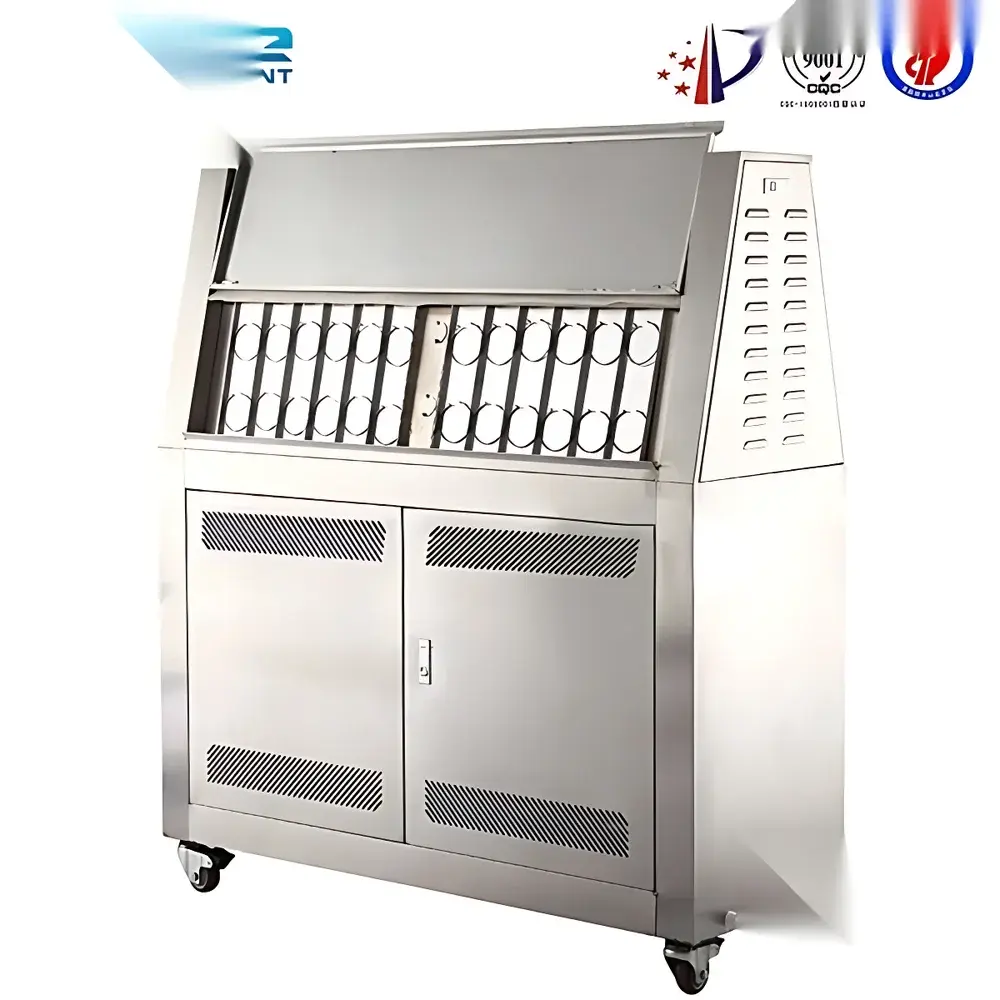
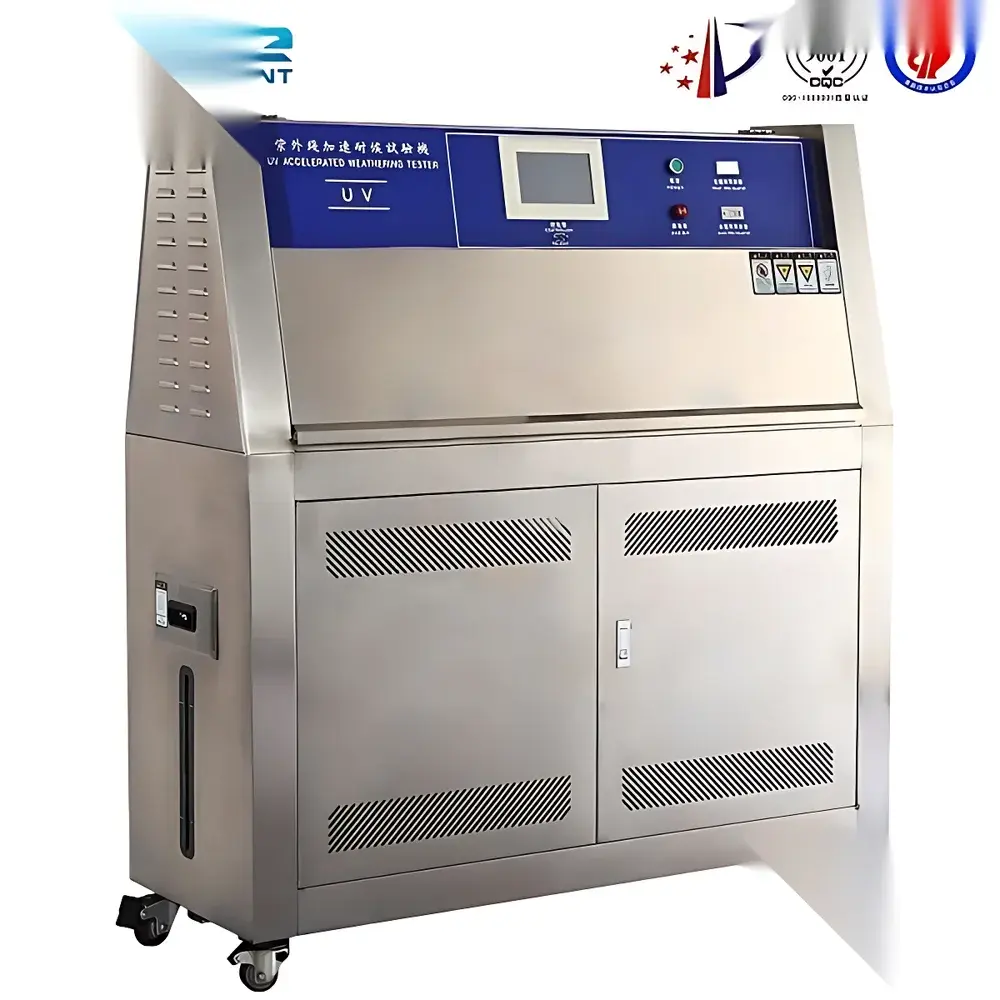
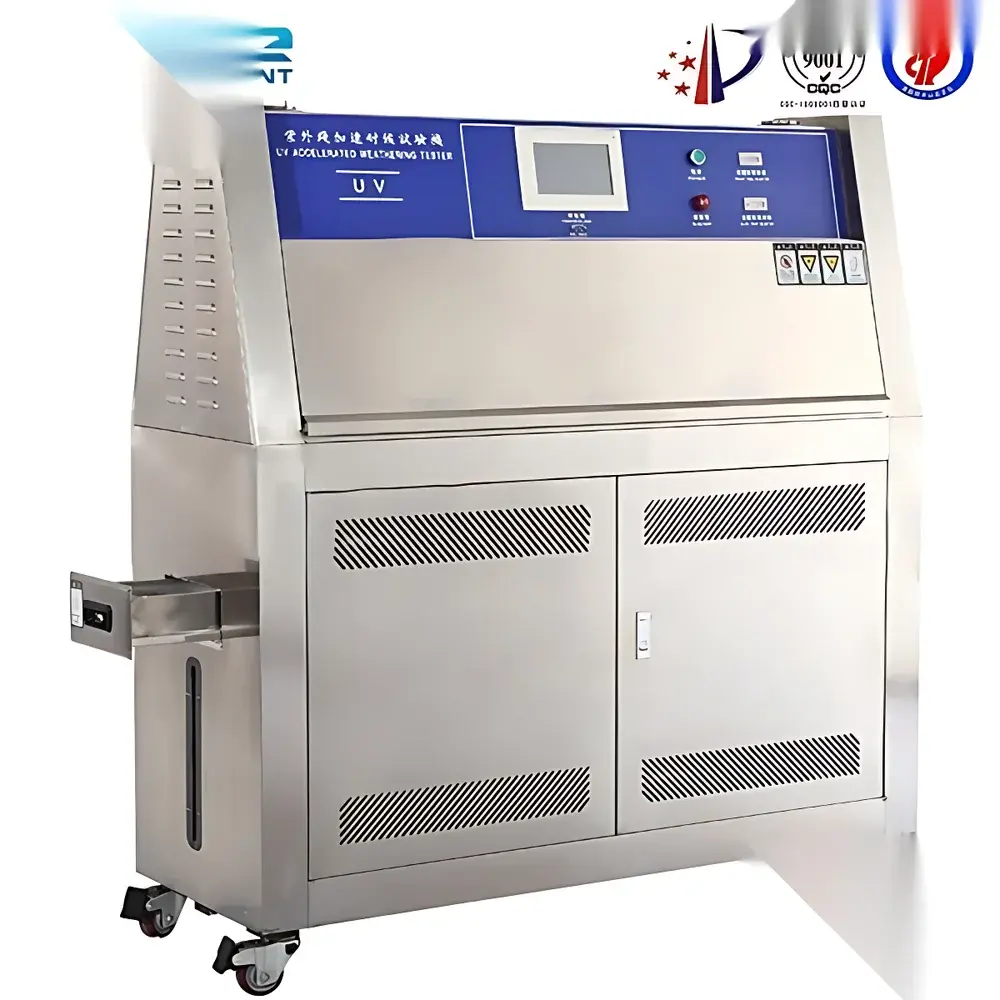
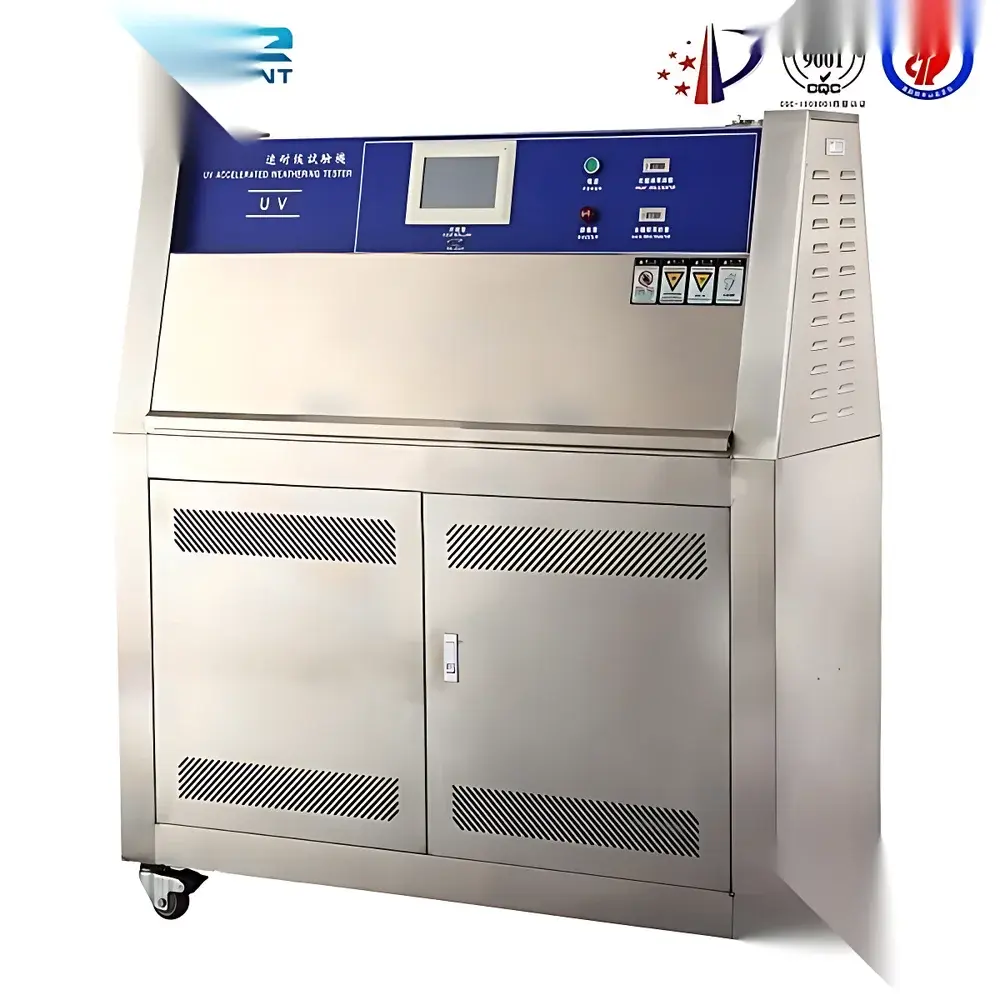
The UV Aging Test Chamber is an engineered environmental test system designed to accelerate the evaluation of material degradation under controlled ultraviolet (UV) radiation and condensation cycling. It operates on the principle of fluorescent UV lamp irradiation—specifically UVA-340 or UVB-313 lamps—to replicate the most damaging short-wavelength UV components of natural sunlight (295–365 nm). Simultaneously, a temperature-controlled condensation cycle generates dew-like moisture on specimen surfaces, mimicking real-world nocturnal humidity exposure. This dual-stress methodology enables rapid assessment of photochemical and hydrolytic degradation mechanisms in polymers, coatings, textiles, automotive trim, and architectural materials—reproducing months or years of outdoor weathering in just days or weeks.
Key Features
- Fluorescent UV lamp array (UVA-340 standard-compliant or optional UVB-313 for aggressive testing) with calibrated spectral output traceable to NIST standards;
- Programmable irradiance control (typically 0.35–1.55 W/m² @ 340 nm), adjustable via digital controller with real-time monitoring;
- Condensation cycle generated by heated water reservoir and controlled chamber wall temperature (typically 40–60 °C black panel temperature during condensation phase);
- Integrated spray function for wet/dry cycling, delivering deionized water at regulated pressure and duration per cycle;
- Stainless steel 304 inner chamber with quartz UV-transmitting lamp housing and corrosion-resistant hardware;
- Digital touchscreen controller with multi-step program storage (up to 100 user-defined cycles), real-time logging of irradiance, chamber temperature, and condensation time;
- Safety interlocks including UV lamp shutoff upon door opening, overtemperature protection, and automatic lamp cooling delay;
- Compliance-ready design: supports audit trails, password-protected parameter locking, and optional data export (CSV/USB) for GLP/GMP environments.
Sample Compatibility & Compliance
The chamber accommodates flat-panel specimens up to 75 mm thick and 150 mm × 300 mm in footprint (standard configuration), with optional sample racks for irregular geometries. It meets core requirements of ASTM G154 (Standard Practice for Operating Fluorescent Ultraviolet (UV) Lamp Apparatus for Exposure of Non-Metallic Materials), ISO 4892-3 (Plastics — Methods of exposure to laboratory light sources — Part 3: Fluorescent UV lamps), and JIS D 0205 (Automotive exterior materials testing). When operated with validated lamp calibration and routine sensor verification, it supports regulatory submissions requiring documented UV exposure history per ICH Q5C (Quality of Biotechnological Products: Stability Testing of Biotechnological/Biological Products) and FDA 21 CFR Part 11–compliant software add-ons (available upon request).
Software & Data Management
The embedded controller records irradiance (W/m²), chamber air temperature, black panel temperature, condensation duration, and spray timing at user-defined intervals (1–60 min). Data are stored internally for ≥30 days and exportable via USB to CSV format for traceability and statistical analysis. Optional PC-based software provides advanced features including remote monitoring, alarm notification (email/SMS), automated report generation (PDF with timestamped metadata), and integration with LIMS systems via Modbus TCP. All parameter changes are logged with operator ID, timestamp, and pre-/post-values—enabling full compliance with audit requirements under ISO/IEC 17025 and pharmaceutical quality systems.
Applications
- Accelerated weathering validation of automotive clearcoats, interior plastics, and headlamp lenses per SAE J2527 and GMW14124;
- UV stability screening of photovoltaic encapsulants (EVA, POE), backsheets, and adhesives per IEC 61215-2 MQT10;
- Colorfastness and gloss retention testing of architectural coatings and roofing membranes per ASTM D4587;
- Oxidative degradation kinetics studies in polymer science research (e.g., polyolefins, PVC, TPU);
- Qualification of medical device packaging materials per ISO 11607-1 Annex C (aging simulation for shelf-life estimation);
- Correlation studies between lab-scale UV exposure and field performance using reference materials (e.g., Blue Wool Standards, NIST SRM 2241).
FAQ
What UV lamp types are supported, and how often must they be replaced?
Standard configurations use UVA-340 lamps (peak at 340 nm) with a nominal service life of 1,600–2,000 hours. UVB-313 lamps (peak at 313 nm) are available for more severe testing but require replacement every 500–1,000 hours. Lamp output must be verified quarterly using a calibrated UV radiometer.
Is distilled or deionized water required for the condensation and spray systems?
Yes. Use Type II or III deionized water (resistivity ≥1 MΩ·cm) to prevent mineral deposition on lamps and specimen surfaces. Tap water or softened water is strictly prohibited.
Can this chamber operate unattended for extended cycles?
Yes—provided the water reservoir is filled to capacity, ambient room temperature remains within 15–30 °C, and ventilation meets minimum 5 air changes/hour. Remote monitoring and email alerts are recommended for >72-hour runs.
How is irradiance calibrated, and what documentation is provided?
Each unit ships with a NIST-traceable calibration certificate for the UV sensor. Annual recalibration is recommended; field verification can be performed using a handheld UV meter (e.g., Eppley TUVR or Delta OHM HD2302.2).
What personal protective equipment (PPE) is mandatory during operation?
UV-blocking safety goggles (ANSI Z87.1+ rated for 280–400 nm), nitrile gloves, and lab coat are required when loading/unloading samples or performing maintenance. Direct skin or ocular exposure to operating UV lamps must be limited to <60 seconds per session.



