
UV Aging Test Chamber – Fluorescent Ultraviolet (QUV) Weathering Tester
| Brand | Other Brands |
|---|---|
| Origin | Imported |
| Manufacturer Type | Authorized Distributor |
| Price | USD 2,650 (Reference Only) |
| Light Source | UVA-340 or UVB-313 Fluorescent Lamps |
| Cycle Modes | UV Irradiation + Condensation / UV + Spray |
| Temperature Range | 40–70°C (UV), 40–60°C (Condensation) |
| Humidity Control | 90–100% RH during Condensation Phase |
| Sample Capacity | Standard 48-position rack (75 × 150 mm specimens) |
| Compliance | ASTM G154, ISO 4892-3, JIS D0205, GB/T 14522 |
| Optional Features | Water Spray System, Black Panel Thermometer, Irradiance Monitoring Sensor |
Overview
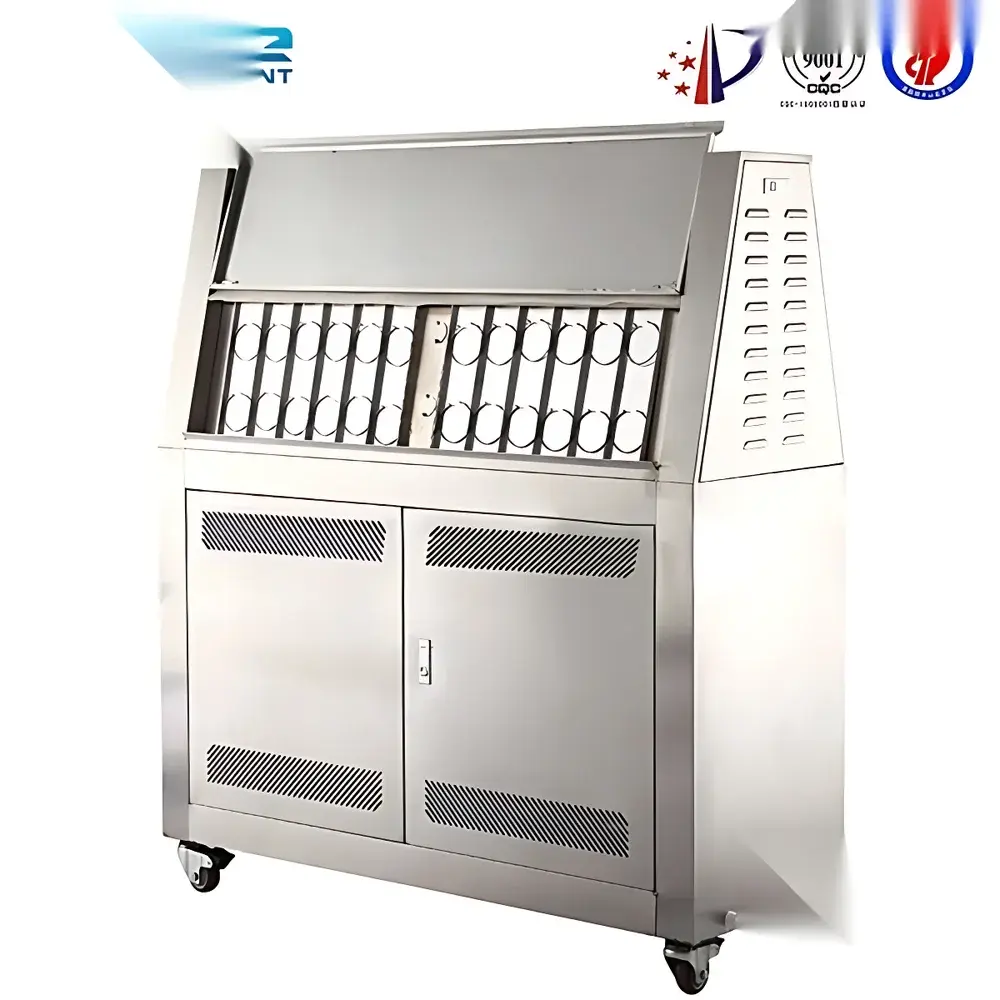
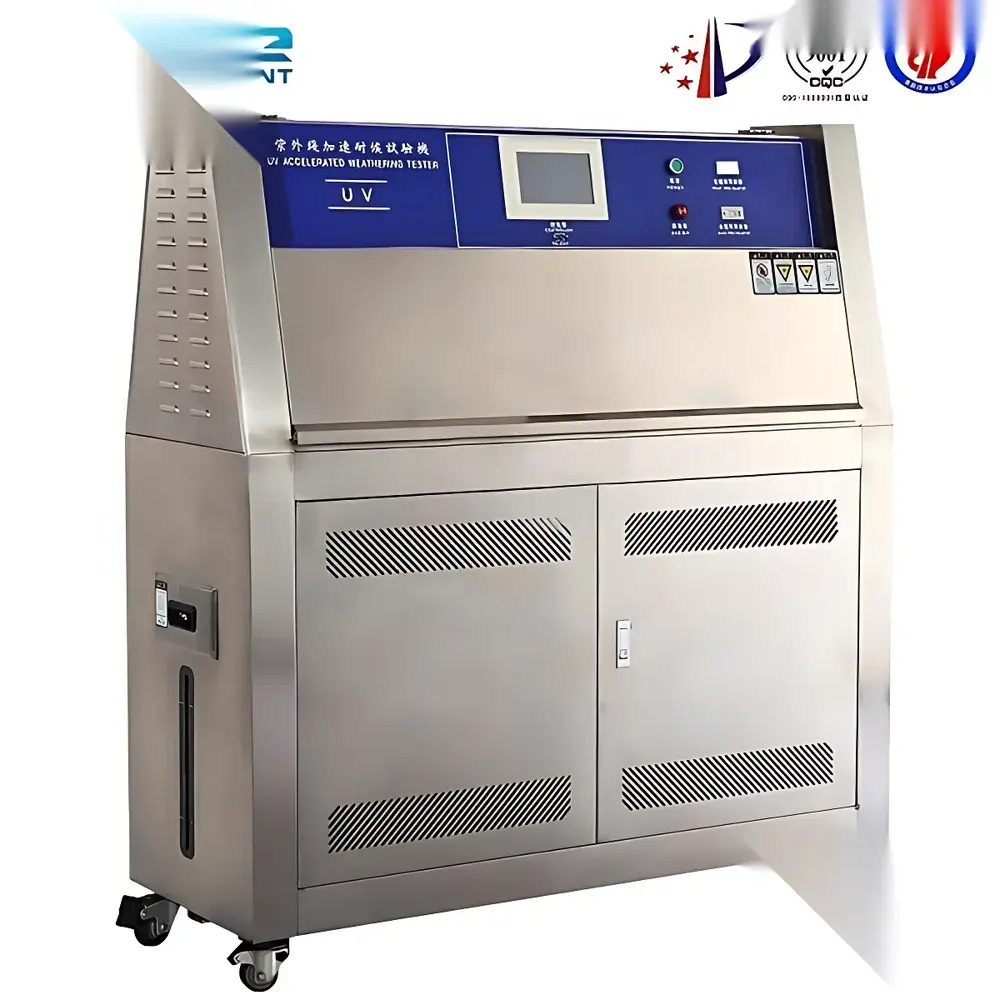
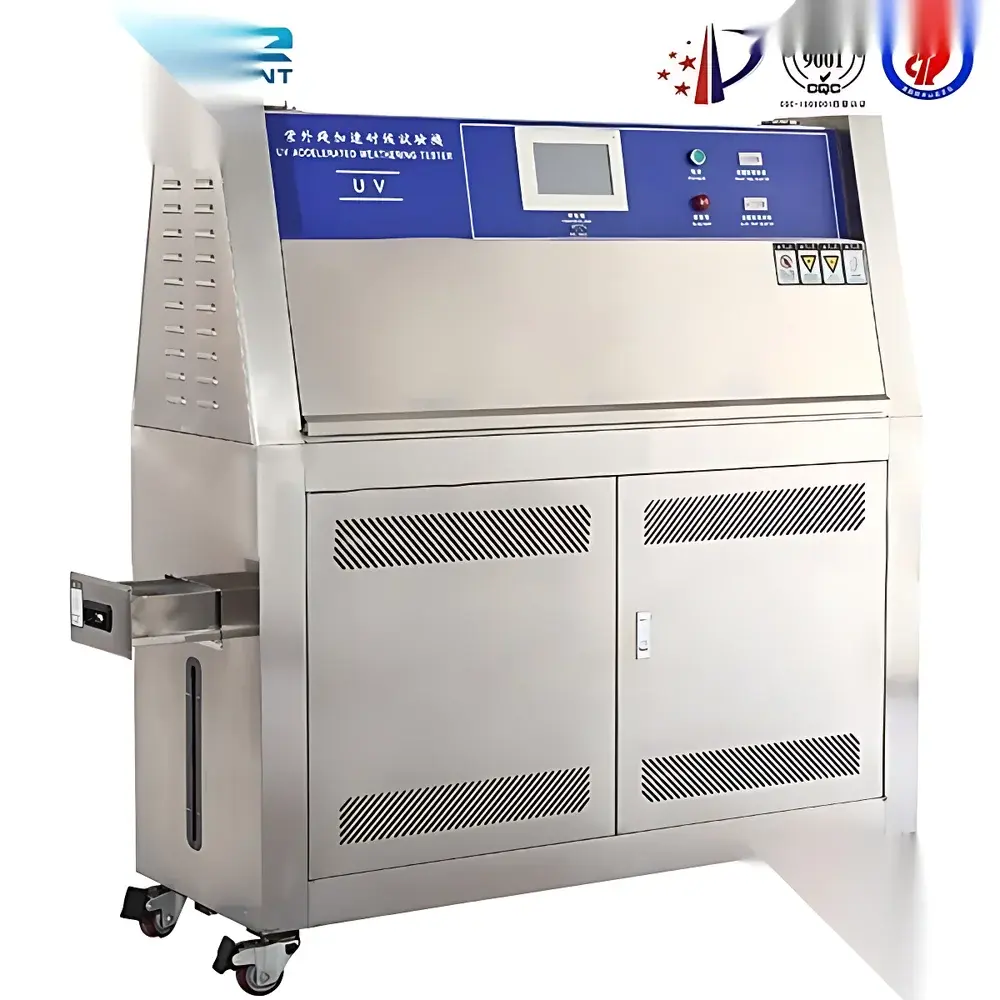
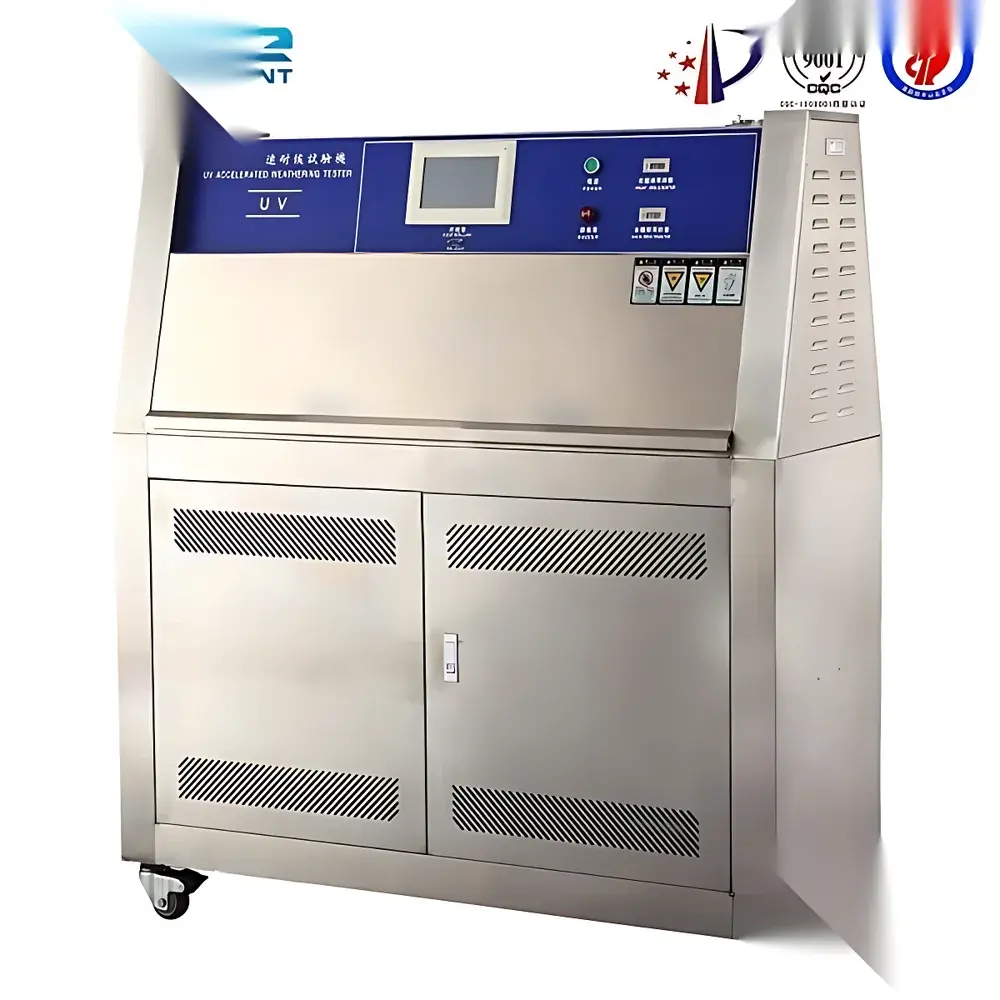
The UV Aging Test Chamber – Fluorescent Ultraviolet (QUV) Weathering Tester is an engineered environmental test system designed to accelerate material degradation under controlled ultraviolet radiation and moisture cycling. It operates on the principle of fluorescent ultraviolet lamp irradiation—primarily UVA-340 (simulating solar UV spectrum down to 295 nm) or UVB-313 (extending into shorter, more aggressive wavelengths)—combined with precisely regulated condensation and optional water spray cycles. This dual-stress methodology replicates key outdoor weathering mechanisms: photochemical bond scission induced by UV photons, hydrolytic degradation facilitated by surface moisture, and thermal aging driven by elevated chamber temperatures. Unlike broad-spectrum xenon arc testers, QUV systems deliver high-intensity, spectrally stable UV output with exceptional repeatability across laboratories and over time—making them the preferred platform for comparative durability screening in automotive coatings, polymer formulations, architectural finishes, and photovoltaic encapsulants.
Key Features
- Fluorescent UV lamp arrays with standardized spectral output (ASTM G154 Class I/II compliant), offering selectable UVA-340 or UVB-313 configurations
- Programmable multi-step exposure cycles integrating UV irradiation, condensation (via bottom-mounted water reservoir and heated chamber walls), and optional front-panel water spray
- Digital PID-controlled temperature regulation for both UV and condensation phases, with black panel thermometer (BPT) monitoring for surface-relevant thermal profiling
- Stainless steel 304 interior chamber with seamless welded construction, corrosion-resistant hardware, and UV-stable gasketing
- Integrated irradiance monitoring sensor (calibrated traceable to NIST standards) with automatic lamp output compensation to maintain target irradiance (e.g., 0.68 W/m² @ 340 nm)
- Compliance-ready data logging: timestamped temperature, irradiance, and cycle phase records stored internally with USB export capability
Sample Compatibility & Compliance
The chamber accommodates flat, rigid specimens up to 75 mm × 150 mm × 10 mm thickness on a rotating sample rack, ensuring uniform irradiance distribution per ASTM G154 Section 7. Flexible substrates and 3D components may be evaluated using custom fixtures subject to shadowing validation. All operational parameters adhere strictly to internationally recognized weathering standards—including ASTM G154 (Standard Practice for Operating Fluorescent Ultraviolet (UV) Lamp Apparatus for Exposure of Non-Metallic Materials), ISO 4892-3 (Plastics — Methods of Exposure to Laboratory Light Sources — Part 3: Fluorescent UV Lamps), and JIS D0205 (Automotive exterior materials testing). The system supports GLP-aligned documentation protocols when paired with validated software; full audit trails—including user login, method changes, and calibration events—can be generated to satisfy FDA 21 CFR Part 11 requirements where electronic records are employed.
Software & Data Management
The embedded controller provides intuitive menu navigation for cycle programming, real-time parameter display (irradiance, BPT temperature, chamber humidity), and alarm logging. Data export via USB flash drive yields CSV-formatted files compatible with Excel, MATLAB, or LIMS integration. Optional PC-based software enables advanced features: remote monitoring via Ethernet, automated report generation (including pass/fail criteria against pre-defined thresholds), and statistical analysis of replicate specimen performance. All firmware updates are digitally signed and version-locked to ensure integrity. Calibration certificates for irradiance sensors and temperature probes are supplied with traceability to national metrology institutes (e.g., NPL, PTB, or NIST).
Applications
This QUV tester serves critical roles in R&D and QC workflows across industries requiring predictive lifetime assessment under UV stress. Typical use cases include: evaluating UV stabilizer efficacy in polyolefins and PVC compounds; quantifying gloss retention and color shift (ΔE*ab) in automotive clearcoats per SAE J2527; assessing delamination resistance in laminated safety glass interlayers; validating weatherability of silicone sealants used in façade systems; and screening anti-reflective coatings on solar module cover glass. Its accelerated correlation to field exposure—typically 1 day in QUV ≈ 2–4 weeks of subtropical Florida sunlight—enables rapid iteration of material formulations without compromising scientific validity.
FAQ
What UV lamp types are supported, and how do they differ?
UVA-340 lamps replicate terrestrial solar UV down to 295 nm and are recommended for general-purpose weathering. UVB-313 lamps emit shorter wavelengths (down to 280 nm) for highly accelerated, severe-condition testing—common in quality control of UV-resistant polymers.
Is condensation cycle mandatory, or can UV-only exposure be run?
Both modes are programmable: standalone UV irradiation, UV/condensation alternation, and UV/spray/condensation triphasic sequences are fully configurable via the control interface.
How often must UV lamps be replaced?
Lamp service life is rated at 1,600–2,000 hours under continuous operation. Replacement is mandated upon reaching end-of-life threshold or observed irradiance deviation exceeding ±5% from setpoint.
Does the system meet regulatory requirements for pharmaceutical packaging stability studies?
While not intended for ICH Q1B photostability testing (which requires xenon arc), this QUV chamber is routinely deployed for supplementary UV screening of primary packaging polymers under internal quality specifications aligned with USP .
Can third-party calibration services be performed onsite?
Yes—certified field service engineers provide annual irradiance and temperature calibration with documented uncertainty budgets, traceable to ISO/IEC 17025-accredited laboratories.



