
UV Aging Test Chamber – Fluorescent Ultraviolet (QUV) Weathering Tester
| [Brand | Other Brands |
|---|---|
| Origin | Imported |
| Manufacturer Type | Authorized Distributor |
| Price | USD 2,650 (Reference Only)] |
Overview
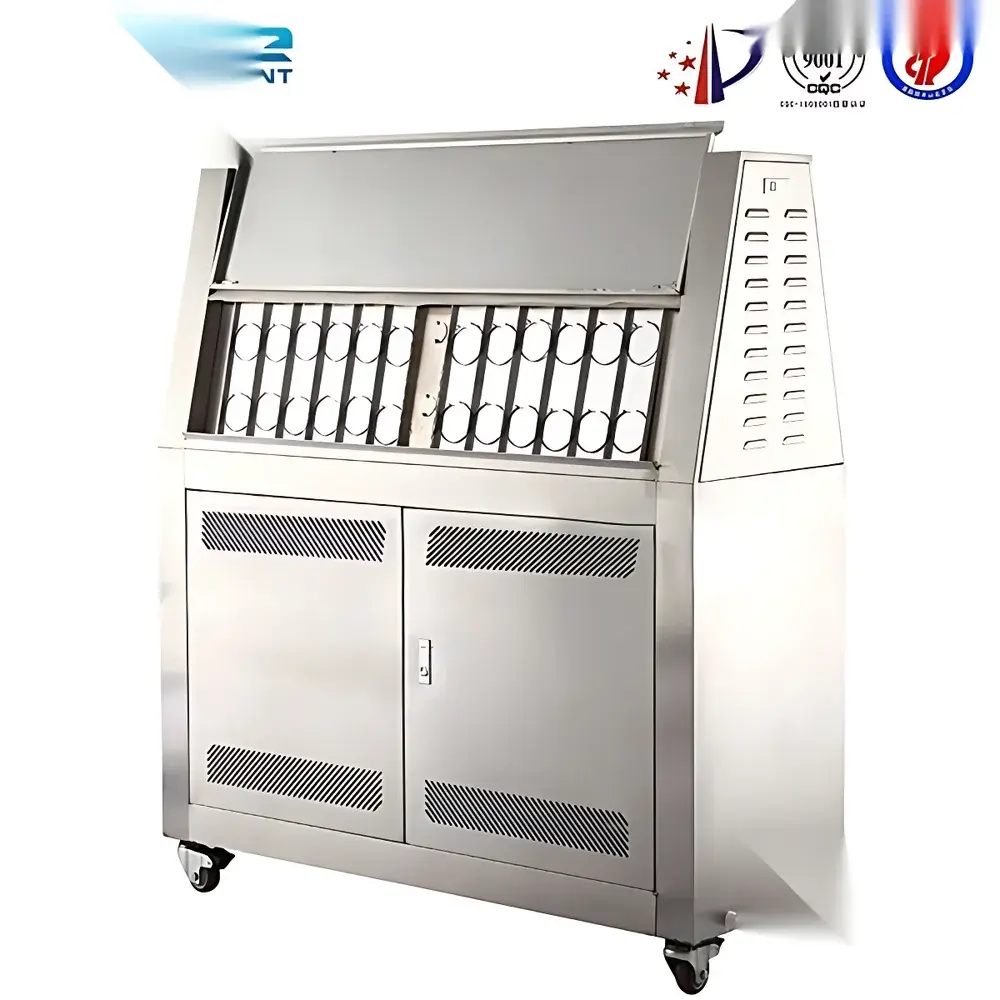
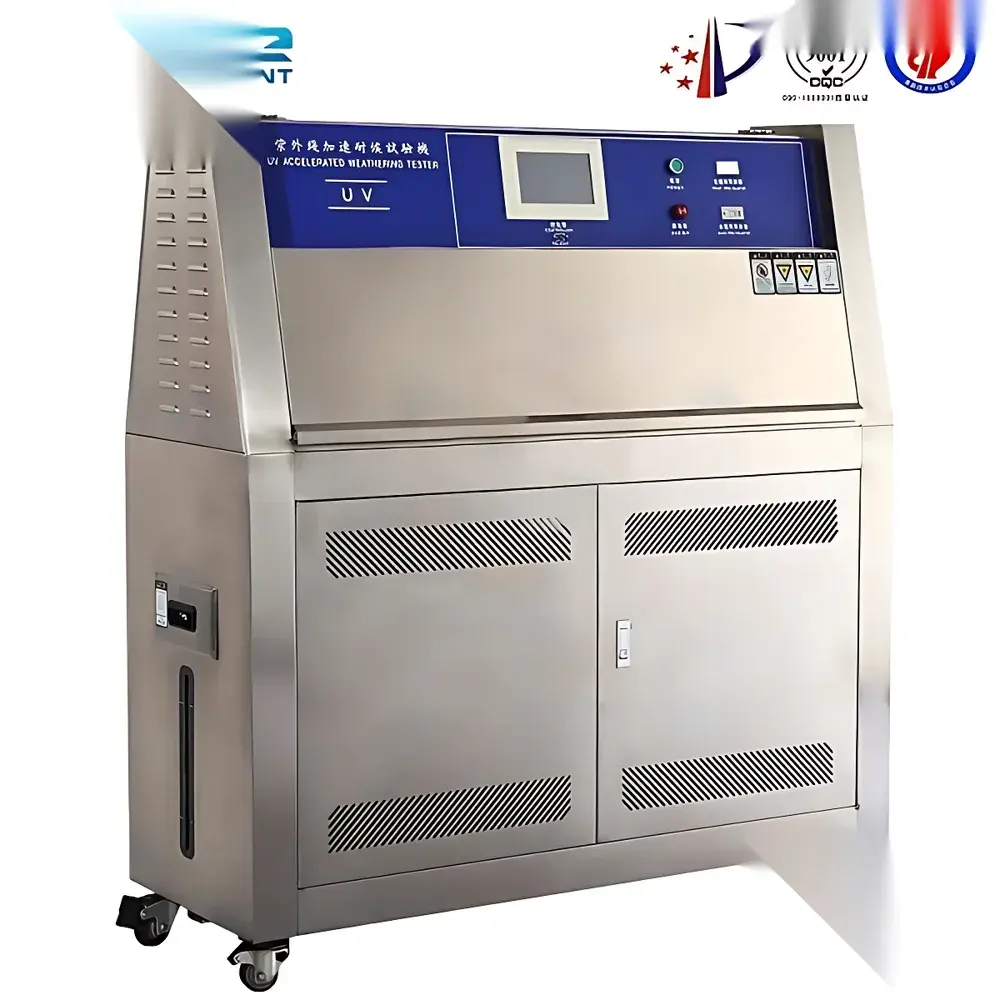
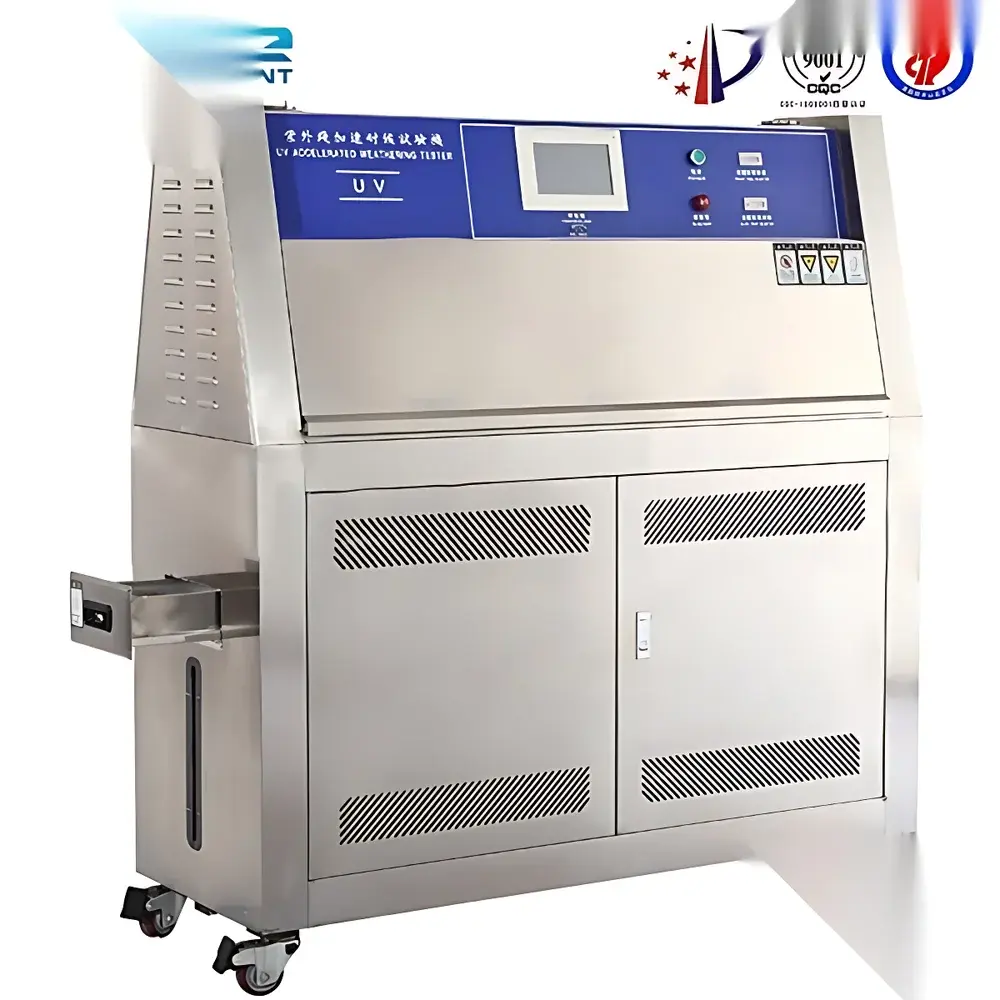
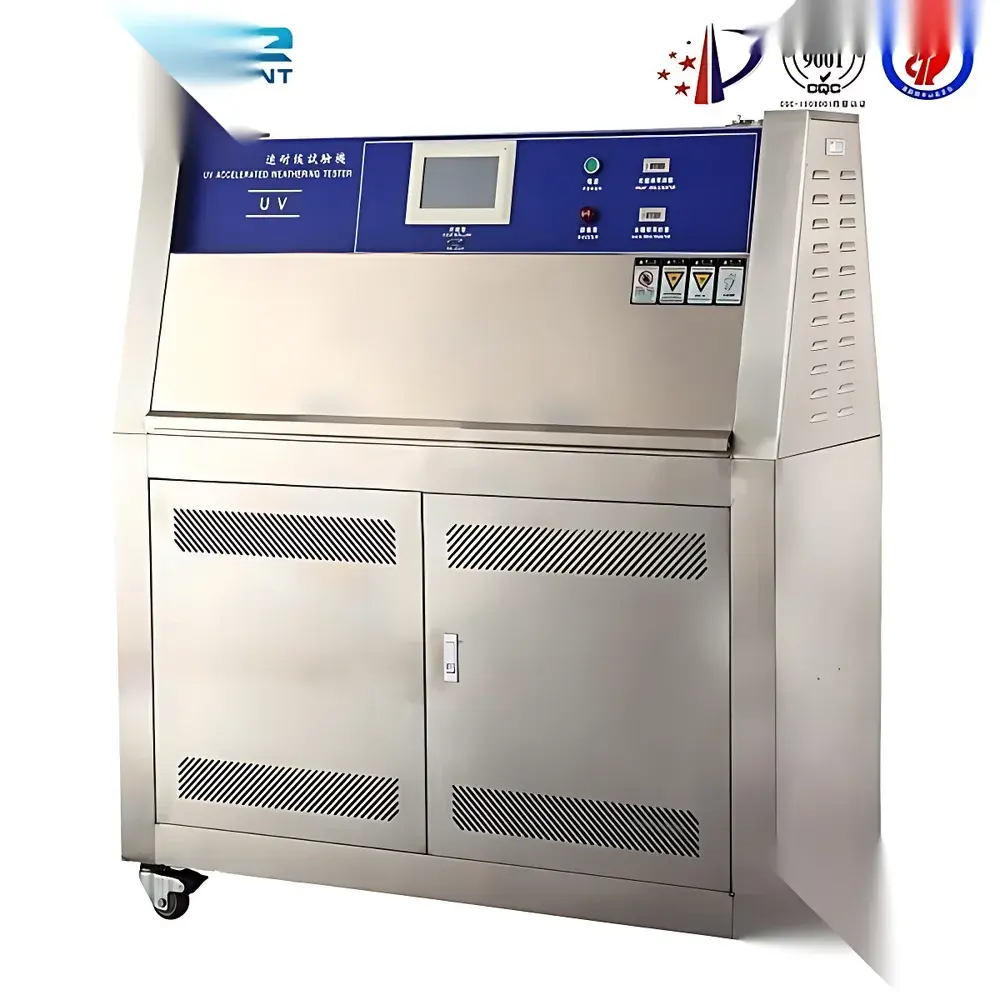
The UV Aging Test Chamber – Fluorescent Ultraviolet (QUV) Weathering Tester is an engineered environmental test system designed to accelerate the evaluation of material degradation under controlled ultraviolet radiation and condensation cycles. Based on ASTM G154, ISO 4892-3, and JIS D0205 standards, this chamber employs fluorescent UV lamps (UVA-340 or UVB-313) to replicate the most damaging portion of solar UV spectrum (295–365 nm), while a water-condensation mechanism simulates nighttime dew formation. Unlike full-spectrum xenon arc testers, the QUV system focuses specifically on UV-driven photochemical degradation—enabling rapid, repeatable assessment of polymer stability, coating durability, pigment resistance, and plastic embrittlement over days rather than months of outdoor exposure.
Key Features
- Fluorescent UV lamp array with selectable spectral output (UVA-340 for daylight simulation; UVB-313 for aggressive, accelerated testing)
- Programmable irradiance control (0.35–1.55 W/m² @ 340 nm) with integrated radiometer feedback loop
- Condensation cycle via bottom-mounted water reservoir and heated chamber walls—no external plumbing required
- Optional water spray function (ASTM D4329-compliant) for thermal shock and surface erosion simulation
- Digital touchscreen controller with preloaded test protocols (e.g., QUV/cycle, QUV/B, ISO 4892-3 Method A/B)
- Stainless steel 316L interior chamber with seamless welds and corrosion-resistant hardware
- Integrated safety interlocks: UV lamp shutoff upon door opening, overtemperature cutoff, and lamp-end-of-life detection
- Compliance-ready architecture supporting audit trails, user access levels, and calibration logging per GLP/GMP requirements
Sample Compatibility & Compliance
This tester accommodates flat-panel specimens up to 75 mm × 150 mm × 20 mm (standard rack configuration), with optional multi-tier sample holders for high-throughput screening. Compatible substrates include thermoplastics, thermosets, automotive coatings, architectural sealants, textile fibers, and photovoltaic encapsulants. The system meets critical regulatory benchmarks: ASTM G154 (Standard Practice for Operating Fluorescent Ultraviolet (UV) Lamp Apparatus for Exposure of Non-Metallic Materials), ISO 4892-3 (Plastics — Methods of Exposure to Laboratory Light Sources — Part 3: Fluorescent UV Lamps), and IEC 61215-2 (for PV module qualification). All firmware and calibration records are traceable to NIST-traceable UV radiometers, ensuring data integrity in FDA 21 CFR Part 11–governed environments.
Software & Data Management
The embedded controller supports export of time-stamped irradiance, chamber temperature, and condensation duration logs in CSV format. Optional PC-based software (QUV Manager v3.2) enables remote monitoring, multi-chamber fleet management, statistical trend analysis (e.g., ΔE* color shift vs. UV dose), and automated report generation compliant with ISO/IEC 17025 documentation frameworks. Audit trails record operator ID, parameter changes, calibration events, and alarm history—with write-protection and electronic signature capability for regulated QA/QC labs.
Applications
- Accelerated weathering validation of automotive exterior trim, headlamp lenses, and paint systems
- Photostability screening of pharmaceutical packaging films and medical device polymers
- UV resistance certification of roofing membranes, geotextiles, and marine composites
- Quality assurance for inkjet-printed signage, flexible displays, and solar reflector coatings
- R&D support for UV-curable resins, OLED encapsulation barriers, and antimicrobial surface finishes
FAQ
What UV lamp types are supported, and how do they differ?
UVA-340 lamps closely match terrestrial sunlight UV below 365 nm and are recommended for general weathering studies. UVB-313 lamps emit shorter, more energetic wavelengths (down to 280 nm) and are used for highly accelerated testing where extreme degradation is required.
Is calibration verification required before each test run?
While not mandatory per ASTM G154, daily irradiance verification using the built-in broadband sensor is strongly advised. Annual recalibration against a NIST-traceable reference radiometer is required for ISO/IEC 17025 accreditation.
Can the chamber operate unattended overnight?
Yes—provided the condensation reservoir is filled, the exhaust path is unobstructed, and safety interlocks remain functional. However, UV exposure poses ocular and dermal hazards; personnel must wear ANSI Z87.1-rated UV-blocking goggles and nitrile gloves during loading/unloading.
How often should the UV lamps be replaced?
Lamp life is rated at 1,600–2,000 hours under continuous operation. Degradation beyond ±10% irradiance deviation from setpoint triggers automatic lamp replacement alerts in the controller.
Does the system meet FDA 21 CFR Part 11 requirements for electronic records?
With optional QUVMgr software and enabled audit trail features (user authentication, immutable logs, electronic signatures), the system satisfies Part 11 criteria for regulated biopharma and medical device testing environments.



