
UV Aging Test Chamber – Fluorescent UV Accelerated Weathering Tester
| Brand | Other Brands |
|---|---|
| Origin | Imported |
| Manufacturer Type | General Distributor |
| Price | USD 2,600 (Reference Only) |
| UV Source | Fluorescent UVA-340 / UVB-313 Lamps |
| Condensation Mechanism | Integrated Cold Condensation System |
| Temperature Range | 40–70 °C (Operational Control) |
| Humidity Control | Simulated Dew via Condensation |
| Cycle Modes | UV Irradiation + Condensation |
| Compliance | ASTM G154, ISO 4892-3, JIS D0205, GB/T 14522 |
Overview
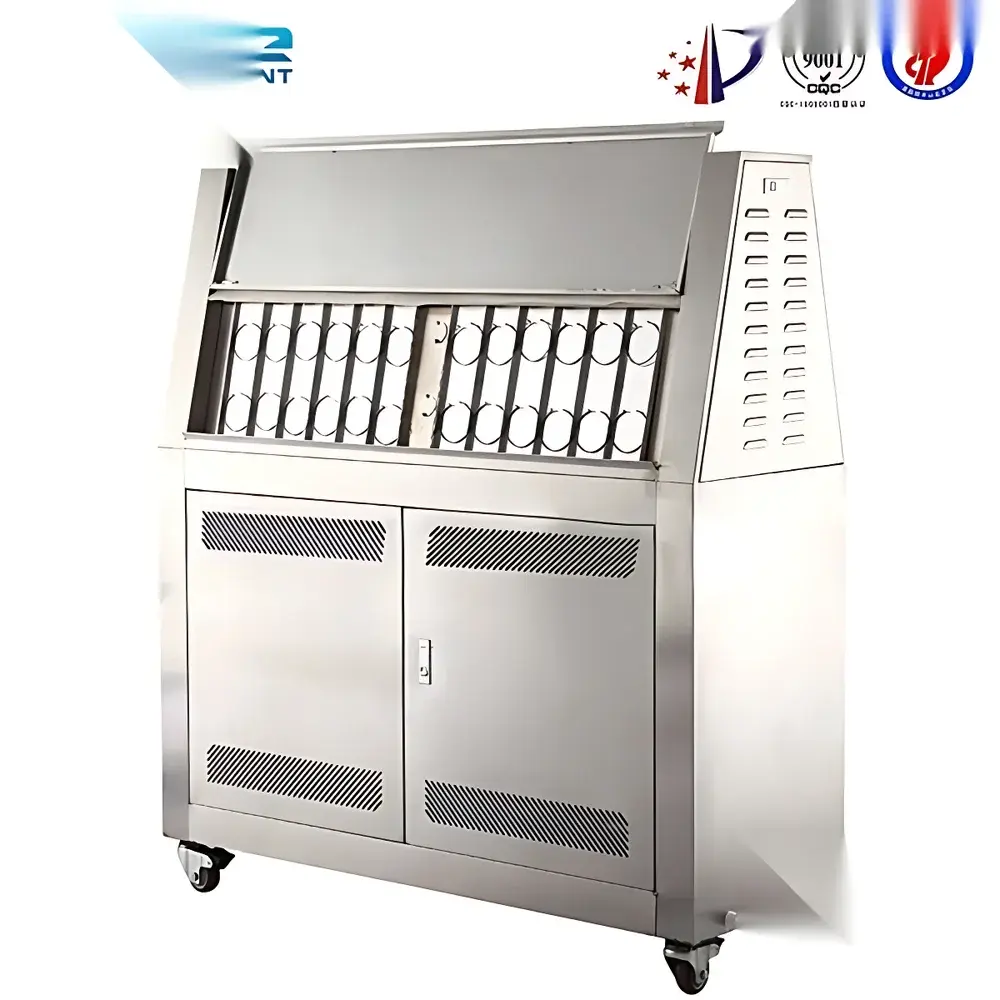
The UV Aging Test Chamber is an accelerated weathering instrument engineered for precision simulation of the degrading effects of solar ultraviolet radiation and moisture exposure on polymeric, coating, automotive, and architectural materials. It operates on the principle of controlled fluorescent UV irradiation—primarily using UVA-340 (mimicking terrestrial sunlight down to 295 nm) or UVB-313 (extending to 280 nm for aggressive stress testing)—combined with cyclic condensation to replicate dew formation. Unlike xenon arc or carbon arc testers, this chamber delivers highly reproducible, spectrally stable UV output with minimal infrared interference, enabling accelerated degradation in days rather than months. The system maintains tight control over black-panel temperature, chamber air temperature, and relative humidity during condensation phases—critical parameters defined in ASTM G154 and ISO 4892-3 for correlation with real-world outdoor exposure.
Key Features
- Fluorescent UV lamp array with selectable spectral output (UVA-340 standard for realistic sunlight simulation; UVB-313 for high-stress qualification testing)
- Integrated cold-condensation system generating uniform dew-like moisture on specimen surfaces without external water spray during condensation phase
- Optional programmable water spray function for simulating rain-induced thermal shock and surface washing effects
- Digital PID-controlled black-panel temperature monitoring (range: 40–70 °C) with ±0.5 °C stability
- Stainless steel 304 interior chamber with drain port and corrosion-resistant hardware
- UV-intensity monitoring via calibrated radiometer (optional upgrade) supporting irradiance feedback control
- Compliance-ready design: meets mechanical and operational requirements for ASTM G154 Class I & II, ISO 4892-3 Method A, and JIS D0205
Sample Compatibility & Compliance
The chamber accommodates flat-panel specimens up to 75 mm × 150 mm × 10 mm (standard rack configuration), with optional multi-tier racks for higher throughput. Compatible substrates include thermoplastics, elastomers, paints, inks, adhesives, textiles, and composite laminates. All operational protocols align with internationally recognized material durability standards—including ASTM G154 (Standard Practice for Operating Fluorescent Ultraviolet (UV) Lamp Apparatus for Exposure of Non-Metallic Materials), ISO 4892-3 (Plastics — Methods of Exposure to Laboratory Light Sources — Part 3: Fluorescent UV Lamps), and GB/T 14522 (Chinese national standard for UV aging of non-metallic materials). Data traceability supports GLP-compliant workflows when paired with audit-trail-enabled software (see Software & Data Management section).
Software & Data Management
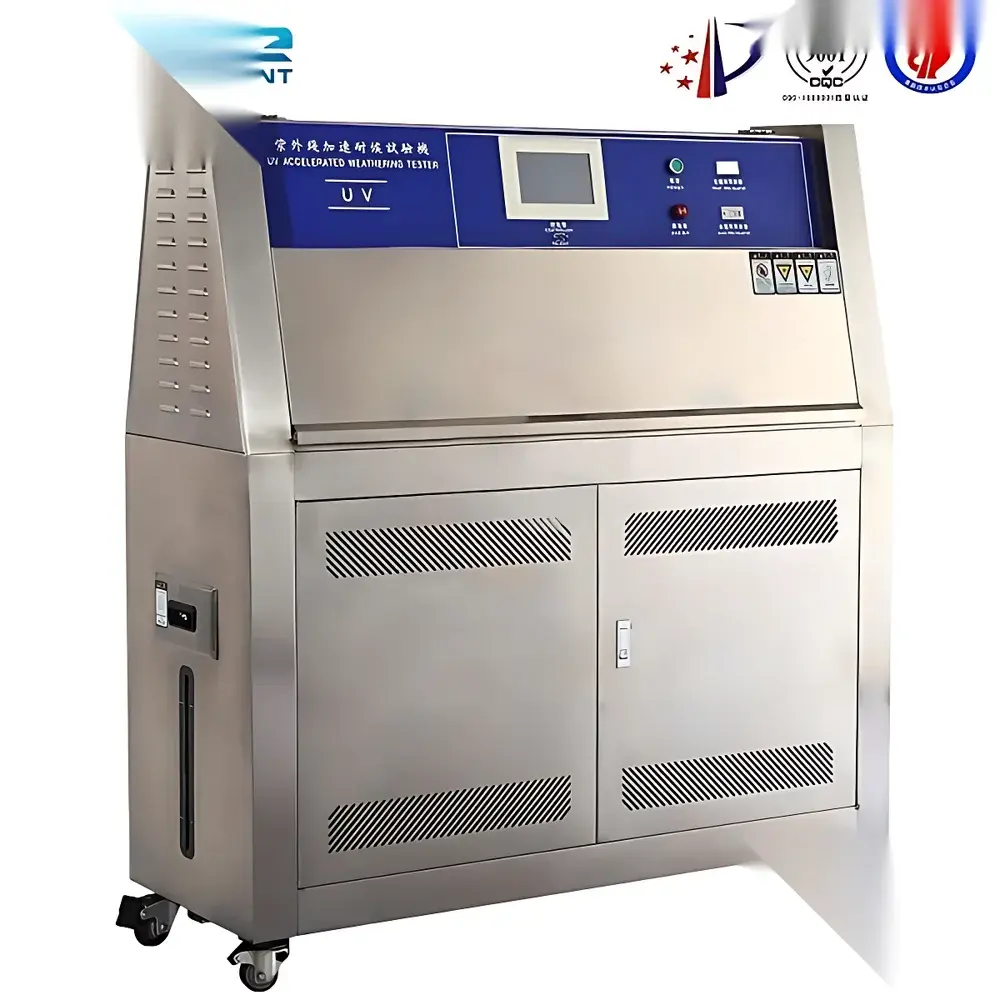
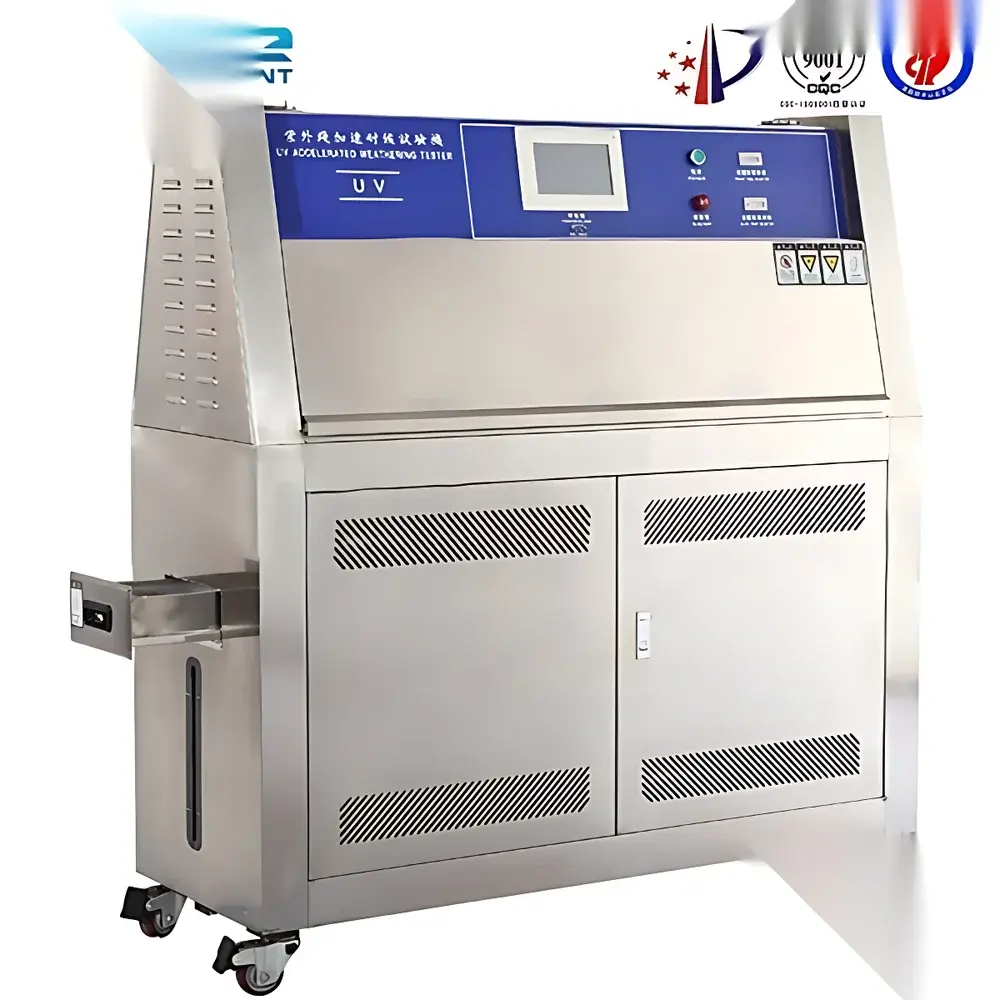
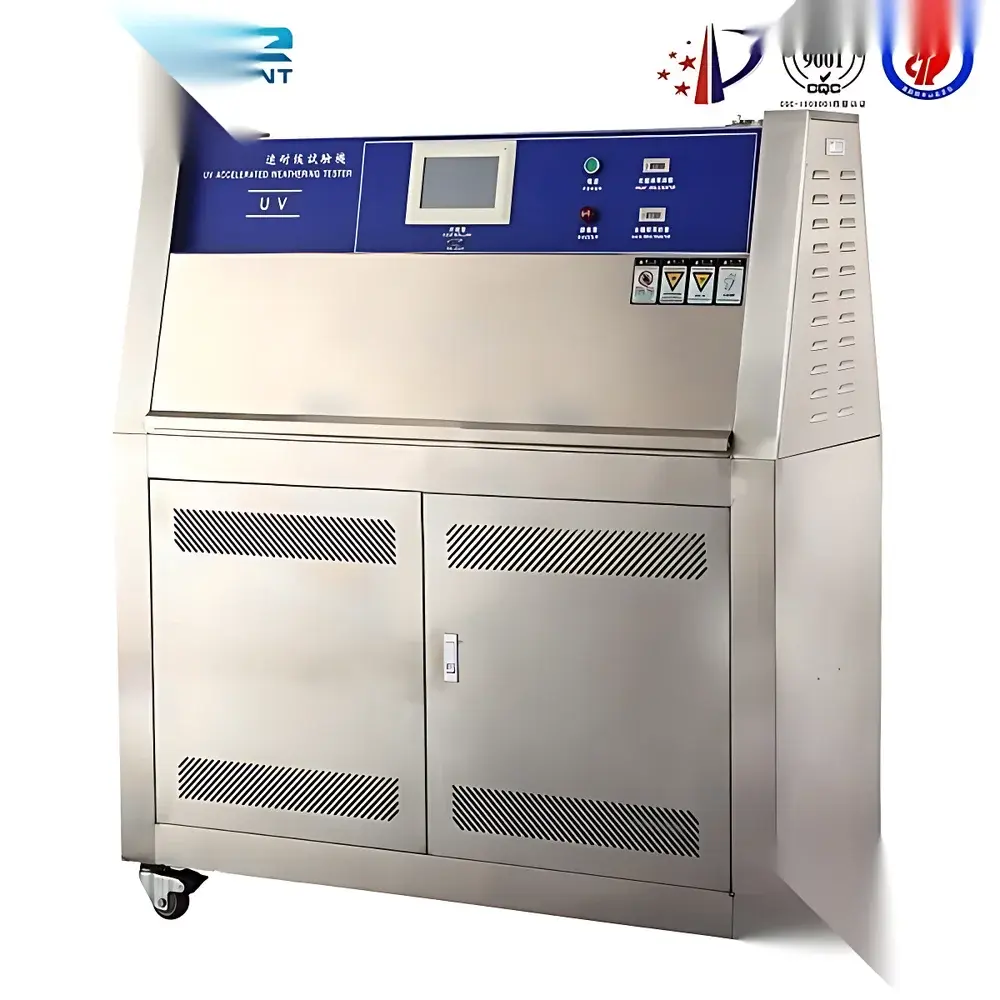
Equipped with a 7-inch color touchscreen HMI running embedded real-time OS, the chamber enables full cycle programming—including UV intensity setpoints, condensation duration, spray timing, ramp rates, and hold periods. Event logging records timestamped chamber temperature, black-panel temperature, UV lamp status, and fault codes with internal storage for ≥12 months of continuous operation data. Optional PC-based software (UV-Link Pro) provides remote monitoring, CSV export, trend analysis, and 21 CFR Part 11-compliant user access controls—including electronic signatures, role-based permissions, and immutable audit trails for regulated environments (e.g., automotive Tier-1 suppliers, medical device coating validation labs).
Applications
This UV aging tester serves critical roles across R&D, QC, and regulatory validation laboratories. Typical use cases include: evaluating UV stabilizer efficacy in polyolefin packaging films; assessing gloss retention and chalking resistance of exterior automotive clearcoats per OEM specifications (e.g., GMW14124, Ford CETP); validating weatherability of photovoltaic encapsulant EVA sheets under IEC 61215 thermal cycling + UV preconditioning sequences; screening formulation robustness of architectural sealants per ASTM C920; and supporting ISO 10993-12 biocompatibility assessments where polymer leachables are influenced by UV-induced chain scission. Its deterministic UV spectrum and repeatable condensation kinetics make it especially valuable for comparative ranking studies requiring inter-laboratory reproducibility.
FAQ
What safety precautions must operators observe when using this UV aging chamber?
Operators must wear ANSI Z87.1-compliant UV-blocking safety goggles and nitrile gloves; direct exposure to operating UV lamps must be limited to <60 seconds per session. Interlocked door switches automatically deactivate UV lamps upon opening. The chamber must be installed in a well-ventilated room with dedicated exhaust ducting.
How often should UV lamps be replaced to maintain test validity?
Per ASTM G154 Section 7.3.2, fluorescent UV lamps require replacement after 1,600 hours of cumulative irradiation or at 500-hour intervals for qualification-grade testing—whichever occurs first. Lamp age tracking is supported via built-in hour meter and software alerts.
Is calibration traceable to NIST or other national metrology institutes?
Radiometric calibration of optional UV sensors is traceable to NIST via accredited third-party laboratories (certificates provided upon request). Chamber temperature sensors are factory-calibrated against PT100 reference standards.
Can the chamber be integrated into an existing LIMS or MES environment?
Yes—via Modbus TCP or OPC UA protocol support in UV-Link Pro software, enabling bidirectional data exchange with laboratory information management systems and manufacturing execution platforms.
What maintenance tasks are required between test cycles?
After each test, users must drain condensate reservoirs, wipe interior stainless surfaces with deionized water, inspect lamp sockets for oxidation, verify drain line integrity, and cover the unit with supplied dust shield when idle. Quarterly inspection of UV reflector cleanliness and gasket integrity is recommended.
Related Products



