
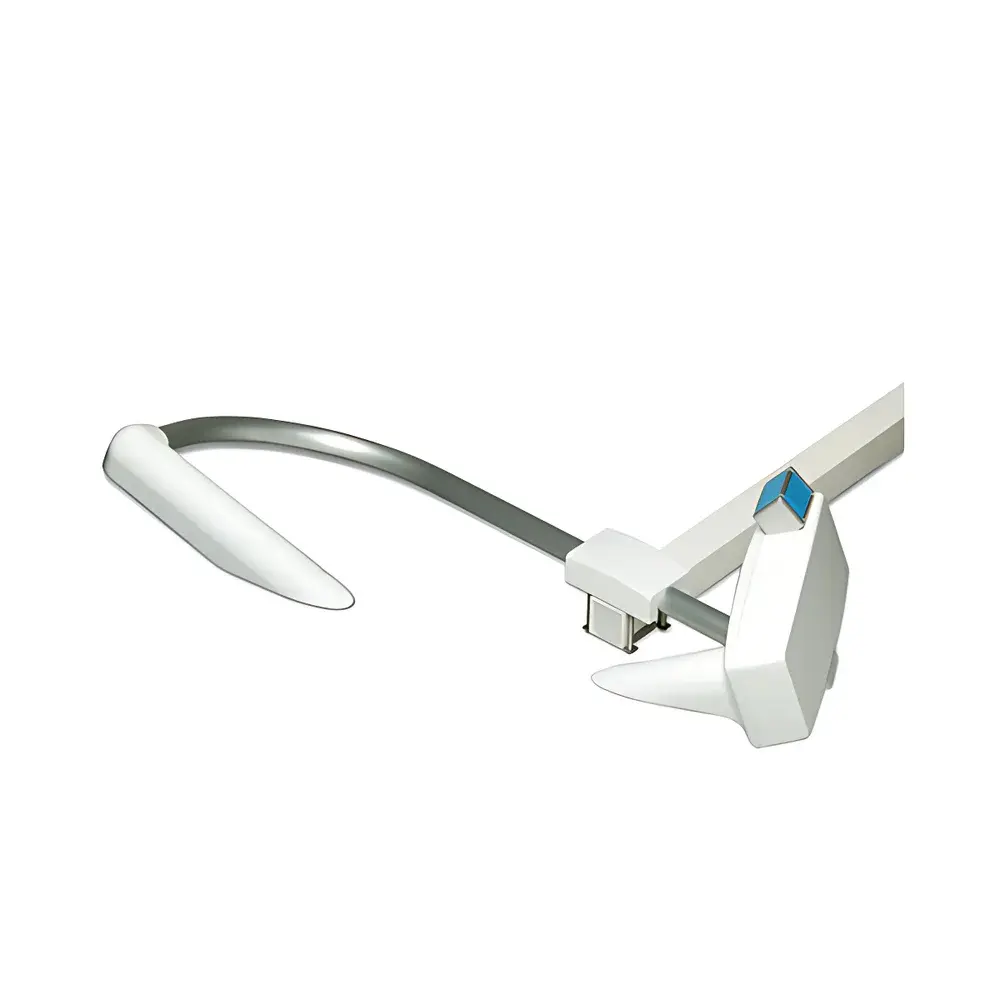
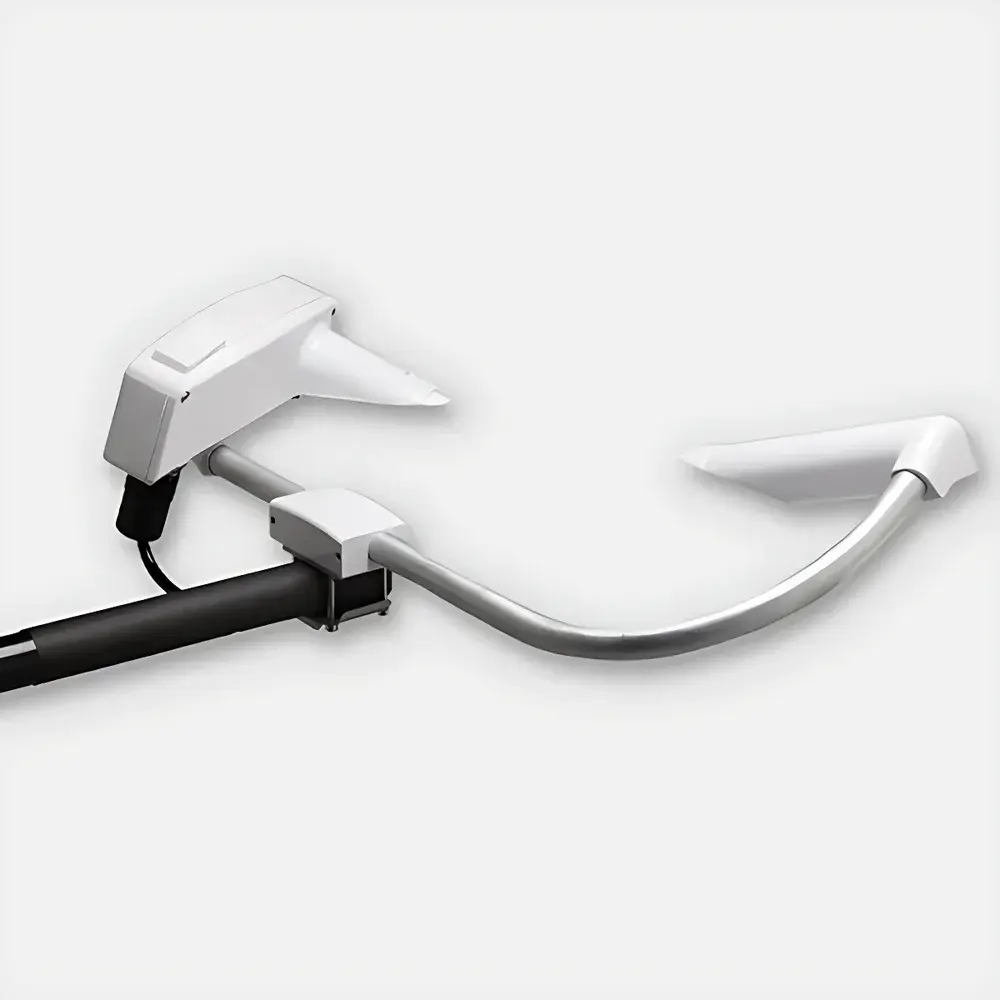
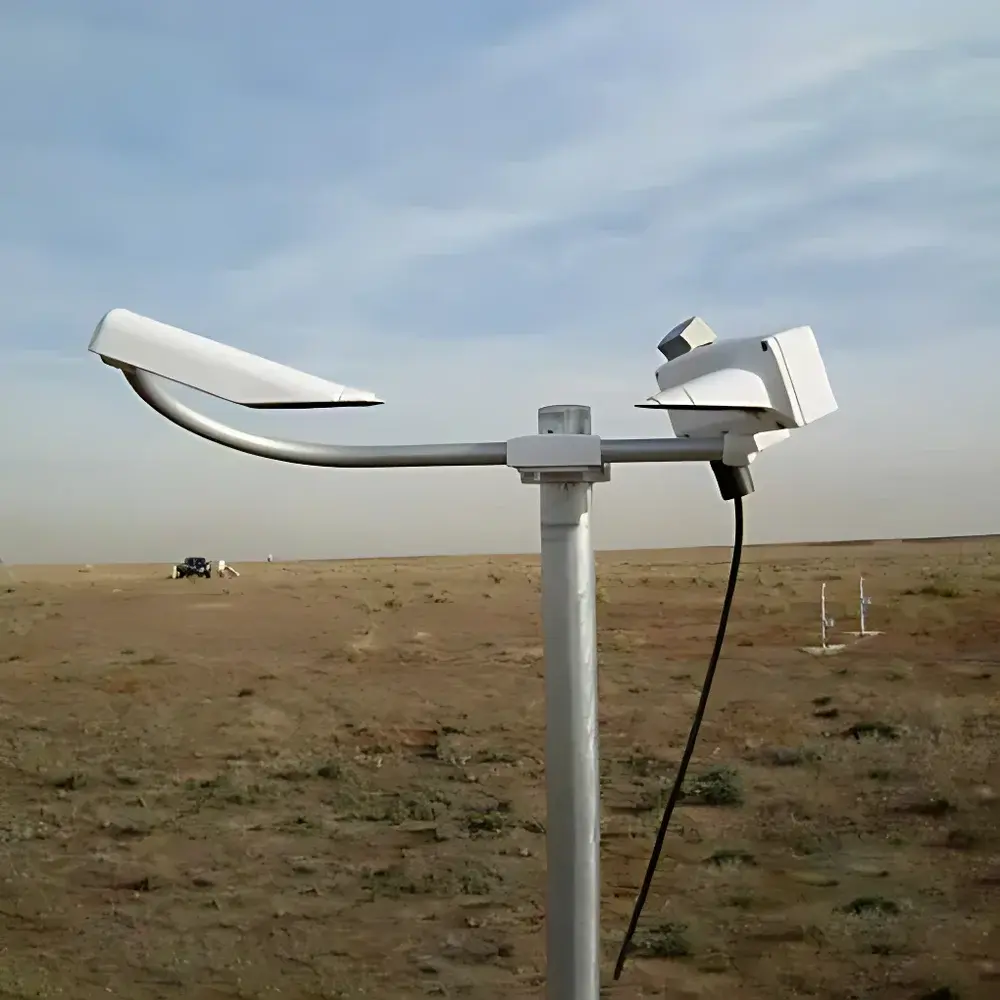
Vaisala PWD22 Weather Phenomena and Visibility Sensor
| Brand | Vaisala |
|---|---|
| Origin | Finland |
| Model | PWD22 |
| Visibility Measurement Range (MOR) | 10–20,000 m |
| Accuracy | ±10% (10 m–10 km), ±15% (10–20 km) |
| Precipitation Detection Sensitivity | ≤0.05 mm/h (within 10 min) |
| Operating Temperature | −40 °C to +60 °C |
| Power Supply | 12–50 VDC (electronics) |
| Power Consumption | 2 W (standard), 65 W (with heater) |
| Output Interface | RS-232 / RS-485 |
| Dimensions | 40.4 × 69.5 × 19.9 cm |
| Weight | 3 kg |
| Ingress Protection | IP66 |
| EMC Compliance | CISPR 16-1/-2, IEC 61000-4-2/-3/-4/-5/-6 |
| Weather Type Recognition | 7 precipitation types (rain, freezing rain, drizzle, freezing drizzle, rain/snow mix, snow, sleet), fog, haze (smoke, dust), clear sky |
| Reporting Standards | WMO FM-12 (SYNOP), FM-15 (METAR), NWS code tables |
| Precipitation Measurement | Intensity, accumulation, new snow depth estimation |
| Optical Principle | Forward scatter |
| Calibration Reference | Certified atmospheric transmissometer traceable to national standards |
Overview
The Vaisala PWD22 Weather Phenomena and Visibility Sensor is an integrated, field-proven instrument engineered for continuous, autonomous monitoring of meteorological optical range (MOR) and real-time weather phenomenon classification in unattended environments. It operates on the principle of forward scatter photometry—where a collimated infrared light beam interacts with airborne particles (aerosols, hydrometeors), and the intensity of scattered light at a defined angular range (typically 30°–50°) is quantified to derive extinction coefficient and subsequently MOR. This optical method is validated against reference atmospheric transmissometers and complies with WMO Guide to Meteorological Instruments and Methods of Observation (CIMO Guide, Chapter 12) and ICAO Annex 3 requirements for aviation visibility reporting. The sensor integrates dual RAINCAP® capacitive precipitation detection elements, high-resolution temperature and humidity sensing, and intelligent signal processing to discriminate between seven precipitation types—including freezing rain, a critical hazard for aviation and road safety—as well as fog, haze (smoke/dust), and clear-sky conditions. Its compact, low-power architecture makes it suitable for deployment in remote automatic weather stations (AWS), airport weather observation systems (AWOS), and road weather information systems (RWIS).
Key Features
- Simultaneous measurement of MOR (10–20,000 m) and automated weather type identification per WMO and NWS coding conventions
- Dual RAINCAP® capacitive sensors enabling high-sensitivity precipitation detection down to ≤0.05 mm/h within 10 minutes
- Optical path oriented downward with hydrophobic, self-cleaning lens housing and optional heated protective hood for ice/snow mitigation in sub-zero climates
- Robust mechanical design rated IP66, qualified for continuous operation across −40 °C to +60 °C and 0–100% RH
- Low power consumption (2 W nominal) compatible with solar-powered or battery-backed AWS installations
- Factory-calibrated traceably to national metrology institutes via atmospheric transmissometer intercomparison
- Embedded firmware supporting configurable output protocols: ASCII-based WMO FM-12 (SYNOP), FM-15 (METAR), and NWS code tables
Sample Compatibility & Compliance
The PWD22 is designed for outdoor atmospheric sampling without sample conditioning or inlet systems. It directly interrogates ambient air volume through its open-path optical geometry, ensuring representative measurement of naturally occurring aerosol and hydrometeor populations. No consumables, filters, or moving parts are required. The device meets stringent environmental and electromagnetic compatibility requirements essential for operational meteorology: it is CE-marked and verified per EU EMC Directive 2014/30/EU, with test reports confirming compliance to CISPR 16-1/-2 (emissions), IEC 61000-4-2 (ESD), -4-3 (radiated RF immunity), -4-4 (EFT), -4-5 (surge), and -4-6 (conducted RF immunity). While not intrinsically certified for hazardous locations, its IP66 enclosure and galvanically isolated outputs support deployment in industrial-grade meteorological infrastructure. Data integrity aligns with GLP principles; all internal diagnostics, calibration timestamps, and configuration logs are retained in non-volatile memory and accessible via serial interface.
Software & Data Management
Data output is delivered via RS-232 or RS-485 serial interface using ASCII protocol, supporting both polling and asynchronous event-driven reporting modes. Firmware includes configurable thresholds for visibility change alerts, precipitation onset detection, and weather-type transition flags—enabling integration into SCADA, AWOS, or centralized data acquisition platforms without proprietary middleware. Vaisala’s free ViewLog utility supports local configuration, real-time telemetry visualization, and firmware updates. For enterprise-scale deployments, the sensor is compatible with Vaisala’s Weather Server and third-party platforms compliant with WMO Information Technology Manual (ITM) standards. All reported METAR/SYNOP messages include embedded quality indicators (e.g., sensor health status, heater activation flag, optical contamination warning), facilitating automated data validation in accordance with WMO No. 8 and ISO/IEC 17025 traceability frameworks. Audit trails—including parameter changes, calibration events, and error logs—are timestamped and stored onboard for ≥30 days.
Applications
- Aviation meteorology: Continuous MOR monitoring for Category I/II/III approach lighting system (ALS) support and automated terminal information service (ATIS) generation
- Road weather information systems (RWIS): Early detection of freezing rain, fog, and blowing snow to trigger variable message signs and maintenance dispatch
- National meteorological services: Integration into synoptic observation networks compliant with WMO Resolution 40 and GSN/GHCN metadata requirements
- Renewable energy forecasting: Input for nowcasting models assessing visibility-related solar irradiance attenuation and wind turbine icing risk
- Environmental monitoring networks: Long-term trend analysis of haze, dust, and anthropogenic aerosol loading in urban and background sites
FAQ
How does the PWD22 differentiate freezing rain from other precipitation types?
It combines real-time capacitance-based precipitation rate estimation (RAINCAP®), ambient temperature profiling, and forward scatter signal dynamics—including particle fall velocity signatures inferred from temporal scattering pattern variance—to classify hydrometeor phase and microphysical state per WMO definitions.
Is the PWD22 suitable for coastal or high-salinity environments?
Yes—the stainless-steel mounting hardware, conformally coated PCBs, and IP66-rated enclosure provide corrosion resistance validated under ISO 9223 C3 classification testing; optional marine-grade anodized aluminum brackets are available.
Can the PWD22 meet FAA or EASA regulatory requirements for AWOS installation?
It satisfies technical performance criteria outlined in FAA Advisory Circular AC 150/5220-16D and EASA AMC 20-194 for visibility and weather type sensors when installed per Vaisala’s site-specific siting guidelines (e.g., unobstructed 360° field of view, minimum 2 m above ground level, avoidance of reflective surfaces).
What maintenance intervals are recommended for long-term accuracy?
Vaisala recommends biannual visual inspection and cleaning of the optical window using lint-free tissue and isopropyl alcohol; full recalibration is advised every 24 months or after exposure to severe contamination events (e.g., volcanic ash, wildfire smoke).
Does the PWD22 support time-synchronized data logging for networked AWS?
Yes—it accepts external 1PPS (pulse-per-second) input for hardware-level timestamp alignment and supports NTP client mode over RS-485 when connected to a gateway with Ethernet connectivity.







