
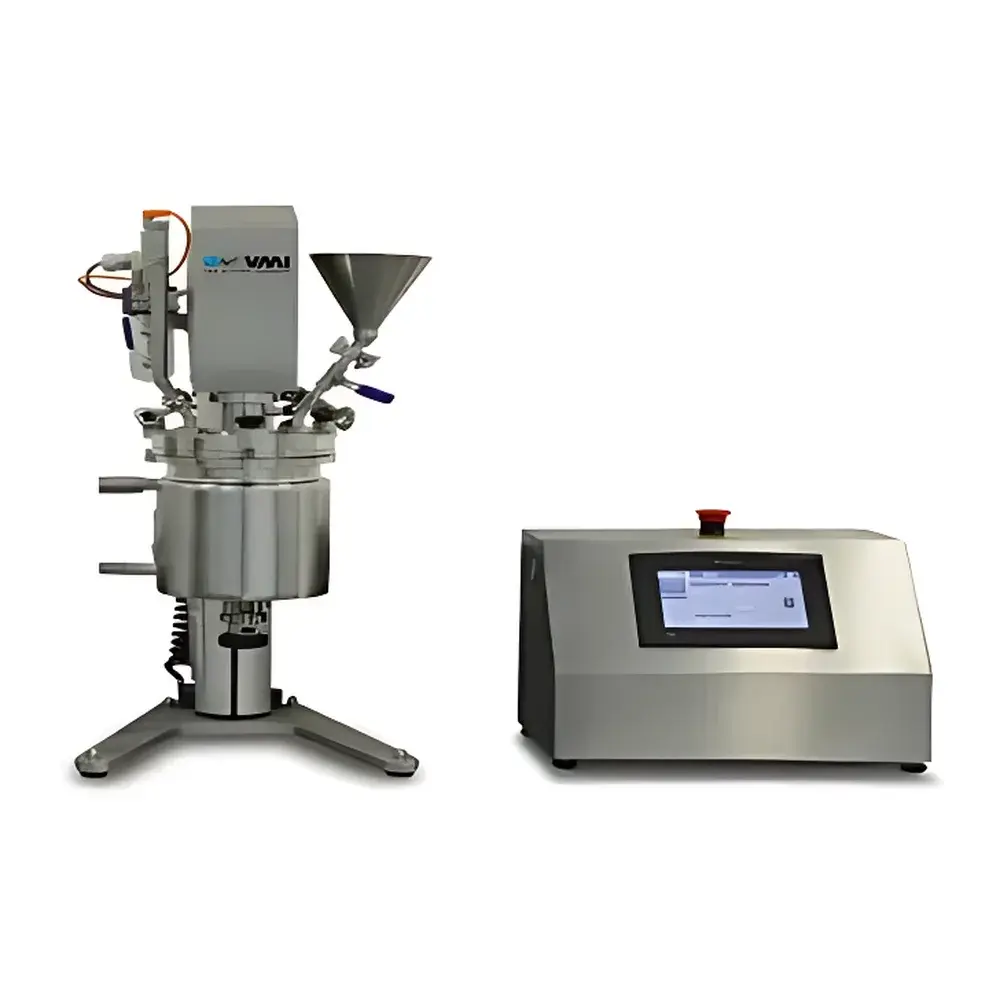
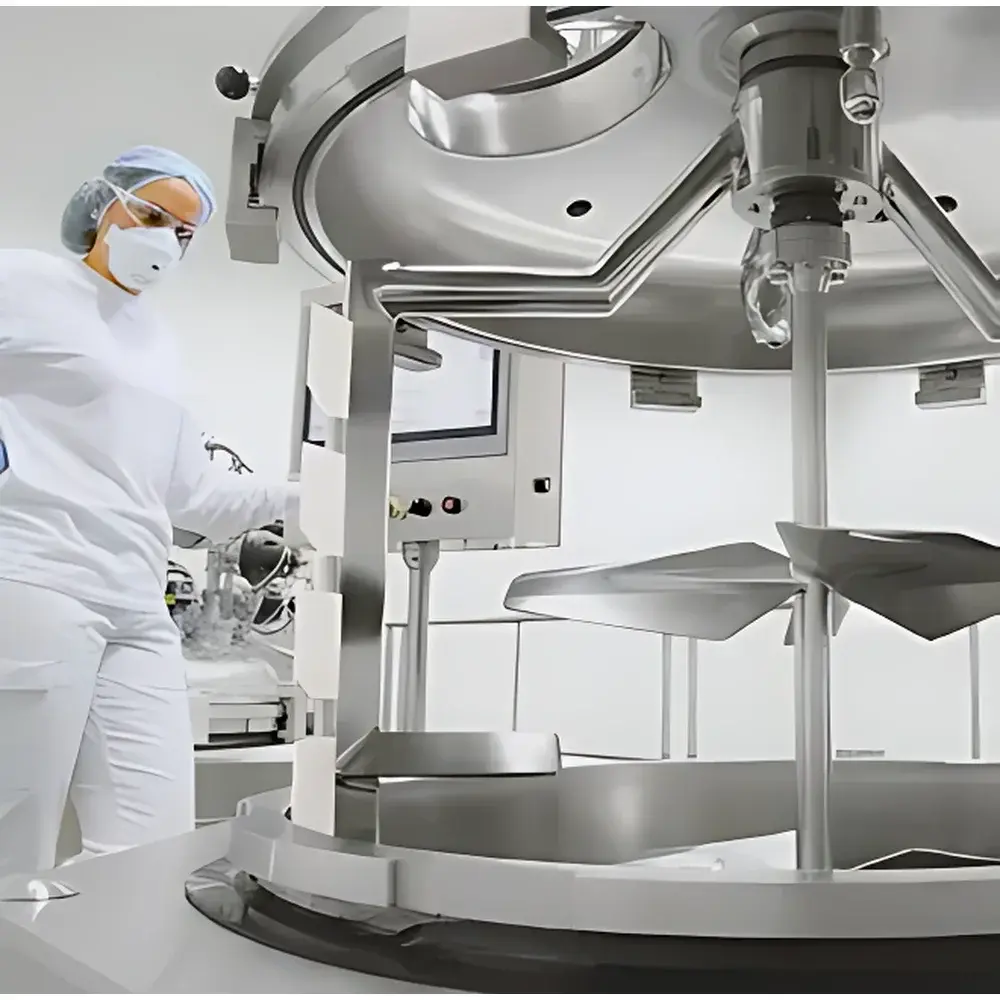
VMI Ultralab Laboratory Vacuum Homogenizer & Emulsifier
| Brand | VMI (France) |
|---|---|
| Origin | France |
| Model | Ultralab |
| Instrument Type | Probe-type Rotor-Stator Homogenizer |
| Dimensions (W×D×H) | 998 × 447 × 430 mm |
| Processing Volume Range | 50–5000 mL |
| Main Rotor Speed | –50 to –5000 rpm |
| Auxiliary Agitator Speed | 10–250 rpm (bidirectional) |
| Power | 600 W |
| Weight | 70 kg |
| Jacket Pressure Rating | 0.5 bar (gauge) |
| Vessel Pressure Range | –0.96 to +0.4 bar (absolute) |
| Temperature Control | PT100 sensor integrated |
| Electrical Supply | Dual versions — 230 V / 50 Hz (Europlug F/G) or 110 V / 60 Hz (NEMA 5-15 B-type, 2 m cord) |
| Compliance Options | UL-certified variant available |
Overview
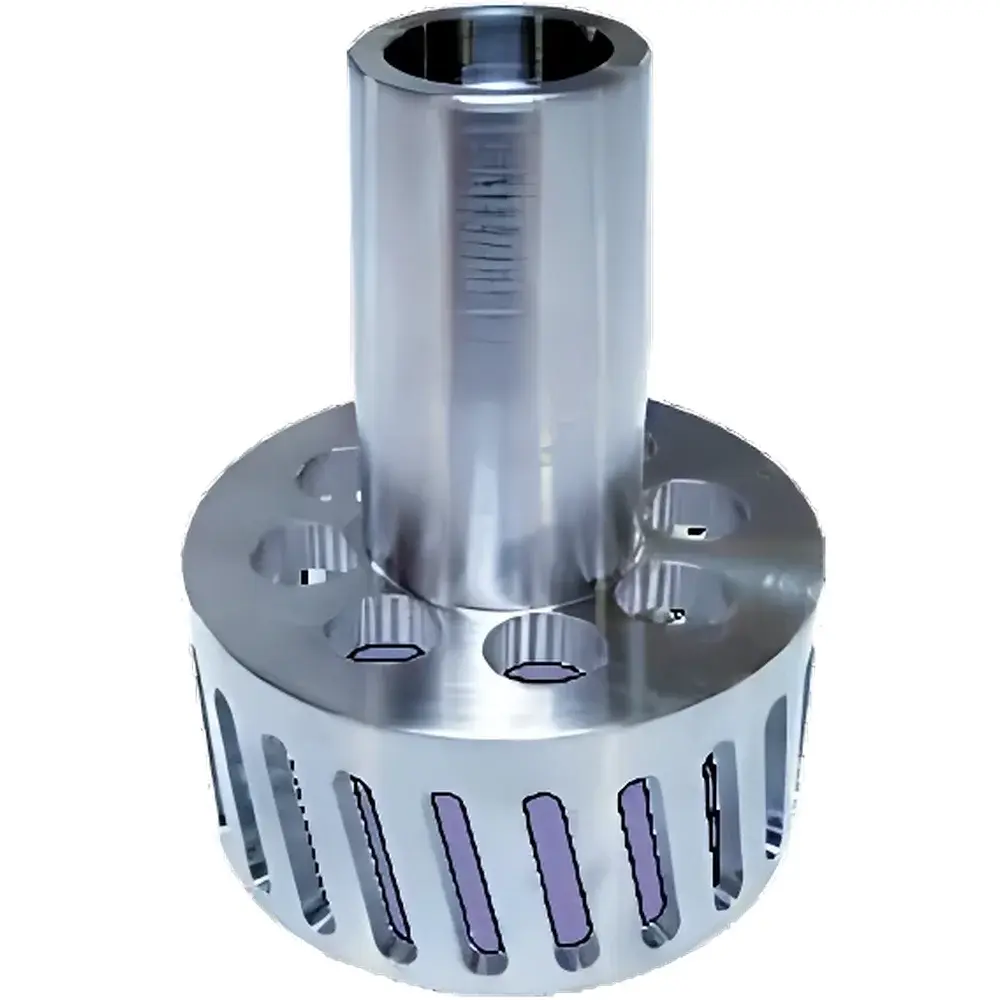
The VMI Ultralab Laboratory Vacuum Homogenizer & Emulsifier is an engineered solution for reproducible, scalable dispersion, emulsification, and homogenization of complex formulations under controlled atmospheric and thermal conditions. Based on rotor-stator shear principle—where high-speed rotation of a precision-machined rotor within a fixed stator generates intense hydrodynamic cavitation, turbulent flow, and laminar shear—the Ultralab delivers consistent particle size reduction and phase stabilization across viscosities from low-fluid liquids to semi-solids (>10,000 mPa·s). Its vacuum-capable sealed vessel enables degassing during processing, eliminating micro-bubbles that compromise stability in pharmaceutical suspensions, cosmetic emulsions, and functional food matrices. Designed explicitly for formulation development labs, the system bridges the gap between bench-scale feasibility studies and pilot-scale process validation—ensuring direct transferability of critical process parameters (CPPs) to VMI’s Trilab (pilot) and Trimix (production) platforms.
Key Features
- Dual-agitation architecture: Independently controlled main rotor-stator homogenizer (–50 to –5000 rpm) and auxiliary agitator (10–250 rpm, bidirectional) for simultaneous high-shear and gentle bulk mixing—optimized for heat-sensitive or shear-thinning materials.
- Vacuum-integrated processing: Integrated vacuum port (–0.96 bar absolute) with optional vacuum pump interface; supports in-process degassing and inert gas purging per ICH Q5C stability protocols.
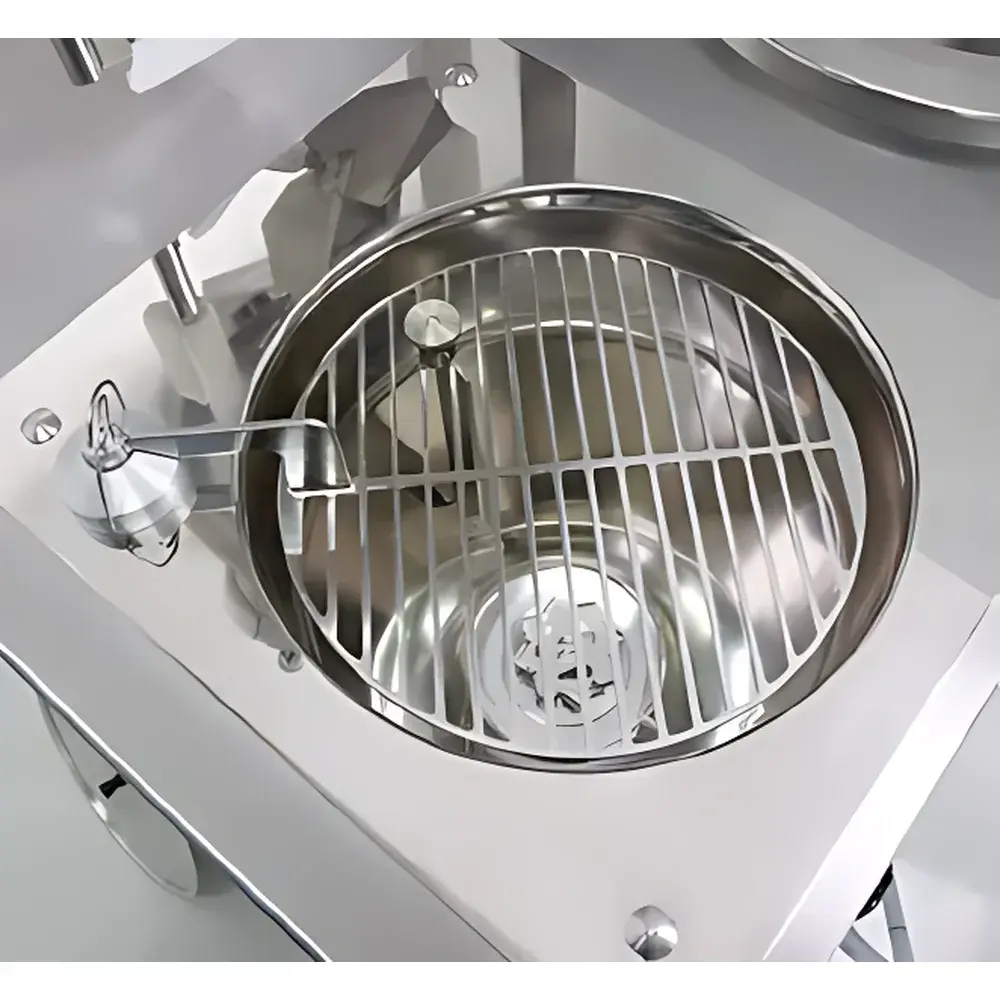
- Thermally managed vessel: Double-jacketed stainless-steel tank with PT100 temperature feedback loop; compatible with external circulators for precise thermal control (±0.5 °C) during exothermic or endothermic processes.
- Modular tooling system: Interchangeable rotor-stator geometries (Turbotest series), radial-flow turbines, axial-flow impellers, and PTFE-scraped blades—enabling coverage across 50 mL to 5 L working volumes without revalidation.
- Ergonomic operability: Motorized vertical lift column, tool-free vessel disassembly, bottom-mounted vacuum discharge funnel (500 mL capacity), and intuitive 7-inch capacitive touchscreen interface with password-protected parameter locking.
Sample Compatibility & Compliance
The Ultralab accommodates aqueous, organic, and biphasic systems—including APIs, polymer dispersions, silicone emulsions, liposomal suspensions, and high-viscosity pastes. All wetted parts comply with USP Class VI and FDA 21 CFR Part 11 material requirements (316L stainless steel, PTFE, borosilicate glass options). Vacuum operation meets ISO 8573-1:2010 compressed air purity standards when interfaced with certified filtration. Optional UL listing (for 110 V/60 Hz configuration) ensures electrical safety compliance in North American laboratories. The system supports GLP/GMP-aligned documentation through timestamped audit trails of speed, time, temperature, vacuum level, and actuator position—exportable as CSV for regulatory submissions.
Software & Data Management
The embedded control firmware records all operational parameters at 1 Hz resolution, storing up to 100 method templates with user-defined ramp profiles, hold steps, and safety interlocks (e.g., max torque cutoff, overtemperature shutdown). Data export is via USB 2.0 or Ethernet (Modbus TCP); no proprietary software required. Method files include metadata fields for analyst ID, batch number, and raw material lot traceability—facilitating alignment with Annex 11 and ALCOA+ data integrity principles. Optional integration with LabVantage or Thermo Fisher SampleManager LIMS via OPC UA enables automated workflow handoff.
Applications
- Pharmaceutical R&D: Preparation of nanoemulsions for oral delivery, sterile ointment bases, and suspension stabilizers compliant with USP and EP 2.9.38.
- Personal care formulation: High-clarity emulsions (e.g., sunscreen actives in oil-in-water systems), silicone-based conditioners, and thickened gel networks.
- Chemical specialty: Pigment dispersion in coatings, catalyst slurry homogenization, and rheology modifier activation in waterborne adhesives.
- Food & nutraceuticals: Cold-process dairy alternatives, omega-3 enriched beverages, and encapsulated probiotic suspensions requiring minimal thermal degradation.
FAQ
Can the Ultralab be validated for GMP environments?
Yes—its programmable logic controller (PLC) architecture supports IQ/OQ protocols; full validation kits including calibration certificates for torque, temperature, and vacuum sensors are available upon request.
Is rotor-stator geometry scalable to production equipment?
Affirmative—Ultralab rotor-stator designs follow VMI’s geometric similarity rules; shear rate profiles correlate directly with Trilab (25–50 L) and Trimix (200–2000 L) systems per ASTM E2919-13 guidelines.
What maintenance intervals are recommended?
Routine inspection of stator wear and shaft seal integrity every 500 operating hours; rotor balancing verification annually or after impact events.
Does the system support remote monitoring?
Standard Ethernet port enables SNMP-based network status polling and secure SSH access for firmware updates—no cloud dependency.
Are cleaning-in-place (CIP) procedures supported?
The fully drainable vessel, open-bottom design, and absence of dead-leg joints allow validated CIP cycles using 0.5–1.0 M NaOH at 60 °C for 15 minutes, followed by purified water rinse per ISPE Baseline Guide Vol. 4.



