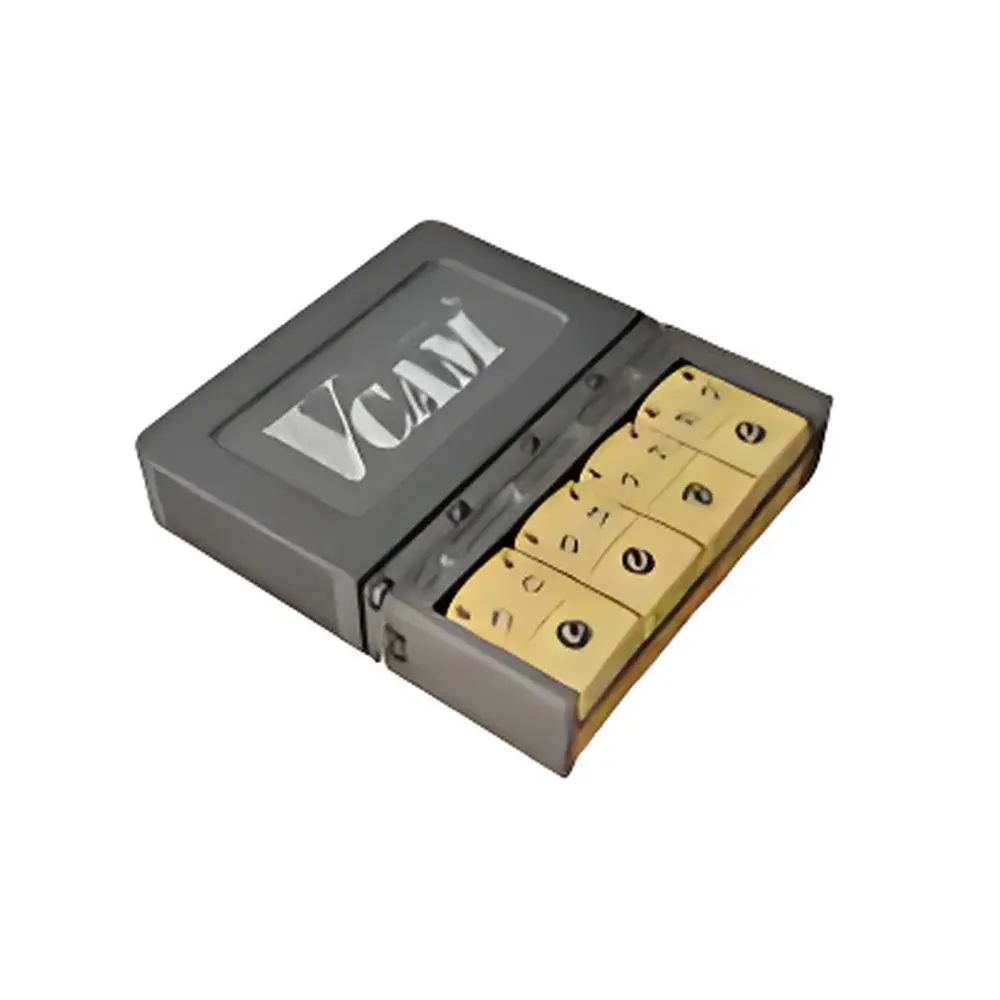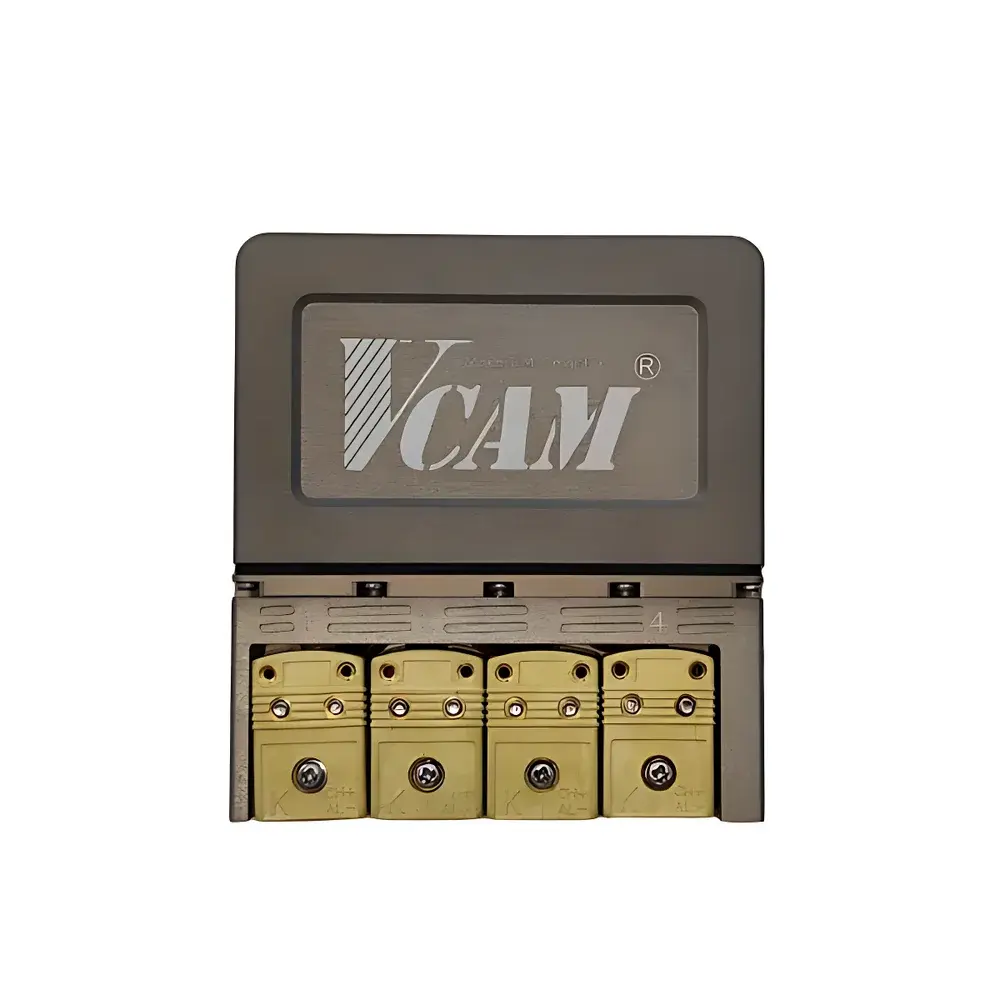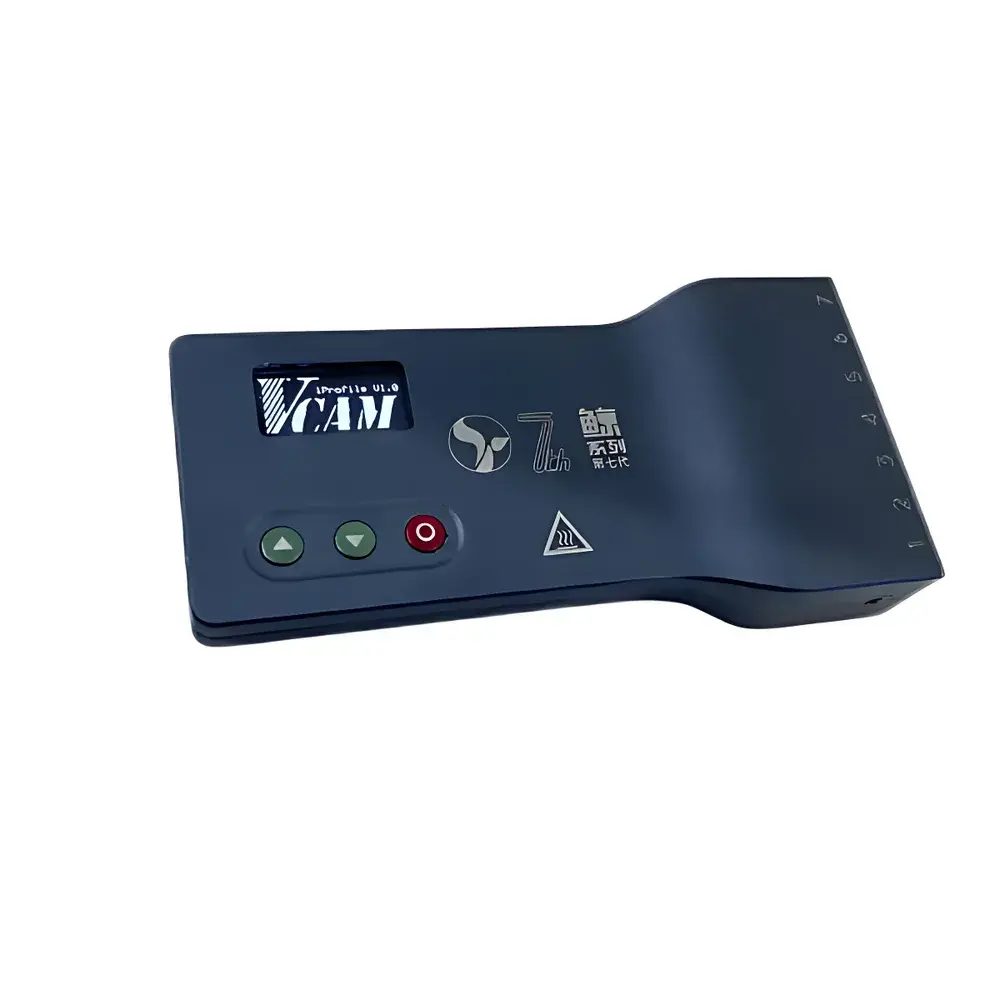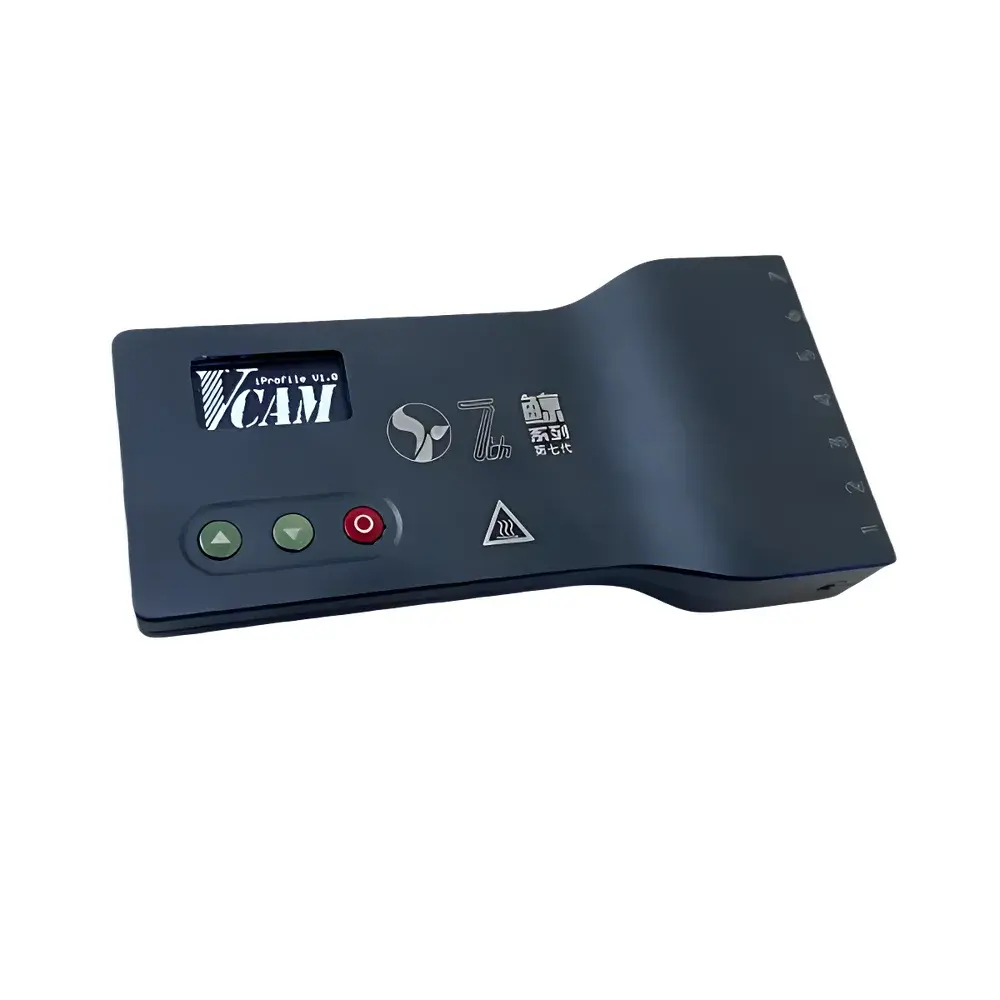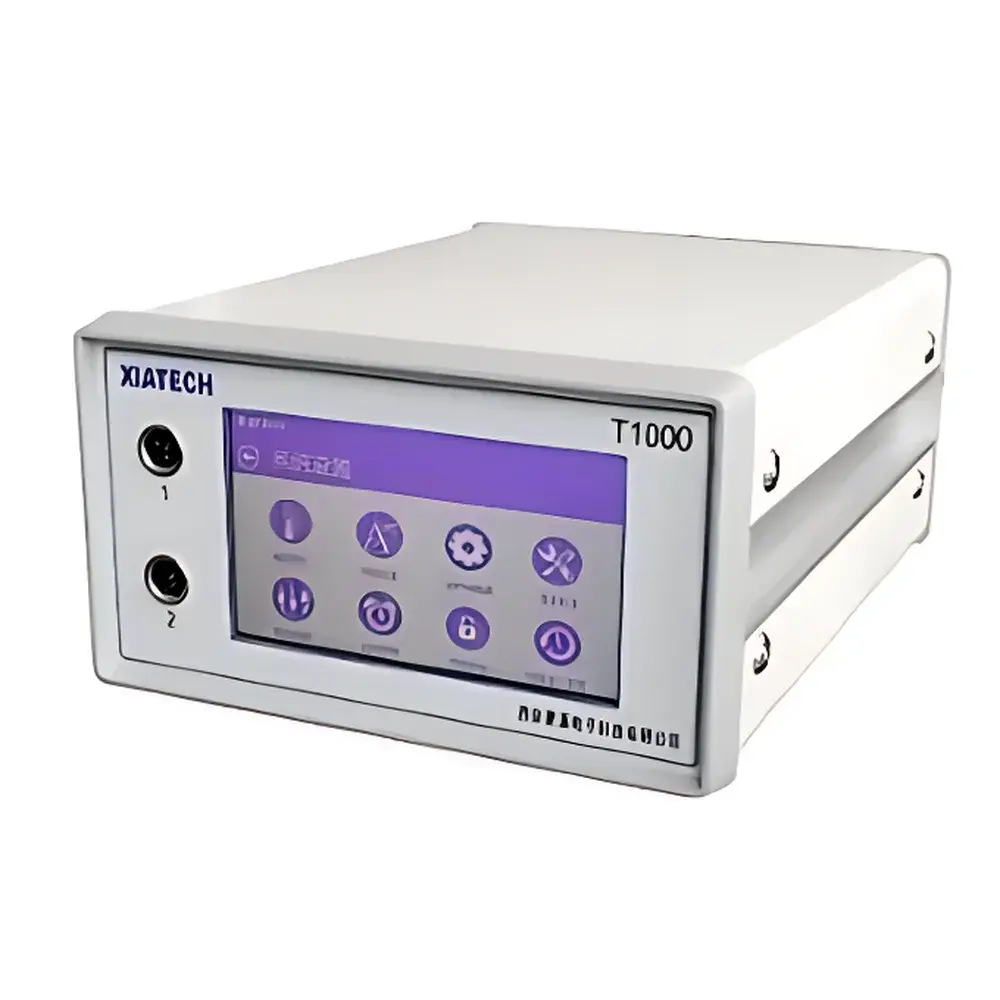
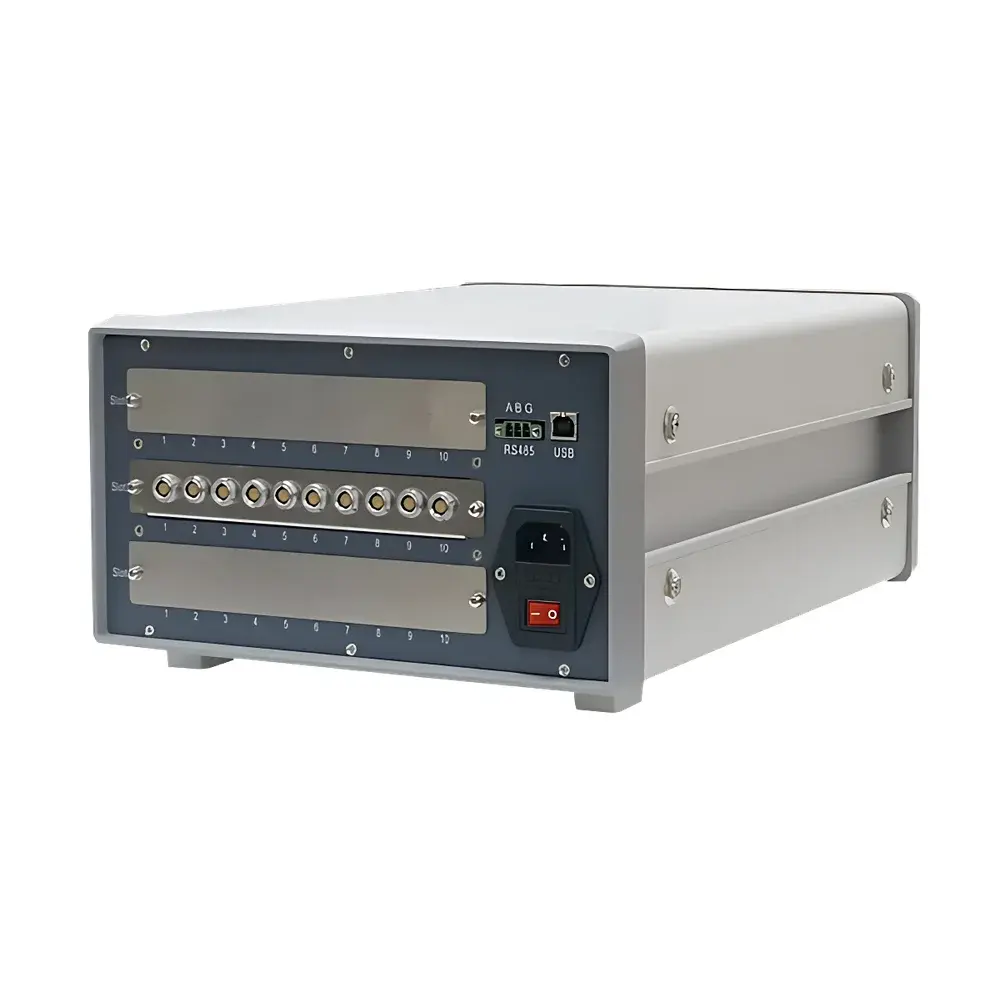
Xiatech T1000 Series Multi-Channel Precision Temperature Scanner
| Brand | Xiatech |
|---|---|
| Origin | Shaanxi, China |
| Model | T1000 Series |
| Temperature Measurement Principle | Resistance-Based (RTD) |
| Measurement Method | Contact |
| Temperature Range | −200 to +850 °C |
| Resolution | 0.001 °C |
| Accuracy | ±0.01 °C / ±0.004 Ω |
| Stability | ±3 mK / 15 min |
| Channel Count | 10 |
| Resistance Range | 0–400 Ω |
| ITS-90 Compliance | Built-in |
| Display | 7-inch Touchscreen |
| Data Interface | USB |
| Power Supply | 110/220 V AC, 50/60 Hz |
| Dimensions (L×W×H) | 365 × 260 × 160 mm |
| Operating Environment | 0–40 °C, ≤65% RH |
| Annual Drift | <5 mK/year |
| Sampling Interval per Channel | 1 s |
| Units | °C, °F, K, Ω |
Overview
The Xiatech T1000 Series Multi-Channel Precision Temperature Scanner is an engineered solution for high-accuracy, multi-point temperature monitoring in metrology laboratories, material science research, cryogenic testing, and thermal calibration workflows. Based on the fundamental principle of resistance thermometry—measuring the electrical resistance of platinum-based RTDs (e.g., Pt100, Pt1000) and converting it to temperature using the internationally accepted International Temperature Scale of 1990 (ITS-90)—the T1000 Series delivers traceable, reproducible measurements across an exceptionally wide range from −200 °C to +850 °C. Its architecture integrates low-noise analog front-end circuitry, 24-bit delta-sigma ADCs, and four-wire (Kelvin) sensing to eliminate lead resistance errors—ensuring that accuracy specifications (±0.01 °C) are maintained across the full span without interpolation or external correction tables. Designed for environments where thermal stability and long-term repeatability are critical—including ISO/IEC 17025-accredited calibration labs—the system operates with a documented stability of ±3 mK over 15 minutes and an annual drift of less than 5 mK/year, supporting rigorous uncertainty budgets required by national metrology institutes and industrial QA departments.
Key Features
- 10 independent, isolated measurement channels with simultaneous sampling and synchronized timestamping
- 0.001 °C (0.1 mK) digital resolution and full-scale accuracy of ±0.01 °C referenced to ITS-90
- 7-inch capacitive touchscreen interface with intuitive, icon-driven navigation—no specialized training required
- Built-in ITS-90 polynomial engine enabling real-time conversion from resistance (Ω) to temperature (°C/°F/K) without external software or manual lookup
- Four-wire RTD support with automatic lead compensation and configurable excitation current (0.1–1 mA)
- Onboard data logging (up to 1 million readings) with time-stamped CSV export via USB mass storage mode
- Rugged aluminum chassis and thermally stable internal reference resistors minimize environmental drift
Sample Compatibility & Compliance
The T1000 Series is compatible with standard industrial and laboratory-grade platinum resistance thermometers (PRTs), including DIN/IEC 60751 Class A and AA sensors, as well as custom-calibrated probes with resistance ranges from 0 to 400 Ω. It supports both fixed-point cell verification (e.g., triple-point of water, gallium melt) and continuous process monitoring under GLP and GMP-aligned workflows. The instrument conforms to electromagnetic compatibility requirements per IEC 61326-1 (industrial environment), and its measurement traceability aligns with ISO/IEC 17025 clause 6.5.2 for equipment calibration. While not FDA 21 CFR Part 11–certified out-of-the-box, audit-ready data logs—including operator ID, timestamp, channel metadata, and raw resistance values—can be integrated into validated systems with appropriate procedural controls.
Software & Data Management
No proprietary runtime installation is required: the T1000 functions as a USB Human Interface Device (HID) and mass storage class peripheral. Raw measurement data exports directly to CSV format with millisecond-resolution timestamps, channel identifiers, and unit-tagged columns (°C, Ω, etc.). For advanced analysis, Xiatech provides optional Windows-compatible SDK (C/C++, .NET, Python) supporting real-time streaming, remote configuration, and script-triggered calibration sequences. All firmware updates are delivered via signed binary packages with SHA-256 checksum validation. Internal non-volatile memory retains calibration coefficients and user-defined probe mappings—even after power cycling—ensuring continuity across shift changes and multi-user deployments.
Applications
- Thermal validation of environmental chambers, autoclaves, and stability test cabinets (per ICH Q5C, USP )
- Cryogenic characterization of superconductors, quantum devices, and low-temperature materials
- Calibration of secondary temperature standards against fixed points or reference PRTs
- In-process monitoring during heat treatment, sintering, and semiconductor wafer annealing
- Multi-zone temperature profiling in bioreactors, incubators, and pharmaceutical manufacturing suites
- Research-grade thermophysical property measurements (e.g., thermal conductivity, specific heat) requiring synchronized spatial-temporal data
FAQ
Does the T1000 Series support two-wire or three-wire RTD connections?
Yes—it auto-detects wiring configuration and applies appropriate compensation algorithms; however, four-wire connection is recommended for highest accuracy.
Can the device be used in vacuum or inert-gas glovebox environments?
The main unit is rated for ambient operation only (0–40 °C, ≤65% RH); probe cabling and sensor selection must be independently qualified for such enclosures.
Is ITS-90 implementation traceable to NIST or other NMIs?
The embedded ITS-90 algorithm implements the official 1990 scale coefficients published by CCT (Consultative Committee for Thermometry); users may load NIST-traceable probe-specific calibration files to extend traceability.
What is the maximum cable length supported between the T1000 and RTD probes?
For optimal noise immunity and lead resistance rejection, Xiatech recommends ≤10 m for shielded, twisted-pair cabling; longer runs require site-specific EMI assessment.
How often does the instrument require recalibration?
Annual verification against a certified reference thermometer is advised; stability performance (<5 mK/year drift) supports extended recalibration intervals under controlled lab conditions per ISO/IEC 17025 Clause 6.6.