
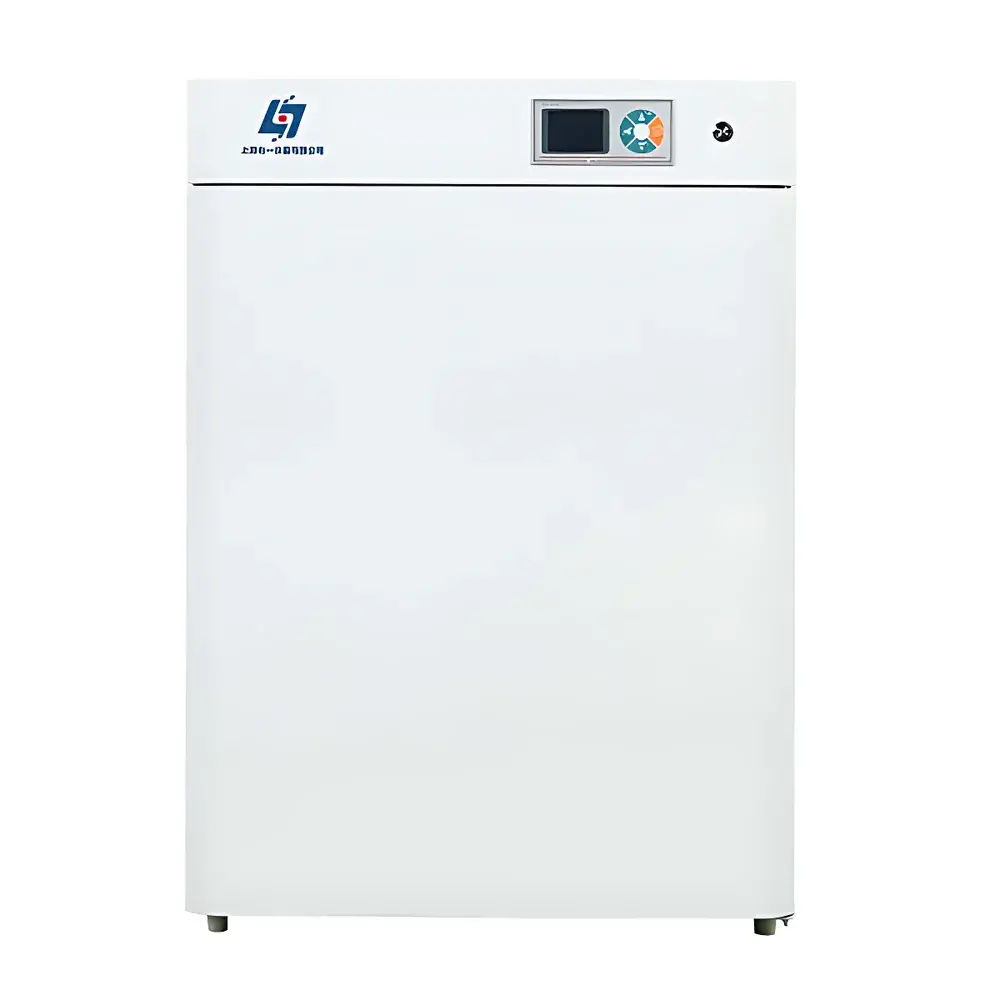
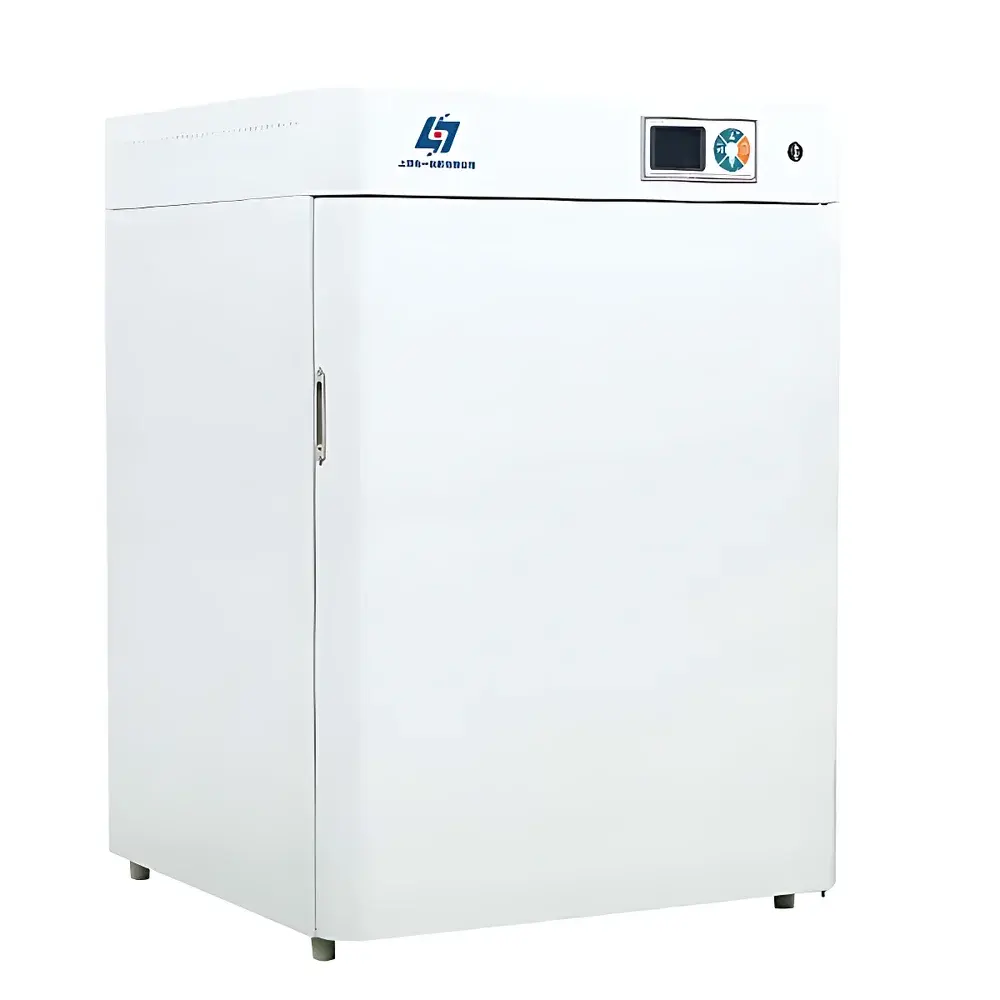
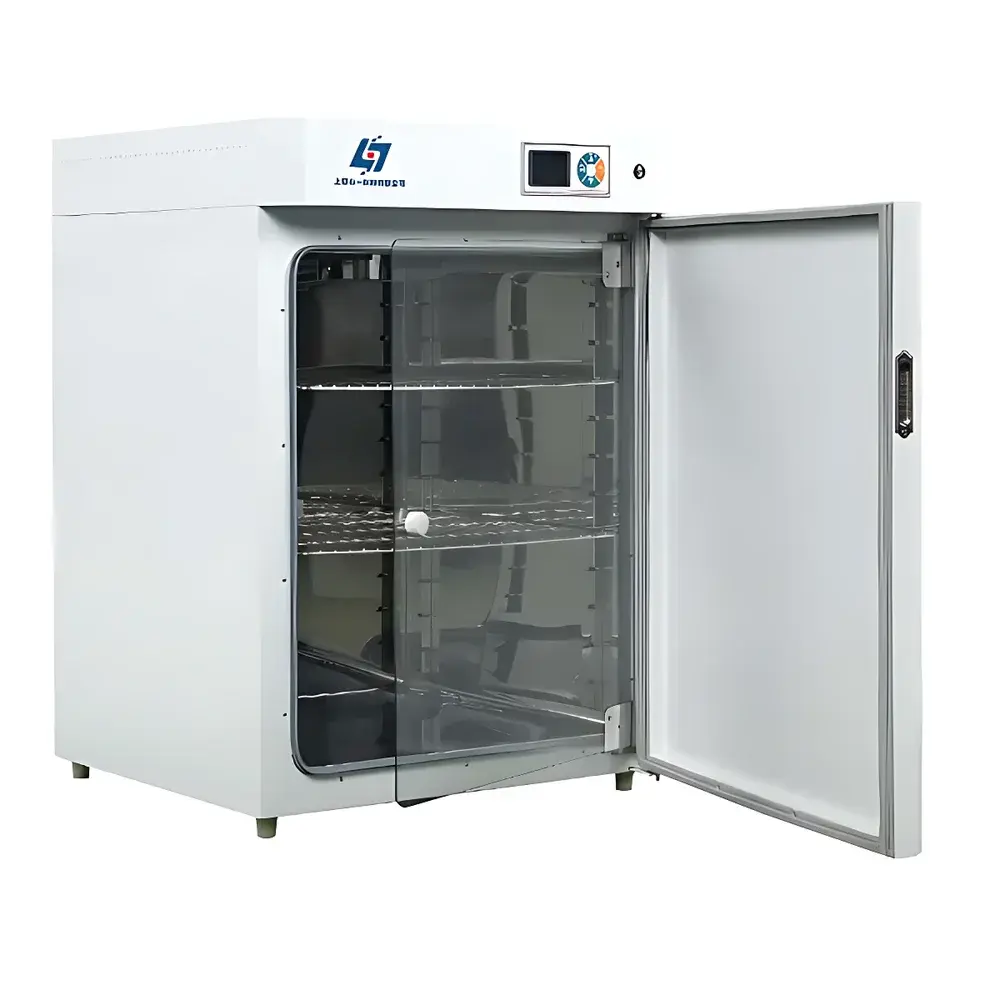
Yoyilab DNP-9272 Forced-Air Biochemical Incubator, 270 L Capacity
| Brand | Yoyilab |
|---|---|
| Origin | Shanghai, China |
| Manufacturer Type | Direct Manufacturer |
| Model | DNP-9272 |
| Air Circulation | Forced Convection |
| Temperature Range | RT+5 to 65 °C |
| Temperature Accuracy | ±0.1 °C |
| Temperature Uniformity | ±1.5 °C (at 37 °C) |
| Temperature Fluctuation | ±0.5 °C |
| Chamber Volume | 270 L |
| External Dimensions | 730 × 705 × 1035 mm |
Overview
The Yoyilab DNP-9272 is a microprocessor-controlled, forced-air biochemical incubator engineered for stable, reproducible temperature environments in life science laboratories. Designed according to core principles of convective thermal management and thermal mass stabilization, it maintains precise ambient-equivalent or elevated temperature conditions (RT+5 °C to 65 °C) for microbial culture propagation, enzyme activity assays, cell line maintenance, and long-term sample conditioning. Its robust architecture integrates high-efficiency heating elements, a low-turbulence axial fan system, and optimized internal airflow pathways—ensuring minimal thermal gradients across the working chamber. The unit complies with general laboratory equipment design guidelines aligned with ISO 13485–informed manufacturing practices and supports routine GLP-compliant workflows through traceable parameter logging and alarm integrity.
Key Features
- Forced-air convection system with adjustable fan speed (optional accessory) ensures rapid temperature recovery and uniform heat distribution—critical for multi-layer shelf applications.
- High-precision PID temperature controller with 0.1 °C resolution and ±0.5 °C fluctuation tolerance enables tight setpoint adherence under variable load conditions.
- Double-glazed, double-door structure with magnetic silicone gasket minimizes external thermal interference during observation; inner door remains sealed while outer door is opened.
- Electro-polished stainless-steel interior (304 grade) with radius-corner geometry resists corrosion, facilitates cleaning, and eliminates shadow zones that hinder sterilization efficacy.
- Intelligent memory function retains user-defined parameters—including temperature setpoint, runtime, and alarm thresholds—following power interruption or system reset.
- Independent over-temperature safety cutoff (optional) provides hardware-level protection independent of the main controller, meeting IEC 61010-1 Class II requirements for lab equipment.
- 5.7-inch LCD interface displays real-time chamber temperature, setpoint, elapsed time, and status indicators simultaneously—reducing operator cognitive load during extended experiments.
Sample Compatibility & Compliance
The DNP-9272 accommodates standard microbiological and cell culture formats including Petri dishes (up to 150 mm), multi-well plates (6–96-well), Erlenmeyer flasks (up to 2 L), and upright test tube racks. Its 270 L chamber volume supports up to four adjustable stainless-steel shelves (included), each rated for 15 kg static load. Internal dimensions (600 × 600 × 750 mm W×D×H) allow vertical stacking of stacked plate carriers without compromising airflow. The unit meets basic electrical safety standards per GB 4793.1 (equivalent to IEC 61010-1) and conforms to environmental operating specifications defined in ISO 14644-1 Class 8 cleanroom-compatible ambient conditions (30 °C, 50% RH). Optional inert gas inlet (N₂/CO₂) enables hypoxic or anaerobic adaptation—validated for compatibility with ASTM D3359 adhesion testing on coated interior surfaces.
Software & Data Management
While the base model operates via embedded firmware, optional RS485 serial interface (Modbus RTU protocol) enables integration with third-party SCADA systems or centralized lab monitoring platforms. When paired with supplied communication software, users can configure scheduled temperature profiles, export timestamped temperature logs (.CSV), and generate audit-ready reports compliant with FDA 21 CFR Part 11 requirements—including electronic signature support and immutable event records. An optional embedded thermal printer (2-inch width, 203 dpi) provides real-time hardcopy output of temperature traces, ideal for QA/QC documentation in GMP-regulated environments such as pharmaceutical stability testing or bioburden assessment.
Applications
- Bacterial and fungal culture incubation (e.g., E. coli, S. aureus, A. niger) per ISO 8573-7 and USP <61> microbiological enumeration protocols.
- Enzyme kinetics studies requiring consistent thermal activation at 37 °C, 45 °C, or 60 °C—validated for ≤±0.3 °C deviation over 72-hour continuous operation.
- Seed germination and plant tissue culture pre-conditioning under controlled non-photoperiodic environments.
- Accelerated stability testing of diagnostic reagents, vaccines, and lyophilized biologics per ICH Q1A(R2) guidelines.
- Environmental simulation for material degradation studies involving polymer-based medical devices or packaging components.
FAQ
What is the maximum recommended loading capacity for optimal temperature uniformity?
For guaranteed ±1.5 °C uniformity at 37 °C, loading should not exceed 70% of total shelf area per level. Full-shelf loading may increase local gradients by up to ±0.4 °C.
Is the incubator suitable for CO₂-enriched environments?
Not natively. However, the optional inert gas inlet kit (with precision flow meter) allows safe N₂ or CO₂ purging—though pH-sensitive cultures require external CO₂ monitoring and feedback control.
Can the DNP-9272 be validated for IQ/OQ/PQ protocols?
Yes. The unit includes calibration-ready access points, documented uncertainty budgets for its PT100 sensor array, and supports third-party validation using calibrated reference thermistors per ASTM E2874.
Does the controller support multi-segment programming out-of-the-box?
No—the standard controller offers single-setpoint operation. Multi-stage ramp-soak profiles require the optional P-series programmable module (DNP-9272P), sold separately.
What maintenance intervals are recommended for long-term reliability?
Fan filter inspection every 3 months; door gasket integrity check every 6 months; annual verification of temperature sensor drift against NIST-traceable references.




