
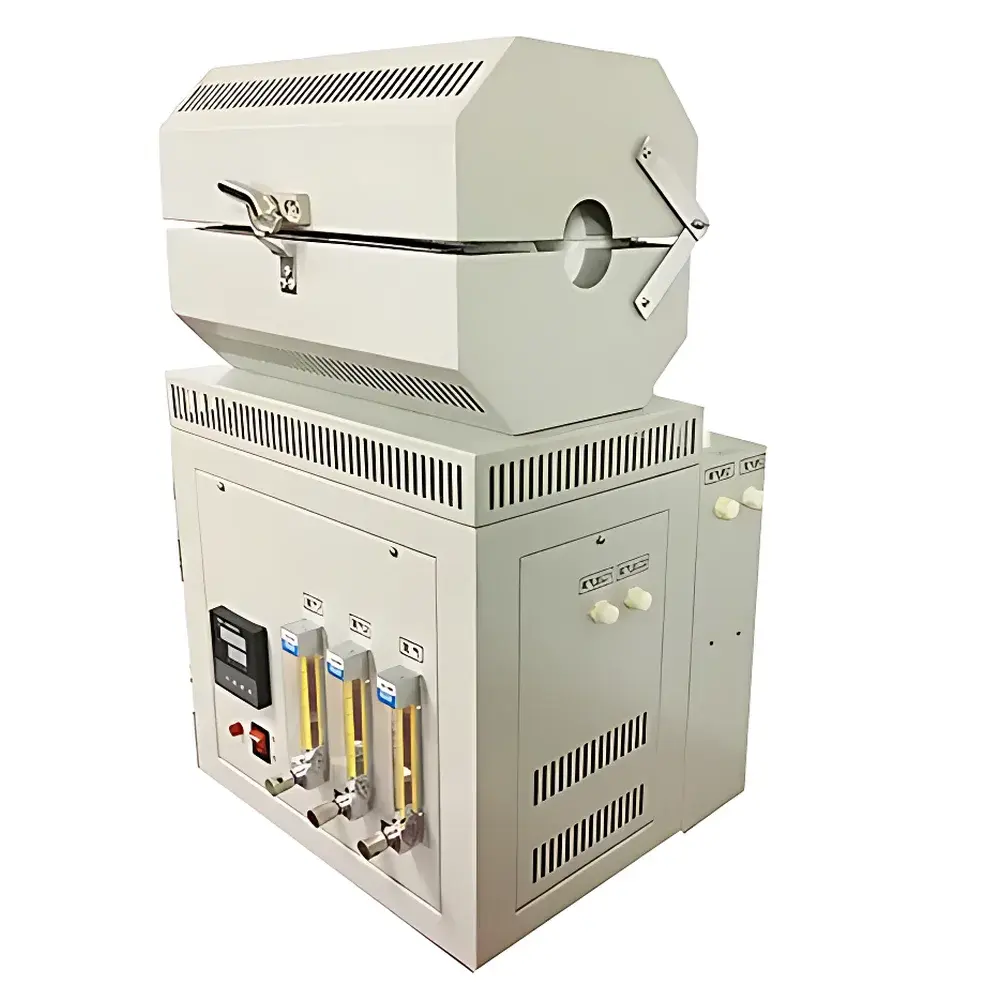
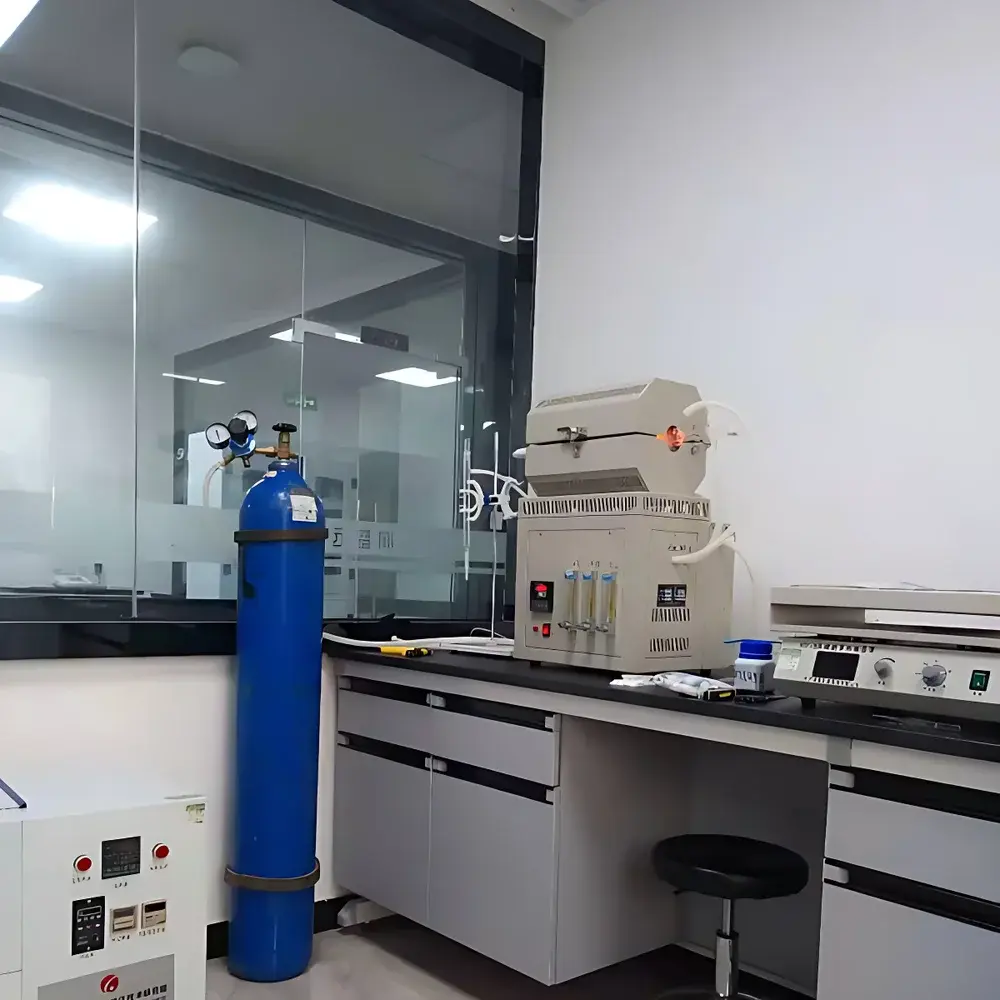
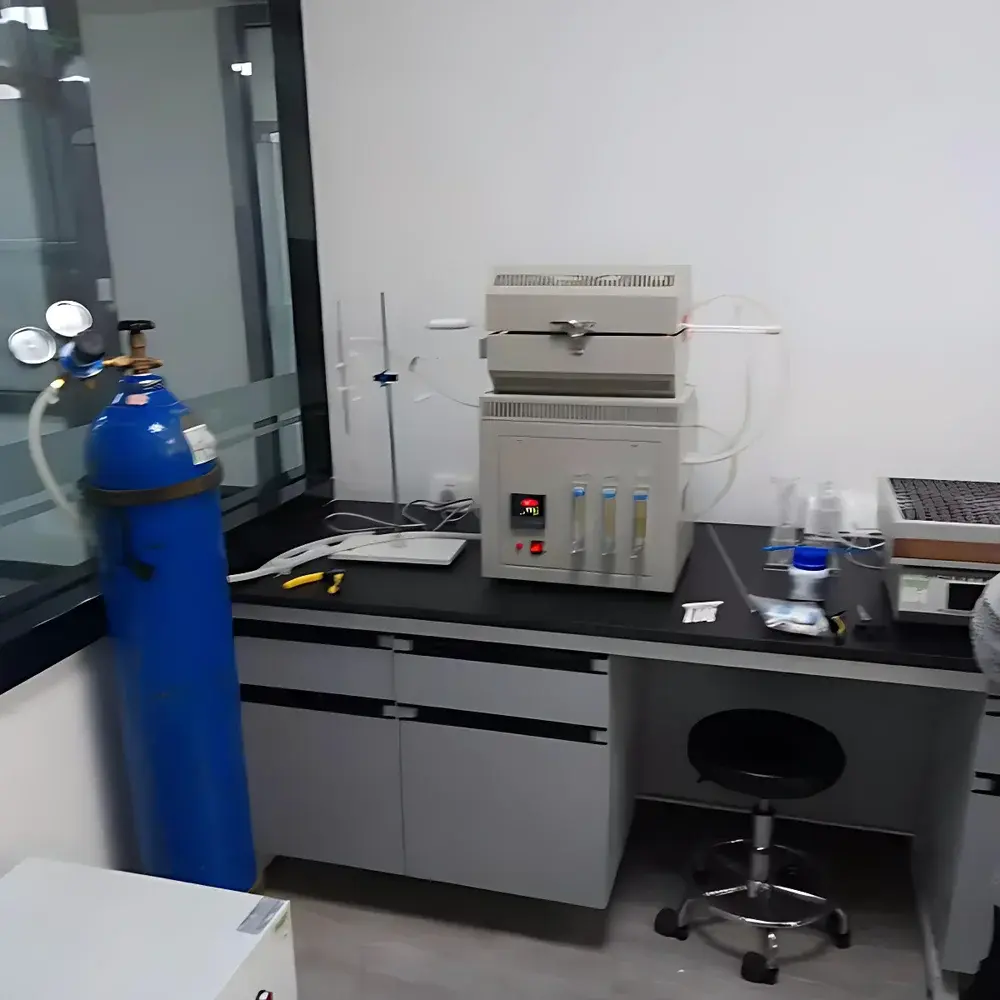
ZC-AOX-3 Adsorbable Organic Halogens (AOX) Analyzer
| Brand | ZOCHI |
|---|---|
| Origin | Zhejiang, China |
| Model | ZC-AOX-3 |
| Measurement Principle | Combustion-Coulometric Titration |
| Measurement Range | 5–1000 µg |
| Accuracy | ±1% |
| Repeatability | ≤1% RSD |
| Detection Limit | 0.8–1000 µg/L |
| Resolution | 0.01 µg |
| Compliance | Designed for ASTM D5907, ISO 9562, and EPA Method 1650 |
Overview
The ZC-AOX-3 Adsorbable Organic Halogens (AOX) Analyzer is a dedicated laboratory instrument engineered for the quantitative determination of halogenated organic compounds—primarily chlorine, bromine, and iodine—that are adsorbed onto activated carbon from aqueous environmental samples. It operates on the internationally recognized combustion-coulometric titration principle: sample-derived organohalogens are thermally decomposed in a high-temperature quartz combustion tube (950 °C), converting halogens into hydrogen halides (e.g., HCl, HBr); these acidic gases are then absorbed in an electrolyte solution, where coulometric titration measures the total halide ion concentration via precise electrochemical quantification of silver ion generation. This method delivers trace-level sensitivity and metrological traceability aligned with regulatory requirements for wastewater discharge monitoring, drinking water safety assessment, and industrial effluent compliance reporting.
Key Features
- Optimized dual-zone combustion system: inner tube oxygen flow (120–150 mL/min) ensures complete oxidative mineralization; outer tube oxygen flow (40–60 mL/min) maintains thermal stability and prevents back-diffusion of combustion byproducts.
- Integrated nitrogen-driven adsorption module with adjustable flow control (2–3 mL/min), enabling reproducible pre-concentration of AOX from up to 500 mL of water sample onto standardized activated carbon cartridges.
- Coulometric detection cell with real-time current integration and automatic endpoint recognition, achieving resolution down to 0.01 µg and minimizing operator-dependent endpoint judgment errors.
- Quartz boat handling mechanism with programmable insertion/retraction timing—2 min pre-heating at furnace entrance followed by 3 min dwell in the 950 °C zone—to ensure quantitative release of adsorbed halogens without charring or incomplete oxidation.
- Self-calibrating electrolyte system with Ag⁺/Ag redox reference, compliant with coulometric equivalence standards defined in ISO 9562 and ASTM D5907.
Sample Compatibility & Compliance
The ZC-AOX-3 supports analysis of surface water, groundwater, wastewater, leachates, and treated effluents across pH 2–12. Sample matrix interferences—including sulfides, nitrites, and suspended solids—are mitigated through standardized acidification (pH <2), filtration (0.45 µm), and blank correction protocols. Instrument design adheres to the structural and procedural requirements of EPA Method 1650, ISO 9562:2021, and ASTM D5907-22. Data integrity is maintained via audit-trail-capable operation logs (time-stamped adsorption start, combustion initiation, titration completion), supporting GLP-compliant laboratory workflows and regulatory inspections under 21 CFR Part 11 when paired with validated LIMS integration.
Software & Data Management
The analyzer includes embedded firmware with intuitive touchscreen interface for method selection, parameter configuration (flow rates, dwell times, calibration frequency), and real-time titration curve visualization. Raw coulometric charge (Coulombs) and calculated AOX mass (µg) are stored locally with ISO/IEC 17025-aligned metadata: operator ID, sample ID, date/time, calibration status, and system diagnostic flags. Export options include CSV and PDF reports conforming to laboratory QA/QC templates. Optional USB or RS-232 connectivity enables synchronization with third-party data management systems for centralized validation, trend analysis, and electronic record retention.
Applications
- Regulatory compliance testing for municipal wastewater treatment plants subject to EU Directive 2000/60/EC and China’s GB 3838–2002 Class IV/V limits.
- Source identification and load estimation of chlorinated solvents (e.g., TCE, PCE), pesticides (e.g., DDT metabolites), and pharmaceutical residues in river basins.
- Performance evaluation of advanced oxidation processes (AOPs) and activated carbon adsorption units in pilot-scale water reuse facilities.
- QA/QC support for certified environmental testing laboratories accredited to CNAS-CL01 (equivalent to ISO/IEC 17025).
- Research applications in environmental fate studies, including dehalogenation kinetics and bioavailability assessment of persistent organic pollutants.
FAQ
What sample volume is required for reliable AOX quantification?
Typical analysis uses 100–500 mL of filtered, acidified water sample to ensure sufficient analyte capture on the activated carbon column while maintaining detection within the 0.8–1000 µg/L linear range.
Can the ZC-AOX-3 distinguish between chlorine, bromine, and iodine species?
No—the instrument reports total adsorbable halogens as chloride-equivalent mass (µg Cl⁻). Speciation requires coupling with IC-MS or HR-GC-MS downstream analysis.
How frequently must the coulometric cell electrolyte be replaced?
Under standard operating conditions (≤10 samples/day), electrolyte replacement is recommended every 72 hours or after 50 analyses to maintain Faradaic efficiency and minimize baseline drift.
Is external cooling required for the absorption trap?
Yes—a chilled (0–4 °C) bubble absorber is essential to maximize HX gas dissolution efficiency and prevent volatile loss prior to titration.
Does the system support automated calibration verification?
Yes—built-in calibration check using certified KCl standard solutions (e.g., 10 µg Cl⁻/mL) validates coulometric response before each analytical batch, with pass/fail criteria logged automatically.
Related Products







