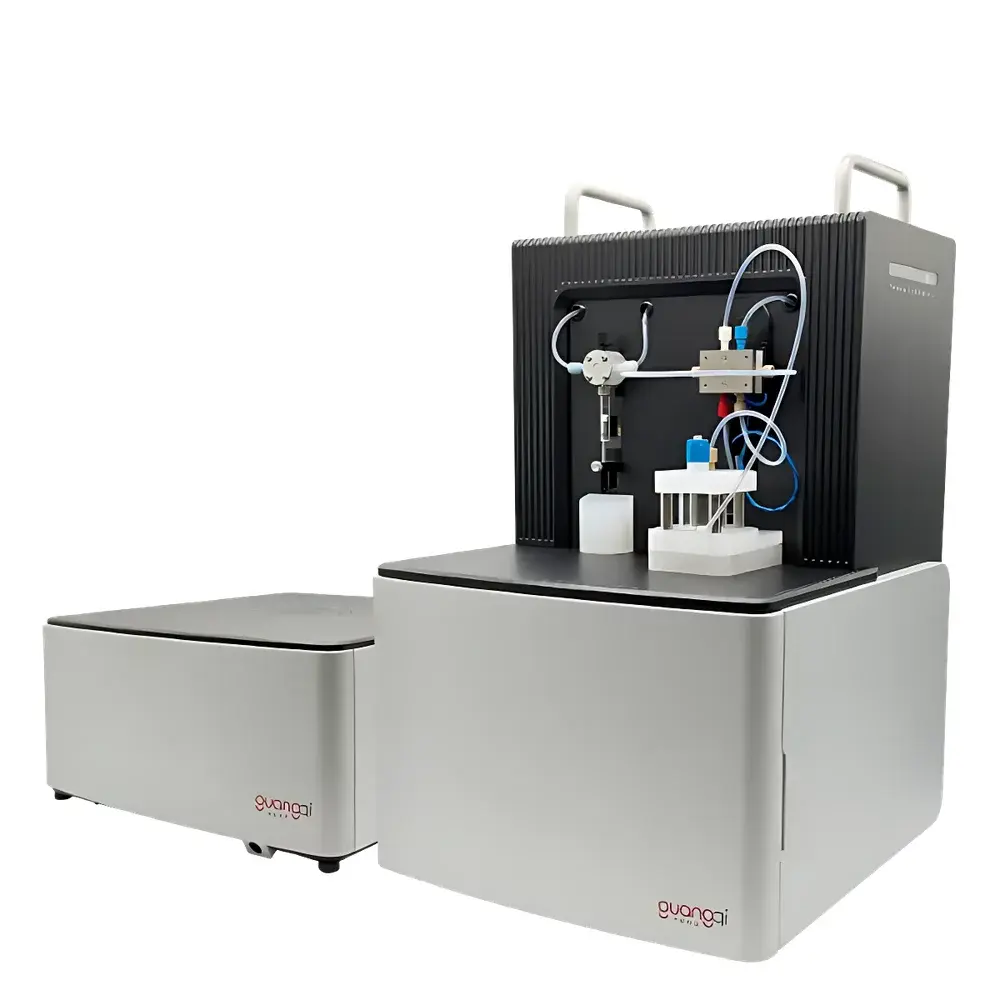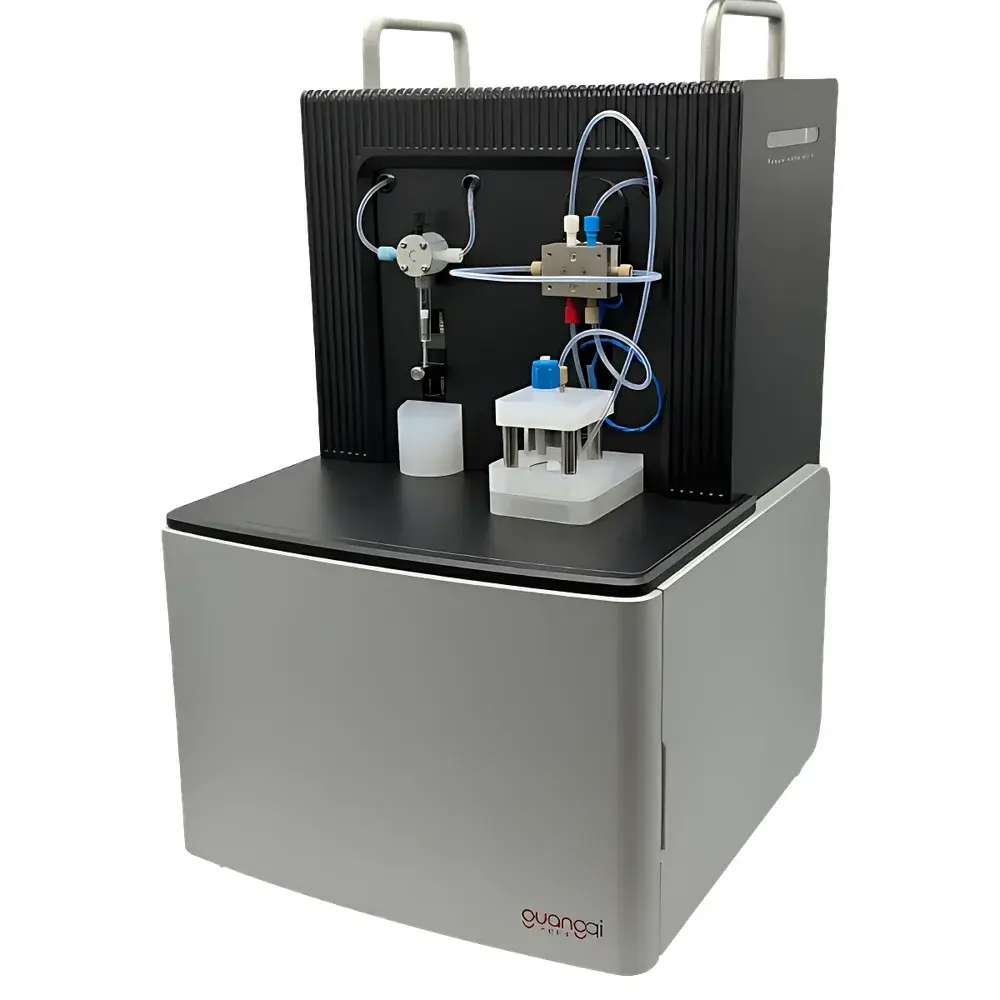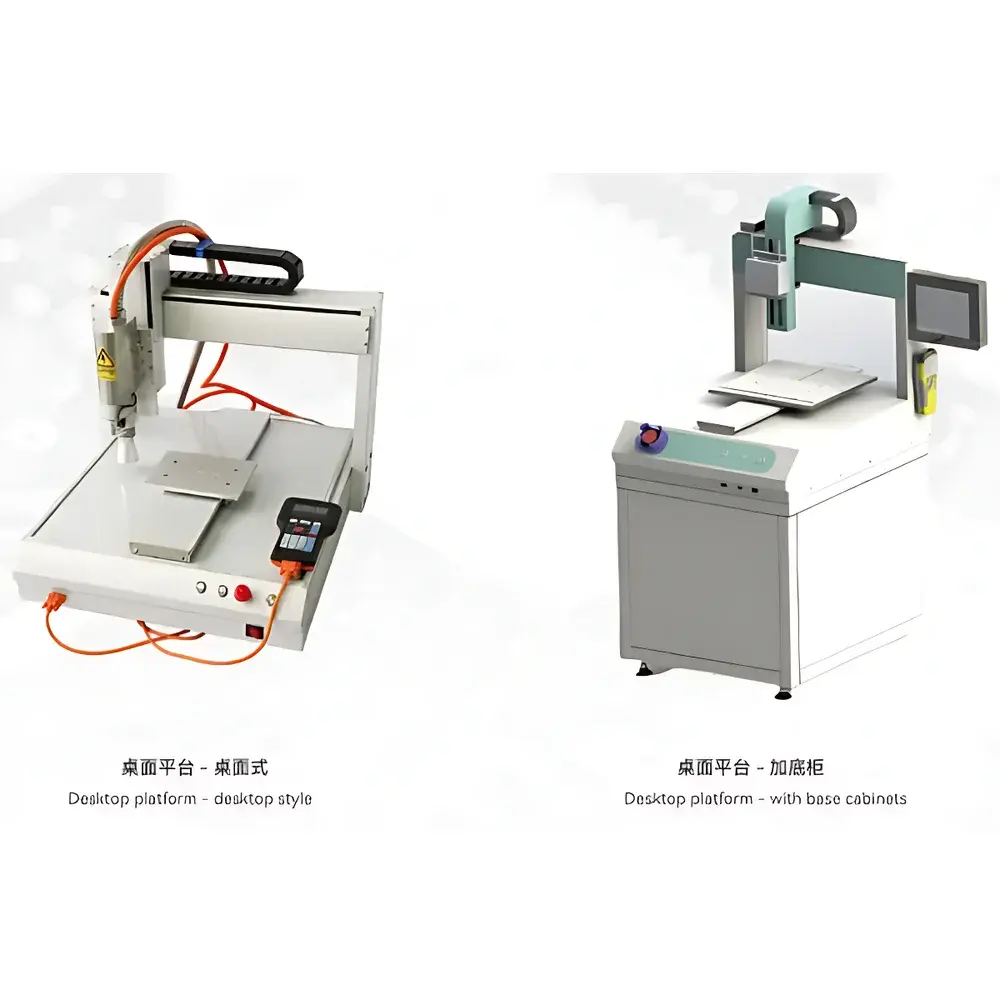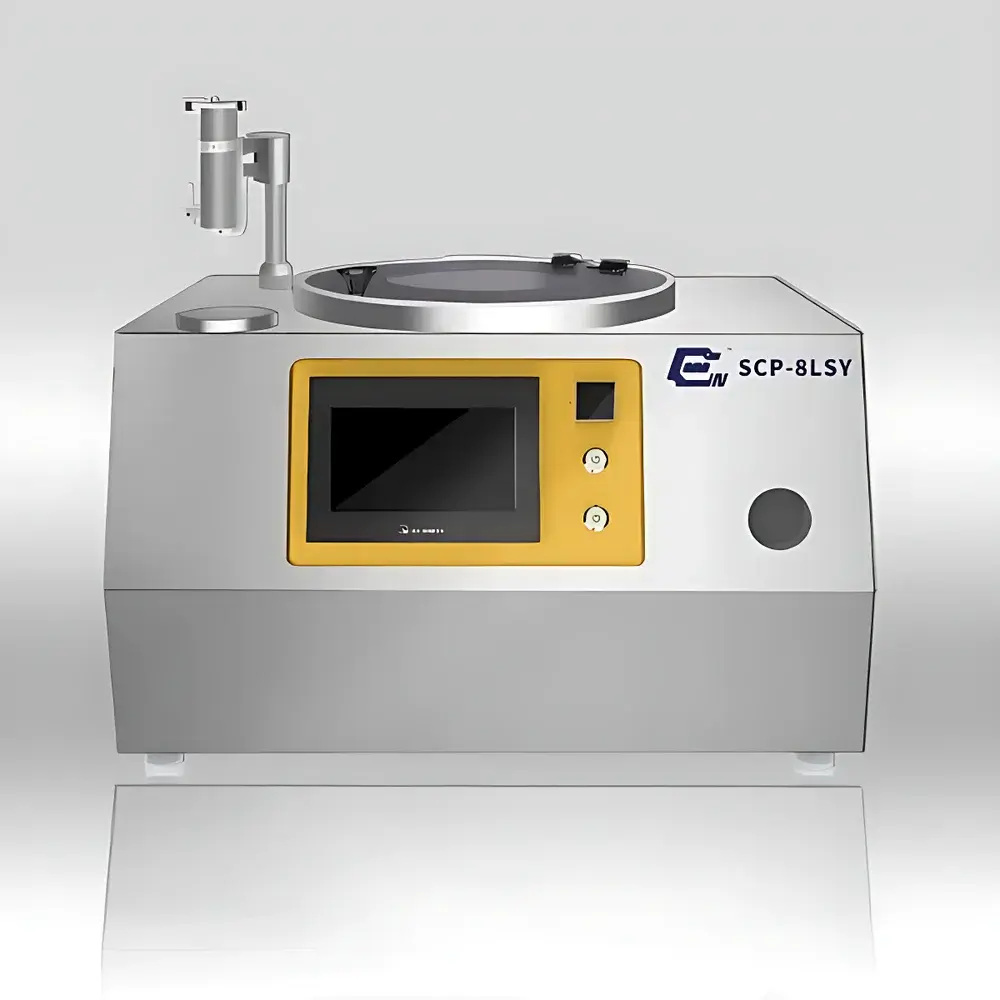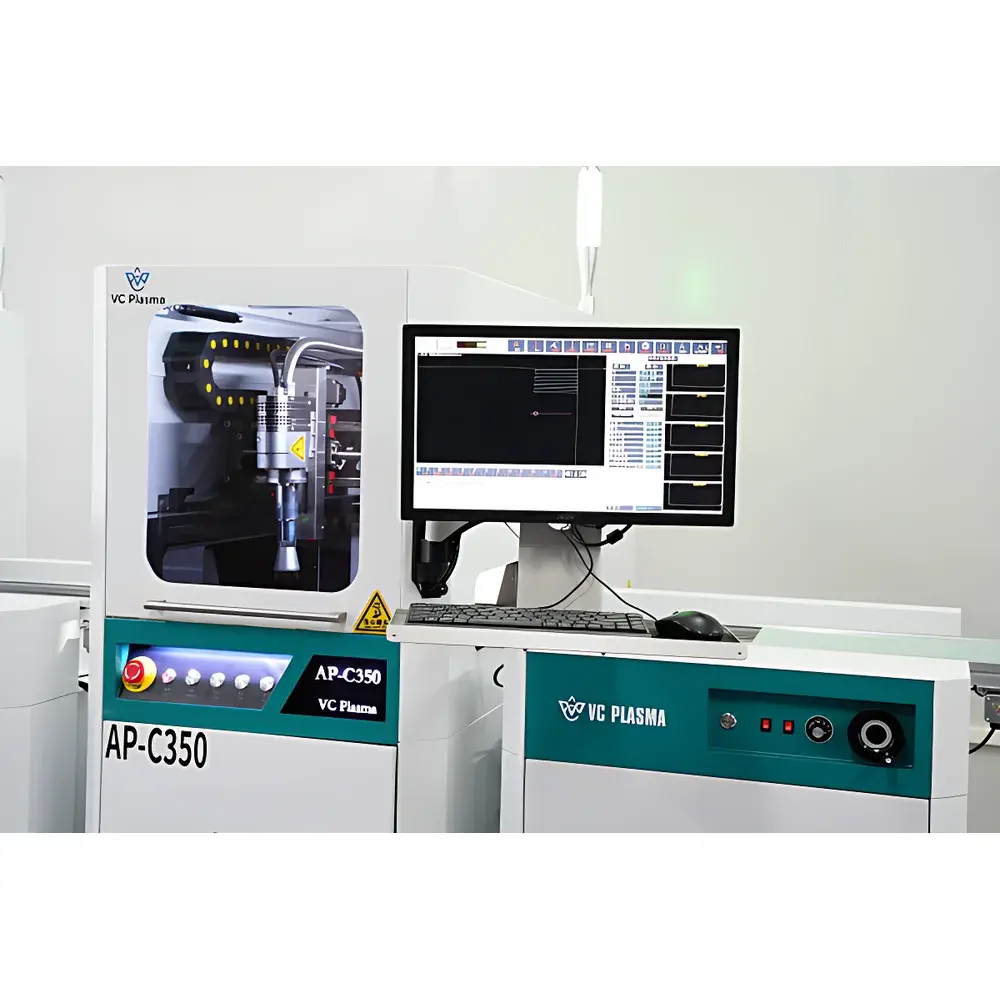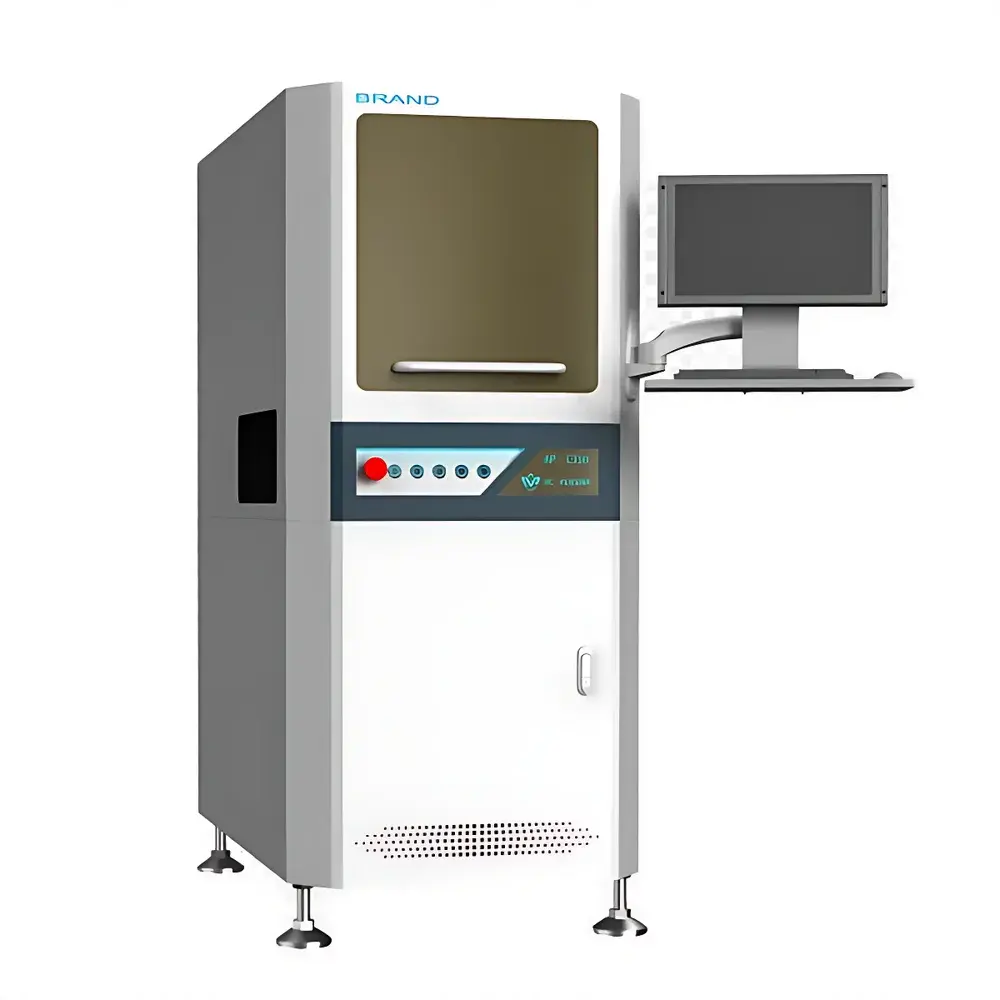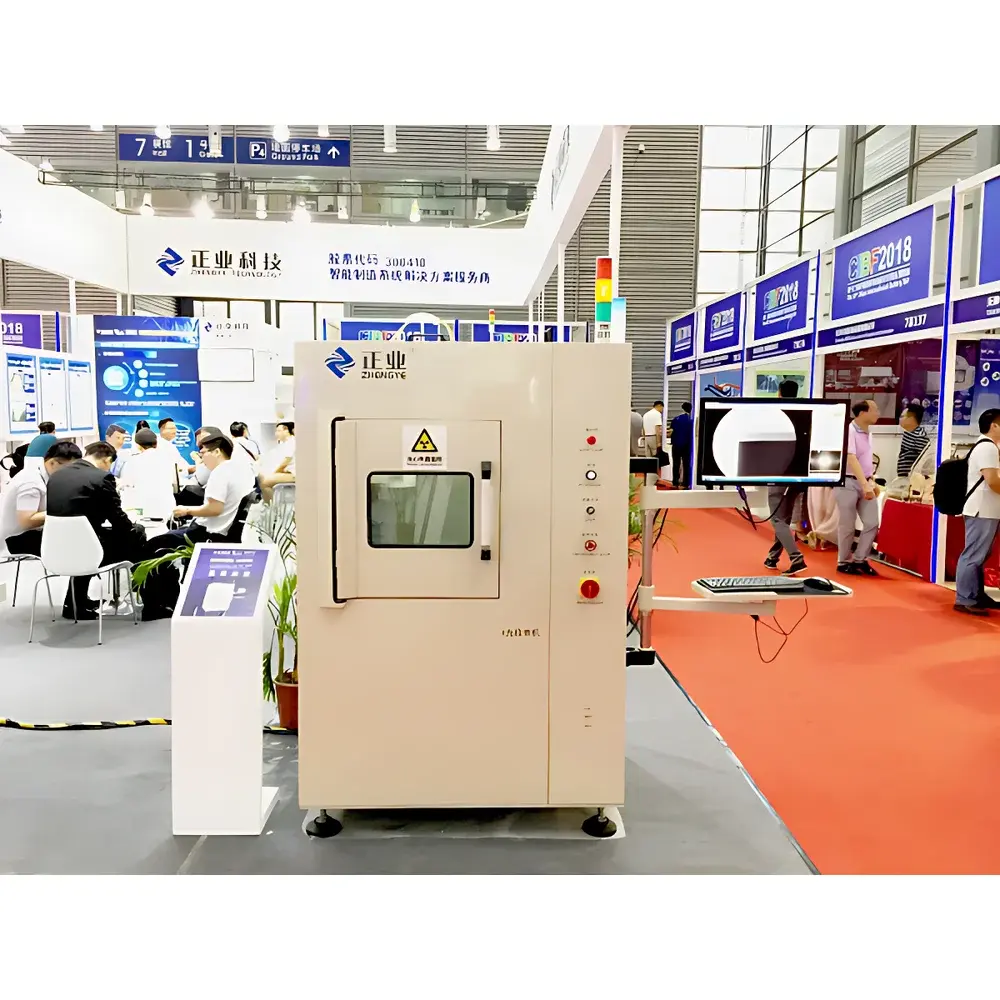
Zhengye XG5010 X-ray Inspection System for Non-destructive Internal Structure Analysis of Semiconductor Devices
| Brand | Zhengye |
|---|---|
| Origin | Guangdong, China |
| Manufacturer Type | Direct Manufacturer |
| Country of Origin | China |
| Model | XG5010 X-ray |
| Pricing | Available Upon Request |
Overview
The Zhengye XG5010 X-ray Inspection System is an industrial-grade, non-destructive testing (NDT) platform engineered for high-precision internal structural evaluation of semiconductor devices and related microelectronic assemblies. Operating on the principle of X-ray transmission radiography, the system generates high-contrast, real-time 2D projection images by measuring differential X-ray attenuation across materials with varying atomic densities and thicknesses. Unlike destructive cross-sectioning or time-intensive SEM/FIB analysis, the XG5010 enables rapid, repeatable assessment of solder joint integrity, wire bond continuity, die attach voiding, lead frame alignment, package delamination, and encapsulation defects — all without physical contact or sample preparation. Its design prioritizes stability, repeatability, and operational safety in controlled cleanroom or QA lab environments, conforming to IEC 61340-5-1 for electrostatic discharge (ESD) control and incorporating interlocked shielding compliant with national radiation safety regulations (e.g., GBZ 138–2022).
Key Features
- CNC Programmable Motion Control: Integrated three-axis (X/Y/Z) motorized positioning of X-ray source and image intensifier enables precise, repeatable scan path memorization. Users can record inspection trajectories for batch-consistent evaluation of identical device packages, supporting low-to-medium volume production verification.
- Intuitive Navigation Interface: A large-field-of-view live preview window supports point-and-click navigation; operators select regions of interest directly on the radiographic image, triggering automated mechanical repositioning to the designated coordinate with sub-millimeter accuracy.
- Real-Time Image Processing Engine: Proprietary acquisition software supports dynamic contrast enhancement, edge sharpening, noise reduction, and grayscale thresholding — all applied during live imaging. Captured frames are exportable in TIFF, BMP, and PNG formats with embedded metadata (timestamp, position coordinates, exposure parameters).
- Robust Mechanical Architecture: The sample stage remains stationary to minimize vibration-induced blur; instead, the X-ray tube and image intensifier move synchronously along precision-ground ball screws driven by stepper motors with timing belt synchronization — ensuring smooth, backlash-free motion and long-term mechanical repeatability.
- Integrated Automated Decision Logic: Customizable pass/fail criteria (e.g., void area > 12%, wire bond offset > 45 µm) can be defined per product type. The system executes real-time defect classification and overlays annotated results on the display interface, generating binary output signals for external sorting systems via opto-isolated I/O ports.
Sample Compatibility & Compliance
The XG5010 accommodates standard semiconductor packaging formats including QFP, BGA, CSP, WLP, and stacked-die modules up to 300 mm × 300 mm footprint and 50 mm height. Sample handling is compatible with JEDEC trays, Gel-Paks, and custom fixtures. Radiation shielding meets Class II cabinet requirements per GBZ 117–2022, and electrical safety complies with GB 4793.1–2019 (IEC 61010-1). While not certified to ISO/IEC 17025, the system supports GLP/GMP-aligned workflows through audit-trail-enabled software logging (user actions, parameter changes, result exports), and its measurement consistency is validated against NIST-traceable step wedges and reference phantoms.
Software & Data Management
The proprietary Zhengye VisionInspect™ software provides a unified interface for acquisition, analysis, reporting, and data archival. It supports role-based user accounts with configurable permissions (operator, engineer, administrator), full session logging, and encrypted local database storage. Reports comply with common industry templates (PDF/A-1b, CSV) and include image thumbnails, measurement tables, pass/fail status, operator ID, and timestamped calibration records. For integration into factory MES or SPC platforms, the software offers OPC UA and Modbus TCP protocols, enabling seamless transfer of inspection outcomes and statistical process metrics.
Applications
- Failure analysis of solder voids, bridging, and insufficient wetting in flip-chip and BGA interconnects
- Verification of die bonding uniformity and presence of interfacial delamination in power modules
- Wire bond loop height, sweep angle, and heel crack detection in discrete ICs and RF packages
- Lead frame coplanarity and mold compound fill integrity assessment in automotive-grade QFNs
- Post-reflow and post-thermal-cycle reliability screening for high-reliability aerospace and medical electronics
FAQ
What is the maximum detectable feature size under standard operating conditions?
Resolution is governed by geometric unsharpness and detector pixel pitch; typical effective resolution is ≥ 5 µm at 1× magnification, scalable to ≤ 2 µm using digital zoom and source-to-object distance optimization.
Does the system support automated report generation with company branding?
Yes — customizable report templates allow insertion of corporate logos, header/footer text, and standardized pass/fail thresholds per product family.
Is remote diagnostics and software update capability available?
Remote maintenance is supported via secure TLS-encrypted VNC sessions initiated only upon authenticated technician request; firmware and software updates are delivered as signed packages with version rollback safeguards.
Can the XG5010 be integrated into an inline production line?
While primarily designed for offline QA labs, optional conveyor interface kits and PLC-compatible I/O modules enable semi-automated integration for high-throughput sampling stations.
What safety certifications does the system hold?
The unit carries CCC certification (China Compulsory Certification) and conforms to GBZ 138–2022 for occupational radiation protection; full documentation package includes shielding test reports and interlock validation records.