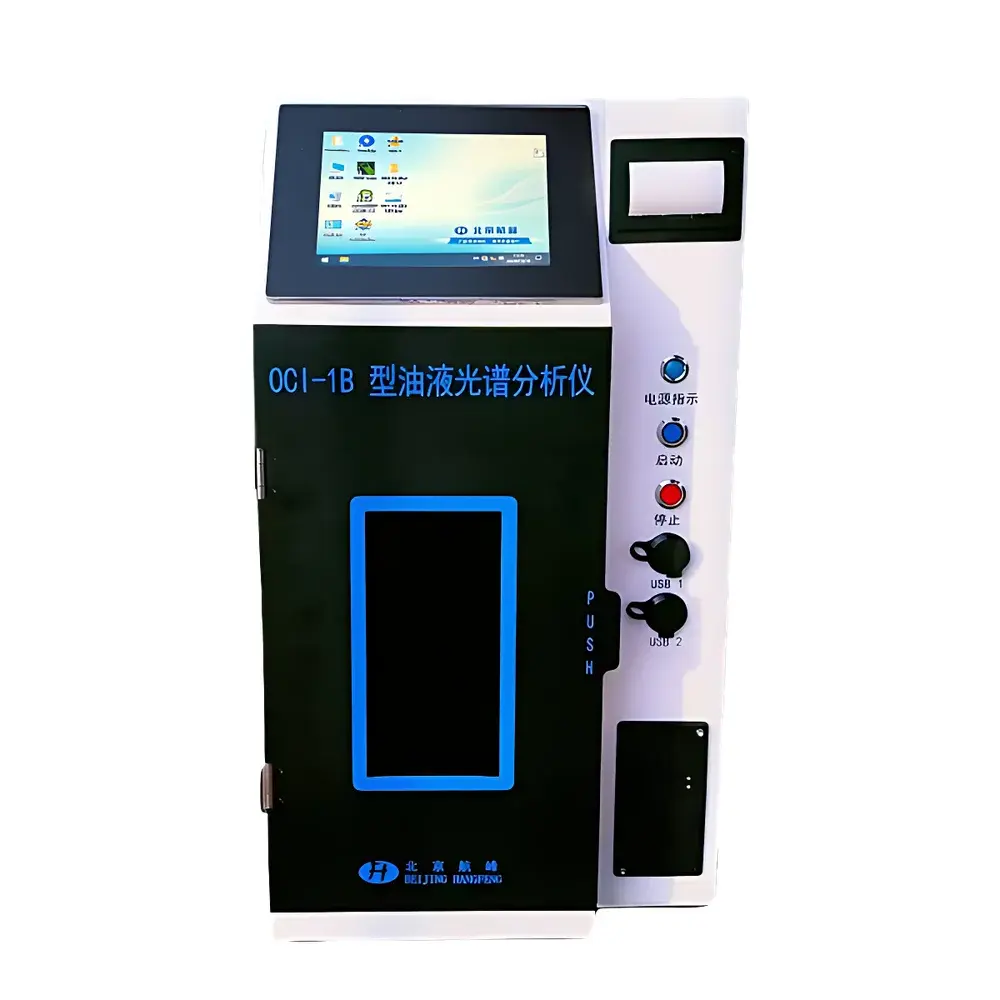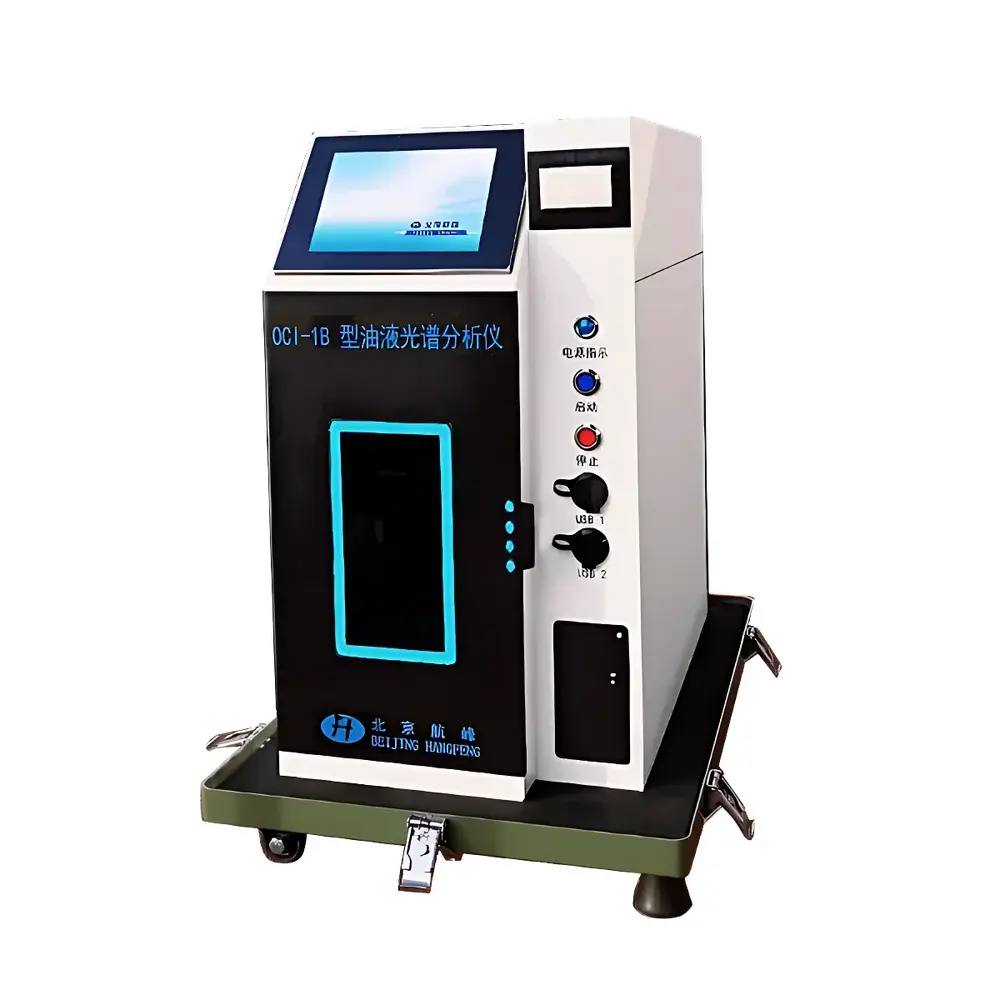

ZP FoodSense-G4 Portable Capsaicin Potency Analyzer
| Brand | ZP |
|---|---|
| Origin | USA |
| Manufacturer Type | Authorized Distributor |
| Import Status | Imported |
| Model | FoodSense-G4 |
| Pricing | Available Upon Request |
| Detection Principle | Electrochemical Voltammetric Sensing (Cyclic Voltammetry) |
| Sensor Architecture | Three-Electrode Disposable Plug-in Sensor Cartridge |
| 辣度量程 | 0–20,000,000 SHU |
| Correlation with HPLC | r = 0.9741 |
| Total Assay Time | <5 min (including sample prep) |
| Weight | <0.5 kg |
| Output Units | SHU (Scoville Heat Units) and capsaicin concentration (ppm) |
| Connectivity | USB-C to mobile/tablet |
| Data Management | Cloud-synced via proprietary iOS/Android app |
| Regulatory Alignment | Designed for GLP-compliant food QC workflows |
Overview
The ZP FoodSense-G4 Portable Capsaicin Potency Analyzer is an electrochemical analytical instrument engineered for rapid, field-deployable quantification of capsaicinoid content in food matrices. It operates on the principle of cyclic voltammetry—a well-established electroanalytical technique that measures redox current responses generated by capsaicin oxidation at a working electrode surface under controlled potential sweeps. Unlike subjective sensory panel assessments or time-intensive HPLC-UV methods, the FoodSense-G4 delivers objective, instrument-based SHU (Scoville Heat Unit) values traceable to physicochemical response, enabling consistent batch-to-batch evaluation across R&D, production, and quality control environments. Its design targets food manufacturers, ingredient suppliers, regulatory labs, and culinary R&D centers requiring real-time potency verification without reliance on centralized analytical facilities.
Key Features
- Three-electrode disposable sensor cartridge with automatic plug-and-play recognition—ensures electrode alignment reproducibility and eliminates manual calibration drift.
- Full assay cycle completed in under five minutes, including homogenization-assisted extraction and electrochemical measurement—no solvent-intensive cleanup or column equilibration required.
- Integrated microprocessor with onboard temperature compensation and internal reference electrode stabilization for robust performance across ambient conditions (10–35°C).
- USB-C interface compatible with iOS and Android tablets, enabling touch-driven operation via the FoodSense Connect application—no PC dependency.
- Cloud-enabled data architecture supporting encrypted upload, role-based access control, and versioned dataset archiving compliant with ISO/IEC 27001 data integrity standards.
- Modular sensor platform: while optimized for capsaicin detection, the same electrochemical core supports validated assay protocols for gingerol (in fresh/frozen ginger), vanillin (in vanilla extracts), and synephrine (in citrus-derived functional ingredients) using application-specific sensor cartridges.
Sample Compatibility & Compliance
The FoodSense-G4 accepts semi-solid, liquid, and homogenized paste samples—including chili pastes, fermented hot sauces, dried pepper powders (after aqueous-acetonic extraction), and broth-based seasonings. Sample preparation follows AOAC Official Method 2016.01–derived guidelines for capsaicinoid extraction, ensuring compatibility with existing food safety lab SOPs. Instrument output meets reporting requirements for USDA-FSIS labeling compliance, FDA Nutrition Facts panel substantiation, and EU Regulation (EC) No 1924/2006 health claim verification. All firmware and software modules are validated per ICH Q2(R2) principles for analytical instrument qualification, and audit trails comply with FDA 21 CFR Part 11 electronic record requirements.
Software & Data Management
The FoodSense Connect application provides intuitive workflow navigation: sample ID entry, sensor initialization, real-time voltammogram visualization, automated peak integration, and SHU/ppm dual-unit reporting. Raw CV curves and processed datasets are timestamped, digitally signed, and stored locally before secure TLS 1.3–encrypted synchronization to ZP’s GxP-aligned cloud infrastructure. Users may generate PDF reports with embedded metadata (operator ID, instrument serial, sensor lot, environmental logs) suitable for internal QA review or third-party certification audits. Data retention policies support configurable auto-archiving and GDPR-compliant right-to-erasure protocols.
Applications
- Raw material screening of Capsicum cultivars during harvest and post-drying stages.
- In-line verification of hot sauce blending consistency prior to thermal processing.
- Stability testing of capsaicin-fortified nutraceutical formulations over accelerated shelf-life studies.
- Contract manufacturing QA for private-label spicy snack products requiring SHU range certification.
- Academic research into capsaicinoid metabolism in fermented condiments (e.g., gochujang, sambal) under varying pH and salt conditions.
- Cross-commodity analysis—e.g., comparative pungency profiling of black pepper (piperine), mustard (allyl isothiocyanate), and horseradish (sinigrin hydrolysis products) using method-adapted sensor variants.
FAQ
What validation documentation is provided with the FoodSense-G4?
Each unit ships with a Factory Calibration Certificate (traceable to NIST SRM 998 capsaicin reference material), IQ/OQ protocol templates, and a full 3Q validation support package for GMP-regulated users.
Can the sensor cartridge be reused?
No—sensor cartridges are single-use, sterilized, and pre-characterized to maintain inter-batch accuracy; reuse compromises redox surface integrity and violates ISO 17025 traceability requirements.
Is method transfer support available for in-house lab adoption?
Yes—ZP offers on-site or remote method transfer assistance, including SOP drafting, staff training, and comparative analysis against incumbent HPLC or LC-MS/MS platforms.
Does the device require annual recalibration?
No—each sensor cartridge includes embedded calibration markers; system-level verification is performed automatically during sensor insertion, eliminating scheduled recalibration intervals.
How is data security managed in cloud storage?
All data resides in SOC 2 Type II–certified infrastructure with end-to-end encryption, immutable logging, and optional on-premise gateway deployment for air-gapped facility integration.