
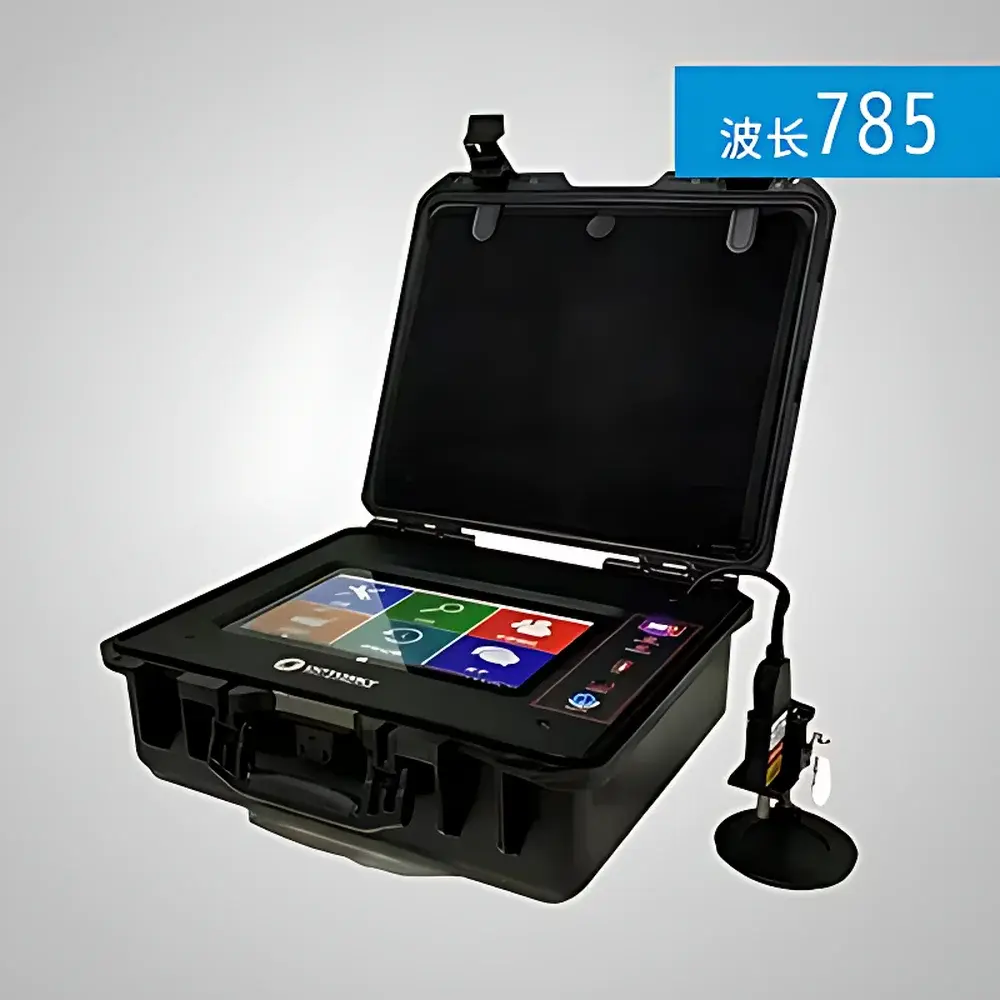
Optosky ATR3000YR Portable Raman Spectrometer for Flammable Solids Detection
| Brand | Optosky |
|---|---|
| Model | ATR3000YR |
| Origin | Fujian, China |
| Spectral Range (cm⁻¹) | 250–2700 / 200–3500 / 200–4300 (configurable) |
| Spectral Resolution (cm⁻¹) | 6 / 8 / 10 (ASTM E2529-06 compliant) |
| Detector | TEC-cooled FFT-CCD |
| Display | 11.6" capacitive multi-touch LCD |
| OS | Android 6.0 |
| Interface | USB 2.0, Wi-Fi, LAN |
| IP Rating | IP67 |
| Battery Life | >3 h |
| Dimensions (L×W×H) | 40×30×18 cm |
| Weight | 7.5 kg |
Overview
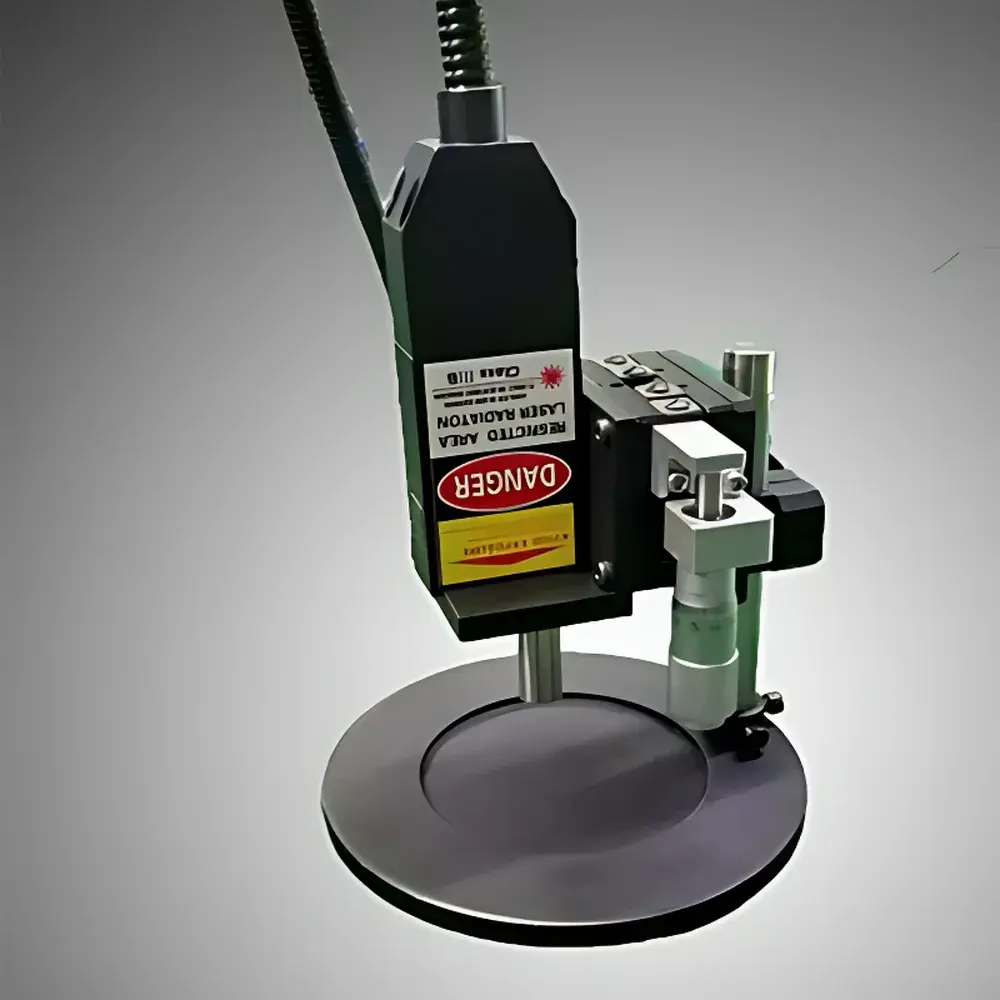
The Optosky ATR3000YR is a field-deployable Raman spectrometer engineered specifically for rapid, non-destructive identification and classification of flammable solids in compliance with regulatory frameworks governing hazardous material handling (e.g., UN GHS, OSHA HCS, and CLP Regulation). It operates on the principle of inelastic light scattering—where monochromatic laser excitation (typically 785 nm) induces vibrational mode shifts in molecular bonds, yielding characteristic spectral fingerprints. Unlike benchtop systems, the ATR3000YR integrates optimized optical path design with ultra-low stray light performance (<0.01% at 1000 cm⁻¹), enabling high-fidelity spectral acquisition under ambient lighting and variable environmental conditions. Its ruggedized chassis and sealed optical bench ensure mechanical stability during transport and operation in industrial zones, emergency response vehicles, or outdoor storage facilities—critical for first responders and safety officers conducting real-time hazard assessment without sample preparation.
Key Features
- TEC-cooled FFT-CCD detector with deep depletion architecture, delivering signal-to-noise ratios exceeding 1000:1 (at 1 s integration) for trace-level detection in complex matrices.
- Dual-stage fluorescence suppression algorithm embedded in firmware, combining hardware-based notch filtering and real-time baseline correction to minimize interference from organic dyes, polymers, or oxidized surfaces.
- Configurable spectral resolution options (6, 8, or 10 cm⁻¹), validated per ASTM E2529-06 for repeatability and inter-instrument comparability—enabling method transfer across laboratory and field units.
- IP67-rated enclosure with shock-absorbing elastomer gaskets and MIL-STD-810G compliant drop resistance (1.2 m onto concrete), ensuring operational integrity in dusty, humid, or rain-exposed environments.
- Android 6.0-based embedded software with intuitive touch interface, supporting offline spectral library matching (including NFPA 400, UN Manual of Tests and Criteria Part III, and IATA Dangerous Goods List subsets).
- LAN-enabled remote control capability via TCP/IP protocol, allowing secure integration into centralized hazardous materials management platforms with TLS 1.2 encryption.
Sample Compatibility & Compliance
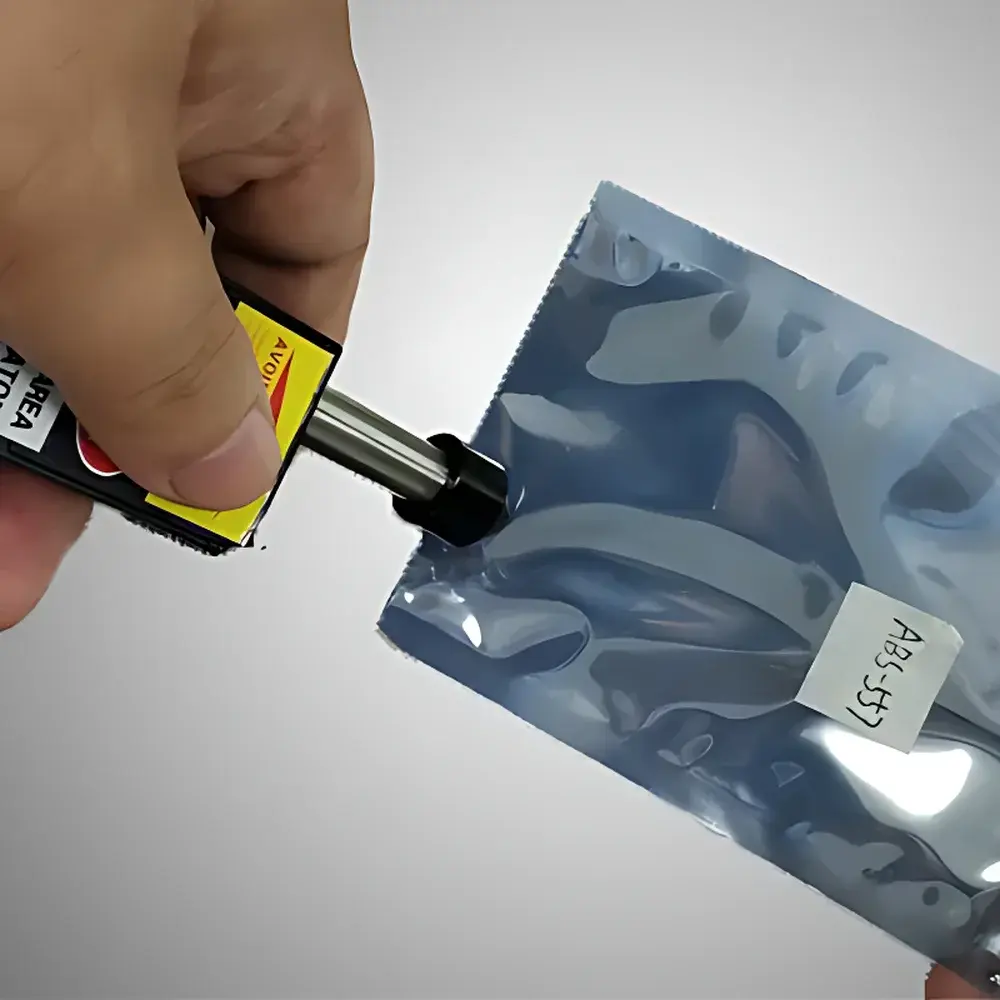
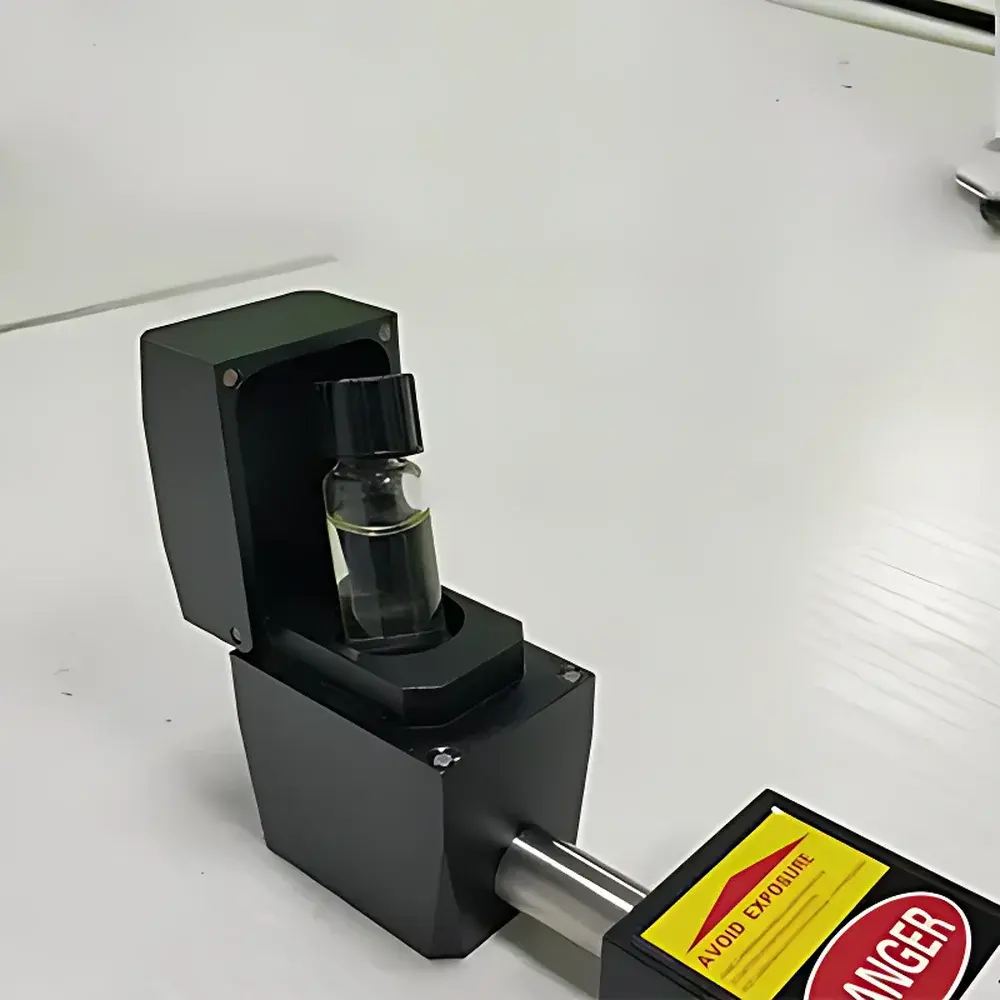
The ATR3000YR accommodates solid, powder, gel, and coated substrate samples—including lithium battery cathode materials, nitrocellulose-based propellants, sulfur-containing explosives, and polymerized peroxides—without contact or solvent extraction. Its 785 nm excitation minimizes photodegradation risk for thermally labile compounds while maintaining sufficient Raman cross-section for C–H, N–O, and S=O vibrational modes critical to flammability classification. Instrument performance adheres to ISO/IEC 17025 requirements for field-portable analytical devices, with documented uncertainty budgets traceable to NIST SRM 2241 (polystyrene) and SRM 2242 (cyclohexane). All firmware and spectral libraries are version-controlled and support audit trails required under GLP and OSHA 1910.120(q) recordkeeping protocols.
Software & Data Management
The onboard application provides full spectral preprocessing: cosmic ray removal, Savitzky-Golay smoothing (3rd order, 15-point window), vector normalization, and peak deconvolution using constrained Gaussian-Lorentzian fitting. Spectral libraries are stored locally in SQLite3 format with SHA-256 checksum validation; updates are delivered via signed OTA packages. Export formats include .spc, .csv, and .jdx (JCAMP-DX v5.01), compatible with LIMS systems such as Thermo Fisher SampleManager and LabVantage. Audit logs capture user ID, timestamp, GPS coordinates (via optional external module), instrument configuration, and raw + processed spectra—satisfying FDA 21 CFR Part 11 electronic record requirements when deployed with external identity authentication.
Applications
- Hazardous materials screening at chemical distribution hubs, verifying UN classification codes prior to shipment.
- Post-incident analysis of fire debris by fire investigators, distinguishing accelerants (e.g., gasoline, acetone) from pyrolysis products.
- In-process verification of pharmaceutical excipients (e.g., microcrystalline cellulose, lactose) for unintended oxidation or contamination with flammable solvents.
- Field inspection of consumer goods (e.g., fireworks, adhesives, nail polish removers) against CPSC 16 CFR Part 1500 flammability thresholds.
- Environmental monitoring of landfill leachate solids or contaminated soil matrices for residual organic peroxides or nitroaromatic compounds.
FAQ
Does the ATR3000YR require calibration before each use?
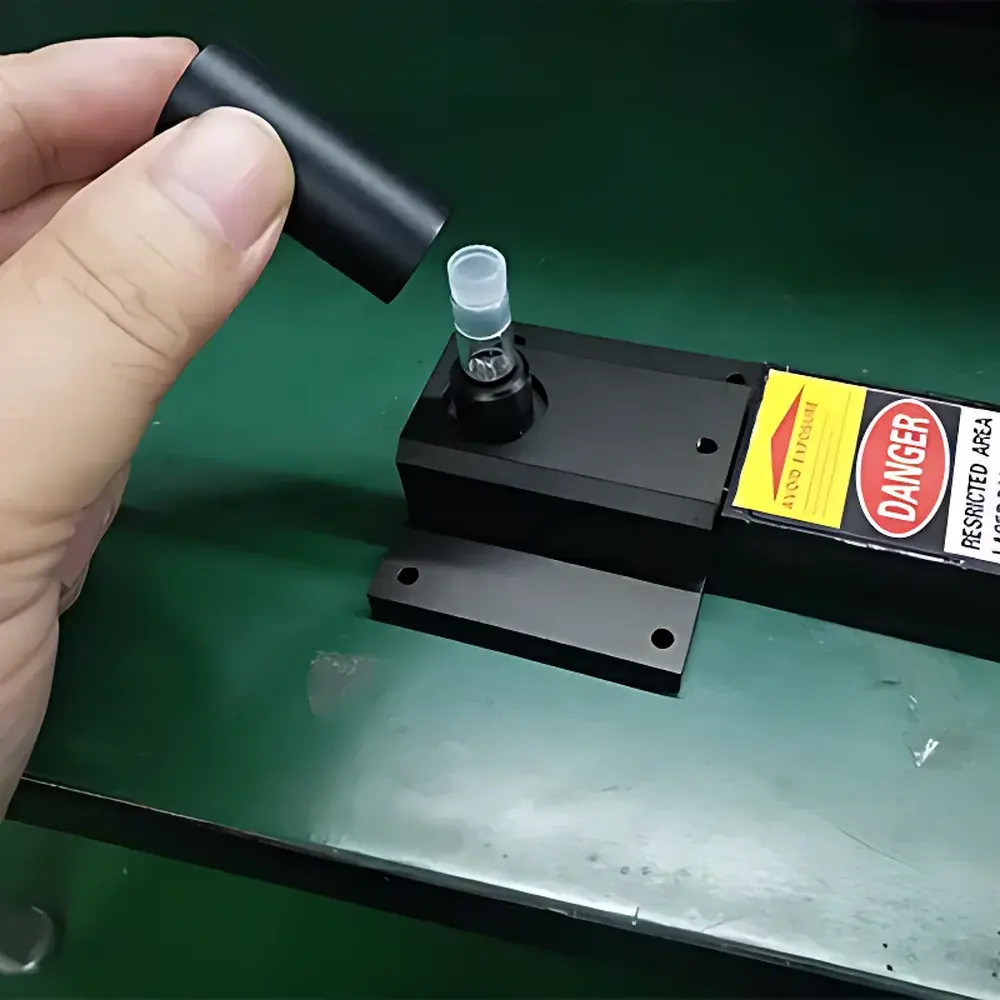
No—factory calibration is retained across power cycles. Users may perform optional intensity calibration using included polystyrene reference cap, traceable to NIST SRM 2241.
Can it identify mixtures containing multiple flammable components?
Yes—multivariate curve resolution (MCR) algorithms enable quantitative de-mixing of up to four co-present species when spectral libraries contain reference spectra of individual components.
Is spectral data export compliant with chain-of-custody requirements?
Yes—each exported file includes embedded digital signatures, instrument serial number, operator ID, and cryptographic hash, meeting ASTM E2807-21 digital evidence standards.
What maintenance is required for long-term field deployment?
Annual verification of laser wavelength accuracy and detector linearity using certified reference standards; no optical alignment or consumables are required.
How does it handle highly fluorescent samples like dyed plastics or biological residues?
The dual-stage fluorescence suppression combines hardware notch depth >OD6 with adaptive polynomial baseline subtraction, reducing background contribution to <5% of peak intensity in most cases.



