
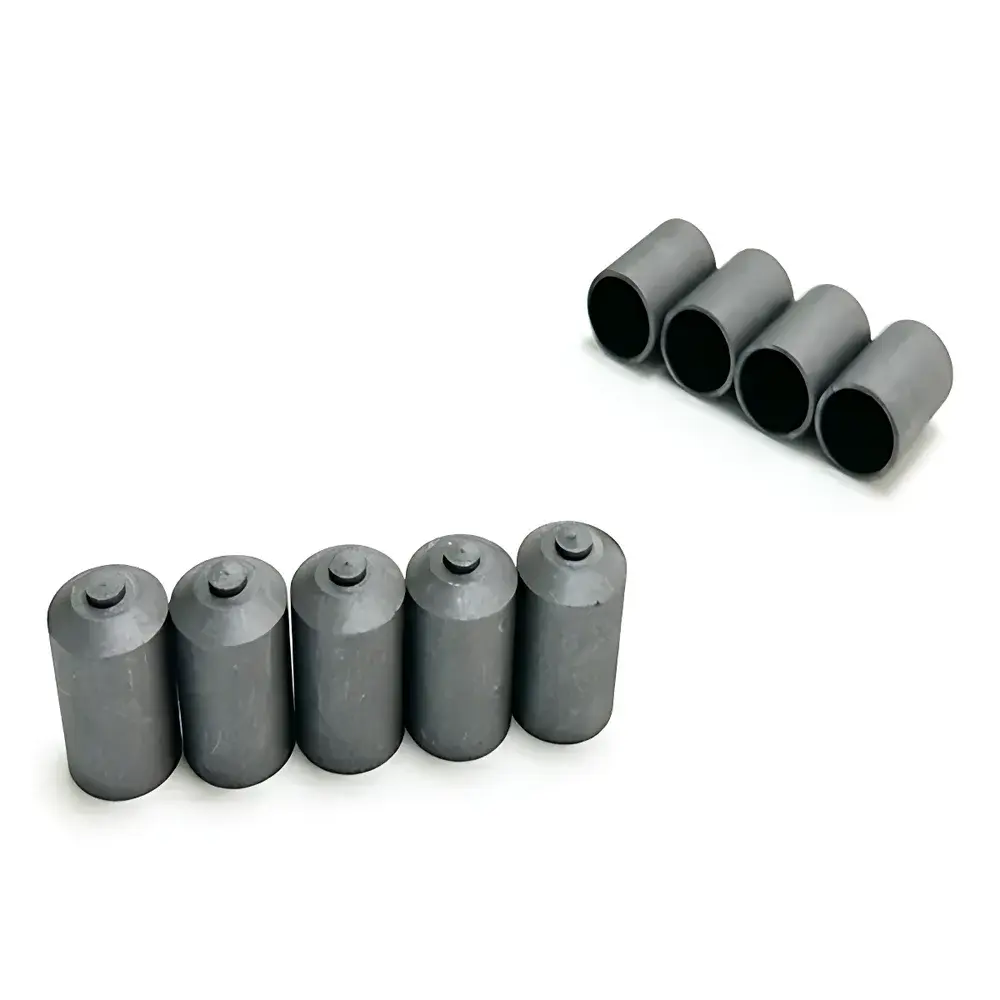
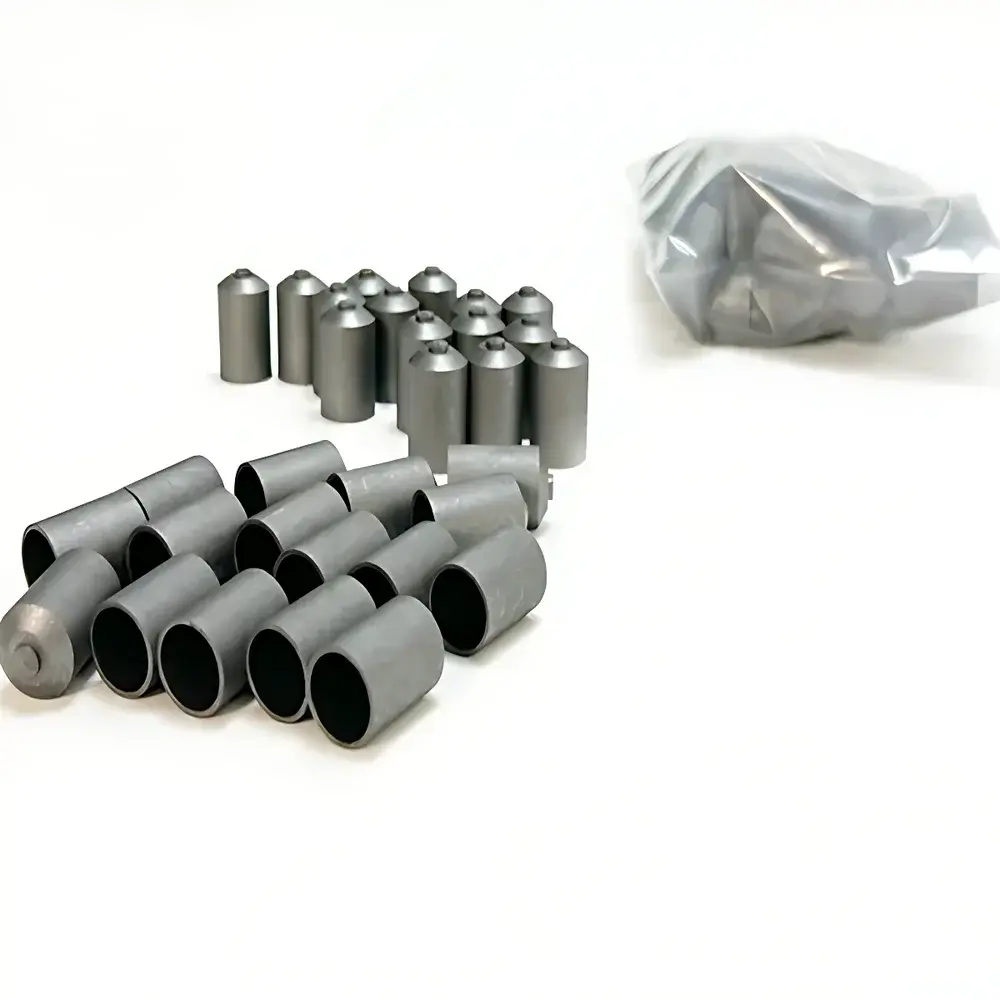
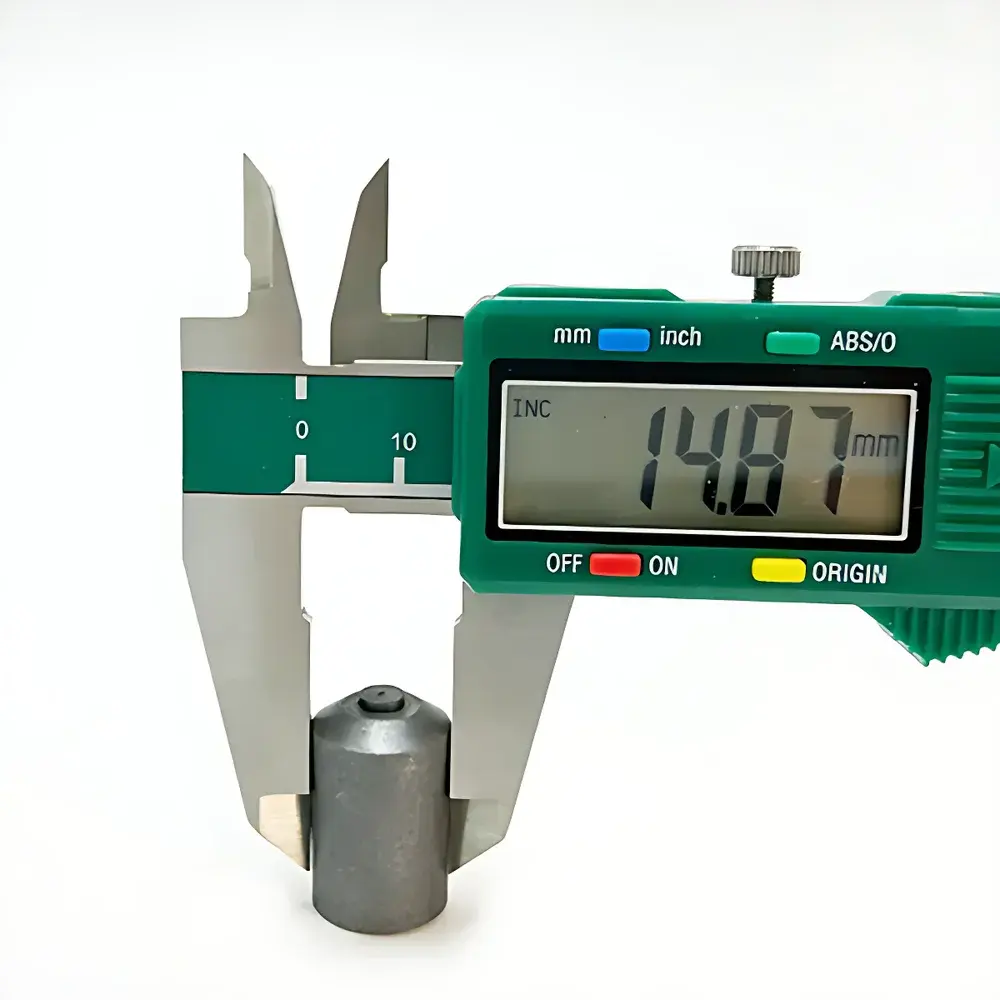
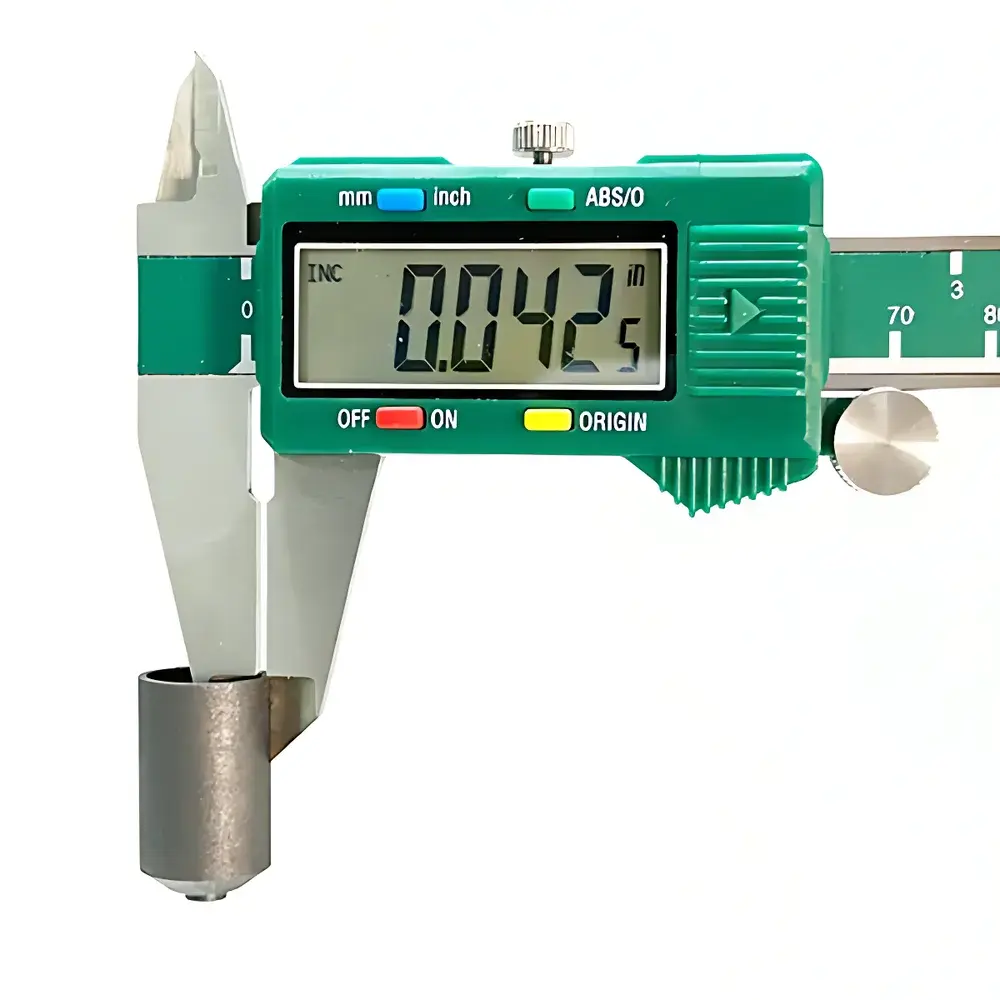
Alpha Resources AR433 Graphite Outer Crucible for Inert Gas Fusion Oxygen/Nitrogen/Hydrogen Analyzers
| Brand | Alpha Resources |
|---|---|
| Origin | USA |
| Model | AR433 |
| Compatibility | ELTRA®, HORIBA® LECO®, Bruker® ONH-p/D Series |
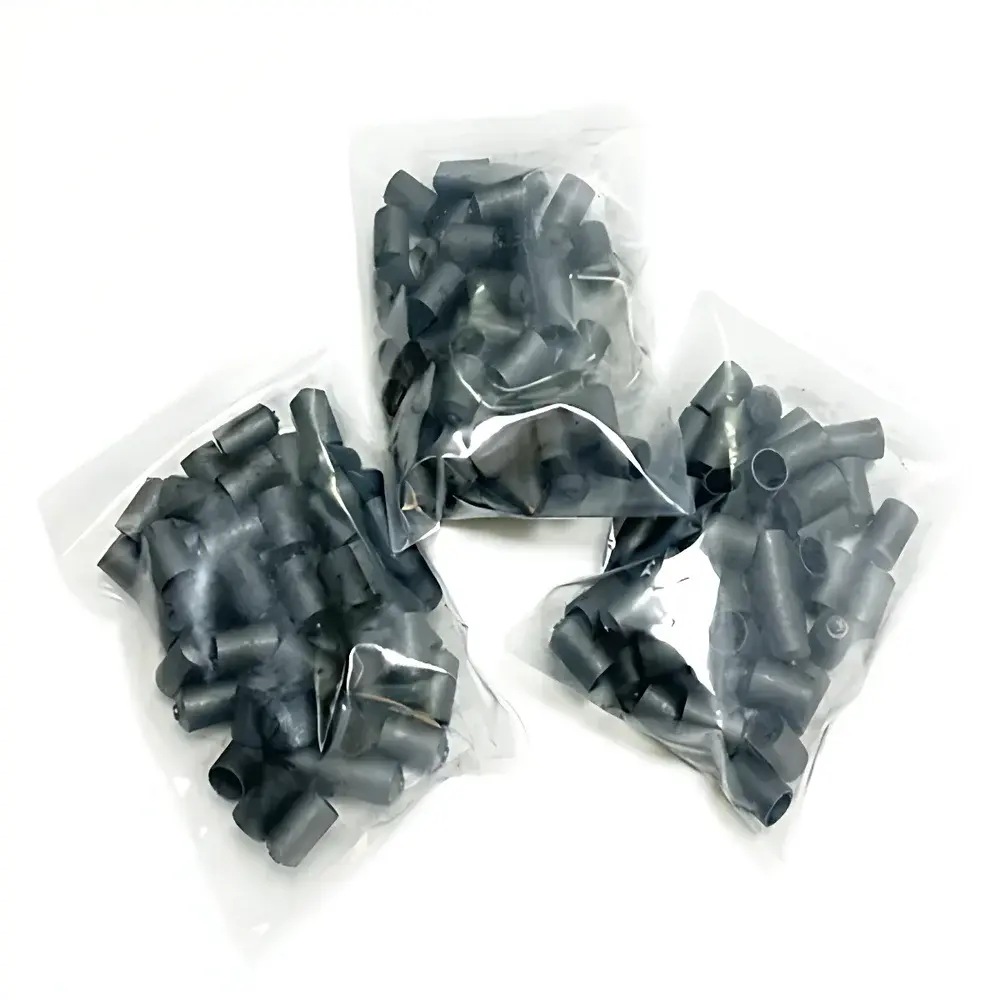
| Packaging | 50 pcs per box |
| OEM Cross-Reference | 90185775-433 |
Overview
The Alpha Resources AR433 Graphite Outer Crucible is a precision-engineered consumable component designed exclusively for inert gas fusion (IGF) elemental analyzers used in quantitative determination of oxygen (O), nitrogen (N), and hydrogen (H) in solid inorganic materials. It functions as the outer containment vessel in dual-crucible configurations—typically paired with the AR5431 inner graphite crucible—to enable controlled, high-temperature thermal decomposition (>3,000 °C) under purified argon or helium carrier gas. During analysis, the sample is fused in the inner crucible while the outer crucible provides structural integrity, thermal shielding, and contamination control—critical for maintaining baseline stability, minimizing memory effects, and ensuring reproducible gas evolution kinetics. Its geometry and density profile are optimized to withstand rapid thermal cycling, resist mechanical erosion from molten metal splatter, and minimize carbon carryover during CO/CO₂ generation steps essential for oxygen quantification via infrared absorption.
Key Features
- High-purity, low-ash isotropic graphite formulation engineered for thermal shock resistance up to 3,200 °C
- Dimensionally stable outer crucible geometry compatible with ELTRA ELEMENTRAC ONH-p/D, HORIBA EMGA-920/921, LECO ONH836, and Bruker G4 PHOENIX platforms
- Optimized wall thickness and taper angle to ensure uniform heat distribution and prevent crucible fracture during pulse furnace ignition
- Pre-sintered surface finish minimizes particulate shedding and reduces background CO signal drift during IR cell measurement
- Batch-certified for ash content ≤15 ppm and sulfur content ≤5 ppm—validated per ASTM E1019 and ISO 14284 requirements for trace gas analysis
- Traceable lot numbering and CoA documentation provided with each shipment for GLP/GMP audit compliance
Sample Compatibility & Compliance
The AR433 crucible supports analysis of refractory metals (Ti, Zr, Nb, Ta), ferrous and non-ferrous alloys (steels, cast irons, Cu, Al), ceramics (SiC, Al₂O₃, BN), and advanced composites. Its design meets the mechanical and chemical constraints imposed by ASTM E1019 (Standard Test Methods for Determination of Carbon, Sulfur, Nitrogen, and Oxygen in Steel, Iron, Nickel, and Cobalt Alloys), ISO 14284 (Steel and Iron — Determination of Oxygen Content), and USP (Heavy Metals) when used in validated O/N/H methods. When deployed in regulated environments—including pharmaceutical excipient testing, aerospace alloy certification, and nuclear-grade material QA—the crucible’s consistent performance contributes directly to method ruggedness and 21 CFR Part 11–compliant data integrity when paired with instrument software featuring electronic audit trails.
Software & Data Management
While the AR433 itself is a passive consumable, its dimensional consistency and thermal behavior directly impact calibration linearity and peak shape reproducibility in instrument control software such as ELTRA WinElement, HORIBA EMGA Manager, LECO Ultra, and Bruker OPUS. Each lot undergoes empirical validation against certified reference materials (CRMs) including NIST SRM 660c (LaB₆), BAM RM 101 (Fe–0.1 wt% O), and IARM 95G (Ti–0.15 wt% N) to ensure <±0.5% RSD in O/N recovery across ≥50 consecutive runs. This enables laboratories to maintain long-term calibration stability without frequent recalibration—reducing downtime and supporting automated QC flagging within LIMS-integrated workflows.
Applications
- Quality assurance of titanium sponge and aerospace-grade Ti-6Al-4V billets
- Oxygen content verification in silicon carbide sintering powders for semiconductor substrate manufacturing
- Hydrogen embrittlement screening in high-strength steel fasteners per ASTM F2792
- Nitrogen specification compliance for stainless steels (e.g., UNS S32205) and nitrided tool steels
- Process validation of powder metallurgy feedstocks where interstitial gas content dictates sintering behavior
- Failure analysis of ceramic insulators exhibiting thermal cracking linked to residual oxygen
FAQ
What is the maximum recommended operating temperature for the AR433 crucible?
The AR433 is rated for continuous use at 3,000 °C with peak tolerance up to 3,200 °C in pulsed furnace applications—consistent with ELTRA ONH-D and HORIBA EMGA-921 specifications.
Is the AR433 compatible with hydrogen-only analysis mode?
Yes—its low hydrogen retention and minimal outgassing profile make it suitable for H-determination protocols requiring extended pre-bake cycles under vacuum or inert purge.
How does the AR433 differ from standard single-wall graphite crucibles?
Unlike monolithic crucibles, the AR433’s outer-wall configuration isolates thermal stress from the inner crucible, extends system lifetime, and improves signal-to-noise ratio in low-concentration nitrogen measurements (<10 ppm).
Do you provide lot-specific certificates of analysis?
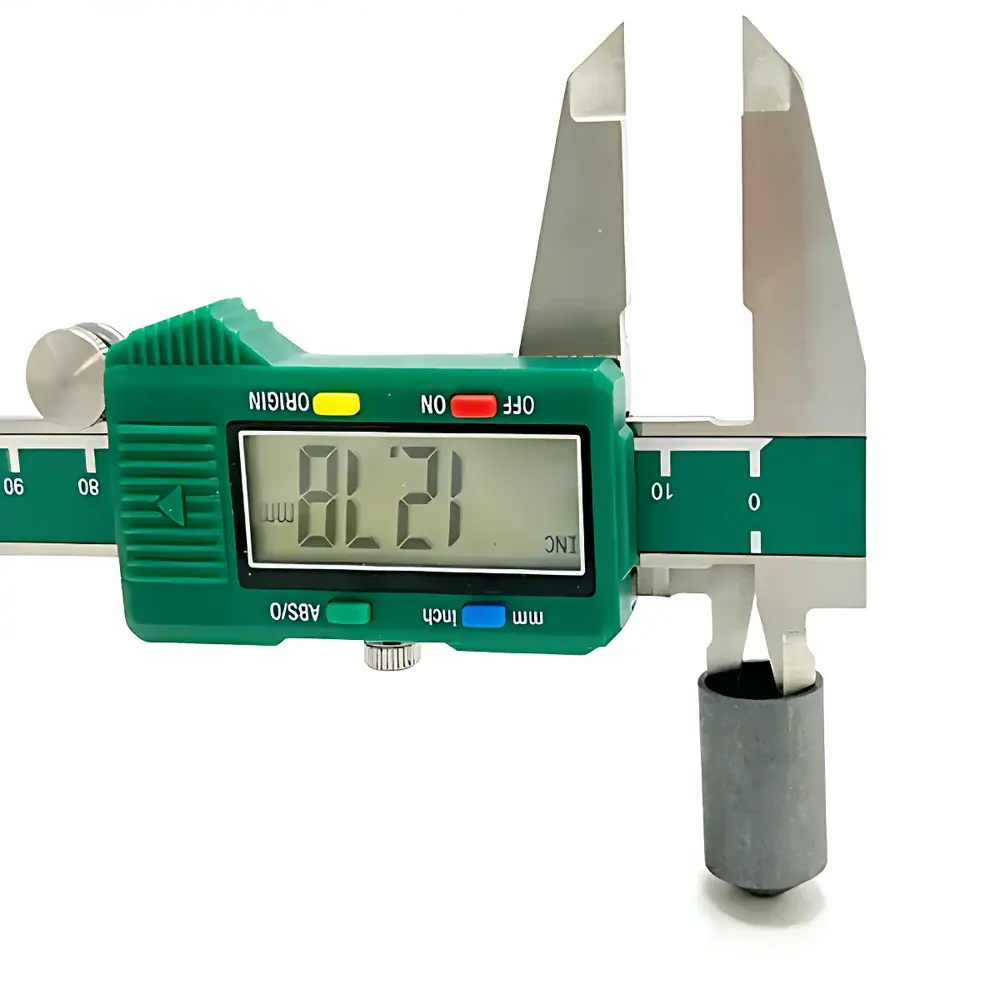
Yes—each box includes a CoA listing ash content, sulfur content, dimensional tolerances (OD/ID/height ±0.15 mm), and CRM-based recovery data for O/N/H.
Can the AR433 be reused?
No—Alpha Resources specifies single-use operation per ASTM E1019 Annex A2 to prevent cross-contamination and ensure measurement traceability; reuse invalidates calibration validity and violates ISO/IEC 17025 clause 7.7.



