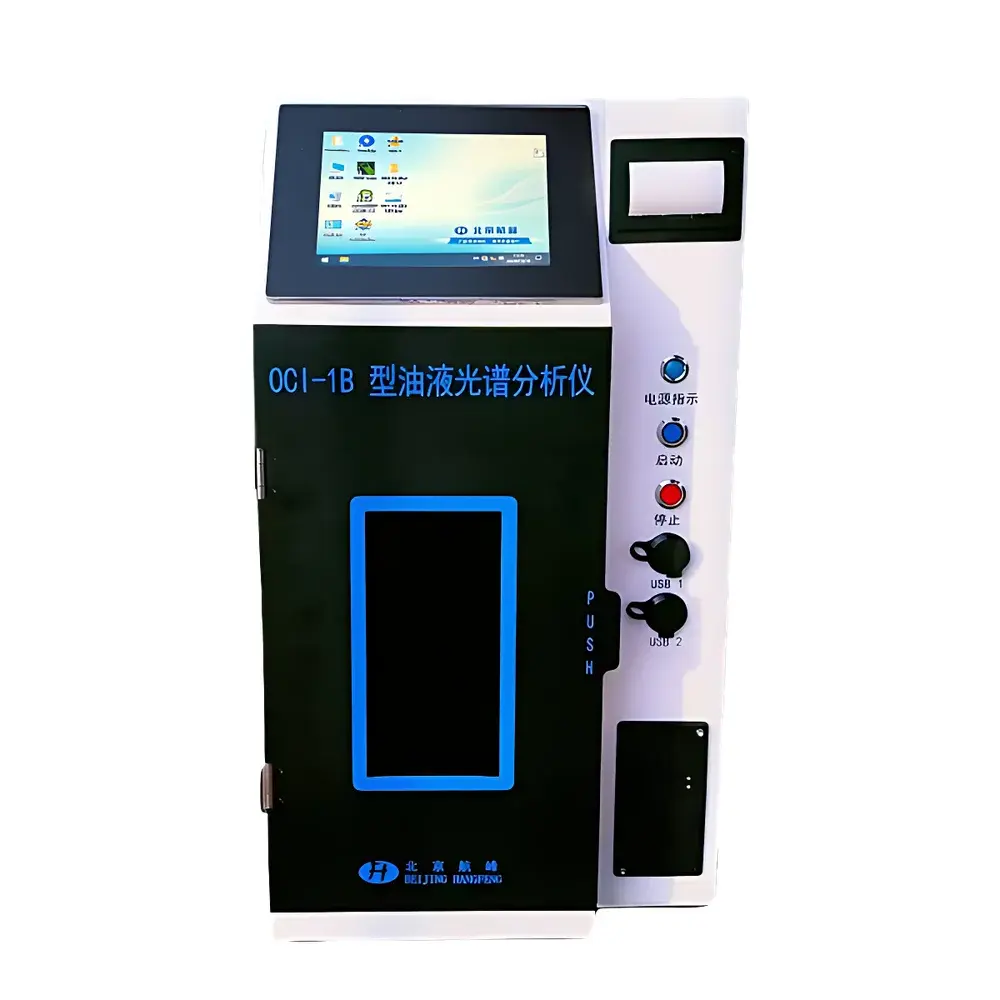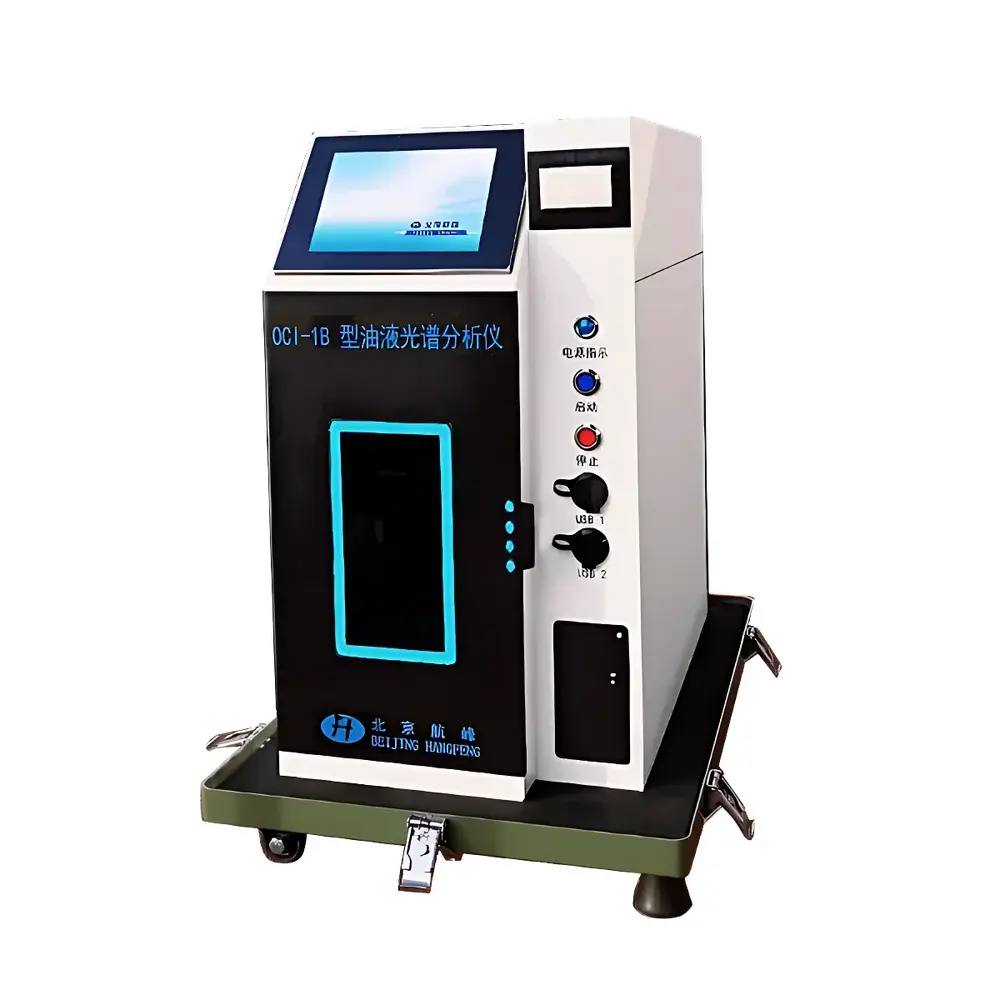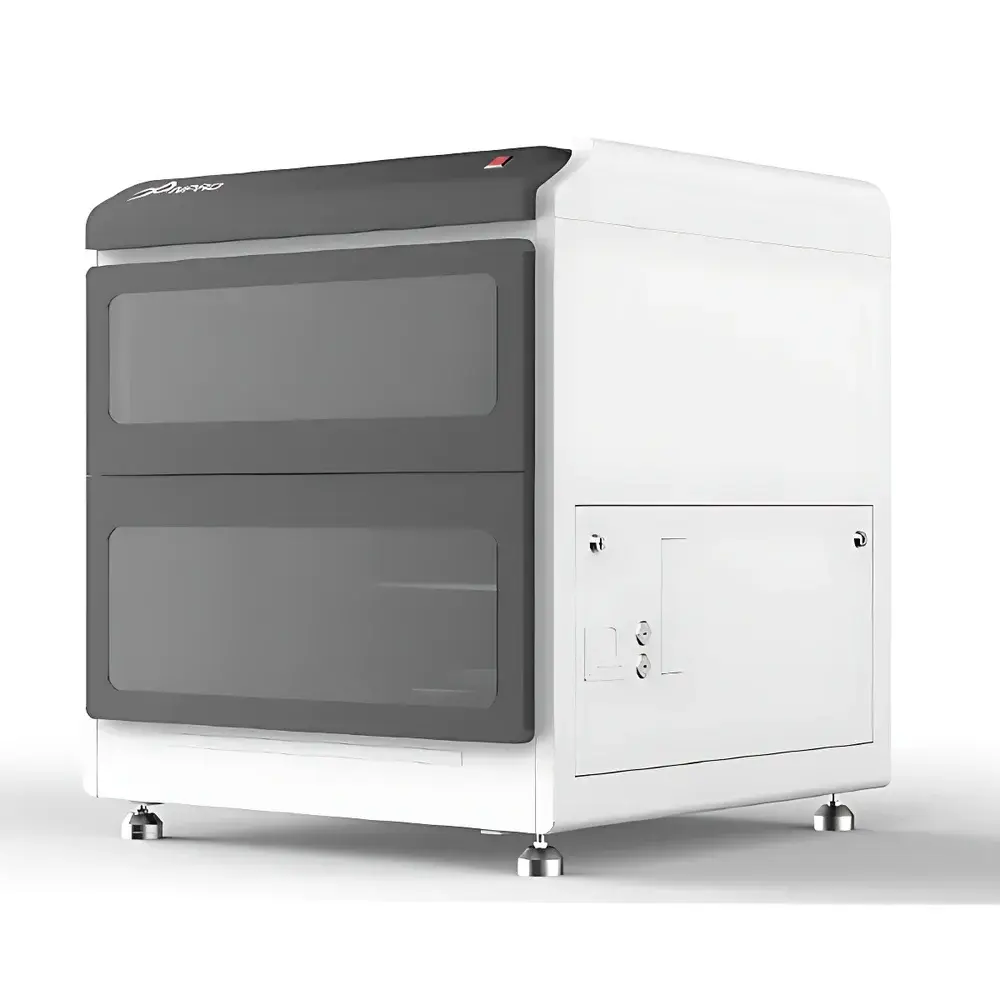
Anpro EV-X Series Automated Mycotoxin & Multi-Contaminant Immunoassay Analyzer
| Brand | Anpro |
|---|---|
| Model | EV-X |
| Origin | Sichuan, China |
| Manufacturer Type | Direct Manufacturer |
| Instrument Category | Automated Immunoassay Analyzer for Mycotoxins, Heavy Metals & Pesticide Residues |
| Compliance | GB 2761–2017, GB 2762–2022, LST 6111–2015 to LST 6114–2015, LST 6144–2023, LST 6145–2023 |
| Throughput | ≥20 samples/hour (40 test results/hour) |
| Sample Capacity | 10 independent reaction channels |
| Detection Principle | Quantitative Enzyme-Linked Immunosorbent Assay (ELISA) with photometric readout |
| Sample Types | Cereals, oilseeds, feedstuffs, edible oils, dairy products, traditional Chinese medicinal materials |
| Key Analytes | Aflatoxin B₁, Aflatoxin M₁, Total Aflatoxins, Deoxynivalenol (DON), Zearalenone (ZEN), Fumonisins, Ochratoxin A, T-2 Toxin, Pb, Cd, Cr, Cu, Acetamiprid, Emamectin benzoate, Isoprocarb, Carbaryl, Parathion-methyl, Lambda-cyhalothrin |
| LOD Range | 0.01–10 ppb (mycotoxins), 0.01–0.1 ppm (pesticides), 0.02–0.1 ppm (heavy metals) |
| Liquid Handling Accuracy | ≤1% CV |
| Automation Scope | Full unattended workflow — sample loading, extraction, dilution, reagent preheating, cartridge preheating, incubation, optical detection, and data upload |
Overview
The Anpro EV-X Series Automated Mycotoxin & Multi-Contaminant Immunoassay Analyzer is an integrated benchtop platform engineered for high-throughput, quantitative immunoassay-based analysis of mycotoxins, heavy metals, and pesticide residues in complex food and agricultural matrices. It operates on the principle of competitive or sandwich enzyme-linked immunosorbent assay (ELISA), coupled with precision photometric detection at 450 nm. Unlike conventional manual ELISA workflows, the EV-X system eliminates operator-dependent variability by automating all critical steps—including solid-phase extraction, buffer dilution, reagent dispensing, temperature-controlled incubation (37 °C ± 0.5 °C), and endpoint absorbance measurement—within a single instrument footprint. Designed for routine compliance testing in QC laboratories, grain elevators, feed mills, and contract testing facilities, it delivers reproducible, audit-ready data aligned with national food safety regulatory frameworks.
Key Features
- Ultra-parallel processing architecture: Ten independent reaction channels enable true concurrent analysis—no batch constraints, no queue delays—supporting random-access “sample-in, result-out” operation.
- Intelligent liquid handling system: High-precision syringe pumps with real-time liquid level sensing ensure ≤1% volumetric error during aspiration and dispensing, even across viscous or particulate-laden extracts.
- Adaptive extraction module: Integrated vortex-assisted centrifugation unit optimizes analyte recovery from heterogeneous samples (e.g., ground maize, soybean meal, dried herbs) without requiring off-line homogenization or filtration.
- Thermal management subsystem: Dual-zone heating maintains strict thermal stability: 37 °C for immunoassay incubation and 45 °C for conjugate and substrate pre-warming—critical for kinetic consistency across runs.
- Self-diagnostic firmware: Continuous hardware monitoring detects anomalies in pipetting force, optical path integrity, temperature deviation, or cartridge recognition; logs fault codes with timestamped event history.
- Modular assay cartridge design: Pre-configured, barcode-scanned ELISA strips eliminate manual plate preparation and reduce cross-contamination risk—each lot is traceable to certificate of analysis.
Sample Compatibility & Compliance
The EV-X analyzer accepts raw or minimally processed samples—including whole grains, milled cereals, oilseed cakes, powdered herbs, liquid milk, and refined edible oils—following standardized extraction protocols defined in GB/T 5009.x and LST methods. Its analytical performance meets or exceeds the sensitivity and repeatability requirements specified in GB 2761–2017 (mycotoxins), GB 2762–2022 (contaminants), and associated LST standards for rapid screening instruments. All calibration curves, validation reports, and method transfer documentation are structured to support GLP-compliant audits and ISO/IEC 17025 accreditation. The system supports user-defined method validation per ICH Q2(R2) guidelines and records full audit trails—including operator ID, timestamp, parameter edits, and raw absorbance values—in accordance with FDA 21 CFR Part 11 requirements when paired with validated LIMXIS software.
Software & Data Management
Controlled via the LIMXIS Laboratory Information Management System (LIMS)-ready interface, the EV-X platform provides role-based access control, electronic signature capability, and encrypted local database storage. Method templates are preloaded for all listed analytes, with configurable curve-fitting algorithms (4PL, 5PL, log-logit). Raw data export options include CSV, PDF analytical reports, and XML-compatible structured output for seamless integration into enterprise LIMS or ERP systems. All instrument events—including maintenance alerts, calibration logs, and consumables usage—are time-stamped and archived with cryptographic hash verification to ensure data integrity throughout the instrument lifecycle.
Applications
- Routine surveillance of incoming raw materials at flour mills and feed compounders
- Release testing of finished edible oils and nut butters for aflatoxin compliance
- Multi-residue screening of herbal decoction pieces prior to GMP manufacturing
- Third-party verification testing for export certification (e.g., EU Regulation (EC) No 1881/2006, China’s GB standards)
- On-site rapid assessment during grain harvest campaigns or feed recall investigations
- Method development and cross-validation studies between ELISA and LC-MS/MS platforms
FAQ
Does the EV-X require external calibration standards for each run?
No—pre-loaded, factory-calibrated reference cartridges are used for daily system suitability checks; user-supplied calibrators are only required during initial method setup or after major maintenance.
Can the instrument be validated for ISO/IEC 17025 accreditation?
Yes—the system includes built-in performance qualification tools, documented uncertainty budgets per analyte, and full traceability to NIST-traceable reference materials.
Is remote diagnostics supported?
Yes—optional secure TLS-encrypted remote access allows certified service engineers to perform firmware updates, diagnostic sweeps, and parameter optimization without onsite visits.
What consumables does the system use?
Disposable assay cartridges, extraction tips, and reagent reservoirs—all barcoded and tracked via LIMXIS inventory management.
How is carryover contamination prevented between samples?
The liquid handling system employs positive displacement pipetting with disposable tips and integrated wash stations using dual-solvent (water + ethanol) cleaning cycles between each aspiration step.