
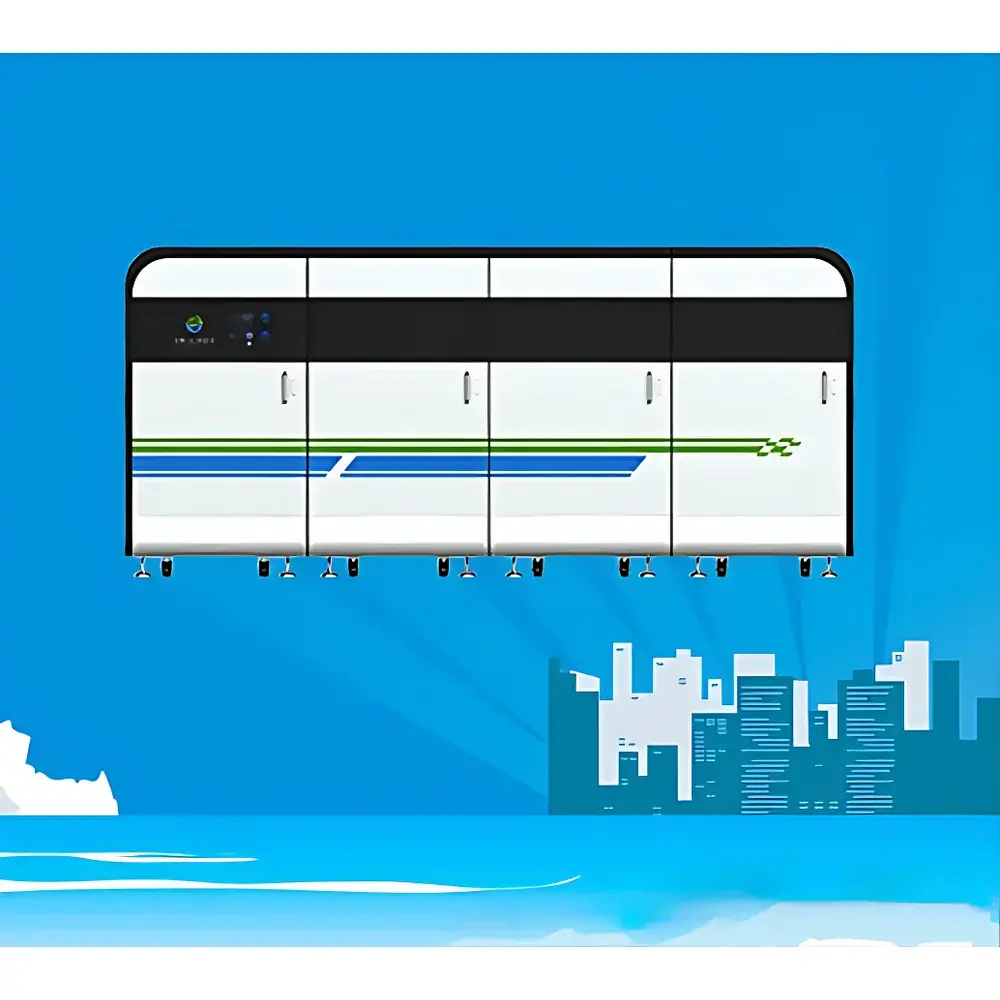
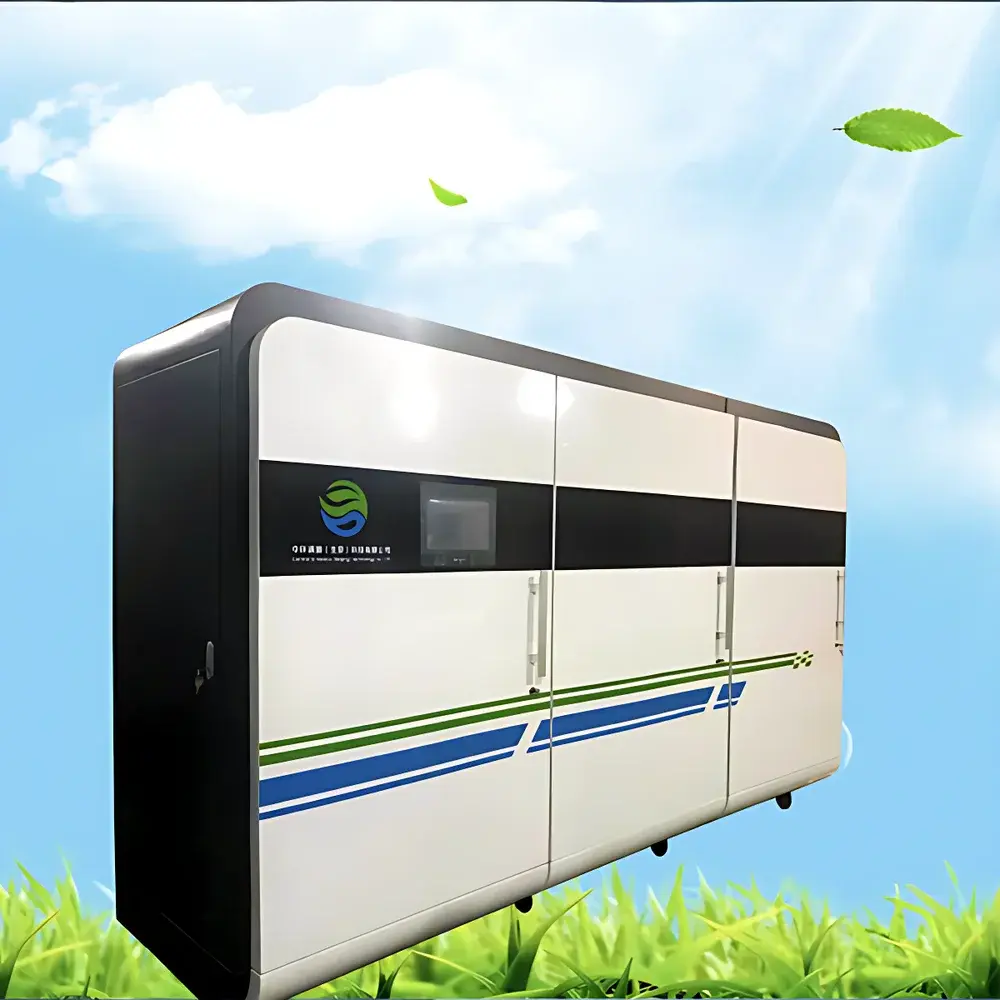
Zhonghuan Qingyuan ZHFS-1T-T Integrated Laboratory Wastewater Treatment System
| Brand | Zhonghuan Qingyuan (ZHQY) |
|---|---|
| Origin | Beijing, China |
| Manufacturer Type | Direct Manufacturer |
| Product Origin | Domestic (China) |
| Model | ZHFS-1T-T |
| Treatment Capacity | 1 m³/day |
| Treatment Principles | Coagulation-Flocculation, Oxidation (Electrochemical, Ozone-Catalytic, Photocatalytic), Adsorption, Filtration (Membrane & Granular Media) |
| Compliance Standard | GB 8978–1996 Grade I Discharge Standard (China National Integrated Wastewater Discharge Standard) |
| Applicable Waste Stream | Mixed Laboratory Wastewater (Inorganic, Organic, and Biohazardous Fractions) |
Overview
The Zhonghuan Qingyuan ZHFS-1T-T Integrated Laboratory Wastewater Treatment System is an engineered, modular solution designed for the on-site treatment of heterogeneous laboratory effluent. Unlike municipal wastewater, laboratory wastewater exhibits highly variable composition—including heavy metals (Pb²⁺, Hg²⁺, Cd²⁺, Cr⁶⁺, Cu²⁺, Sb³⁺, Fe²⁺, Al³⁺, Mn²⁺), halides, strong acids/bases, organic solvents (e.g., benzene, toluene, xylene, phenols), pesticides, pathogens (viruses, chlamydia, mycoplasma, spores of Bacillus anthracis), and low-level radionuclides. The ZHFS-1T-T applies a sequential, multi-barrier treatment architecture grounded in physicochemical and advanced oxidation principles—notably coagulation-flocculation under pH auto-adjustment, micro-electrolysis, electrochemical catalytic oxidation, ozone-catalytic oxidation, UV/TiO₂ photocatalysis, and selective adsorption—followed by dual-stage filtration (granular media + ultra-low fouling composite membrane) and final disinfection. This configuration ensures robust removal of COD, BOD₅, suspended solids (SS), color, pathogenic microorganisms, and trace toxicants while maintaining compliance with stringent discharge benchmarks applicable to institutional infrastructure projects.
Key Features
- Modular, skid-mounted design enabling indoor or corridor installation without civil excavation—reducing footprint by >60% versus conventional tank-based systems.
- Full automation via PLC-integrated HMI interface with real-time parameter monitoring (pH, ORP, conductivity, liquid level, flow rate) and fault diagnostics.
- Multi-layered safety protection: leakage/ground-fault cutoff, overpressure/underpressure interlock, dry-run prevention for pumps, motor overload and circuit overcurrent tripping, and automatic shutdown upon critical level deviation.
- Self-cleaning cycles for coagulation reactors, electrolytic cells, and membrane modules—scheduled based on operational hours or pressure differential thresholds to extend component service life.
- Energy-efficient operation: total system power draw ≤1.8 kW; corrosion-resistant peristaltic dosing pumps and low-noise submersible motors ensure <55 dB(A) acoustic emission during continuous duty.
- Zero secondary pollution: fully enclosed process train prevents fugitive emissions; no sludge cake generation (all precipitates are stabilized in-situ and retained within sealed reaction chambers); no vented off-gas requiring scrubbing.
- Scalable architecture: same control logic and unit operations support variants from 0.5 m³/day to 50 m³/day—enabling standardized procurement across multi-building campus deployments.
- Compliance-ready documentation package: includes factory calibration records, material compatibility certificates (EPDM, PVDF, SS316L), and log files structured for GLP/GMP audit trails per ISO/IEC 17025 requirements.
Sample Compatibility & Compliance
The ZHFS-1T-T is validated for mixed influent streams typical of research laboratories, teaching facilities, pharmaceutical QC labs, and clinical diagnostic centers. It accepts influent with pH 2–12, turbidity up to 500 NTU, COD ≤1,200 mg/L, and total heavy metal concentration ≤50 mg/L (as sum of regulated species). Treated effluent consistently meets GB 8978–1996 Grade I limits (e.g., COD ≤60 mg/L, SS ≤20 mg/L, total Cr ≤0.5 mg/L, Pb ≤0.5 mg/L, Hg ≤0.05 mg/L, fecal coliform ≤500 MPN/L) and GB/T 31962–2015 Class A discharge criteria for sewer entry. System design adheres to China’s “Technical Guidelines for Environmental Impact Assessment of Construction Projects (HJ 2.1–2016)” and aligns with international best practices referenced in ISO 14001:2015 Annex A.6.2 for hazardous waste minimization.
Software & Data Management
The embedded control system runs on a Linux-based RTOS with encrypted local data storage (≥12 months of 1-min interval logs). All operational events—including reagent dosing volumes, pump runtimes, alarm triggers, and manual override actions—are time-stamped and exportable via USB or Ethernet in CSV format. Audit trail functionality satisfies basic electronic record integrity requirements analogous to FDA 21 CFR Part 11 Subpart B (electronic signatures not implemented; manual sign-off remains primary). Remote diagnostics capability supports secure SSH access for authorized technical support personnel only—no cloud connectivity or vendor telemetry enabled by default.
Applications
This system serves as a primary treatment node for centralized lab waste management in university science complexes, hospital core labs, contract research organizations (CROs), biotech pilot facilities, and regulatory testing laboratories. It is especially suited for institutions undergoing LEED or Green Lab certification where on-site treatment reduces reliance on municipal pretreatment agreements and avoids surcharges for heavy metal or solvent-laden discharges. The unit supports both continuous-flow operation (for high-throughput analytical labs) and batch-mode processing (for intermittent synthetic chemistry workflows), with programmable cycle sequencing to optimize oxidant dosage per contaminant profile.
FAQ
What types of laboratories is this system certified for?
It is engineered for general research, teaching, pharmaceutical quality control, clinical diagnostics, and environmental testing laboratories generating mixed inorganic/organic/biohazardous wastewater.
Does the system require chemical storage or handling by lab staff?
No—automated metering pumps dispense coagulants, pH adjusters, and oxidants from sealed, tamper-evident reservoirs; operators only replace consumables per scheduled maintenance intervals.
Can treated water be reused?
Effluent meets GB 8978–1996 Grade I standards suitable for non-potable reuse (e.g., cooling tower makeup, landscape irrigation); however, additional polishing (e.g., RO) would be required for rinse-water recycling in cleanroom applications.
Is third-party validation data available?
Yes—full-scale performance verification reports from CNAS-accredited environmental testing institutes (CMA-certified) are provided with each delivery, including influent/effluent speciation analysis per GB/T 3049–2006 and GB/T 7466–1987.
What maintenance schedule is recommended?
Quarterly inspection of sensors and dosing lines; semi-annual replacement of activated carbon and ceramic filter elements; annual recalibration of pH/ORP probes and verification of membrane integrity via pressure decay test.



