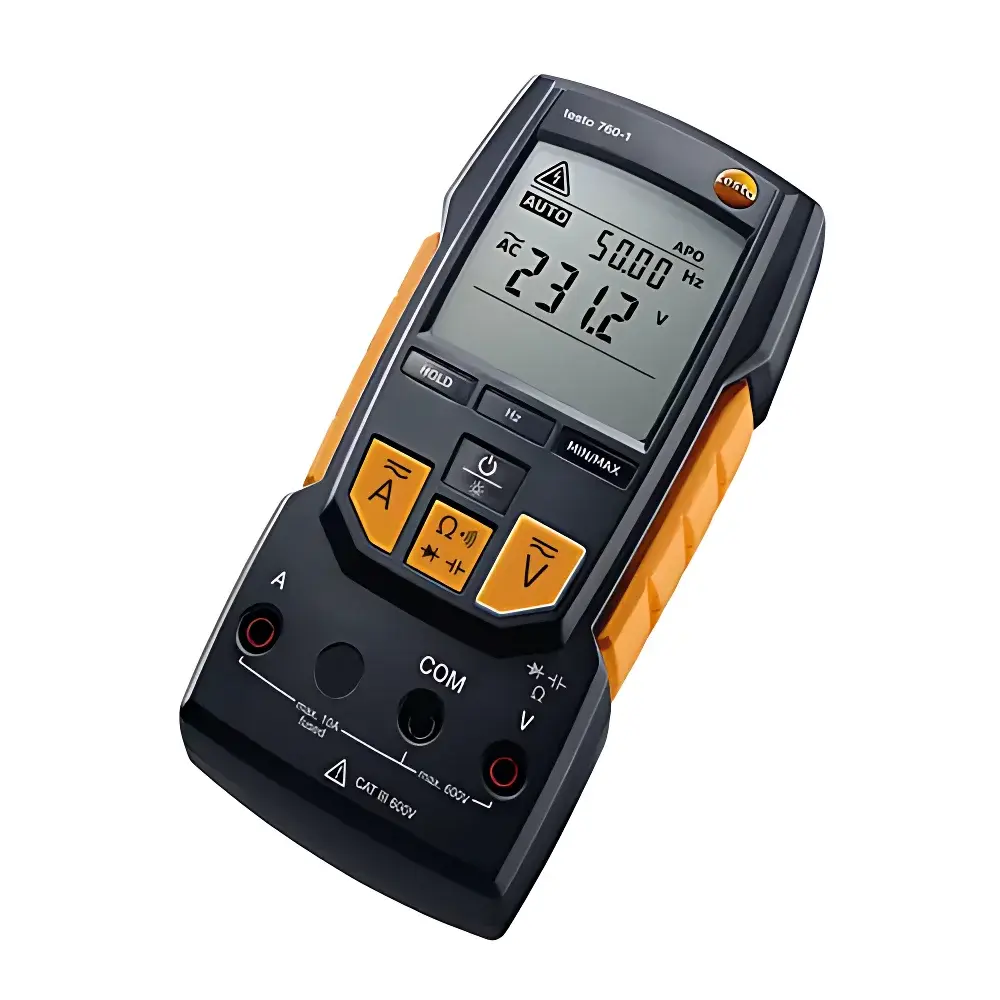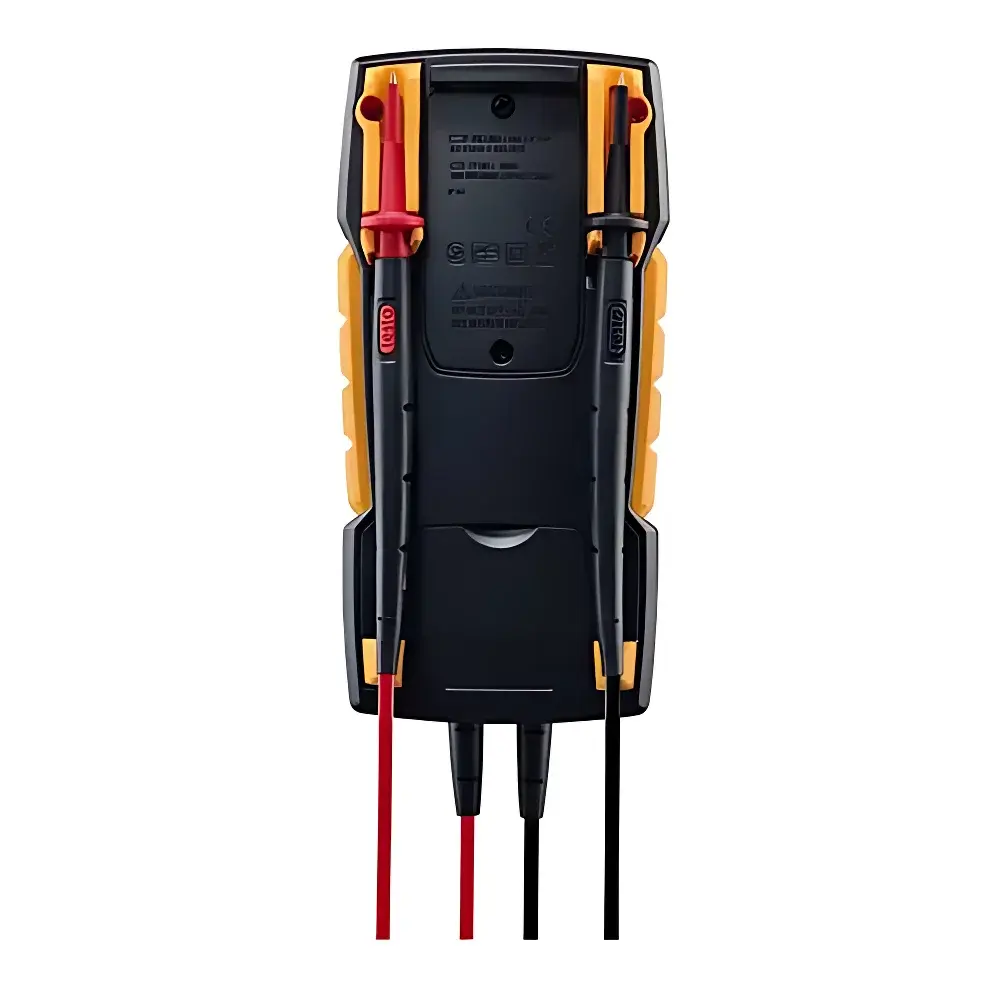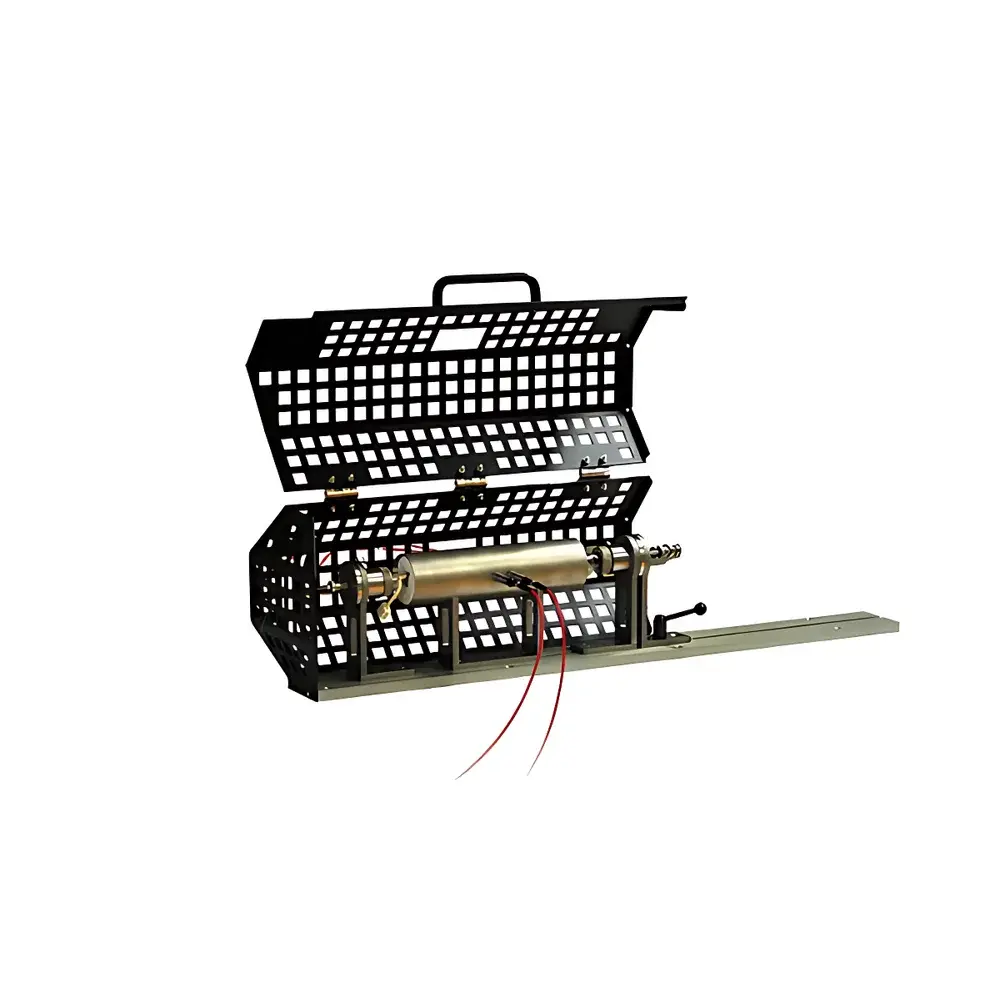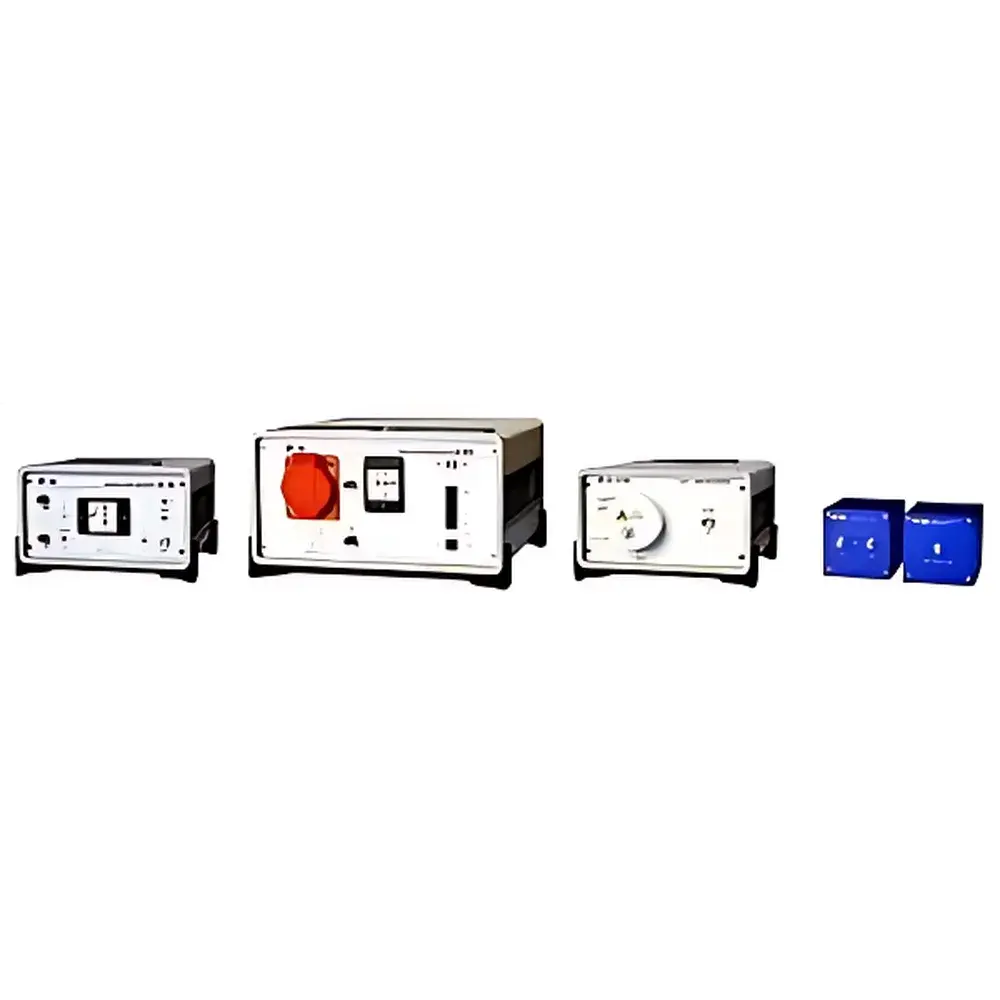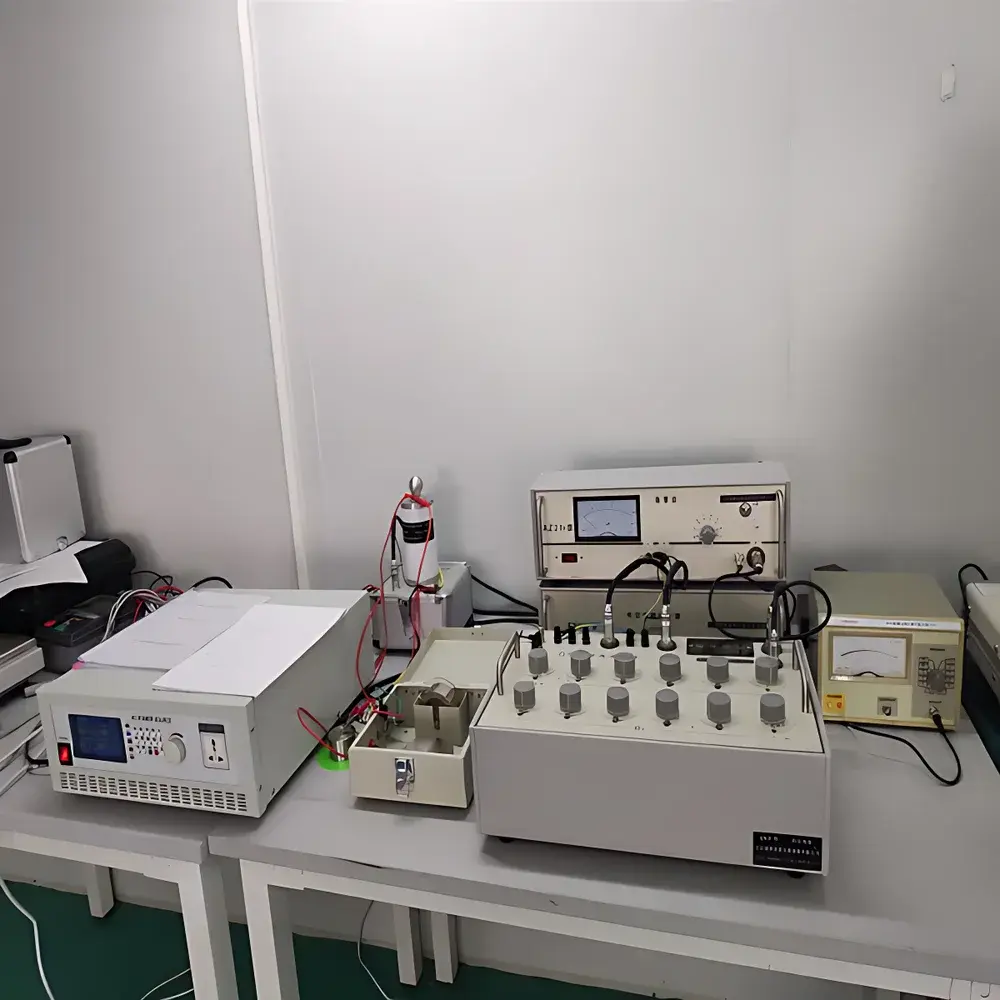
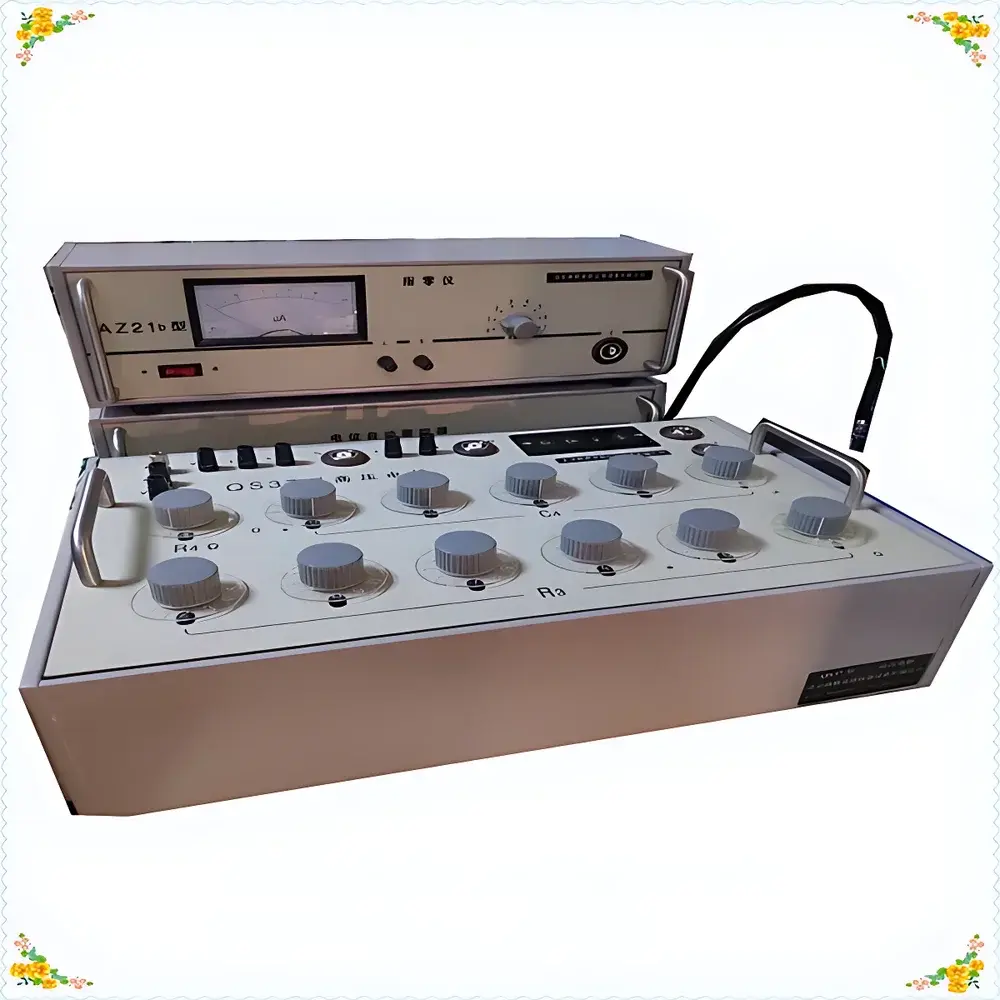
Zhonghang Dingli QS87/QS37 High-Precision High-Voltage Capacitance Bridge for Power-Frequency Dielectric Loss Measurement
| Brand | Zhonghang Dingli |
|---|---|
| Origin | Beijing, China |
| Model | QS87 / QS37 Series |
| Capacitance Range | 0.1Cₙ to 1000Cₙ (7-digit resolution) |
| tgδ Range | −110% to +110% |
| tgδ Accuracy | ≤ 0.2% rdg ± 1×10⁻⁵ |
| tgδ Resolution | 1×10⁻⁶ (1×10⁻⁷ with PC interface) |
| Test Voltage | 0–1000 kV (±1%, 4-digit display) |
| Frequency Range | 35–65 Hz (±1 Hz, 4-digit display) |
| Optional Capacitance Ratio Extender (1000 | 1 → 10⁶:1) |
Overview
The Zhonghang Dingli QS87/QS37 High-Precision High-Voltage Capacitance Bridge is an industrial-grade dielectric characterization instrument engineered for accurate, stable, and traceable measurement of capacitance (Cx), dissipation factor (tan δ), and related electrical parameters under power-frequency AC excitation (35–65 Hz). It operates on the current-comparison principle—a metrologically robust method that eliminates reliance on voltage divider stability and minimizes phase error sources inherent in conventional Schering bridges. This architecture delivers superior ratio accuracy and long-term stability, making it suitable for calibration-grade verification of high-voltage insulation systems in compliance with IEC 60270, IEEE Std 100, and GB/T 16927.1. Designed for use in HV laboratories, transformer manufacturing QA facilities, and national metrology institutes, the bridge supports direct high-voltage application up to 1000 kV peak (Upk/√2), enabling evaluation of dielectric performance under service-relevant stress conditions without external step-up transformers.
Key Features
- Current-comparison bridge topology ensuring intrinsic immunity to humidity-induced drift and thermal EMF errors
- 7-digit capacitance resolution (0.1Cn–1000Cn) with absolute accuracy of ±1×10⁻⁵ across full range
- Ultra-high-resolution tan δ measurement (1×10⁻⁶ standard; 1×10⁻⁷ with synchronized PC acquisition)
- Four-terminal Kelvin connection with integrated lead resistance compensation for elimination of contact and cable impedance artifacts
- Real-time simultaneous readout of 12 derived parameters: Cx, tan δ, test voltage (Upk/√2), Lx, Q-factor, Ix, relative permittivity (εr), excitation frequency (fx), apparent power (S), active power (P), reactive power (Q), and internal real-time clock
- Modular design supporting optional capacitance ratio extender (1000:1 → 106:1) for ultra-low-loss material testing and large-capacitance power capacitor verification
- Integrated overvoltage protection circuitry compliant with IEC 61000-4-5 surge immunity requirements
Sample Compatibility & Compliance
The QS87/QS37 accommodates a broad spectrum of high-voltage dielectric specimens: power cables (XLPE, oil-impregnated paper), bushings, coupling capacitors, shunt reactors, current/voltage transformers, and bulk insulating materials (e.g., transformer oil, epoxy resin, polyethylene films, ceramic substrates). Its four-terminal configuration ensures valid measurements on both two-electrode and guarded-electrode sample geometries per ASTM D150 and IEC 60250. All measurement algorithms adhere to the definitions and uncertainty propagation models specified in ISO/IEC 17025-accredited calibration procedures. The instrument’s digital output interface supports audit-trail logging required under GLP and GMP environments, and its time-stamped data export conforms to FDA 21 CFR Part 11 electronic record integrity standards when used with validated software.
Software & Data Management
A dedicated Windows-based control and analysis suite enables remote operation, automated sweep sequences, and statistical trend analysis. Raw bridge balance data—including phase angle residuals, harmonic content up to 5th order, and real-time signal-to-noise ratio monitoring—is streamed via USB 2.0 or Ethernet (TCP/IP). Export formats include CSV, XML, and HDF5 for interoperability with MATLAB, Python (NumPy/Pandas), and LIMS platforms. All measurement sessions generate tamper-evident metadata logs containing operator ID, environmental timestamp, calibration certificate ID, and hardware revision—fully traceable for ISO 17025 internal audits. Optional firmware upgrade path supports future integration with SCADA-level monitoring systems via Modbus TCP.
Applications
- Acceptance testing and periodic maintenance of HV power equipment per DL/T 474.3 and IEEE C57.12.90
- Determination of εr and tan δ temperature dependence in insulating oils (ASTM D924) and solid dielectrics (IEC 60250)
- Quality assurance of capacitor banks and reactor windings during production
- Investigation of aging mechanisms in polymer insulation through accelerated voltage-temperature stress testing
- Verification of CT/VT ratio and phase angle error (ratio correction and angular correction functions built-in)
- Reference-standard validation in metrology labs accredited to ISO/IEC 17025:2017 clause 6.4.10 (electrical calibration)
FAQ
What measurement principle does the QS87/QS37 employ, and how does it differ from a Schering bridge?
It uses a current-comparison null-balance method, where unknown and reference currents are compared in a magnetic core-based current transformer. Unlike Schering bridges relying on high-impedance voltage dividers, this approach eliminates stray capacitance effects and offers superior phase linearity and long-term stability.
Can the bridge measure both capacitive and inductive samples without hardware reconfiguration?
Yes—the dual-mode bridge circuit automatically detects sample reactance sign and switches internal balancing topology to maintain null conditions for both Cx and Lx measurements within the same test setup.
Is external HV source synchronization supported?
Yes—via BNC-trigger input accepting TTL/CMOS logic signals synchronized to the 50/60 Hz fundamental, enabling phase-coherent measurements in multi-source HV test environments.
Does the instrument support third-party calibration certificate generation?
Yes—its internal calibration memory stores NIST-traceable coefficients, and the software exports calibration reports compliant with ISO/IEC 17025 Annex A.3 requirements for uncertainty budget documentation.
What is the maximum measurable capacitance with the optional ratio extender?
Up to 1100 µF at rated voltage, achieved by extending the base capacitance ratio from 1000:1 to 106:1 while preserving ±1×10⁻⁵ ratio accuracy.