
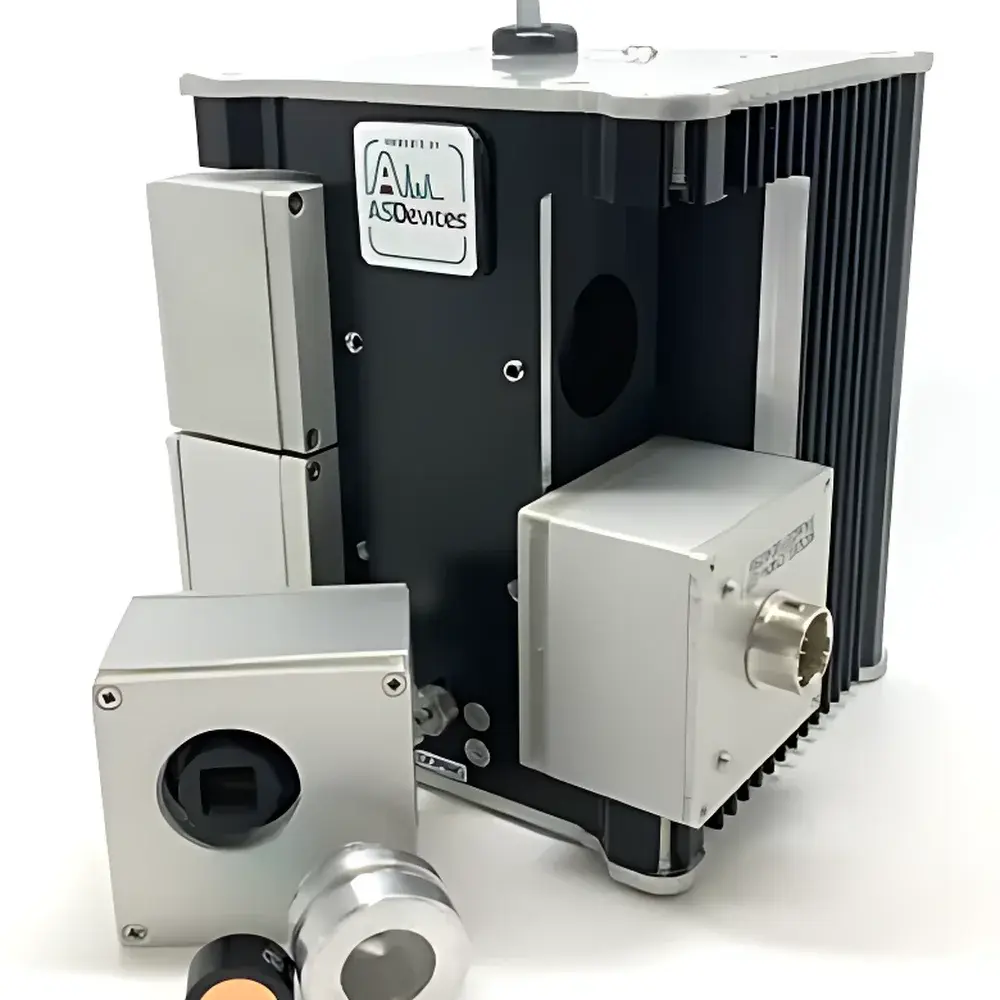
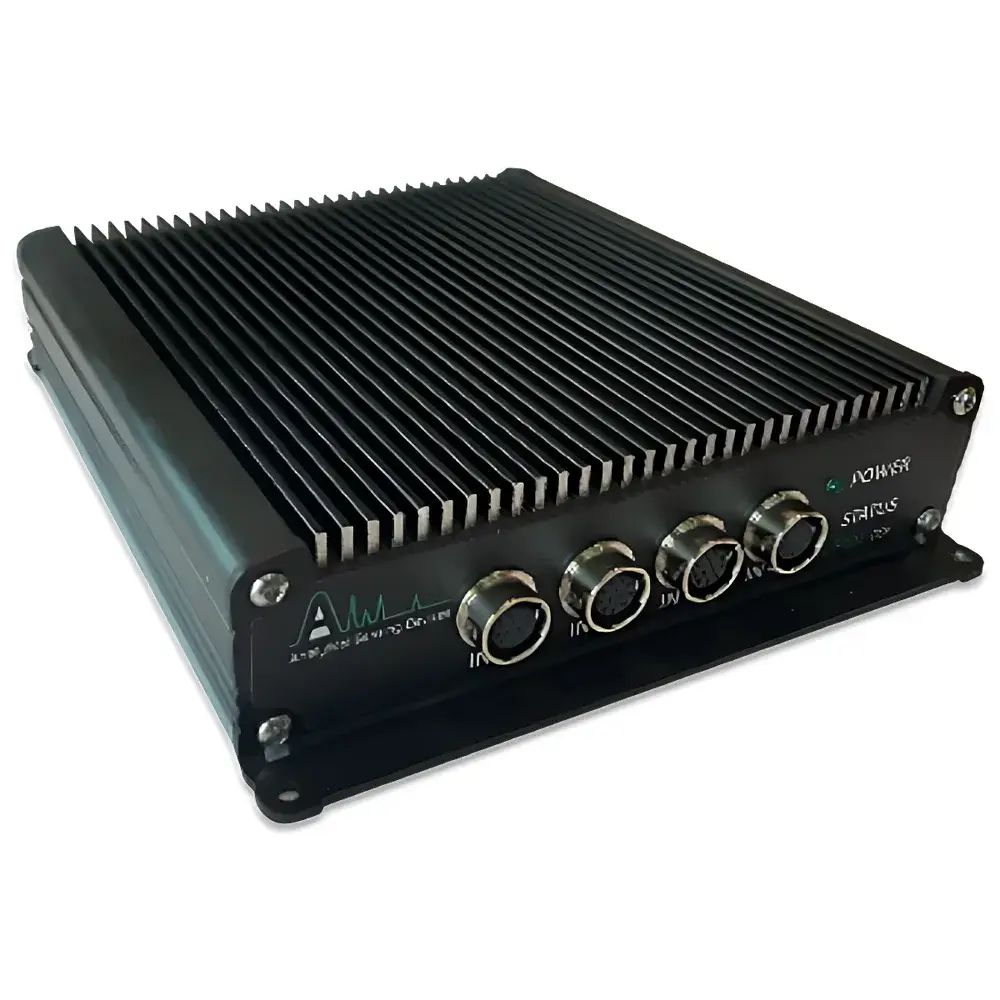
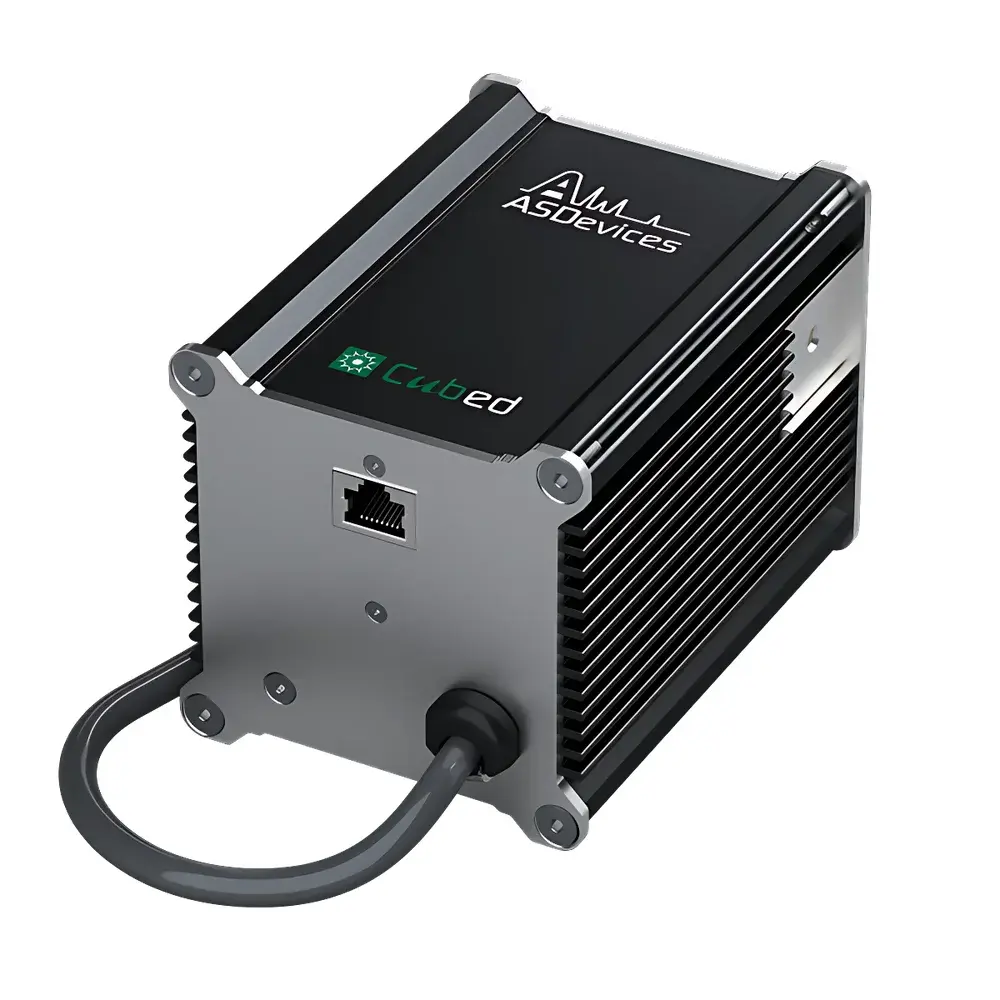
ASDevices GC-EPD Enhanced Plasma Discharge Chromatographic Detector
| Brand | ASDevices |
|---|---|
| Origin | Canada |
| Model | GC-EPD |
| Compatible Instrument | Gas Chromatograph |
| Detector Type | Plasma-Based Universal Detector |
| Wavelength Range | 100 nm – 900 nm |
| Detection Mode | Emission |
| Excitation Source | Radio-Frequency Plasma |
| Noise Level | 0.1 mV (RMS, 1 Hz bandwidth) |
| Detection Limit | 0.5 ppb (for halogenated compounds) |
| Baseline Drift | ≤1% over 24 h |
| Signal Channels | 4 independent analog inputs |
| Calibration Accuracy & Reproducibility | ±1% (full-scale) |
Overview
The ASDevices GC-EPD is an enhanced plasma discharge (EPD) chromatographic detector engineered for universal, selective, and quantitative detection across a broad spectrum of volatile and semi-volatile analytes in gas chromatography (GC) applications. Unlike conventional detectors relying on flame ionization (FID), electron capture (ECD), or thermal conductivity (TCD), the GC-EPD employs a controlled radio-frequency (RF) plasma excitation source to generate metastable species and UV–Vis emission signatures from eluting compounds. This emission-based detection principle enables simultaneous multi-element sensitivity—particularly for halogens, sulfur, nitrogen, phosphorus, and hydrocarbons—without requiring compound-specific derivatization or reactive gases. The detector operates with common carrier gases including argon, helium, nitrogen, oxygen, and hydrogen, eliminating dependency on scarce or regulated helium supplies—a critical advantage for laboratories transitioning toward helium-independent GC workflows per ASTM D7836 and ISO 10156 compliance frameworks.
Key Features
- Four-channel, synchronous 24-bit analog-to-digital conversion at 50 kHz per channel, enabling true parallel acquisition and real-time spectral deconvolution.
- Integrated Chromatographic Processing Module (CPM) featuring an ARM Cortex-M7 processor running a real-time operating system (RTOS), delivering deterministic signal latency <100 µs.
- Adaptive noise suppression algorithm trained on >10⁴ chromatographic baseline profiles, improving signal-to-noise ratio (SNR) by up to 12 dB over conventional EPD implementations.
- Modular architecture comprising three core subsystems: (1) tunable RF plasma generator (1–50 W, 13.56 MHz), (2) broadband optical emission module (100–900 nm, 0.5 nm resolution), and (3) field-programmable DSP engine supporting user-defined spectral weighting and kinetic filtering.
- Plug-and-play digital interface via USB 2.0, RS-485 (Modbus RTU), and 10/100BASE-T Ethernet with IPv4/IPv6 dual-stack support—fully compatible with LabVIEW, Chromeleon, OpenLab CDS, and custom SCADA integration.
- On-demand plasma ignition and quenching (response time <50 ms), permitting background gas flow-through during standby without electrode erosion or baseline disturbance.
Sample Compatibility & Compliance
The GC-EPD demonstrates robust performance across environmental, petrochemical, pharmaceutical, and semiconductor-grade gas analysis applications. It meets IEC 61000-6-3 (EMC emissions) and IEC 61000-6-2 (immunity) standards. Its differential detection mode supports automatic baseline correction against matrix-induced drift—validated per USP and EP 2.2.47 for trace-level impurity profiling. The detector’s calibration traceability aligns with NIST SRM 1648a (urban particulate matter) and EPA Method TO-15 reference standards. All firmware and data handling modules comply with FDA 21 CFR Part 11 requirements for electronic records and signatures when deployed with audit-trail-enabled CDS platforms.
Software & Data Management
The GC-EPD ships with ASDevices’ EPD-Studio v3.2 software suite, providing real-time spectral visualization, multivariate peak deconvolution (using non-negative matrix factorization), and automated library matching against a curated spectral database of 1,280+ compounds. Raw ADC data is stored in HDF5 format with embedded metadata (timestamp, carrier gas type, plasma power, integration time). Export options include CSV (peak table), mzML (chromatogram + spectrum), and PDF reports compliant with GLP audit requirements. Remote monitoring and firmware updates are supported via secure HTTPS REST API with TLS 1.2 encryption.
Applications
- Halogenated VOC monitoring in ambient air (EPA Method TO-17)
- Residual solvent analysis in pharmaceutical intermediates (ICH Q3C)
- Purity assessment of high-purity electronic specialty gases (SEMI F57)
- Trace sulfur speciation in natural gas streams (ASTM D5504)
- Process gas leak detection in semiconductor fab tools (using Ar carrier with sub-ppb H₂S sensitivity)
- Multi-analyte screening in forensic toxicology workflows without method revalidation
FAQ
Can the GC-EPD replace traditional detectors like FID, ECD, or TCD in existing GC systems?
Yes—its universal response profile, plug-and-play analog/digital outputs, and carrier-gas flexibility allow direct substitution without hardware modification or column requalification.
Does the GC-EPD require helium as a carrier gas?
No—it is fully operational with argon, nitrogen, hydrogen, oxygen, or helium; argon is recommended for optimal plasma stability and lowest detection limits.
How is calibration traceability maintained?
Calibration is performed using certified gas standards traceable to NIST; instrument-specific response factors are stored in encrypted EEPROM with SHA-256 checksums.
Is the detector suitable for regulated GMP environments?
Yes—when integrated with 21 CFR Part 11-compliant CDS software, it supports full electronic audit trails, user access control, and data integrity validation per ALCOA+ principles.
What maintenance intervals are recommended?
Plasma electrode cleaning every 500 hours of operation; optical window inspection every 1,000 hours; no consumables required beyond standard GC septa and liners.





