
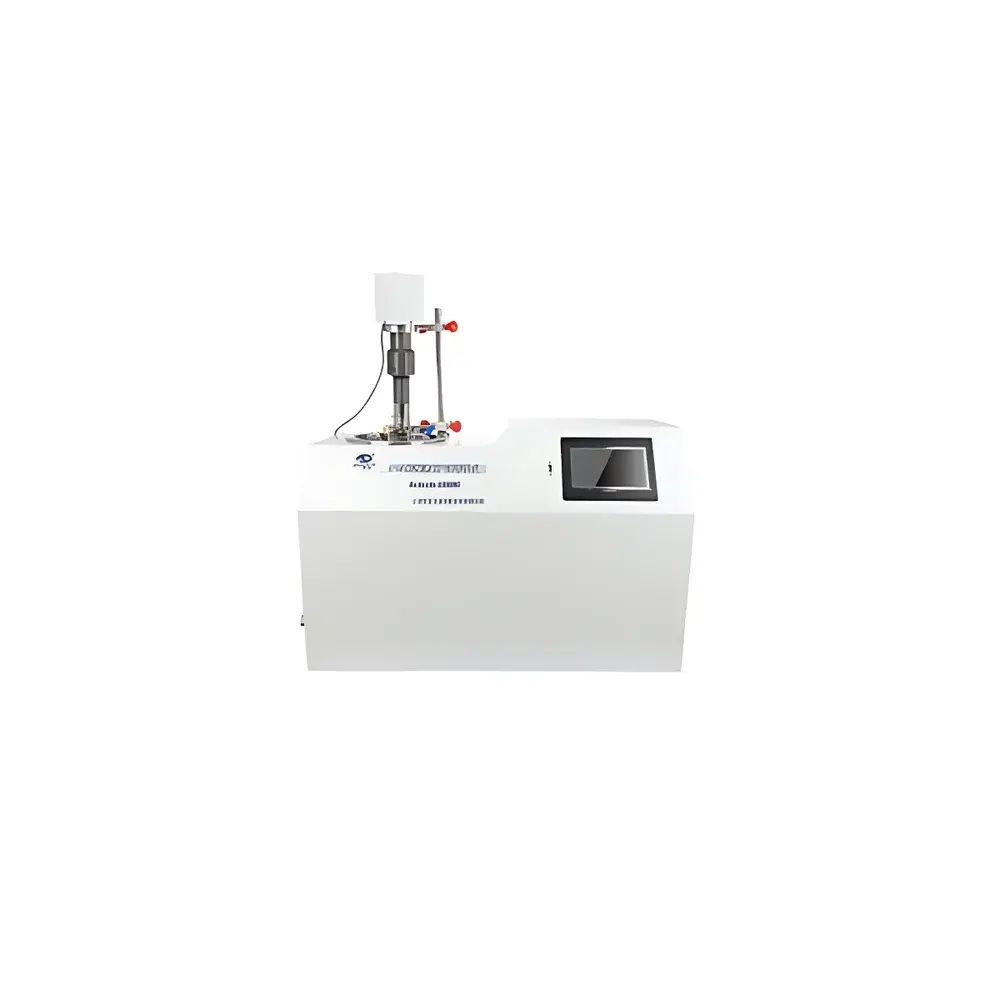
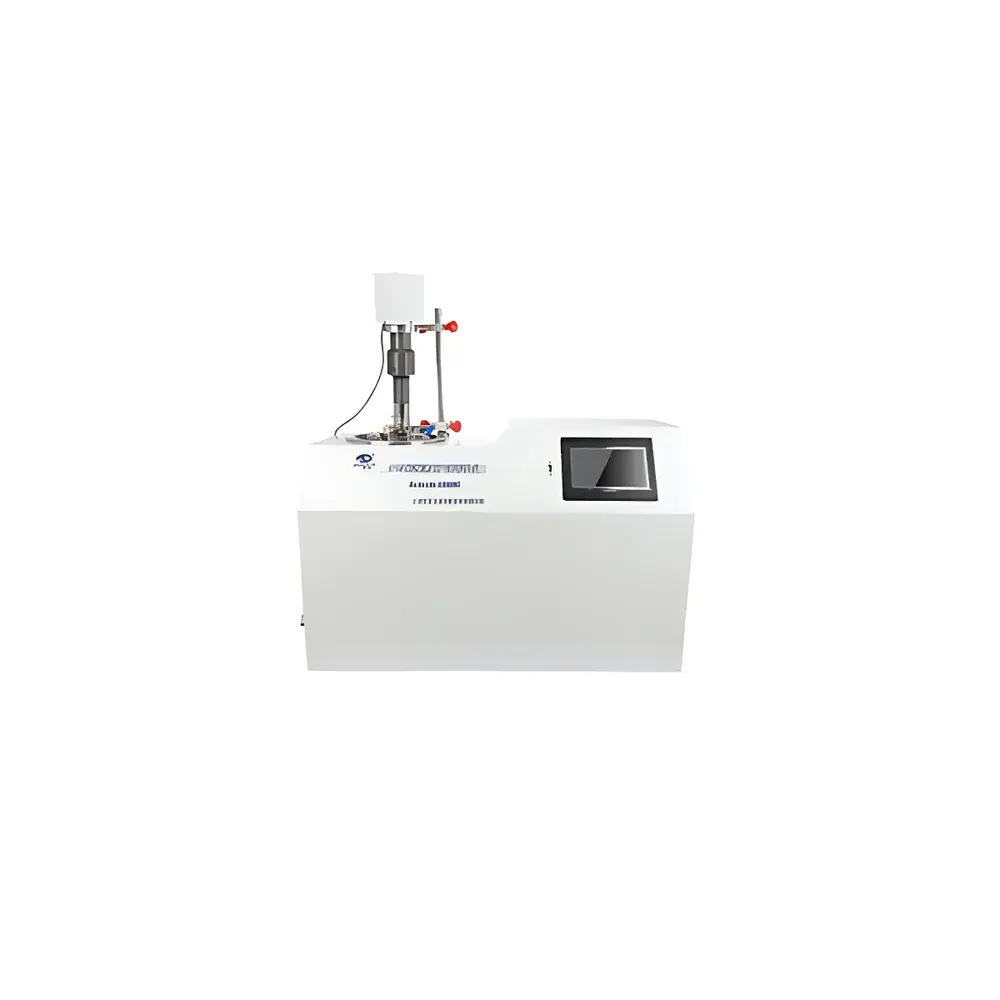
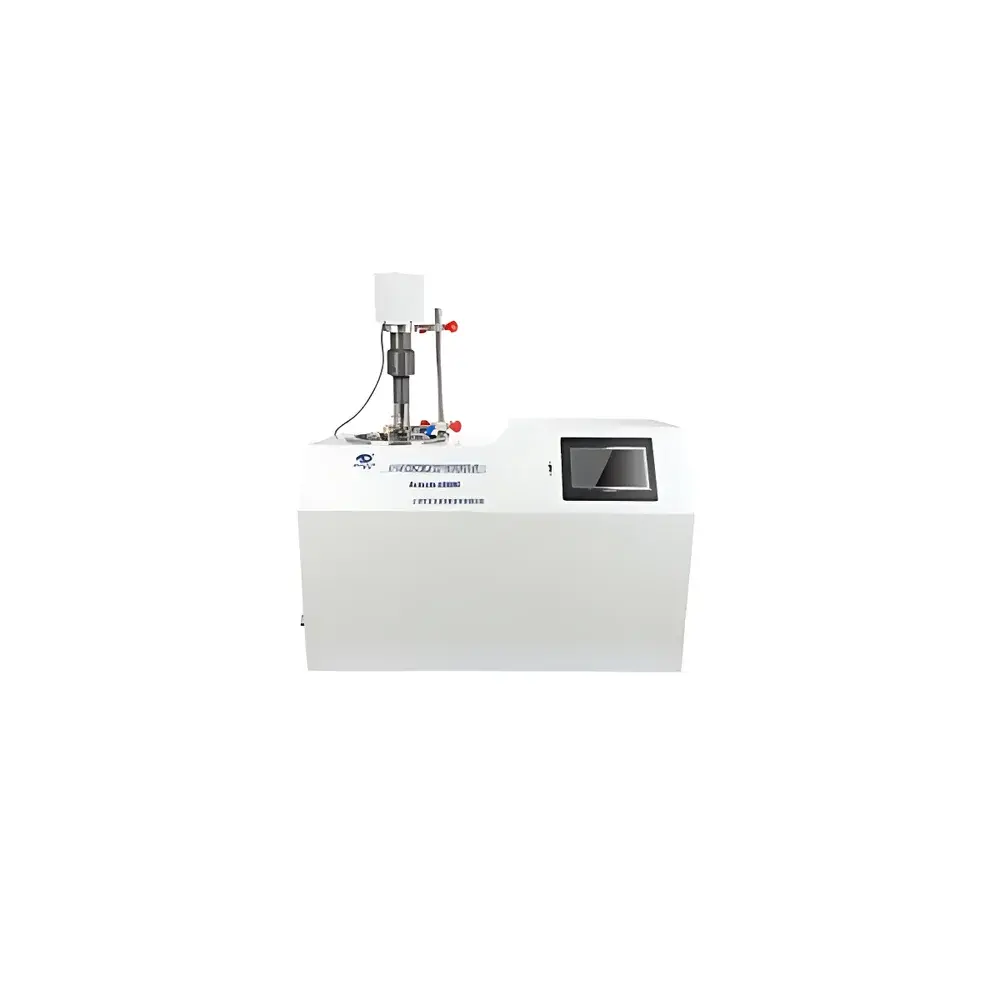
Ningbo Scientz SCIENTZ-500C Constant-Temperature Ultrasonic Extractor
| Brand | Scientz |
|---|---|
| Origin | Zhejiang, China |
| Model | SCIENTZ-500C |
| Max Ultrasonic Power | 900 W |
| Ultrasonic Frequency | 22 ± 1 kHz |
| Max Heating Power | 1000 W |
| Temperature Range | 0–99 °C |
| Bath Volume | 6 L |
| Probe Diameter | Φ10 mm |
| Power Adjustment Range | 15–100% |
| Sonication Time Setting | 1–999 min (with pulse mode: on-time 1–99 s, off-time 1–99 s) |
| Cooling Compressor Power | 500 W |
| Temperature Stability | ≤ ±1 °C |
Overview
The Ningbo Scientz SCIENTZ-500C Constant-Temperature Ultrasonic Extractor is an integrated laboratory system engineered for reproducible, temperature-controlled ultrasonic-assisted extraction and synthesis. It operates on the physical principle of acoustic cavitation—where high-frequency sound waves (22 ± 1 kHz) generate transient microbubbles in liquid media that collapse violently, producing localized hotspots (>5000 K), high pressures (>1000 atm), and intense shear forces. These phenomena enhance mass transfer, disrupt cell membranes, accelerate solvent penetration, and promote molecular diffusion—making the SCIENTZ-500C particularly effective for solid–liquid extraction of thermolabile compounds, nanoparticle dispersion, and catalytic reaction intensification. Unlike conventional heating or mechanical agitation, ultrasonic energy delivers non-thermal, spatially distributed activation—enabling precise control over reaction kinetics without thermal degradation. The instrument integrates a high-efficiency ultrasonic generator (up to 900 W output), a digitally regulated thermostatic bath (0–99 °C, ±1 °C stability), and active cooling via a 500 W compressor—ensuring thermal integrity during extended sonication cycles.
Key Features
- Intelligent frequency auto-tracking circuitry maintains optimal resonance across varying load conditions and medium viscosity, ensuring consistent cavitation intensity.
- Dual-channel real-time temperature monitoring independently tracks both sample reaction temperature (via immersed probe) and bath temperature—critical for GLP-compliant process validation.
- Seven-inch capacitive TFT touchscreen interface with intuitive icon-based navigation supports full parameter programming: ultrasonic power (15–100%), continuous/pulsed sonication (on/off timing from 1–99 s), total duration (1–999 min), and ramp/hold temperature profiles.
- Modular operation modes: ultrasonic extraction, thermostatic incubation, or concurrent ultrasonic + thermal treatment—configurable per experimental protocol requirements.
- Robust stainless-steel thermostatic bath (6 L capacity) with corrosion-resistant interior and sealed insulation; compatible with standard multi-neck glass reactors (standard 4-neck, optional 5-neck).
- Built-in self-diagnostic system monitors transducer impedance, temperature deviation, coolant pressure, and power supply anomalies—triggering audible/visual alerts and automatic shutdown upon fault detection.
- USB port enables direct export of time-stamped temperature curves and operational logs as PNG images—facilitating audit-ready documentation without external software.
Sample Compatibility & Compliance
The SCIENTZ-500C accommodates a broad range of sample matrices—including plant tissues, microbial cultures, polymer suspensions, metal oxide colloids (e.g., TiO₂ in aqueous media), and environmental solids (soils, sediments, textiles). Its open-bath design allows flexible reactor geometry and gas-phase integration (e.g., N₂ purging, O₃ introduction) via standard ground-glass joints. The system complies with IEC 61010-1:2010 for laboratory electrical safety and meets electromagnetic compatibility (EMC) requirements per EN 61326-1. While not certified for GMP manufacturing environments, its programmable parameters, data traceability, and alarm logging support adherence to GLP principles (OECD Series on Principles of Good Laboratory Practice) and internal SOPs for R&D-scale extraction validation. Temperature calibration is traceable to NIST-certified references using dual Pt100 sensors.
Software & Data Management
No proprietary PC software is required for basic operation—the embedded firmware handles all control logic and data acquisition. For advanced workflow integration, an optional RS232/RS485 communication module (sold separately) enables remote command execution and real-time parameter streaming to third-party lab information management systems (LIMS) or SCADA platforms. All temperature/time profiles are stored in non-volatile memory and can be recalled as user-defined protocols. USB-exported PNG files include embedded timestamps, setpoints, and actual measured values—supporting 21 CFR Part 11–aligned record retention when paired with institutional electronic signature policies. No cloud connectivity or vendor-dependent licensing is implemented—ensuring data sovereignty and long-term archival integrity.
Applications
- Phytochemical extraction: Accelerated recovery of flavonoids, alkaloids, and polysaccharides from herbal matrices under sub-boiling temperatures—preserving heat-sensitive bioactivity.
- Nanomaterial synthesis: Uniform dispersion and size control of graphene oxide, quantum dots, and metal–organic frameworks (MOFs) in polar/non-polar solvents.
- Environmental analysis: Extraction of organohalogen compounds (e.g., PCBs, PBDEs) from textile fibers and soil samples per EPA Method 3550C adaptations.
- Food science: Optimization of antioxidant yield from spent coffee grounds or olive pomace; kinetic studies of lipid oxidation under controlled thermal–acoustic stress.
- Pharmaceutical development: Solubilization enhancement of poorly water-soluble APIs; preparation of nanoemulsions for oral delivery screening.
- Materials engineering: Exfoliation of layered double hydroxides (LDHs); surface functionalization of carbon nanotubes via sonochemical grafting.
FAQ
What is the maximum recommended sample volume for efficient cavitation in the SCIENTZ-500C?
For optimal acoustic energy transfer and uniform cavitation distribution, the recommended working volume in the standard 500 mL conical reactor is 200–400 mL. Larger volumes require proportional power adjustment and extended sonication time to maintain extraction efficiency.
Can the SCIENTZ-500C operate continuously for more than 8 hours?
Yes—the system is rated for continuous duty cycles up to 12 hours at ≤70% nominal power, provided ambient temperature remains below 30 °C and adequate ventilation is maintained around the compressor unit.
Is the ultrasonic probe replaceable, and what materials are available?
The standard titanium alloy (Grade 5, Ti-6Al-4V) probe (Φ10 mm) is field-replaceable. Optional probes in stainless steel 316L and ceramic-coated variants are available for highly corrosive or abrasive media.
Does the instrument support ISO/IEC 17025-compliant calibration?
While the SCIENTZ-500C does not ship with accredited calibration certificates, its dual Pt100 sensors allow third-party metrology labs to perform traceable temperature verification per ISO/IEC 17025 requirements using standard reference materials.
How is ultrasonic energy output verified and maintained over time?
Acoustic output is validated using calorimetric measurement (ASTM E2884-13) at installation and during annual maintenance. The auto-tracking circuit compensates for transducer aging by dynamically adjusting drive frequency to sustain resonance—minimizing drift in cavitation intensity.



