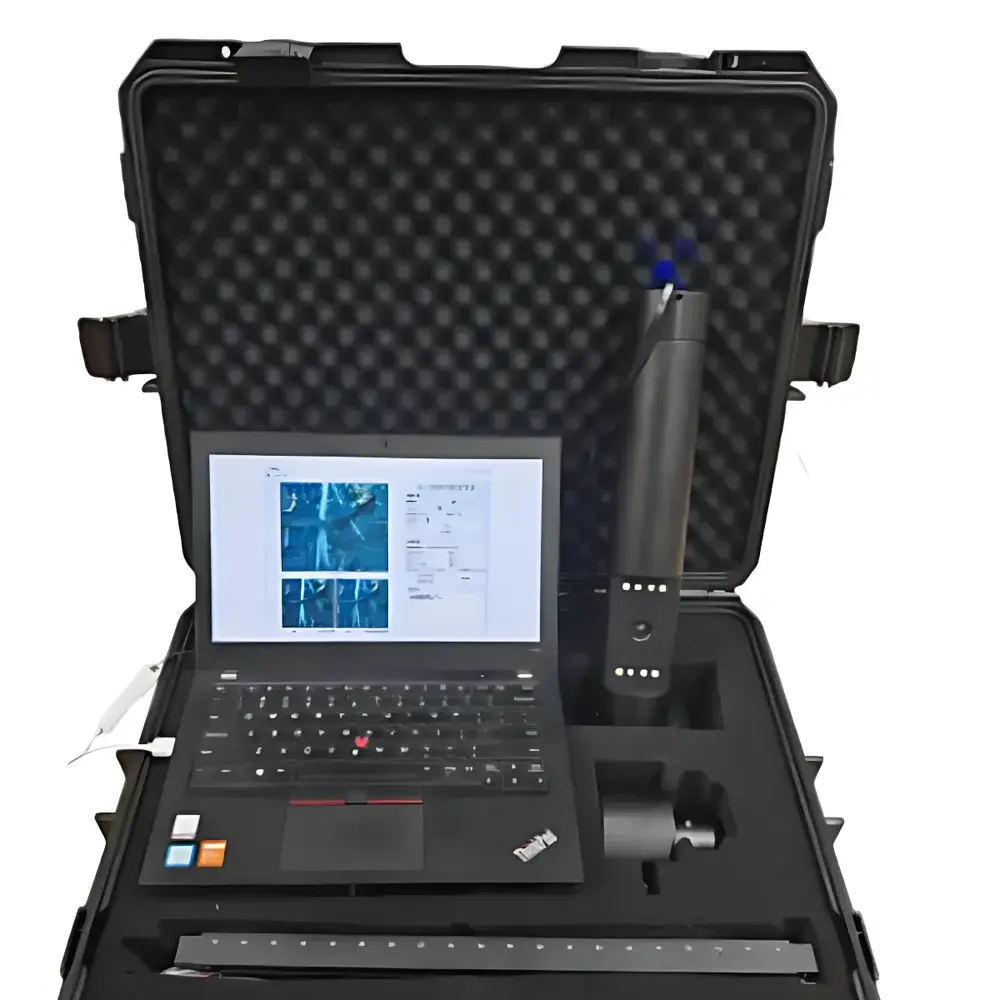
Starwood SDW-ZW1100 Portable Multispectral Root Imaging System
| Brand | Starwood |
|---|---|
| Model | SDW-ZW1100 |
| Origin | Beijing, China |
| Manufacturer | Starwood Instruments Co., Ltd. |
| Imaging Area | 20 mm × 25 mm |
| Resolution | 3800 DPI |
| Imaging Speed | <13 s for 5 spectral images |
| Light Sources | 626 nm (Red), 528 nm (Green), 465 nm (Blue), 385 nm (UV), 850 nm (NIR) |
| Imaging Mode | Reflectance |
| Control Software | RootScanner (Android-based) |
| Communication | Wi-Fi & Ethernet |
| Housing Material | PVC (main unit), Aluminum Alloy (depth scale) |
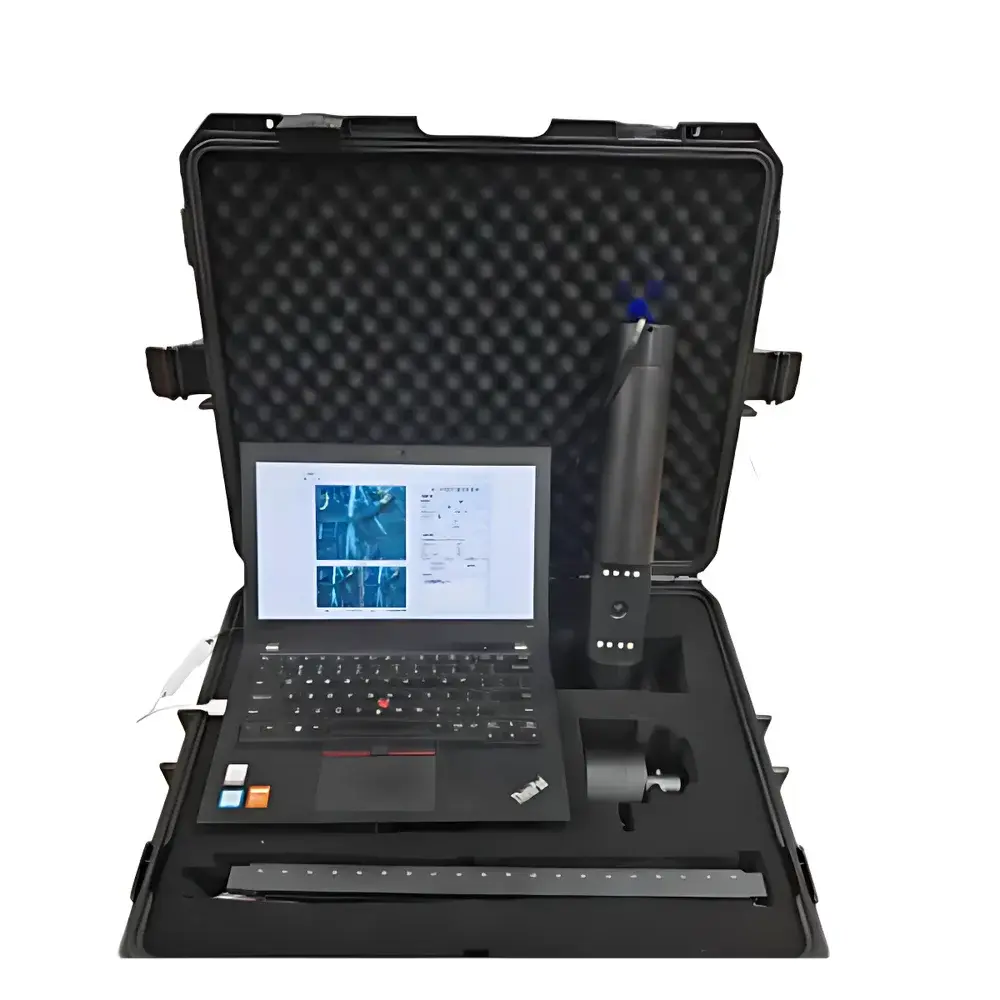
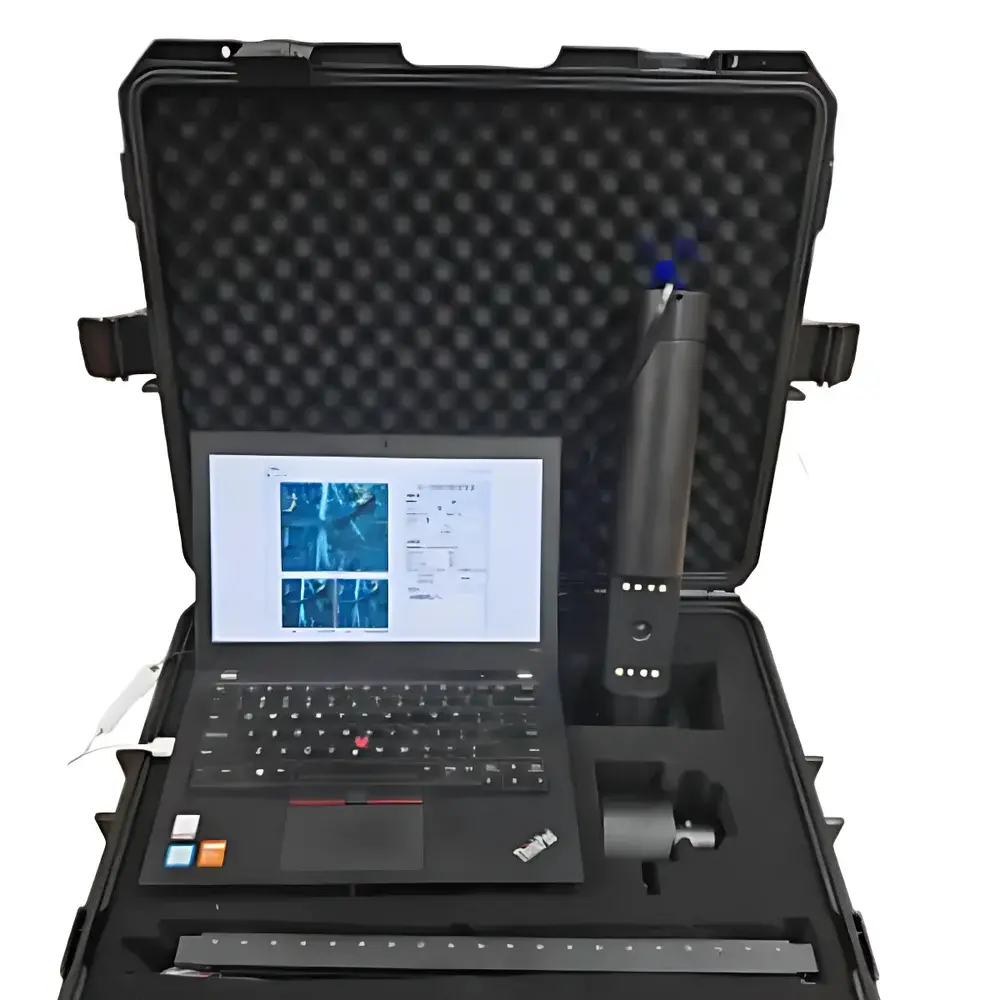
| Unit Dimensions | Ø60 mm × 355 mm (imaging probe) |
| Scale Rod | 405 mm × 15 mm × 15 mm (L×W×H), modular up to 1160 mm |
| Depth Marking Interval | 20 mm |
| File Naming Convention | ICAP-compliant |
Overview
The Starwood SDW-ZW1100 Portable Multispectral Root Imaging System is a field-deployable, non-destructive root phenotyping instrument engineered for high-fidelity in situ visualization and spectral characterization of plant root systems within transparent rhizotrons or minirhizotrons. It operates on the principle of multispectral reflectance imaging—capturing spatially registered, co-registered images across five discrete optical bands (RGB + UV + NIR) to differentiate structural, physiological, and biochemical features of roots. Unlike conventional monochrome or RGB-only scanners, the SDW-ZW1100 leverages spectrally resolved contrast to distinguish viable from senescent tissue, detect fluorescent or bioluminescent reporter-tagged roots, and enhance segmentation accuracy for downstream morphometric analysis. Its compact probe form factor, combined with real-time wireless control and embedded depth calibration, enables reproducible longitudinal monitoring under variable soil moisture, temperature, and light conditions—critical for ecological resilience studies, breeding trials, and restoration ecology applications.
Key Features
- Five-band synchronized reflectance imaging (626 nm red, 528 nm green, 465 nm blue, 385 nm UV, 850 nm NIR) enabling differential detection of root viability, lignification, microbial colonization, and exudate distribution.
- 3800 DPI optical resolution at 20 mm × 25 mm field-of-view, with integrated curvature correction algorithms to compensate for cylindrical micro-rhizotron tube distortion.
- Android-based RootScanner application providing intuitive workflow management: remote probe control, spectral sequence triggering, metadata capture via QR-coded root tube ID, and real-time preview.
- Dual-mode communication architecture—Wi-Fi for low-latency command transmission during active scanning; Ethernet for bulk data transfer and firmware updates in basecamp settings.
- Modular aluminum depth scale rod system (405 mm segments, 20 mm interval markings) supporting scalable deployment up to 116 cm, compliant with standard minirhizotron installation protocols (e.g., USDA NRCS TR-72).
- On-device data storage with ICAP-compliant file naming (e.g., “SITE-TRT-ROOTID-YYYYMMDD-HHMMSS-BAND”) ensuring traceability and interoperability with third-party root analysis platforms including WinRHIZO, EZ-Rhizo, and RootGraph.
Sample Compatibility & Compliance
The SDW-ZW1100 is validated for use with standard 60 mm outer-diameter acrylic or quartz minirhizotron tubes (ISO 21526:2020 Annex B compatible). Its PVC probe housing meets IP67 ingress protection requirements for temporary submersion and particulate resistance in loam, clay, and sandy soils. All spectral sources comply with IEC 62471 photobiological safety classification for Class 1 LED emitters. The system supports GLP-aligned data integrity through immutable timestamped logs, user-authenticated session records, and optional audit-trail export—facilitating regulatory readiness for USDA ARS, NSF, and Horizon Europe-funded field phenotyping projects.
Software & Data Management
RootScanner v3.x (Android 10+) provides full local control without cloud dependency. Metadata—including GPS coordinates (via paired smartphone), operator ID, treatment group, soil depth, and ambient light conditions—is embedded into EXIF headers. Synchronized image sets are stored as lossless TIFFs with standardized band tagging (TIFF Tag 33421 for wavelength). The app enforces write-once data retention: deletion requires dual confirmation and generates an irreversible log entry. Export options include direct USB-C transfer, Wi-Fi SMB share, or encrypted ZIP archive with SHA-256 checksum verification—ensuring FAIR (Findable, Accessible, Interoperable, Reusable) data principles per GO-FAIR Implementation Network guidelines.
Applications
- Long-term root architectural dynamics in agroforestry systems and riparian buffer zones.
- Genotype-by-environment interaction studies for drought-tolerant cereal cultivars (e.g., wheat, maize) under controlled deficit irrigation.
- Non-invasive monitoring of mycorrhizal colonization gradients and nematode-induced root galling in perennial orchards.
- Post-fire soil recovery assessment via temporal root regrowth quantification in native shrubland species.
- Validation of root trait predictions from hyperspectral UAV surveys using ground-truthed spectral signatures.
FAQ
Is the SDW-ZW1100 compatible with existing minirhizotron tube installations?
Yes—the 60 mm probe diameter and 20 mm depth-marking interval align with ASTM D7928-22 and CIHEAM minirhizotron standards.
Can RootScanner operate offline in remote field locations?
Absolutely—Wi-Fi is used only for device-to-app communication; no internet connection is required for scanning, metadata entry, or local storage.
Does the system support integration with LIMS or ELN platforms?
Yes—CSV-formatted acquisition logs and TIFF metadata are structured for automated ingestion into LabVantage, Benchling, or custom Python/R pipelines via REST API extensions (available under enterprise license).
What calibration procedures are recommended before deployment?
A two-point reflectance calibration using certified grayscale targets (0–90% reflectance) is advised prior to each field season; no daily recalibration is needed due to thermally stabilized LED drivers.
How is data security maintained during multi-user field campaigns?
Each RootScanner instance enforces Android work profile isolation; user-specific encryption keys protect locally stored datasets, and session logs record all access events per NIST SP 800-53 Rev. 5 AC-2 requirements.