
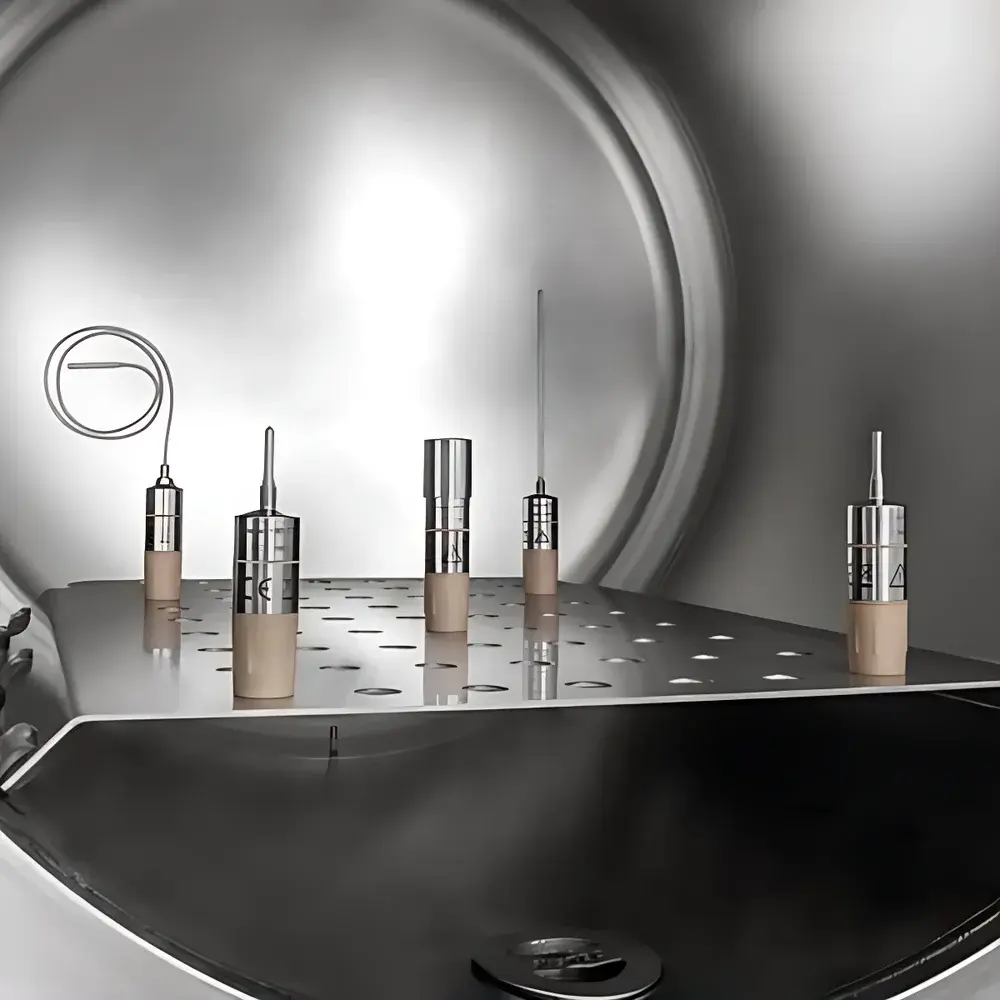
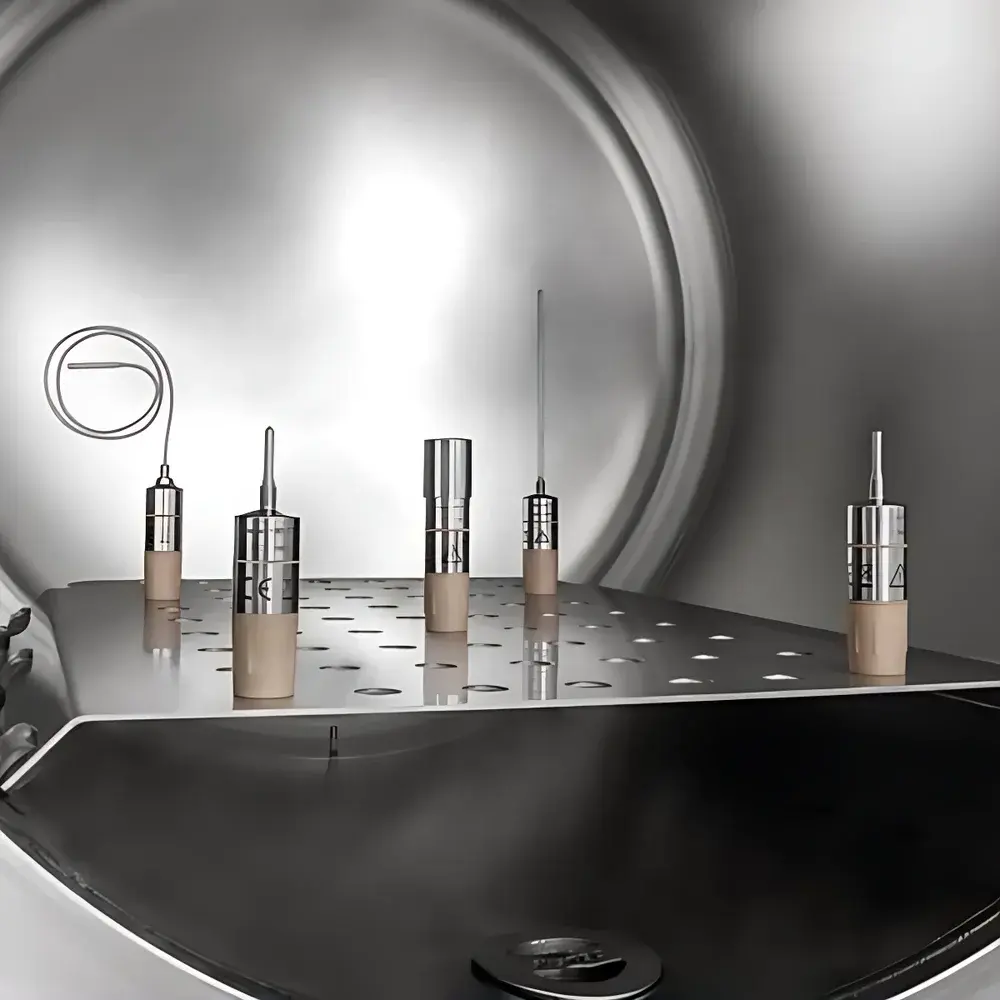
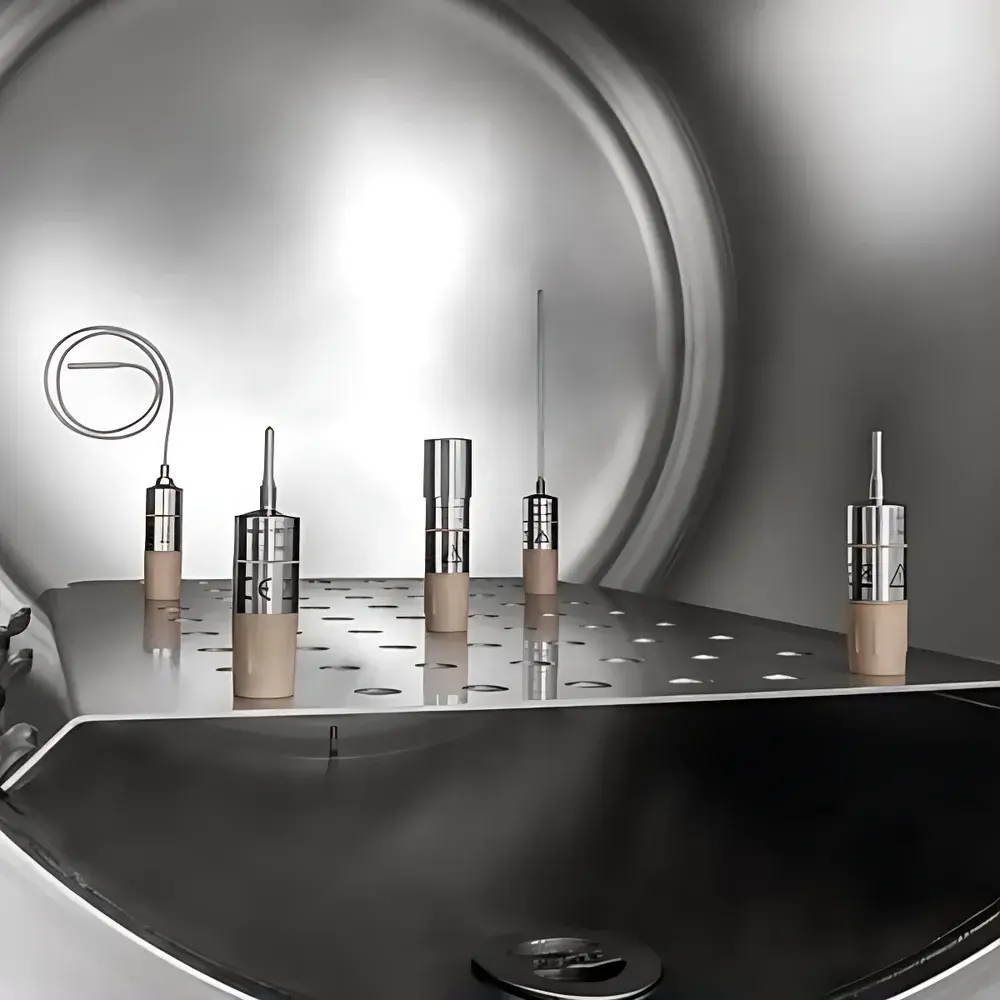
testo 191 HACCP Validation Data Logger System
| Brand | testo |
|---|---|
| Origin | Germany |
| Model | 191 |
| Type | Integrated Temperature Validation System for Sterilization, Pasteurization & Lyophilization Processes |
| Compliance | Designed for HACCP, FDA 21 CFR Part 11 (with optional audit trail), ISO/IEC 17025-supporting workflows, EN 12830, ASTM F1783, and EU Annex 15 (Qualification of Aseptic Processes) |
Overview
The testo 191 HACCP Validation Data Logger System is a purpose-engineered integrated platform for thermal process validation and qualification in regulated food, pharmaceutical, and biotechnology manufacturing environments. Built upon the principles of traceable, high-accuracy temperature measurement under dynamic thermal stress conditions, the system implements dual-channel thermocouple (Type T or K) acquisition with cold-junction compensation, calibrated to ±0.1 °C accuracy across –200 °C to +1,000 °C (dependent on probe selection). It is specifically designed to meet the metrological and procedural requirements of HACCP-based process control, as well as formal validation protocols for steam sterilization (autoclaving), moist-heat pasteurization, dry-heat depyrogenation, and lyophilization (freeze-drying) cycles. The system captures time-synchronized temperature data at multiple critical control points—including load, chamber, and reference sensor positions—enabling rigorous calculation of F0, P0, and D-value metrics per ISO 11138, EN 285, and USP /. Its architecture supports both prospective and retrospective validation strategies aligned with ICH Q5A, EU GMP Annex 15, and FDA Process Validation Guidance (2011).
Key Features
- Two independent, high-resolution analog input channels with simultaneous sampling at up to 1 Hz, supporting industry-standard thermocouples (Type T, K, J, N, R, S, B) via interchangeable probe modules
- Integrated real-time calculation engine for F0, Lethal Rate (LR), and Hold Time verification—automatically flagged against user-defined acceptance criteria
- Rugged, IP65-rated stainless-steel housing rated for repeated autoclave exposure (up to 135 °C, 2 bar saturated steam) without degradation of calibration stability
- Internal rechargeable lithium-polymer battery providing ≥120 hours of continuous logging at 1 Hz, with low-power sleep mode extending field operation to >30 days
- On-device LCD display with intuitive menu navigation, status indicators (e.g., validation pass/fail, probe disconnect, memory full), and real-time graphing of dual-channel trends
- Configurable alarm thresholds with audible and visual alerts for out-of-specification excursions during live monitoring
Sample Compatibility & Compliance
The testo 191 system accommodates a wide range of validated thermal probes—including flexible micro-thermocouples (Ø0.15–0.5 mm), rigid stem probes (for vial/canister insertion), surface contact sensors, and wireless transmitter-ready adapters—ensuring compatibility with diverse load configurations (e.g., stacked trays, nested vials, porous loads). All probes are supplied with individual NIST-traceable calibration certificates (optionally accredited to ISO/IEC 17025). The system’s firmware and software architecture support ALCOA+ data integrity principles: Attributable, Legible, Contemporaneous, Original, Accurate, Complete, Consistent, Enduring, and Available. When configured with password-protected user roles, electronic signatures, and immutable audit trails, it fulfills FDA 21 CFR Part 11 requirements for electronic records and signatures in GxP environments.
Software & Data Management
The system operates with testo Comsoft 5 Validation Software—a Windows-based application qualified for use in regulated settings. Comsoft 5 provides automated report generation compliant with Annex 15 templates, including raw data export (CSV, PDF, XML), statistical analysis (mean, SD, min/max, trend deviation), and graphical overlay of multiple runs for comparative assessment. All validation reports include embedded metadata: instrument ID, probe IDs, calibration due dates, operator credentials, environmental conditions (if connected to optional humidity/pressure modules), and digital signature fields. Data encryption (AES-256) and secure database storage ensure confidentiality and long-term archival compliance. The software supports integration into LIMS and MES platforms via OPC UA and RESTful API interfaces.
Applications
- Validation of steam sterilizers (autoclaves) per EN 285 and ISO 17665–1
- Thermal mapping and cycle development for depyrogenation tunnels and hot-air ovens
- Pasteurization process qualification in dairy, juice, and ready-to-eat meal production lines
- Lyophilizer shelf temperature uniformity mapping and primary drying endpoint determination
- Environmental monitoring of cold chain logistics (refrigerated trucks, warehouse zones) with configurable alert escalation
- Verification of thermal hold times in cook-chill and sous-vide food processing systems
FAQ
Does the testo 191 support wireless probe connectivity?
No—the testo 191 is a wired, high-integrity data logger optimized for deterministic signal acquisition in electromagnetically noisy sterilization chambers; wireless transmission is intentionally excluded to eliminate RF interference risks and ensure measurement continuity.
Can validation reports generated by Comsoft 5 be submitted directly to regulatory authorities?
Yes—when deployed with full audit trail, electronic signature, and calibration traceability enabled, Comsoft 5 reports meet evidentiary standards for submission to FDA, EMA, and Health Canada during inspections.
Is the device suitable for use inside vacuum chambers during freeze-drying?
Yes—provided appropriate vacuum-rated thermocouple feedthroughs and probe housings are used, the testo 191’s passive electronics and sealed enclosure maintain functionality under ≤10 Pa vacuum conditions.
How frequently must the testo 191 itself be recalibrated?
Annual calibration is recommended; however, users may perform in-house functional checks using a certified dry-block calibrator prior to each validation campaign, per ISO/IEC 17025 clause 5.9.2.





