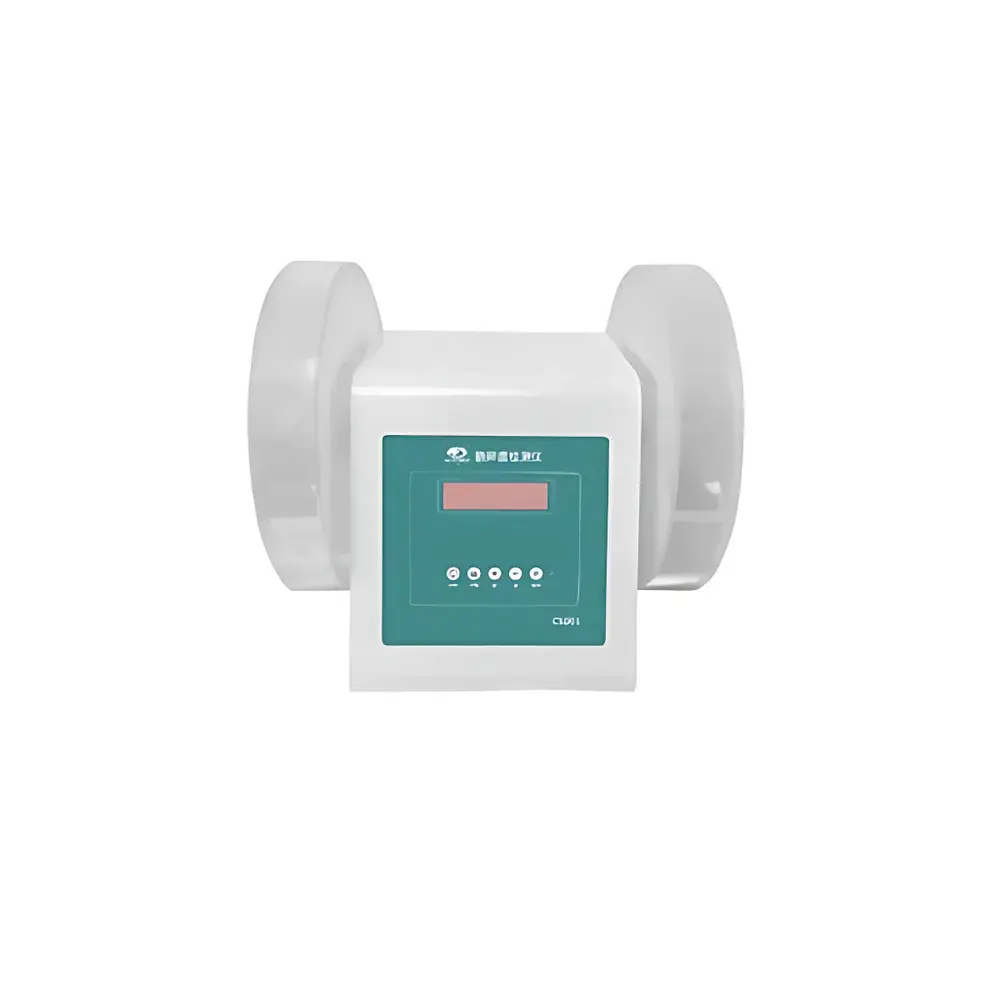
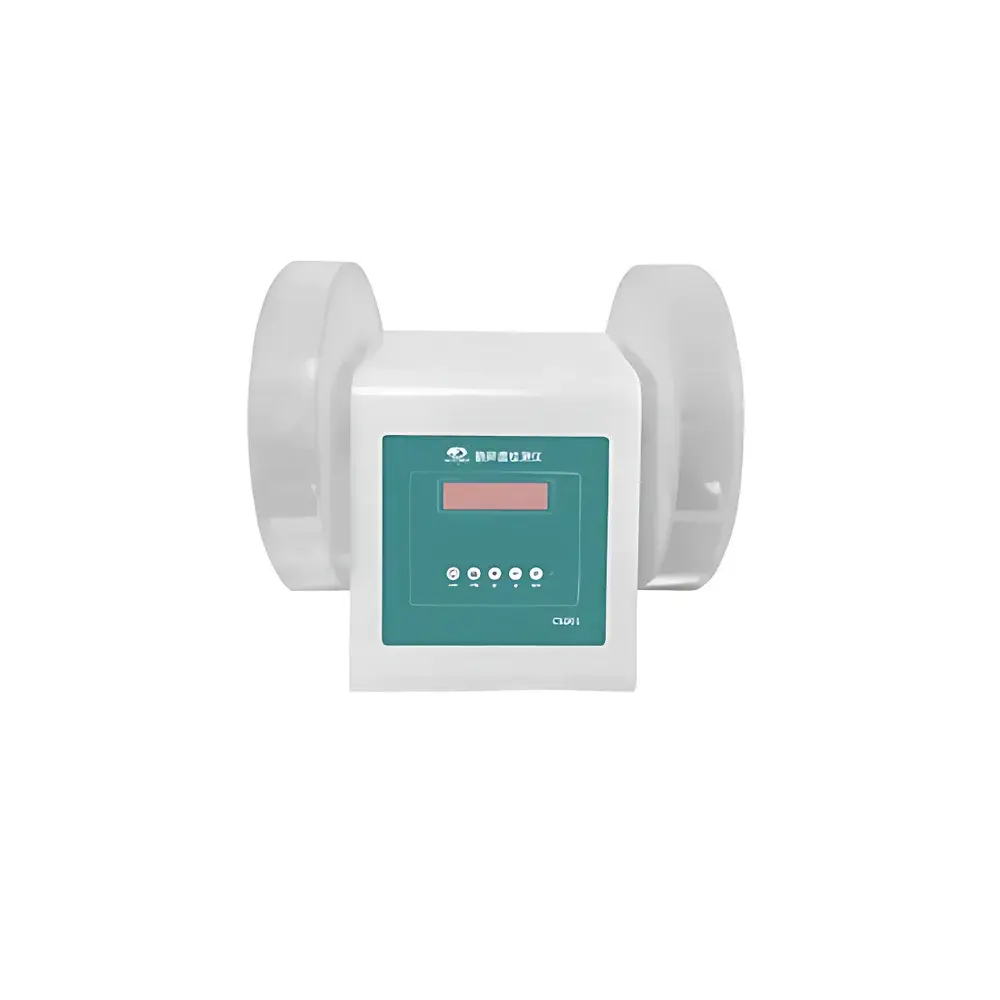
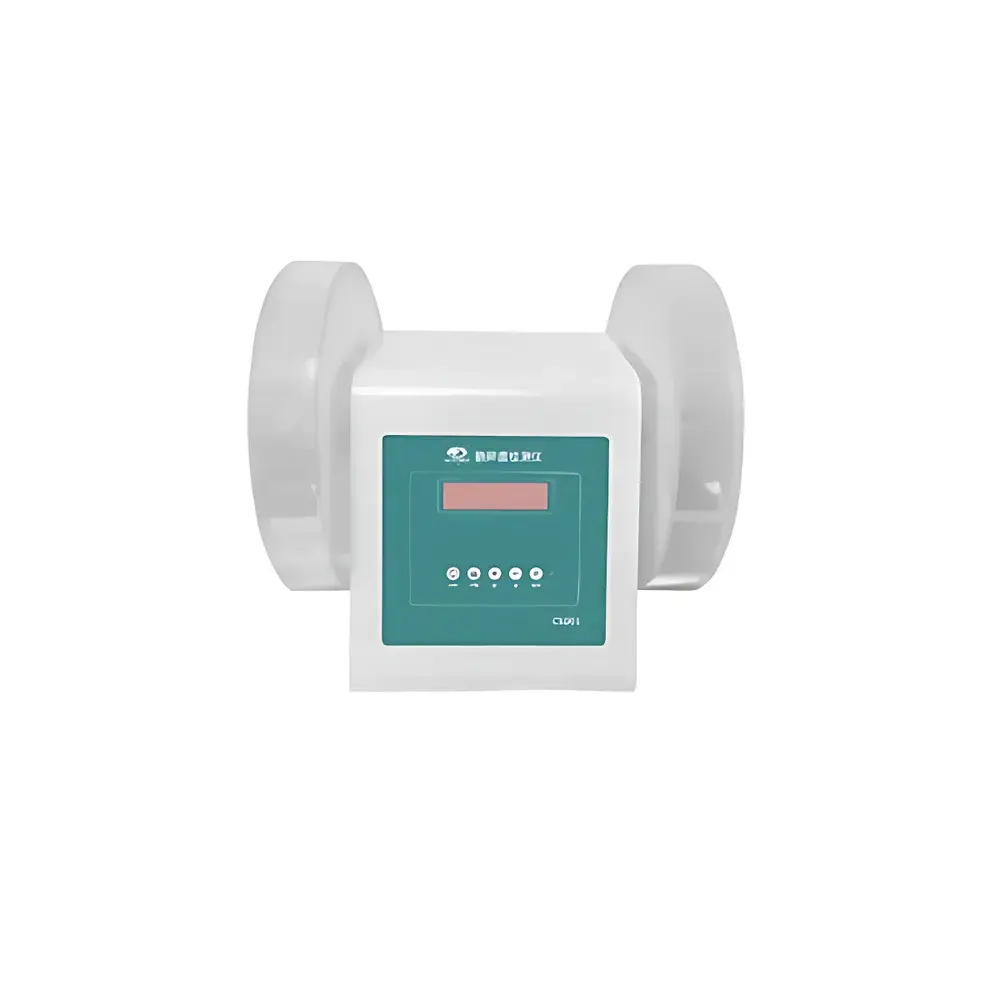
Scientz CSD01 Friability Tester
| Brand | Scientz |
|---|---|
| Origin | Zhejiang, China |
| Manufacturer Type | Authorized Distributor |
| Country of Origin | China |
| Model | CSD01 |
| Pricing | Available Upon Request |
| Drum Internal Diameter | 286 mm |
| Drum Depth | 39 mm |
| Rotational Speed | 25 ± 1 rpm |
| Arc Baffle Inner Diameter | 80 ± 1 mm |
| Test Duration Range | 0–9 h 59 min 00 s |
| Rotation Count Range | 0–99,999 revolutions |
| Time Resolution | 1 second |
| Revolution Resolution | 1 revolution |
| Power Consumption | 20 W |
| Supply Voltage | AC 220 V, 50 Hz |
| Dimensions (W × D × H) | 440 × 286 × 350 mm |
| Net Weight | 10 kg |
Overview
The Scientz CSD01 Friability Tester is a precision-engineered instrument designed to evaluate the mechanical robustness of uncoated and film-coated tablets under controlled tumbling conditions. It operates on the principle of rotational abrasion—where tablets are subjected to repeated impacts and frictional forces inside a rotating drum—mimicking stresses encountered during manufacturing, packaging, bulk handling, and transportation. Compliant with the friability testing methodology outlined in the Chinese Pharmacopoeia (ChP) Volume IV, Section 0921, the CSD01 provides reproducible, standardized assessment of tablet surface integrity and structural cohesion. Its drum geometry—including a 286 mm internal diameter and 39 mm depth—ensures adequate free-fall volume and consistent tumbling dynamics, while the integrated arc-shaped baffle (80 ± 1 mm inner diameter) promotes uniform tablet motion without excessive stacking or channeling.
Key Features
- Calibrated rotational drive system maintaining 25 ± 1 rpm—within the ChP-specified tolerance for reliable inter-laboratory comparability
- Durable transparent polycarbonate drum with hinged access door for rapid sample loading/unloading and real-time visual monitoring
- Microprocessor-controlled timer with 1-second resolution and dual-mode operation: time-based (up to 9 h 59 min 00 s) or revolution-based (up to 99,999 rotations)
- High-contrast LED display showing elapsed time, total revolutions, and operational status simultaneously
- Low-power, brushless motor (20 W) ensuring thermal stability and extended service life under continuous duty cycles
- Compact benchtop footprint (440 × 286 × 350 mm) and lightweight construction (10 kg net weight) for flexible integration into QC laboratories and R&D facilities
- Stable base design with non-slip rubber feet to minimize vibration transmission during operation
Sample Compatibility & Compliance
The CSD01 accommodates standard tablet batches per ChP guidelines: typically 20 tablets (or sufficient mass to yield ~6.5 g if individual tablet mass < 0.65 g). The drum’s internal geometry supports both flat-faced and convex tablets up to 25 mm in diameter. While primarily aligned with ChP 0921, the instrument’s operational parameters are compatible with parallel regulatory expectations—including USP (Friability), EP 2.9.7, and JP 17 General Test 2.08. All mechanical components meet RoHS-compliant material specifications. The unit is supplied with a factory calibration certificate traceable to national metrological standards, supporting GLP documentation requirements for method validation and equipment qualification (IQ/OQ).
Software & Data Management
The CSD01 operates as a standalone hardware platform without embedded software or network connectivity—intentionally designed to minimize complexity, reduce validation burden, and enhance operational reliability in regulated environments. All test parameters (duration, target revolutions) and outcomes (final mass loss %) are manually recorded by the operator in laboratory notebooks or LIMS-integrated spreadsheets. This architecture aligns with FDA 21 CFR Part 11 principles for systems where electronic records are not generated, thereby eliminating requirements for audit trails, electronic signatures, or cybersecurity controls. For laboratories requiring automated data capture, the unit’s digital output signals (e.g., rotation pulse train or end-of-test TTL trigger) can be interfaced with external PLCs or DAQ systems via optional I/O modules (sold separately).
Applications
- Quality control release testing of finished solid oral dosage forms prior to batch certification
- Formulation development studies assessing excipient influence on tablet mechanical strength (e.g., binder type/concentration, granulation method)
- Process optimization of compression force, dwell time, and turret speed in rotary tablet presses
- Stability program support—monitoring friability changes over accelerated and long-term storage conditions
- Evaluation of coating integrity for film-coated tablets following pan coater process validation
- Comparative benchmarking against reference standards or competitor products during supplier qualification
FAQ
Does the CSD01 comply with international pharmacopoeial standards beyond the Chinese Pharmacopoeia?
Yes—the rotational speed, drum dimensions, and test duration protocols align with USP , EP 2.9.7, and JP 17, enabling cross-referenced data submission in global regulatory filings.
Is calibration verification required before each use?
Daily verification of rotational speed using a certified tachometer is recommended per ChP and ISO/IEC 17025 guidance; full recalibration is advised annually or after maintenance.
Can the CSD01 be used for capsules or softgels?
No—it is validated exclusively for rigid solid dosage forms per pharmacopoeial definitions; capsules require alternative mechanical stress models (e.g., impact testers or vibration tables).
What maintenance procedures are recommended?
Monthly inspection of drum sealing integrity, baffle alignment, and motor belt tension (if applicable); cleaning with isopropyl alcohol and lint-free cloth to prevent residue buildup on optical surfaces.