
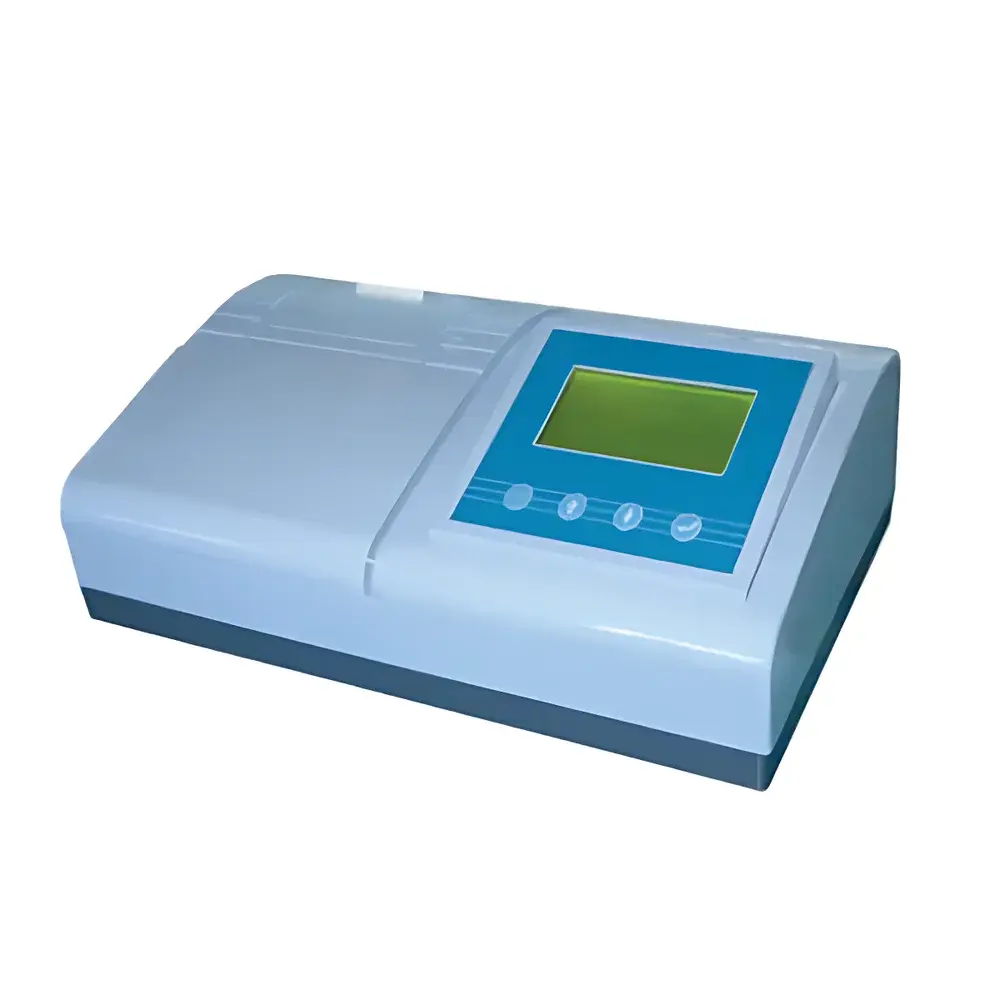
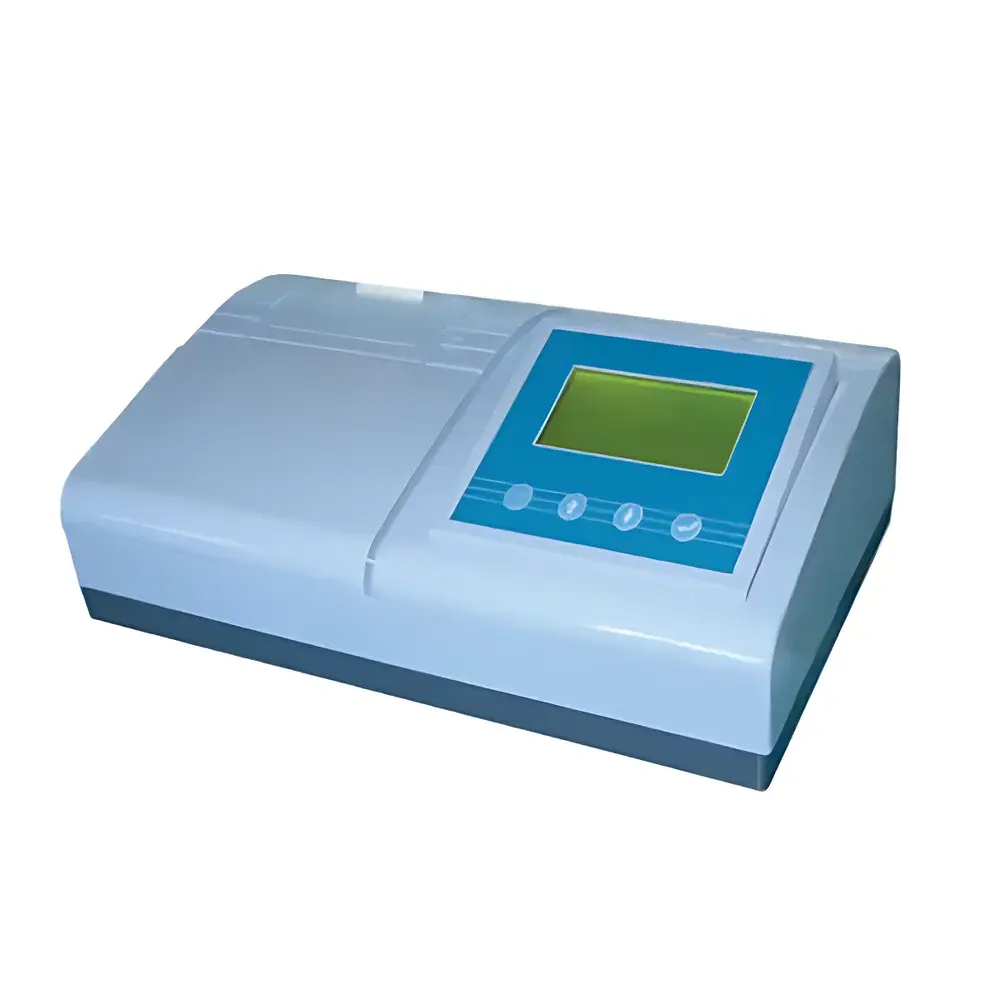
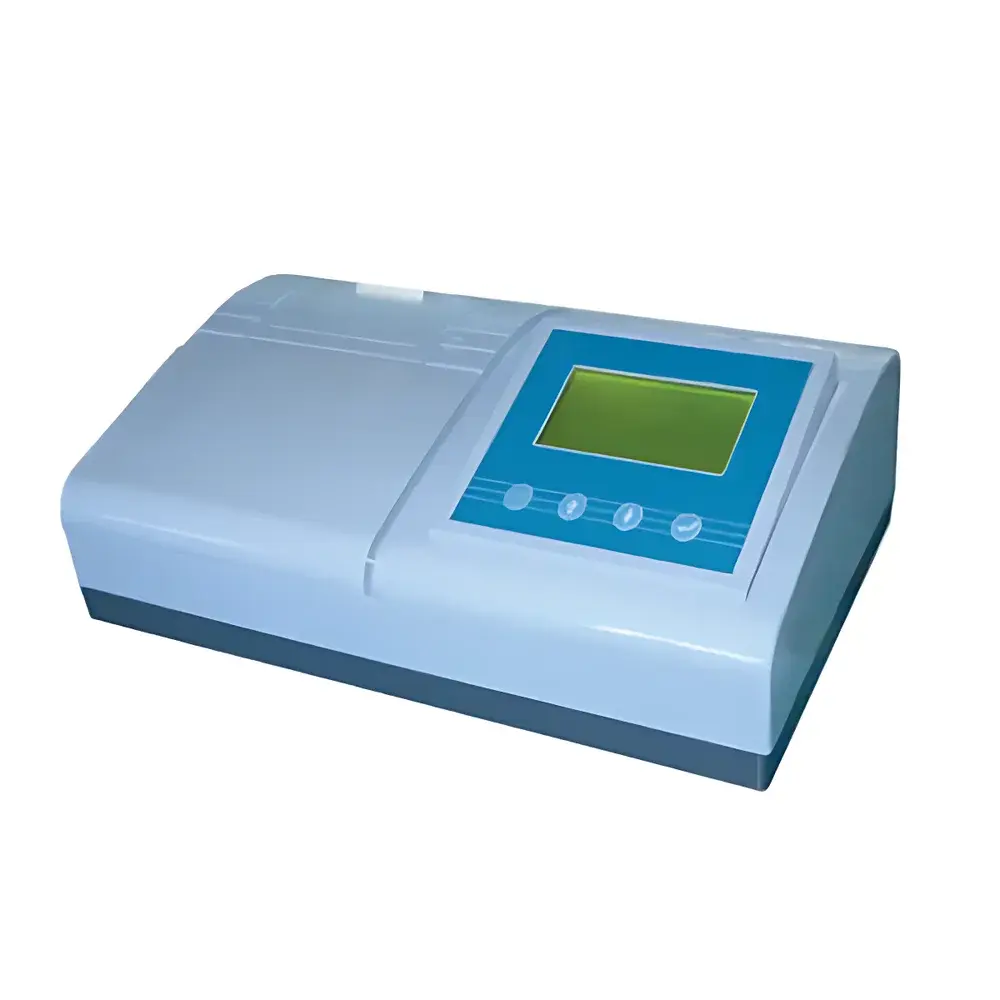
DreTOP DTPN-308S Pesticide Residue Rapid Tester
| Brand | DreTOP |
|---|---|
| Origin | Shanghai, China |
| Manufacturer Type | Authorized Distributor |
| Region of Manufacture | Domestic (China) |
| Model | DTPN-308S |
| Pricing | Available Upon Request |
| Detection Method | Enzyme Inhibition Assay (Spectrophotometric) |
| Measurement Range | 0.0–100.0 % Inhibition Rate |
| Number of Channels | 8 |
| Active Detection Channels | 1 (simultaneous 8-channel optical readout) |
| Measurement Error | ±5% |
| Limit of Detection (LOD) | 0.01–3.0 mg/kg (matrix-dependent, per WHO/FAO JMPR reference compounds) |
Overview
The DreTOP DTPN-308S Pesticide Residue Rapid Tester is a dedicated benchtop analyzer engineered for quantitative screening of organophosphorus and carbamate pesticide residues in fresh agricultural commodities—including fruits, vegetables, tea, and herbs—using the standardized enzyme inhibition principle defined in GB/T 5009.199 (Chinese National Standard) and aligned with AOAC Official Method 992.11 and ISO 15145:2003. It operates on acetylcholinesterase (AChE) inhibition kinetics: active pesticide residues suppress enzymatic hydrolysis of acetylthiocholine, yielding a measurable reduction in yellow-colored 5-thio-2-nitrobenzoic acid (TNB) formation under 412 nm absorbance. The instrument integrates an 8-channel solid-state photometric architecture with fixed-wavelength LED sources and matched photodiode detectors, eliminating mechanical moving parts to ensure long-term optical stability and resistance to environmental vibration or humidity fluctuations common in field-deployable or QC lab environments.
Key Features
- Eight independent optical channels with synchronized measurement capability—enabling parallel sample analysis while maintaining single-channel calibration traceability.
- Fixed-wavelength LED light source (412 nm) and solid-state photodetector array with pulse-driven power supply, extending operational lifetime beyond 100,000 hours and minimizing thermal drift.
- Integrated cylindrical reaction cuvette design: colorimetric development and photometric readout occur in the same sealed chamber, eliminating transfer errors and contamination risks.
- 4.7-inch high-contrast LCD display with native Chinese UI; directly reports inhibition rate (%) without manual calculation.
- Onboard microprocessor supports real-time data processing, statistical analysis (mean, SD, CV%), and pass/fail threshold evaluation against user-defined cutoffs (e.g., 50% inhibition).
- Embedded thermal printer with automatic report generation including sample ID, test date/time, operator ID, inhibition value, and interpretive result (e.g., “Residue level exceeds MRL” or “Compliant”).
- Ultrasonic-assisted extraction module (optional accessory) enables rapid (<3 min), reproducible analyte release from complex matrices such as chili peppers, ginger, and garlic—critical for mitigating matrix interference.
Sample Compatibility & Compliance
The DTPN-308S is validated for use with homogenized extracts from >60 commodity types per GB/T 5009.199 and CNAS-CL01:2018 method validation guidelines. It accommodates both aqueous and acetone-based extracts, with built-in correction for turbidity-induced scattering via dual-beam referencing logic. To address known interferences from pungent phytochemicals (e.g., allicin, capsaicin), DreTOP supplies proprietary interference-elimination reagent kits—comprising catalytic scavengers and selective chelators—that selectively neutralize reactive thiols or oxidants prior to AChE exposure. All assay protocols comply with Good Laboratory Practice (GLP) documentation requirements, supporting audit-ready records including electronic timestamps, operator logins, and instrument self-diagnostic logs. While not FDA 21 CFR Part 11–certified out-of-the-box, the system’s data export architecture (CSV/Excel) and audit trail metadata support integration into regulated QA/QC workflows under ISO/IEC 17025 or HACCP frameworks.
Software & Data Management
The DTPN-308S operates two-tiered software architecture: a deterministic embedded firmware (lower-level) handling analog-to-digital conversion, baseline correction, and kinetic curve fitting; and a Windows-compatible upper-level application (DreTOP LabSuite v3.x) enabling full metadata annotation—sample name, cultivar, harvest date, analyst ID, testing standard applied, and regulatory reference (e.g., EU MRL Regulation (EC) No 396/2005). Data exports retain original absorbance values, raw inhibition percentages, and instrument calibration history. USB and RS232 interfaces allow bidirectional communication for remote firmware updates, method library synchronization, and centralized database ingestion. All stored records (>2,000 entries) include cryptographic hash tagging to prevent post-acquisition tampering—a prerequisite for internal quality audits.
Applications
- Routine surveillance testing at farm gate, wholesale markets, and food import inspection points.
- Pre-harvest residue monitoring to guide safe pre-harvest intervals (PHIs) for growers.
- Verification of GMP-compliant cleaning validation in produce processing lines.
- Reference screening prior to confirmatory GC-MS or LC-MS/MS analysis—reducing costly instrument time by >70% in high-throughput labs.
- Educational use in food science curricula for hands-on instruction in rapid immunoassay and enzyme-based detection principles.
FAQ
What pesticides does the DTPN-308S detect?
It quantitatively screens for acetylcholinesterase-inhibiting compounds, primarily organophosphates (e.g., chlorpyrifos, malathion, dimethoate) and carbamates (e.g., carbaryl, methomyl, carbofuran), with sensitivity varying by compound and matrix.
Can it be used for official regulatory reporting?
Yes—as a presumptive screening tool compliant with GB/T 5009.199 and AOAC 992.11; positive results require confirmation via chromatographic methods per national food safety regulations.
Is calibration required before each batch?
A single-point blank calibration (distilled water + reagents) is performed automatically at startup; no daily standard curve is needed due to ratiometric photometry and stable LED output.
How is data integrity ensured during transfer to LIMS?
Exported CSV files include digital signatures, instrument serial number, firmware version, and timestamped acquisition logs—enabling full traceability in ISO/IEC 17025-accredited environments.






