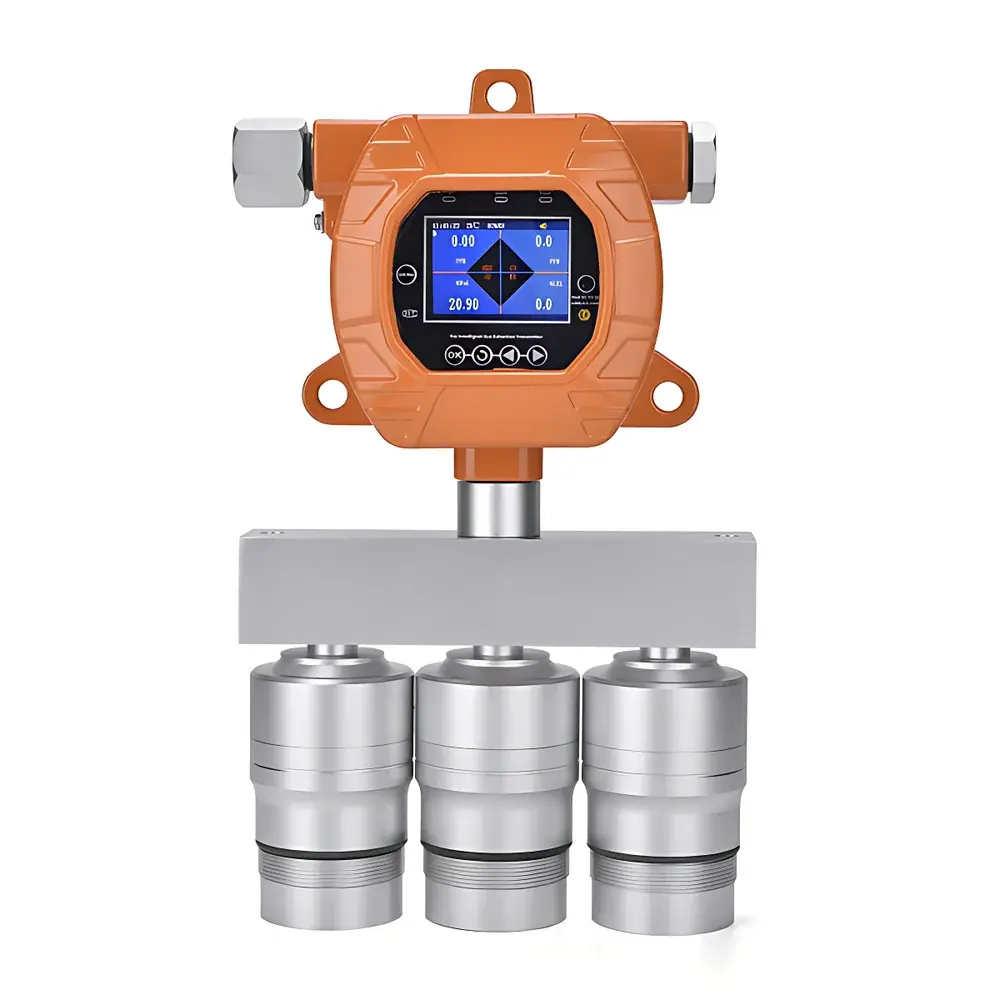
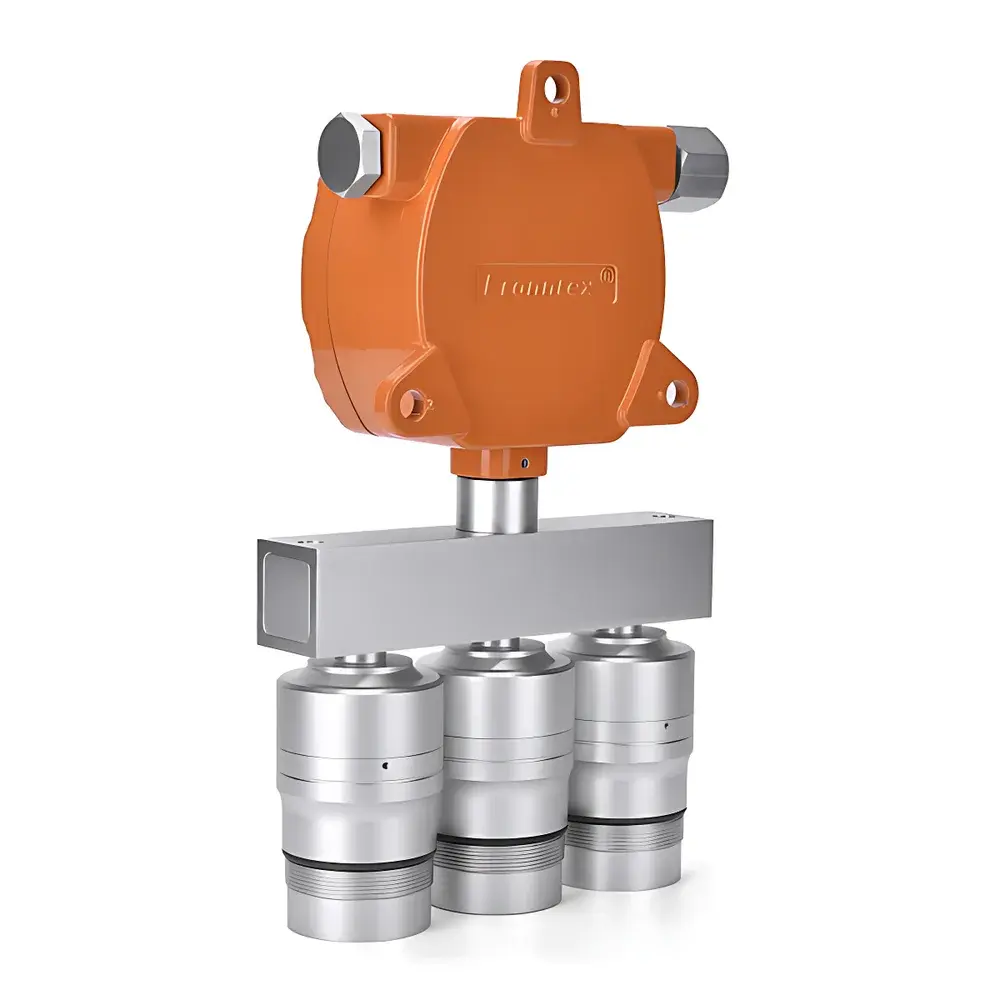
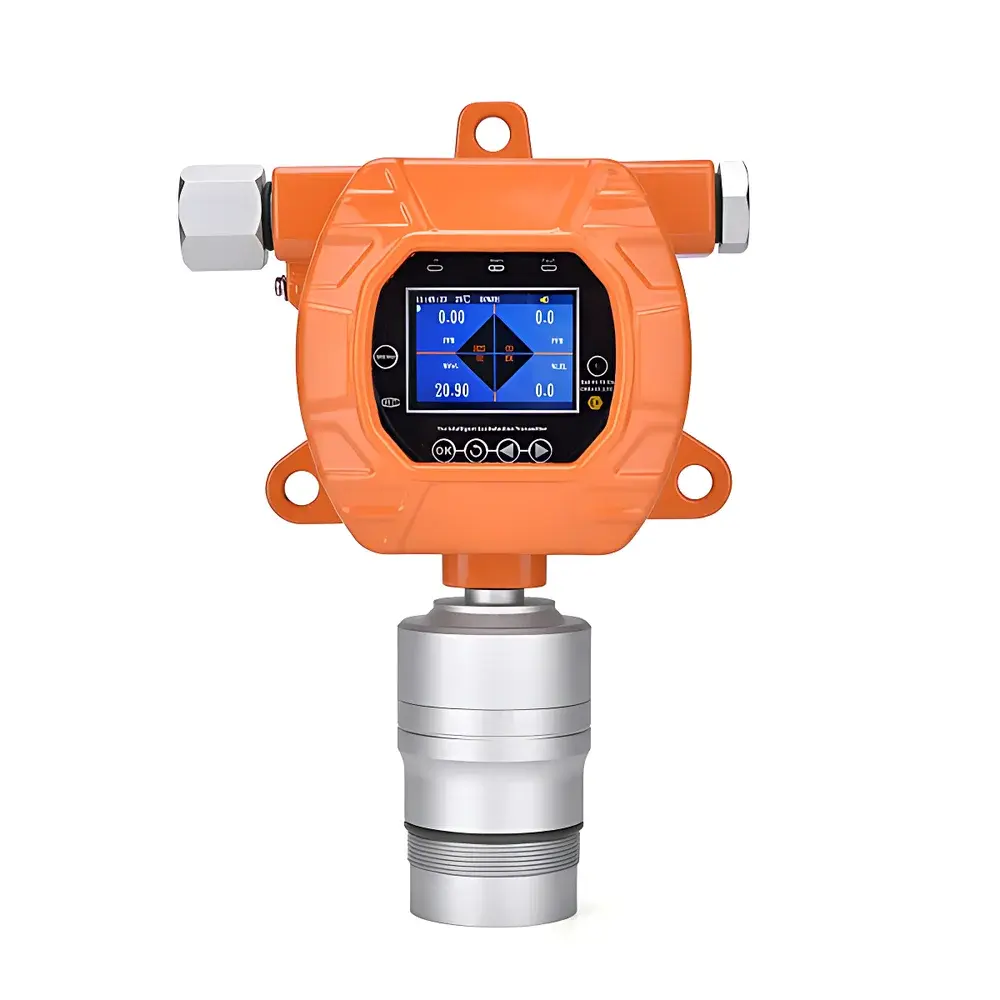
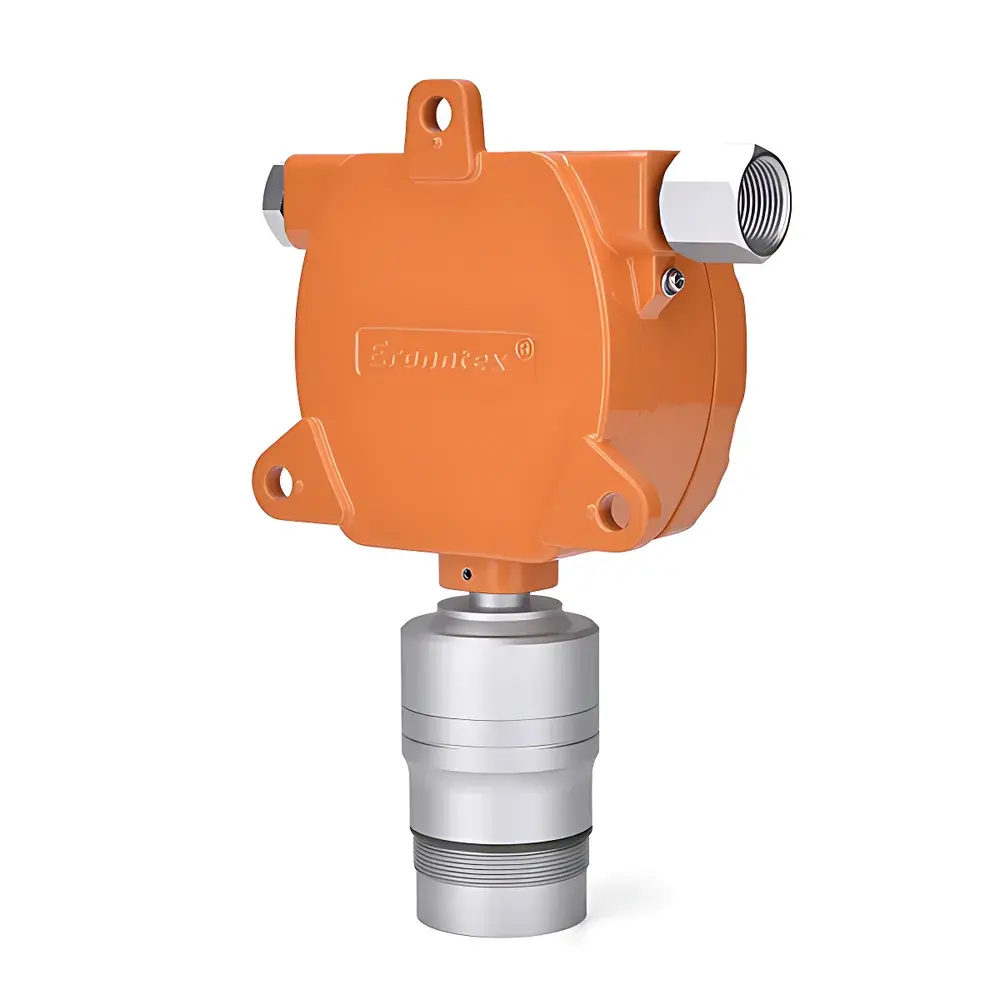
Eranntex LMIC-600-CH3Br Fixed-Mount Bromomethane (Methyl Bromide) PID Gas Detector
| Brand | Eranntex |
|---|---|
| Origin | Shenzhen, China |
| Manufacturer Type | OEM/ODM Producer |
| Country of Origin | China |
| Model | LMIC-600-CH3Br |
| Detection Principle | Photoionization Detection (PID) |
| Measurement Range | 0–100 ppm CH₃Br |
| Resolution | 0.01 ppm (0–100 ppm) |
| Output Signals | RS485 (Modbus RTU), 4–20 mA, 3 relay outputs |
| Environmental Rating | IP66, Exd IIC T6 Gb |
| Operating Temperature | −40 °C to +70 °C |
| Humidity Range | 10–95% RH (non-condensing) |
| Power Supply | 12–36 VDC |
| Display | 2.5″ color LCD |
| Compliance | GB 15322.1–2019, GB 3836.1/2–2010, CMC certification, EMI/EMC compliant |
Overview
The Eranntex LMIC-600-CH3Br is a fixed-mount, continuous-duty bromomethane (methyl bromide, CH₃Br) gas detector engineered for real-time, long-term monitoring in industrial and environmental engineering applications. It employs photoionization detection (PID) technology—a non-destructive, highly sensitive analytical method that uses ultraviolet (UV) light to ionize volatile organic compounds (VOCs) and select inorganic gases—including bromomethane—enabling quantification at sub-ppm levels. Unlike electrochemical or catalytic bead sensors, PID offers broad-spectrum detectability, minimal cross-sensitivity to common background gases (e.g., CO₂, N₂, O₂), and stable response across variable temperature and humidity conditions when properly compensated. The instrument is specifically calibrated for CH₃Br with a linear measurement range of 0–100 ppm and a resolution of 0.01 ppm, meeting the stringent requirements of wastewater treatment process control, activated sludge toxicity assessment, fumigation emission verification, and regulatory compliance reporting under national environmental standards.
Key Features
- Photoionization detection (PID) sensor optimized for bromomethane with UV lamp (10.6 eV) and high-selectivity quartz window filtration
- Intrinsically safe circuit architecture certified to Exd IIC T6 Gb (GB 3836.1/2–2010) for use in Zone 1 hazardous areas
- Dual-output interface: isolated 4–20 mA analog signal and RS485 Modbus RTU digital bus for seamless integration into DCS, PLC, and SCADA systems
- Three programmable relay outputs supporting multi-level alarm thresholds (pre-alarm, alarm, fault), configurable via infrared remote control without opening the enclosure
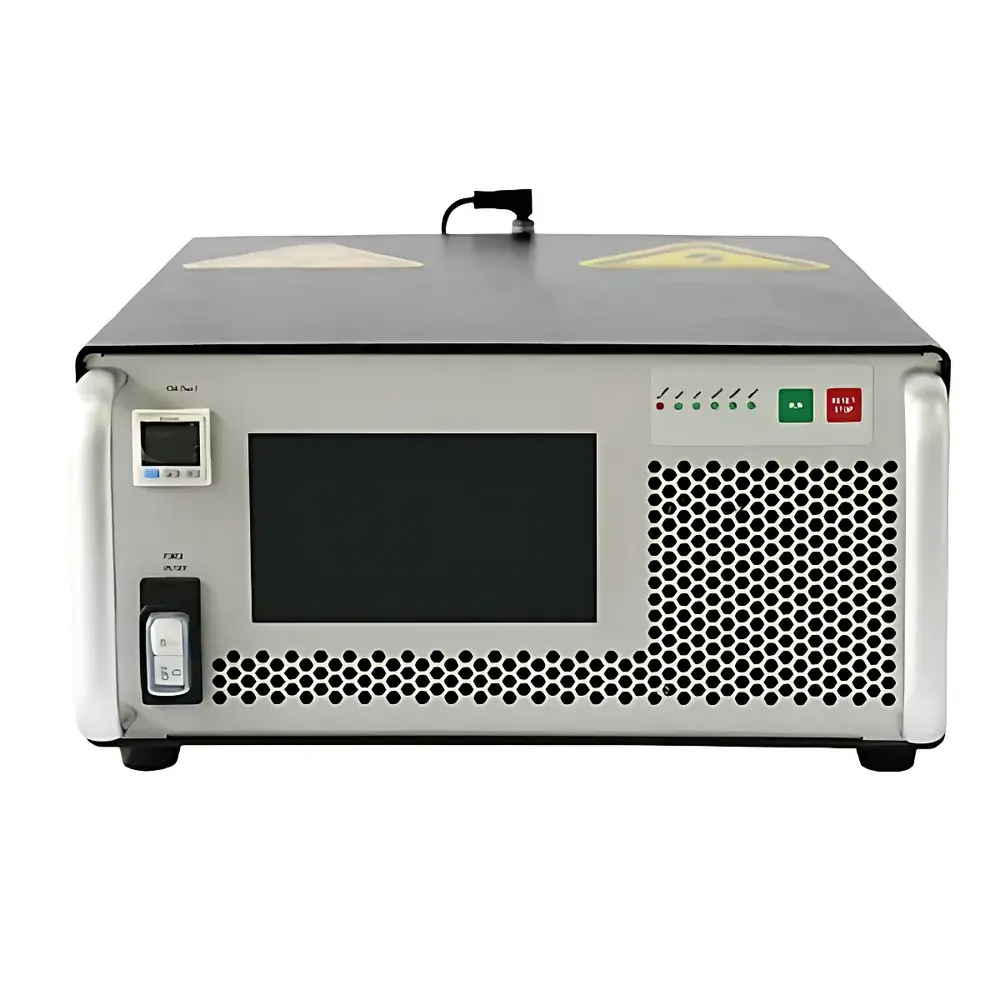
- 2.5-inch high-resolution color LCD displaying real-time CH₃Br concentration, ambient temperature, relative humidity, status flags, and data logging indicators
- Onboard data storage (internal flash + optional SD card) with timestamped records of concentration, alarms, calibration events, and sensor diagnostics
- Advanced compensation algorithms for temperature, humidity, and zero drift; automatic baseline tracking ensures ≤±2% FS accuracy over extended operation
- EMI/EMC-compliant design validated per national standards (GB/T 18268.1–2010); dual-stage surge protection exceeds Class II lightning immunity requirements
- Flexible mounting options: wall-mount, pipe-clamp, or flanged installation; optional pre-treatment modules available for high-humidity or particulate-laden sample streams
Sample Compatibility & Compliance
The LMIC-600-CH3Br is designed for direct diffusion sampling in ambient air or duct-mounted configurations using optional flow-controlled sampling kits. It is compatible with typical process environments in wastewater treatment plants, biogas upgrading facilities, soil fumigation chambers, and chemical storage zones where bromomethane may be released during degassing or residual off-gassing. The PID sensor exhibits low interference from water vapor, methane, carbon dioxide, and nitrogen—critical for reliable operation in humid biological treatment settings. Regulatory alignment includes conformity with GB 15322.1–2019 (Performance Requirements for Combustible Gas Detectors), mandatory CMC metrological certification, and electromagnetic compatibility per GB/T 18268.1. While not FDA 21 CFR Part 11–certified out-of-box, audit-ready data logs (with user ID, timestamp, action type) support GLP/GMP-aligned documentation workflows when deployed with traceable calibration procedures.
Software & Data Management
Data acquisition and system supervision are enabled via Eranntex’s free PC-based upper-computer software, supporting real-time plotting, historical trend analysis, alarm event filtering, and CSV export for third-party statistical review (e.g., JMP, MATLAB, or LIMS integration). The device supports Modbus RTU addressing for up to 247 units on a single RS485 bus, allowing centralized management of distributed monitoring networks. Optional MIC2000 controller extends scalability to 1,000 nodes with unified alarm mapping, remote firmware updates, and role-based access control. All calibration, maintenance, and fault logs are time-stamped and stored onboard; SD card capacity is customizable up to 32 GB. The system enforces write-protection on critical configuration parameters and prevents erroneous zero/span adjustments through built-in validation logic—reducing operational risk during field servicing.
Applications
- Continuous emission monitoring (CEM) of bromomethane during post-fumigation ventilation in municipal wastewater treatment plants
- Toxicity assessment of activated sludge systems exposed to halogenated biocides or industrial influent spikes
- Leak detection and perimeter monitoring around methyl bromide storage cylinders and vapor-phase application equipment
- Process safety interlocking in chemical synthesis lines where CH₃Br serves as a methylating agent or intermediate
- Environmental compliance verification for facilities subject to local VOC emission limits (e.g., China’s HJ 1012–2018 standard for toxic air pollutants)
- Integration into smart environmental IoT platforms via optional LoRaWAN or NB-IoT wireless gateways (2–5 km range, extendable via repeaters)
FAQ
What detection principle does the LMIC-600-CH3Br use, and why is PID preferred for bromomethane?
It utilizes photoionization detection (PID) with a 10.6 eV UV lamp. PID provides rapid, reversible, and linear response to CH₃Br without sensor poisoning—unlike electrochemical cells—which is essential for intermittent high-concentration exposure in fumigation scenarios.
Can this detector operate reliably in high-humidity wastewater headspace environments?
Yes—when equipped with the optional high-humidity pre-treatment module (condensate trap + Nafion dryer), it maintains accuracy at up to 95% RH non-condensing. Built-in temperature/humidity compensation further minimizes drift.
Is the 4–20 mA output intrinsically safe and compatible with Siemens S7 or Allen-Bradley ControlLogix systems?
Yes—the current loop is galvanically isolated and certified for hazardous area use. It complies with HART-compatible signal integrity requirements and interfaces directly with standard analog input cards in major DCS/PLC platforms.
How often does the PID lamp require replacement, and what is its expected service life?
The UV lamp has a rated lifetime of ≥6,000 hours under continuous operation. Replacement is field-serviceable and documented in the maintenance manual; lamp aging is tracked automatically and reported via diagnostic log.
Does the device support remote calibration verification without physical access to the sensor?
No—zero and span calibration require certified gas standards and controlled exposure. However, the infrared remote enables full menu navigation, alarm threshold adjustment, and data review without opening the explosion-proof housing.
Related Products