
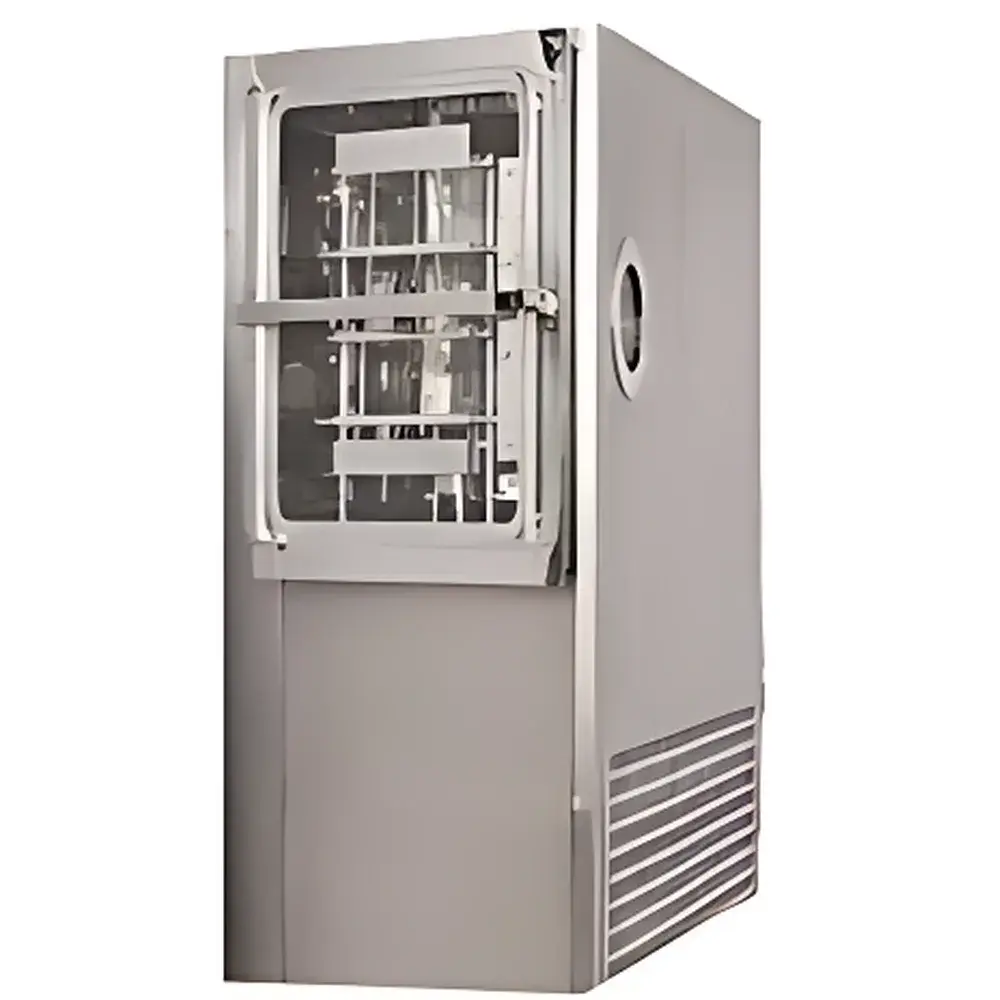
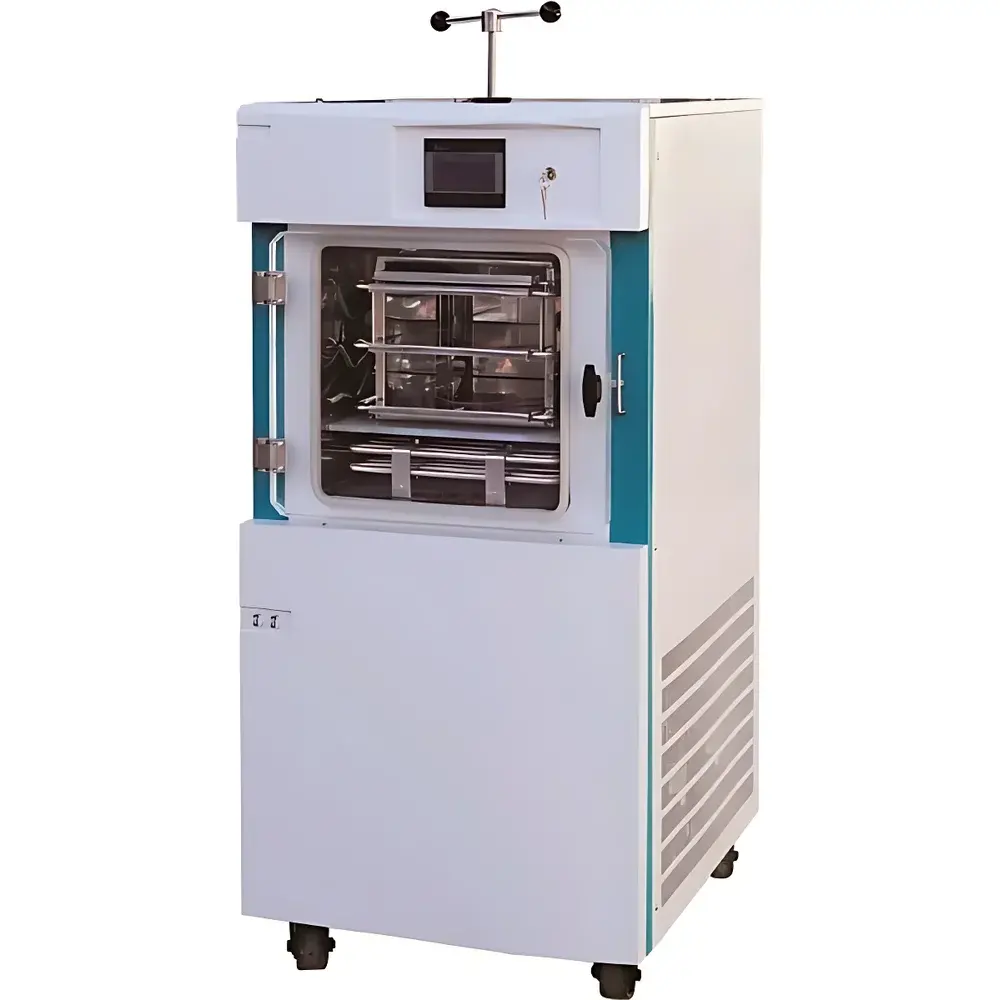
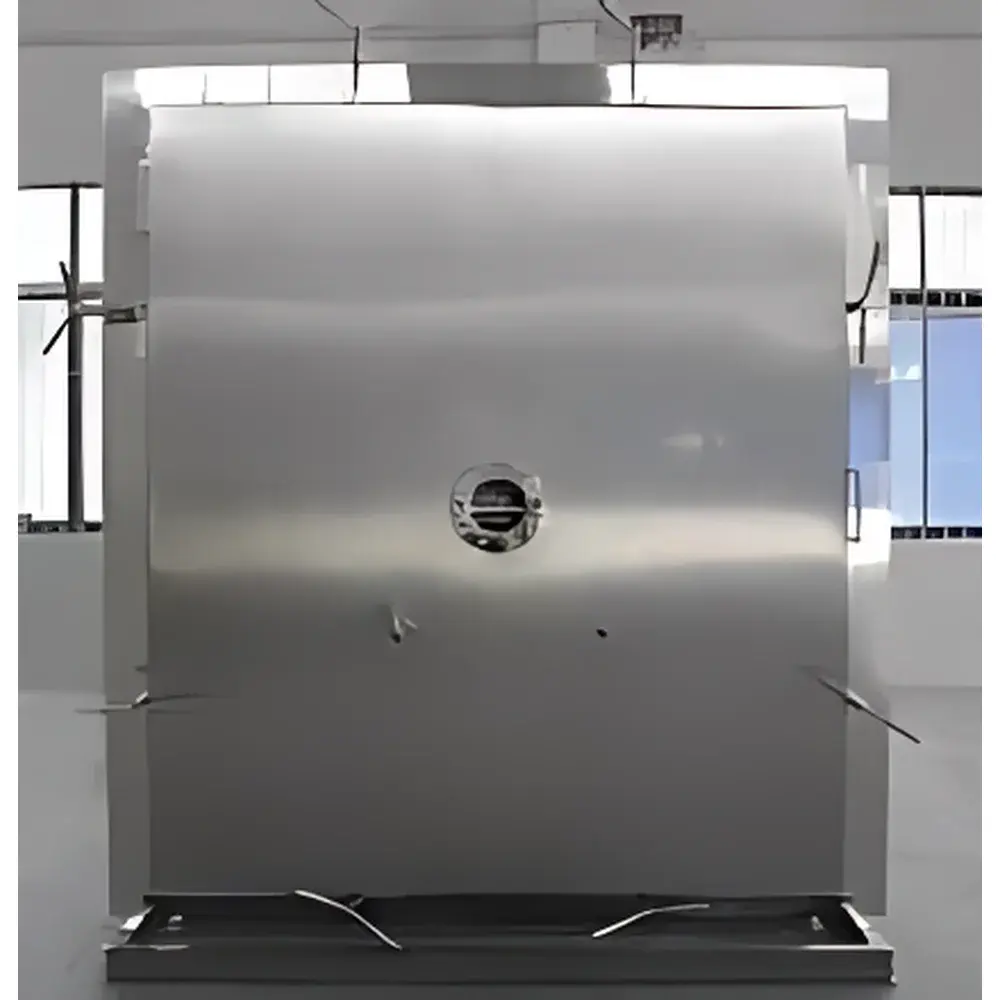
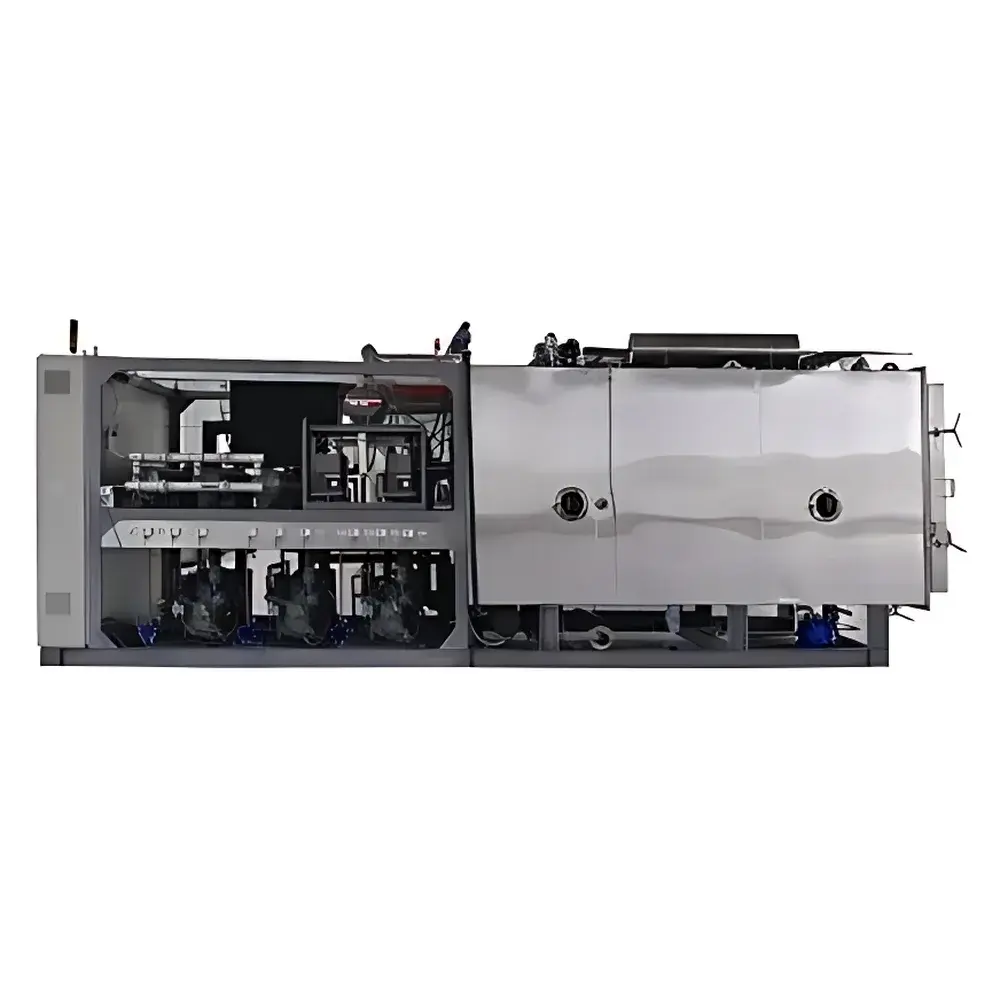
BIOCOOL Pilot10-15T Pilot-Scale Freeze Dryer
| Brand | BIOCOOL |
|---|---|
| Origin | Beijing, China |
| Model | Pilot10-15T |
| Type | Standard Shelf-Type Freeze Dryer |
| Application | Pilot-Scale Processing |
| Lyophilization Area | 1 m² |
| Ultimate Vacuum | ≤ 2.5 Pa |
| Condenser Capacity (24 h) | 15 kg/24 h |
| Condenser Temperature | ≤ −80 °C |
| Shelf Temperature Range (Empty Load) | ≤ −50 °C |
| Shelf Dimensions | 350 mm × 600 mm |
| Number of Shelves | 5 + 1 Radiant Shelf |
| Shelf Spacing | 70 mm |
| Installed Power | 8 kW (3-phase) |
| Unit Dimensions (W×D×H) | ≈ 880 × 2200 × 1900 mm |
| Weight | ≈ 1200 kg |
| Noise Level | ≤ 70 dB(A) |
| Compliance | GMP, GB/T 5226.1–1996 |
Overview
The BIOCOOL Pilot10-15T is a purpose-engineered pilot-scale freeze dryer designed for process development, formulation optimization, and small-batch manufacturing under regulated pharmaceutical and biotechnology environments. It operates on the fundamental principles of sublimation-based lyophilization: freezing the product below its eutectic or collapse temperature, followed by primary drying under controlled vacuum to remove ice via sublimation, and secondary drying to eliminate bound water through desorption. With a total shelf area of 1 m² and a condenser capacity of 15 kg/24 h, the system bridges the gap between laboratory-scale feasibility studies and commercial production—enabling scalable parameter transfer, cycle validation, and regulatory documentation in accordance with ICH Q5C, Q8(R2), and Q9 frameworks.
Key Features
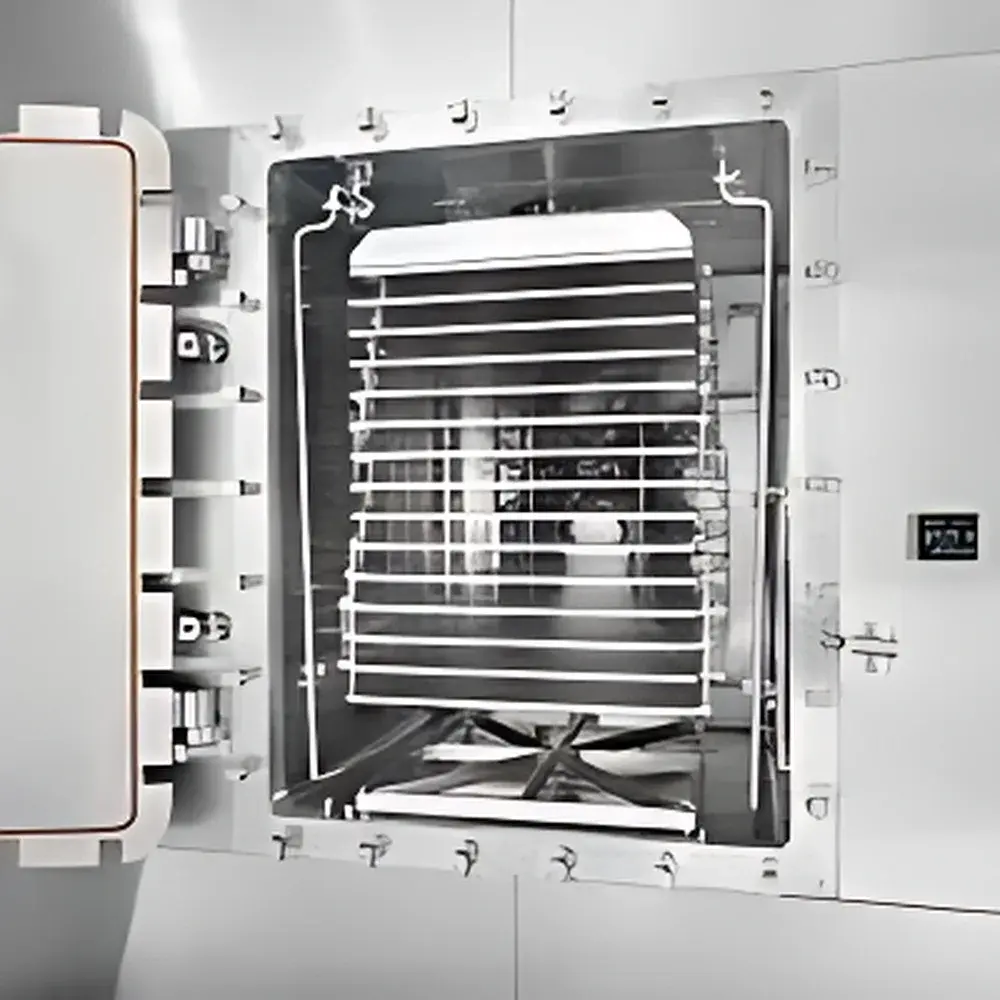
- Five actively controlled shelves plus one radiant shelf, each measuring 350 mm × 600 mm with uniform 70 mm spacing—optimized for consistent heat transfer and minimal thermal gradient across loads.
- Shelf temperature control range down to ≤ −50 °C (empty load), supporting deep freezing of thermolabile biologics including monoclonal antibodies, vaccines, and plasmid DNA formulations.
- Cryogenic condenser operating at ≤ −80 °C (empty load), engineered with high-surface-area stainless-steel coils and optimized refrigerant flow dynamics to ensure reliable ice entrapment during extended primary drying phases.
- Ultimate vacuum performance of ≤ 2.5 Pa, achieved via dual-stage oil-lubricated rotary vane pump coupled with integrated vacuum regulation and real-time pressure feedback control.
- GMP-compliant mechanical architecture: all wetted surfaces constructed from electropolished 316L stainless steel; sealed chamber design meeting ISO Class 5 (Class 100) compatibility when installed in appropriate cleanroom environments.
- Integrated electrical infrastructure supports 3-phase 380 V / 50 Hz input with nominal installed power of 8 kW—designed for stable operation under variable grid conditions without auxiliary cooling requirements beyond standard ambient air exchange.
Sample Compatibility & Compliance
The Pilot10-15T accommodates standard pharmaceutical primary packaging formats—including 22 mm serum vials (up to 2,268 units per batch) and bulk liquid loads ≥15 kg—while maintaining strict thermal and vacuum uniformity across the entire shelf stack. Its mechanical and control architecture conforms to GB/T 5226.1–1996 (equivalent to IEC 60204-1) for electrical safety, and structural design follows the core tenets of Annex 1 (EU GMP) and FDA’s Guidance for Industry: Sterile Drug Products Produced by Aseptic Processing. Validation-ready configuration includes prequalified sensor ports (PT100 RTDs, capacitance manometers), documented IQ/OQ protocols, and traceable calibration certificates aligned with ISO/IEC 17025-accredited metrology practices.
Software & Data Management
Equipped with an embedded industrial PLC-based control system featuring a 10.1-inch HMI touchscreen interface, the Pilot10-15T supports fully programmable lyophilization cycles with up to 99 steps per phase (freezing, annealing, primary drying, secondary drying). All process parameters—including shelf temperature, chamber pressure, condenser temperature, and elapsed time—are logged at user-defined intervals (minimum 1-second resolution) and stored locally with redundant SD-card backup. Audit trail functionality complies with FDA 21 CFR Part 11 requirements, providing electronic signature support, role-based access control, and immutable data export in CSV and PDF formats suitable for regulatory submission packages.
Applications
- Process development and scale-up studies for parenteral biologics, diagnostics reagents, and probiotic formulations.
- Stability testing under accelerated and real-time conditions per ICH Q1A(R2).
- Batch release support for clinical trial materials (Phase I–III) requiring full traceability and GMP-aligned documentation.
- Contract development and manufacturing organization (CDMO) workflows where equipment qualification, change control, and deviation management are integral to quality systems.
- Academic and government research labs conducting mechanistic studies on cake structure, residual moisture distribution, and critical quality attributes (CQAs) linked to critical process parameters (CPPs).
FAQ
What is the maximum allowable load volume per cycle, and how is it determined?
The system supports up to 15 kg of aqueous load per 24-hour cycle, based on condenser capacity and thermal balance under worst-case vapor load conditions. Actual throughput depends on product-specific heat and mass transfer coefficients, as well as cycle design.
Does the system include validation documentation for GMP compliance?
Yes—BIOCOOL provides comprehensive IQ/OQ documentation packages, including test protocols, acceptance criteria, and executed reports traceable to NIST-calibrated instrumentation.
Can the freeze dryer be integrated into a larger facility SCADA or MES system?
The unit features Modbus TCP and optional OPC UA connectivity, enabling seamless integration with enterprise-level manufacturing execution systems for centralized monitoring and electronic batch record (EBR) synchronization.
Is remote monitoring supported, and what security measures are implemented?
Remote web-based supervision is available via encrypted HTTPS connection with TLS 1.2+; authentication uses multi-factor credentials and session timeouts aligned with ISO 27001 information security controls.
What maintenance intervals are recommended for long-term operational reliability?
Preventive maintenance is scheduled every 1,000 operating hours or annually—whichever occurs first—with emphasis on vacuum pump oil replacement, refrigerant integrity verification, and shelf surface passivation inspection.



