
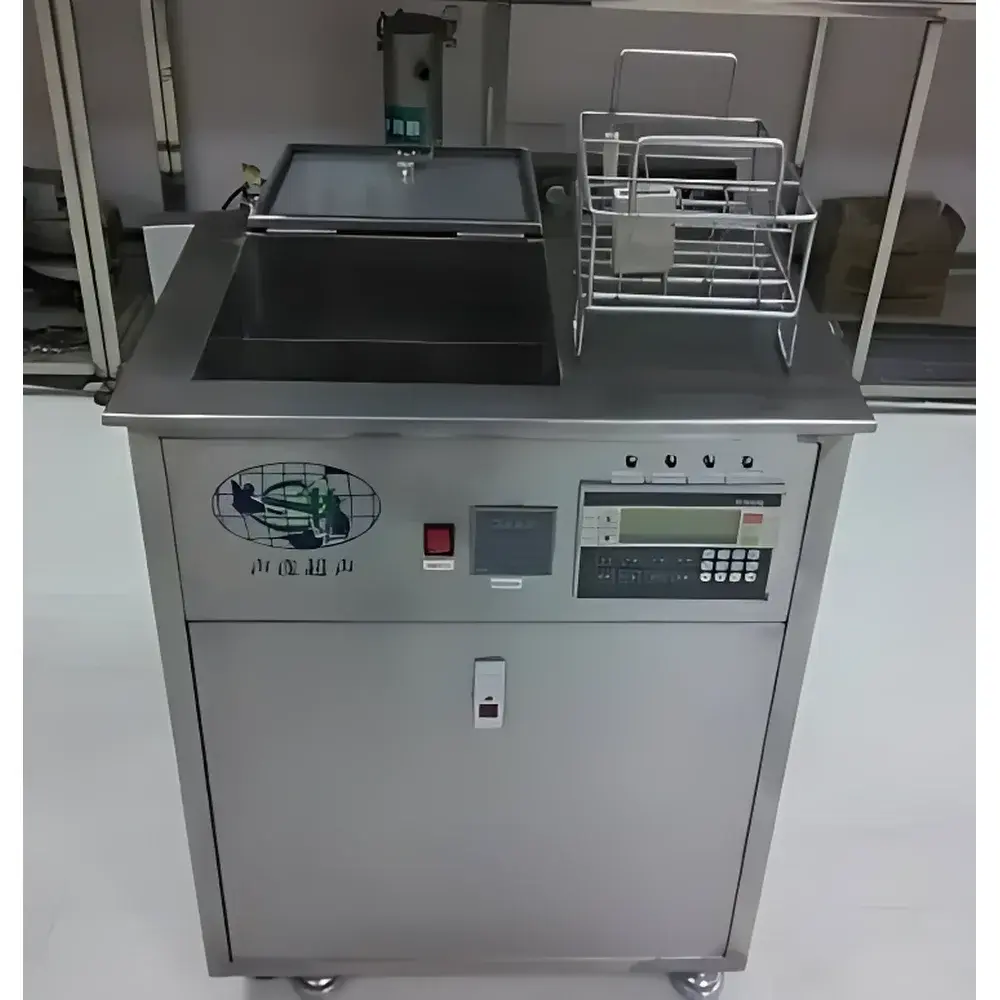
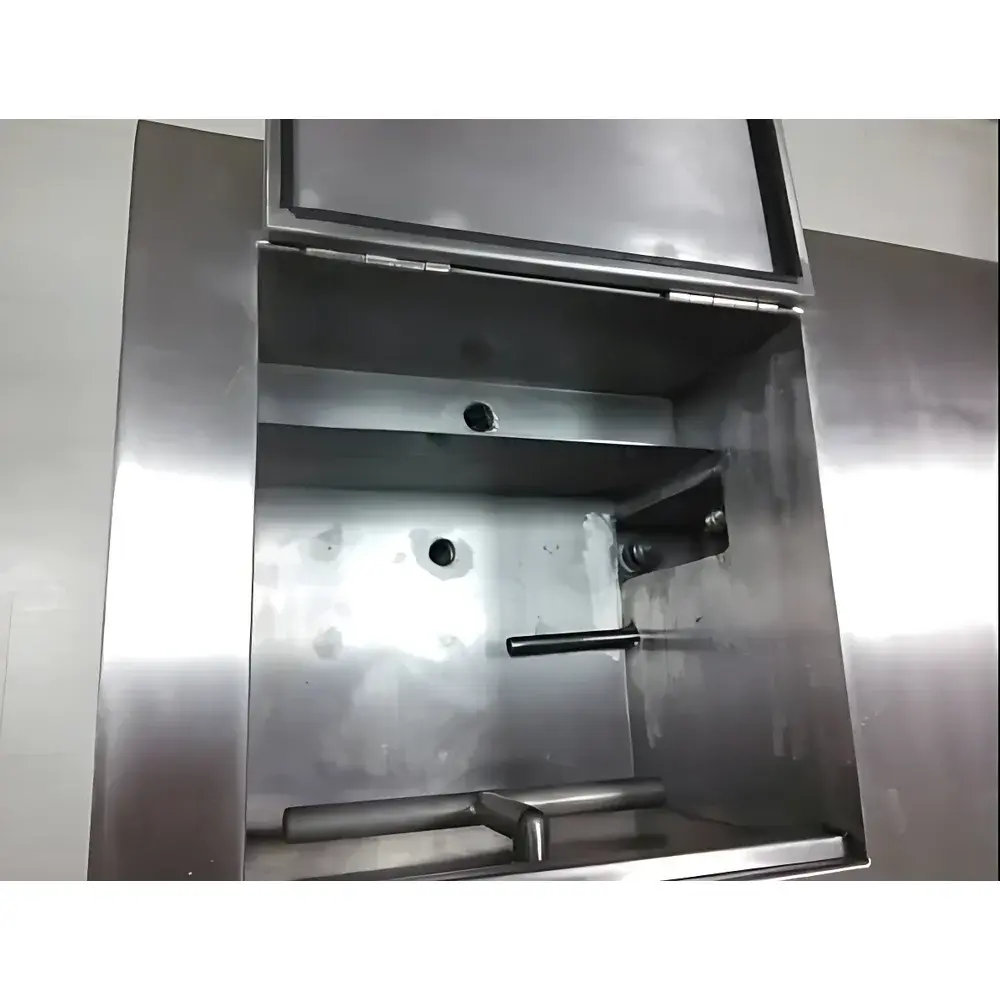
SYC Sycs SCQ-140107 Single-Tank Fully Automated Electromagnetic Valve Ultrasonic Cleaner
| Brand | SYC Sycs |
|---|---|
| Origin | Shanghai, China |
| Model | SCQ-140107 |
| Tank Capacity | 10 L |
| Ultrasonic Frequency | 40 kHz |
| Ultrasonic Power Output | 600 W (adjustable 10–100%) |
| Temperature Range | Ambient to 80 °C (adjustable) |
| Timer Range | 1–600 min (adjustable) |
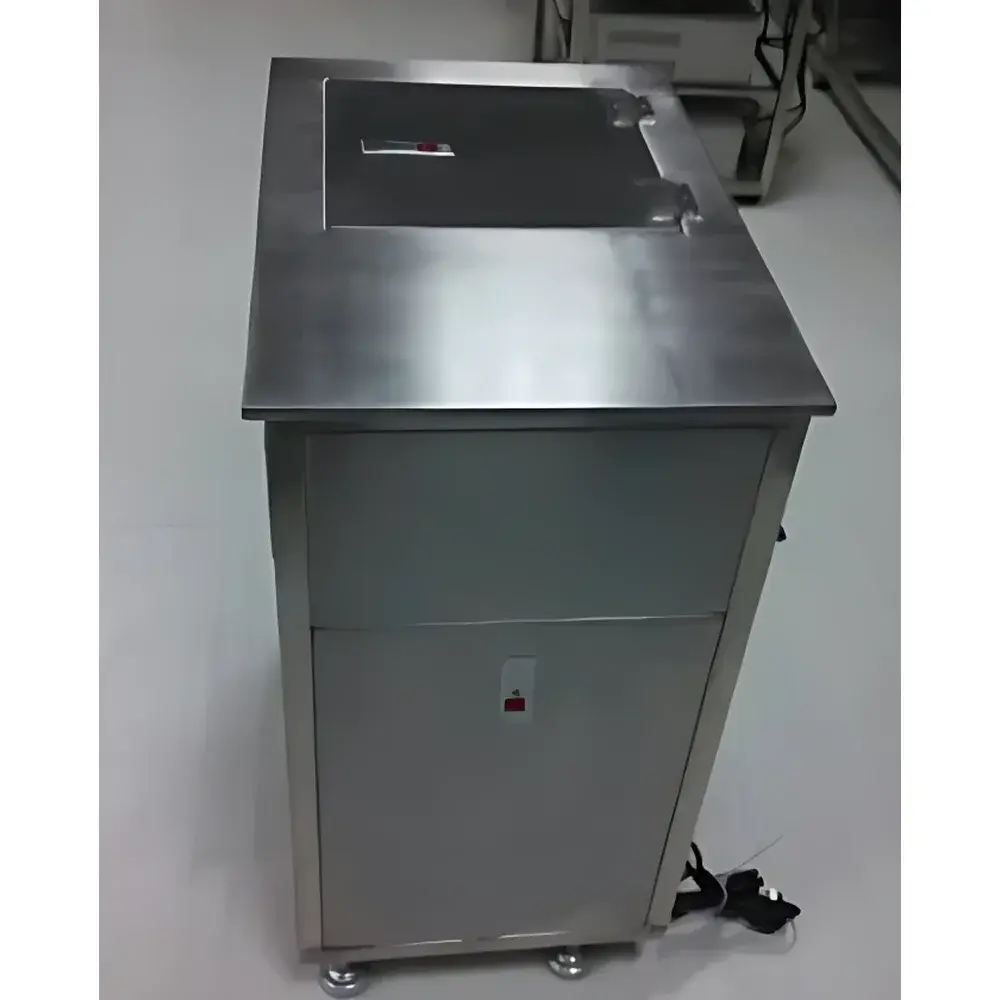
| Lid | Acoustic-dampening hinged cover with ergonomic handle |
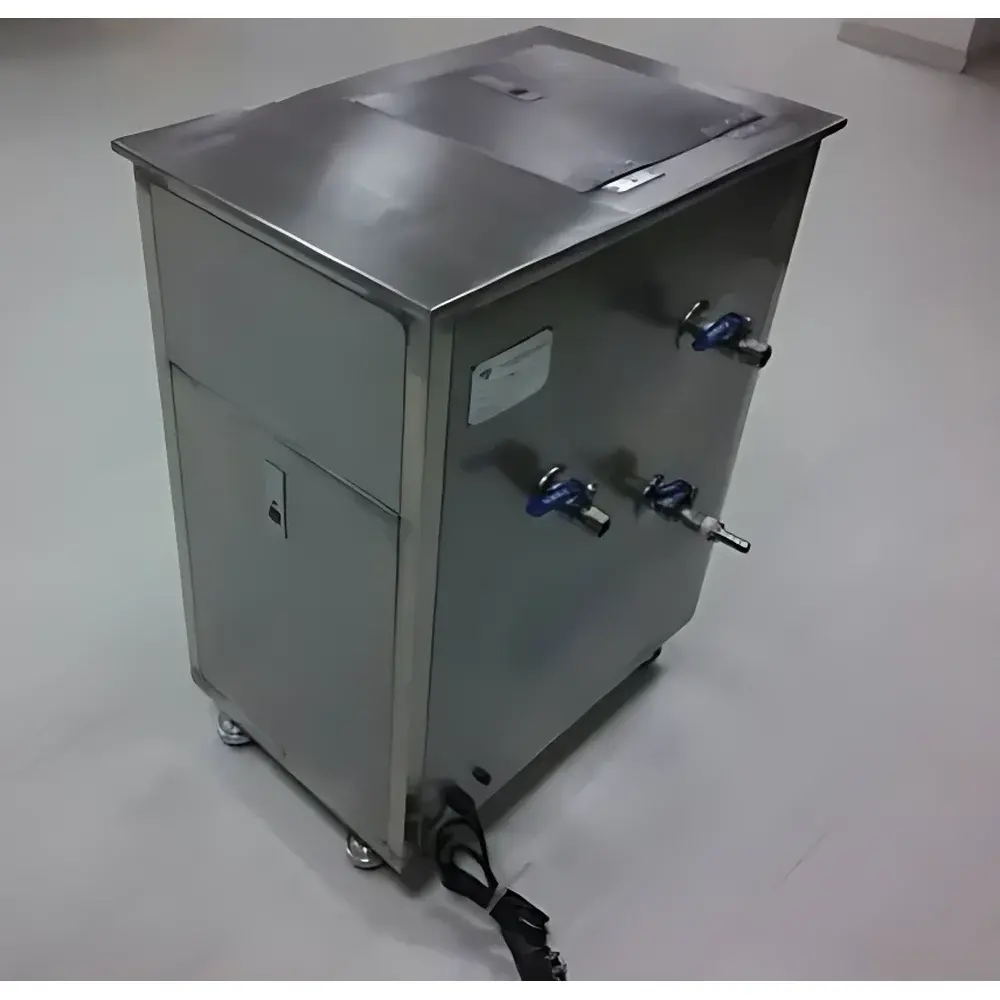
| Drain & Fill | Electrically controlled, standard 1/2″ BSP male threaded ports (inlet top-mounted, outlet bottom-mounted) |
| Construction | Inner tank SUS304 stainless steel, 2 mm wall thickness |
| Dimensions (L×W×H) | 600 × 400 × 400 mm |
| Internal Tank Dimensions | 300 × 240 × 150 mm |
| Additional Features | Integrated spray rinse system, auto-level sensing, programmable multi-cycle cleaning (up to 8 cycles), built-in air gun and hanging hooks, audible/visual alarm, side-access service panel, active cooling via internal fan-assisted airflow within acoustic insulation layer |
Overview
The SYC Sycs SCQ-140107 is a single-tank, fully automated ultrasonic cleaning system engineered specifically for the precision cleaning of electromagnetic valves and other high-tolerance electromechanical components in regulated laboratory, quality control, and small-batch manufacturing environments. It operates on the principle of cavitation-induced micro-scrubbing: at a fixed frequency of 40 kHz, high-intensity ultrasonic energy generates transient microbubbles in aqueous cleaning solutions, which collapse near surfaces to dislodge particulate contaminants, oils, flux residues, and light oxides without mechanical abrasion. Unlike general-purpose cleaners, the SCQ-140107 integrates process automation—auto-fill, temperature-controlled pre-soak, multi-stage rinse cycles, timed ultrasonication, and auto-drain—enabling unattended execution of validated cleaning protocols. Its robust SUS304 construction, acoustic-dampened lid, and fan-cooled insulation meet ISO 13485-aligned environmental and safety expectations for cleanroom-adjacent use.
Key Features
- Fully automated cleaning sequence: programmable pre-soak heating, ultrasonic cleaning phase, up to eight repeat rinse cycles (spray + immersion), and final drain—all executed without manual intervention
- 600 W ultrasonic transducer array with optimized power density distribution, focused toward the central 70% of the tank base to ensure uniform energy delivery across valve subassemblies placed in standardized baskets
- Precise thermal management: PID-controlled heating from ambient to 80 °C, maintaining ±1.5 °C stability over full load; critical for activating detergent efficacy and reducing surface tension during winter operation
- Acoustic enclosure design: hinged 304 stainless steel lid with integrated sound-absorbing composite layer and forced-air cooling channel to maintain transducer operating temperature and reduce ambient noise to ≤62 dB(A) at 1 m
- Intelligent fluid handling: dual-point level sensing with fail-safe cutoff, electrically actuated solenoid valves for inlet/outlet, and 1/2″ BSP male threaded ports compliant with ISO 228-1 for integration into centralized lab utility lines
- Service-oriented architecture: side-hinged access panel for rapid inspection of power supply, heater elements, and transducer cabling—designed to support GLP-compliant maintenance logs and preventive servicing intervals
Sample Compatibility & Compliance
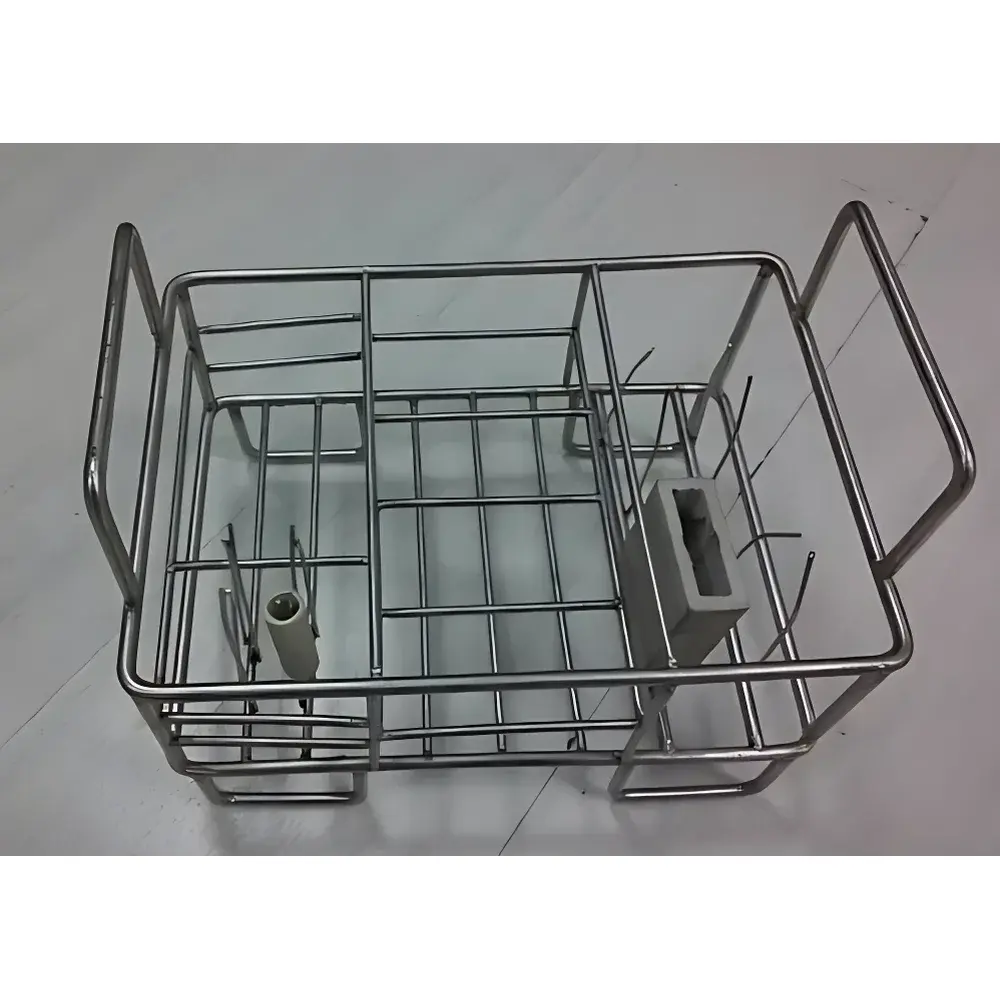
The SCQ-140107 accommodates electromagnetic valve assemblies (including solenoid bodies, armatures, and orifice plates) mounted in dedicated SUS304 carriers, with each carrier supporting four complete valve sets. Its 10 L working volume and 300 × 240 × 150 mm internal geometry allow simultaneous processing of multiple part types while preserving spatial separation to prevent cross-contamination. The system is compatible with water-based, non-corrosive, low-foaming detergents meeting ASTM D4169 and USP criteria for medical device cleaning validation. All wetted surfaces are electropolished SUS304 (Ra ≤ 0.8 µm), compliant with FDA-recommended material specifications for indirect food- and pharma-contact equipment. While not certified to IEC 61000-6-3 or UL 61010-1 out-of-the-box, its electrical architecture supports third-party conformity assessment for CE marking under the EU Machinery Directive when installed per manufacturer-specified grounding and utility isolation requirements.
Software & Data Management
Operation is managed via a sealed membrane keypad with LED status indicators and real-time display of temperature, elapsed time, cycle stage, and fault codes. Though lacking Ethernet or USB connectivity, the controller embeds non-volatile memory capable of storing up to 20 user-defined cleaning programs—including soak duration, ultrasonic duty cycle, rinse count, and temperature setpoints—with timestamped execution logging accessible via front-panel review. All parameter changes trigger an audit trail entry (date/time, operator ID placeholder, modified setting), satisfying foundational ALCOA+ data integrity principles for GxP environments. Optional RS-485 Modbus RTU interface is available for integration into centralized lab monitoring systems (e.g., LabVantage, Siemens Desigo) where protocol-level traceability is required.
Applications
- Cleaning of electromagnetic fuel injectors, pneumatic control valves, and HVAC solenoid actuators prior to functional testing or calibration
- Removal of machining coolants, metal fines, and dielectric oils from precision valve components in aerospace MRO workflows
- Pre-sterilization preparation of reusable diagnostic instrument valves in clinical laboratory settings
- Routine maintenance cleaning of flow control manifolds in analytical instrumentation (e.g., HPLC solvent selection valves, GC pneumatic controllers)
- Validation support for cleaning process qualification (CPQ) per PDA Technical Report No. 29 and ISO 15883-5
FAQ
What cleaning agents are compatible with the SCQ-140107?
Water-miscible, non-ionic, low-foaming detergents with pH 7–10 are recommended; avoid chlorinated solvents, strong acids, or undiluted alkaline concentrates that may accelerate transducer degradation.
Can the unit be integrated into a continuous production line?
Yes—via dry-contact relay outputs (provided as standard) for external conveyor start/stop signaling and optional analog 4–20 mA temperature output for PLC interfacing.
Is validation documentation available?
Factory-installed IQ/OQ protocols (in English) are supplied with purchase; PQ templates aligned with ASTM E2889-13 are provided for customer adaptation.
What maintenance is required for long-term reliability?
Quarterly inspection of transducer bonding integrity, biannual descaling of heater elements using 5% citric acid solution, and annual verification of level sensor calibration using NIST-traceable volumetric standards.
Does the system support cold ultrasonic cleaning?
Yes—temperature control is fully decoupled from ultrasonic activation; operation at ambient temperature with degassed DI water is supported for heat-sensitive polymer components.



