
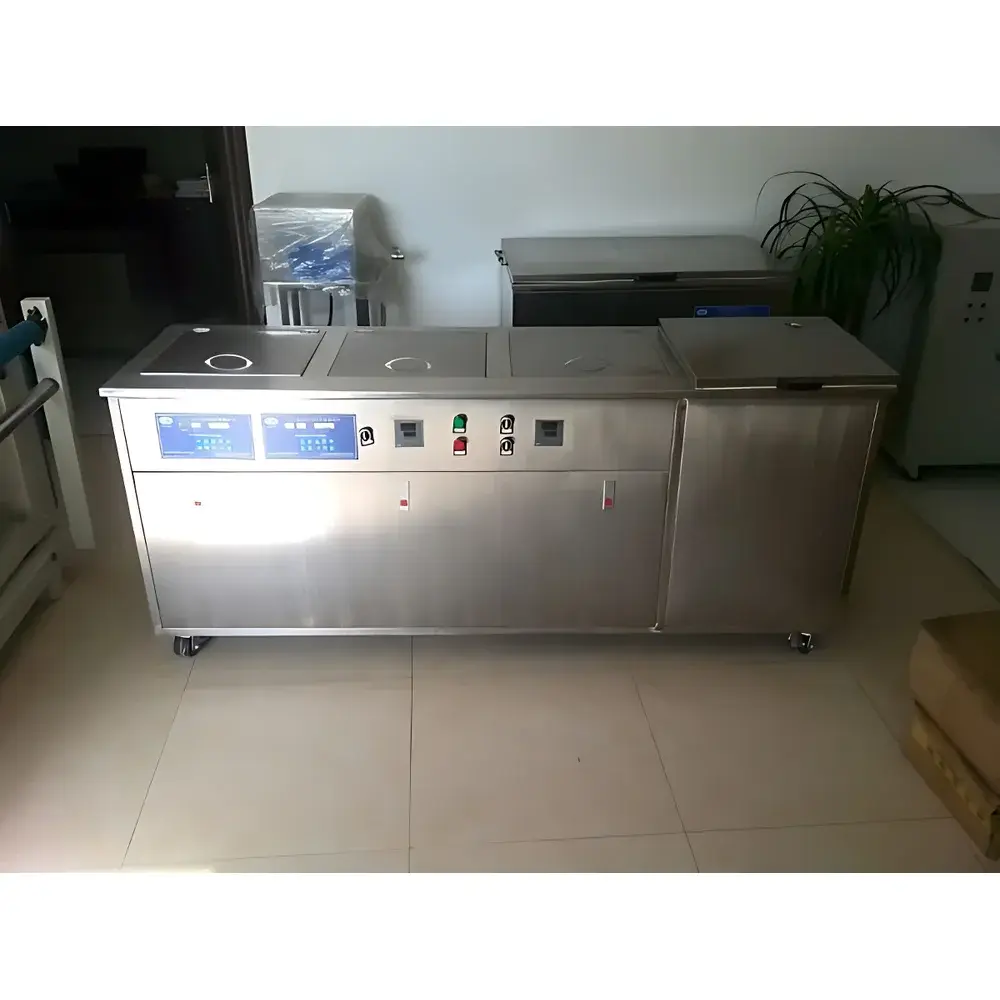
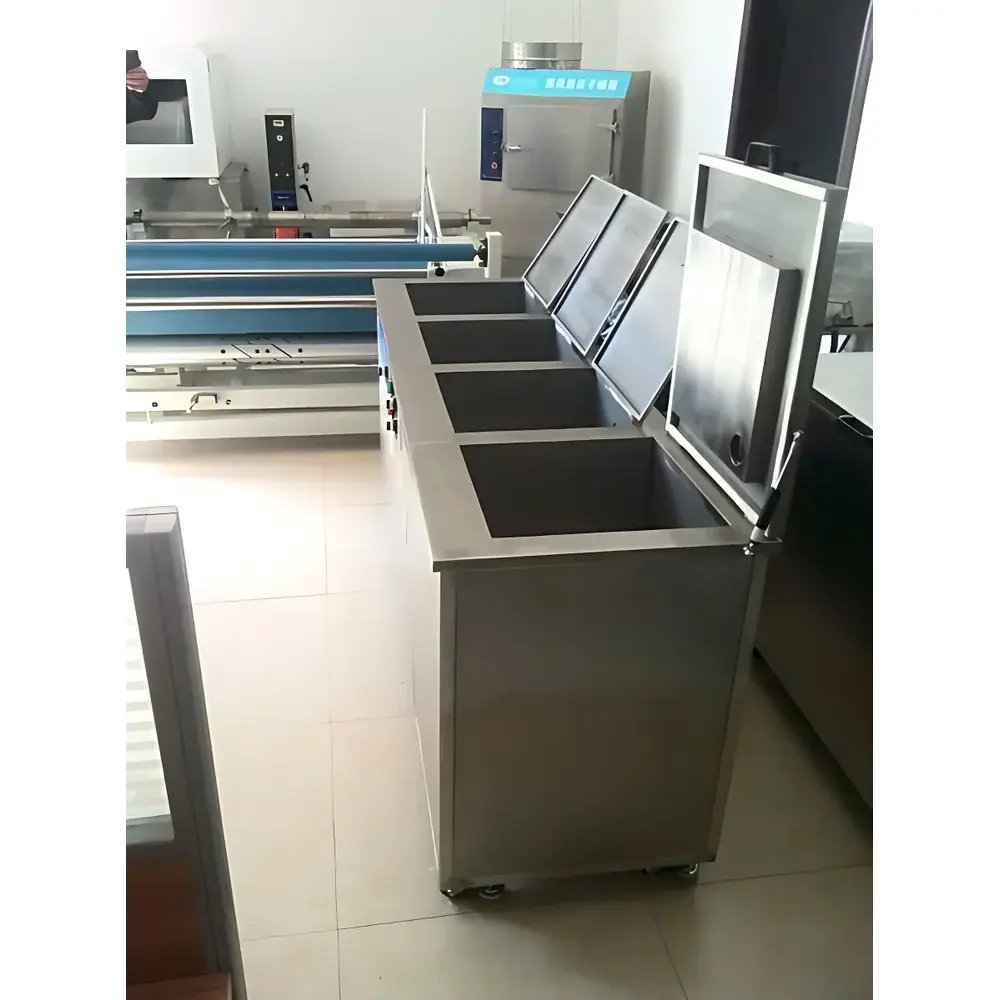
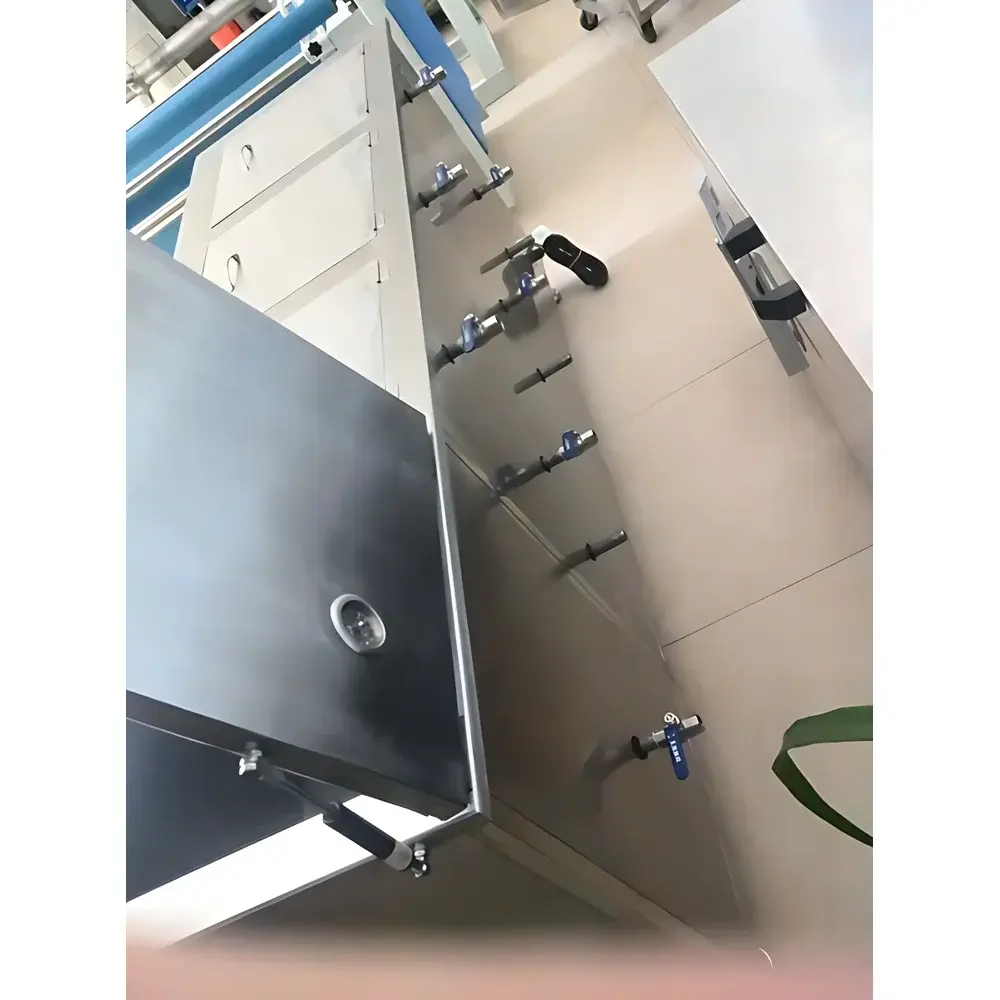
Shengyan SCQ-141120 Four-Tank Semi-Automatic Ultrasonic Cleaner
| Brand | Shengyan Ultrasonics (SYCS) |
|---|---|
| Origin | Shanghai, China |
| Model | SCQ-141120 |
| Tank Capacity | 51.2 L per tank |
| Ultrasonic Frequencies | 25 kHz / 40 kHz / 60 kHz |
| Total Ultrasonic Power | 1000 W per tank |
| Power Adjustment Range | 10–100% (stepless) |
| Heating Temperature Range | Ambient to 80 °C (wash & rinse tanks), Ambient to 300 °C (dry tank) |
| Heating Power | 3 kW (wash/rinse), 4 kW (dry) |
| Timer Range | 1–600 min (digital control) |
| Sound-Dampening Lid | Included |
| Manual Fill/Drain | Yes |
| Construction Material | SUS304L stainless steel (2.0 mm thickness) |
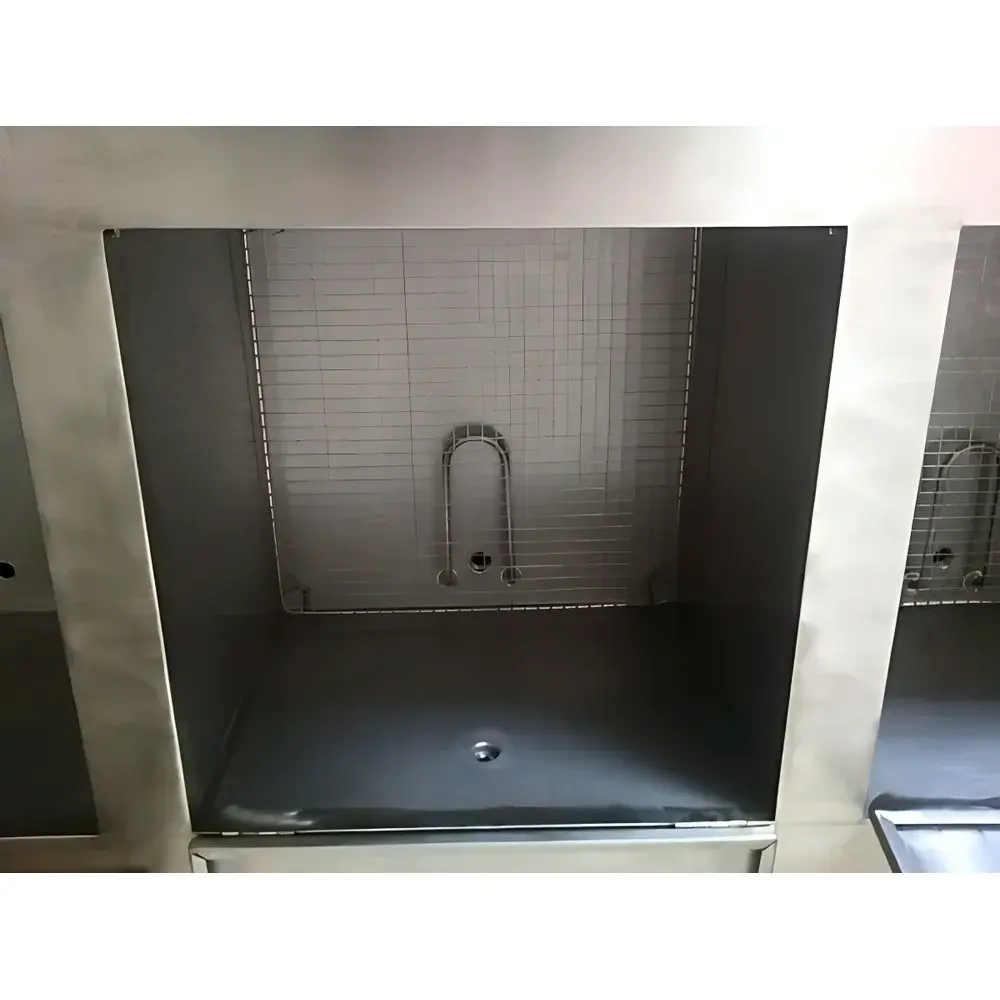
| Internal Dimensions (per tank) | 400 × 400 × 320 mm (L×W×H) |
Overview
The Shengyan SCQ-141120 is a four-tank semi-automatic ultrasonic cleaning system engineered for high-reproducibility multi-stage cleaning workflows in regulated laboratory, R&D, and light industrial environments. It integrates sequential ultrasonic cleaning, thermal rinsing, and hot-air drying into a single compact footprint—each tank operating independently with dedicated frequency, power, temperature, and timing control. The system employs piezoelectric transducers bonded to the tank bottom using high-temperature-resistant aerospace-grade adhesives, enabling stable operation at elevated bath temperatures up to 80 °C without delamination. Its ultrasonic generation architecture utilizes a self-tuning, externally excited oscillator circuit—delivering improved power transfer efficiency (+15% vs. conventional self-excited designs) and precise frequency tracking across varying load conditions and solution impedance. This ensures consistent cavitation intensity and optimal energy coupling into aqueous and solvent-based cleaning media.
Key Features
- Four independent 51.2-L tanks (400 × 400 × 320 mm internal dimensions), each constructed from 2.0-mm-thick SUS304L stainless steel for corrosion resistance against alkaline, acidic, and neutral cleaning chemistries.
- Dedicated ultrasonic frequencies per functional stage: 25 kHz (coarse cleaning), 40 kHz (fine rinsing), and 60 kHz (precision final rinse); all tanks support continuous power adjustment from 10% to 100% of rated output (1000 W).
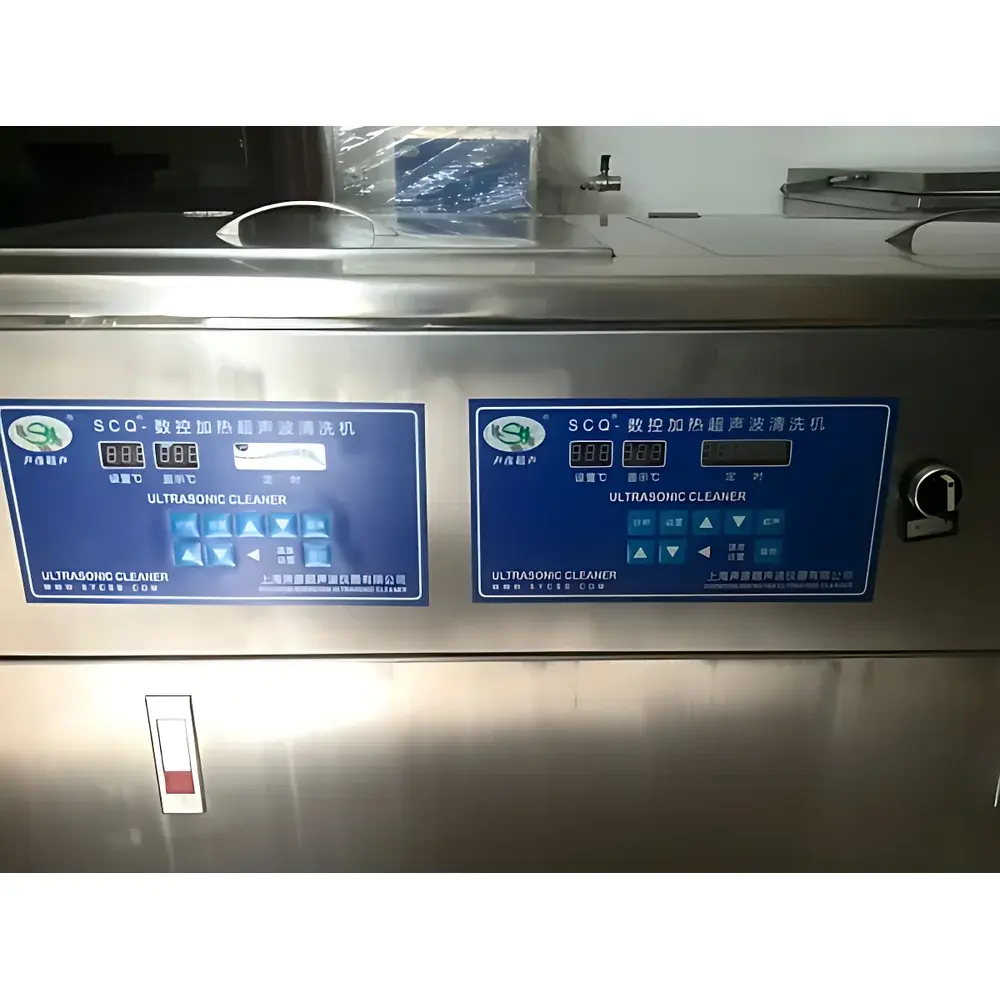
- Programmable digital timer (1–600 minutes) with memory retention and auto-shutdown; integrated over-temperature, over-current, and short-circuit protection on all heating and ultrasonic circuits.
- Thermal management: 3 kW immersion heaters in wash and rinse tanks (ambient–80 °C), plus a 4 kW stainless-steel air heater in the drying tank (ambient–300 °C) with forced convection airflow.
- Acoustically insulated hinged lid standard on all tanks to reduce ambient noise (<75 dB(A) at 1 m) and minimize solvent evaporation during heated operation.
- Modular intertank configuration supports manual transfer between stations; fill, drain, and waste ports are fitted with standard BSP-threaded connections for integration with lab water supply and floor drainage systems.
Sample Compatibility & Compliance
The SCQ-141120 accommodates a broad range of substrates—including glassware, stainless-steel tools, optical components, PCB assemblies, surgical instruments, and semiconductor wafers—without risk of surface pitting or etching when operated within recommended parameters. All wetted surfaces comply with ISO 8502-3 for stainless-steel passivation validation. The system meets CE marking requirements for electromagnetic compatibility (EN 61326-1) and low-voltage safety (EN 61010-1). While not certified to FDA 21 CFR Part 11 out-of-the-box, its digital controls support audit-trail-capable data logging when paired with validated third-party software—enabling alignment with GLP and GMP documentation standards for QC laboratories performing cleaning validation per ASTM F312-22 and ISO 15883-5.
Software & Data Management
The SCQ-141120 operates via an embedded microcontroller interface with push-button navigation and LED status indicators—designed for reliability in non-networked lab settings. No proprietary software is required for basic operation. However, optional RS-485 serial output enables connection to external PLCs or SCADA systems for centralized process monitoring. Time-stamped operational logs (start/stop time, temperature setpoint, actual bath temp, ultrasonic duty cycle) can be exported via USB-to-serial adapter for inclusion in cleaning validation reports. Firmware updates are performed offline using standard FTDI protocols, ensuring traceability and version control in regulated environments.
Applications
- Mechanical engineering labs: Removal of cutting oils, rust inhibitors, and particulate contaminants from precision jigs, gauges, and engine components prior to metrology or coating.
- Medical device manufacturing: Pre-sterilization cleaning of reusable surgical instruments and endoscope channels per AAMI ST91 guidelines.
- Electronics R&D: Residue-free removal of flux, solder paste, and die-attach compounds from SMT assemblies and hybrid modules.
- Materials science: Surface preparation of metal coupons before SEM-EDS analysis or electrochemical testing.
- Pharmaceutical QC: Cleaning of volumetric flasks, pipettes, and HPLC vials in accordance with USP and EP 2.6.27 recommendations.
- Optics fabrication: Particle-free cleaning of lens mounts, mirror substrates, and interferometer components without micro-scratching.
FAQ
What is the maximum allowable bath temperature during ultrasonic operation?
Ultrasonic transducers are rated for continuous operation up to 80 °C. Exceeding this limit may accelerate piezoceramic aging and compromise bond integrity.
Can the system be used with organic solvents such as acetone or IPA?
Yes—provided the solvent is compatible with SUS304L and the tank lid remains closed to contain vapors. Verify flash point and vapor pressure against local safety regulations before use.
Is the drying tank suitable for moisture-sensitive components like MEMS devices?
The 300 °C upper limit and forced-air design allow rapid, uniform drying; however, thermal shock must be assessed case-by-case. A ramp-and-soak profile is recommended for temperature-sensitive assemblies.
Does the unit include calibration documentation?
Factory calibration certificates for temperature sensors and timer accuracy are available upon request (traceable to NIST-certified references).
How often should the ultrasonic transducers be inspected?
Visual inspection for physical damage or adhesive degradation is advised every 500 operational hours; performance verification via aluminum foil test per ASTM D2603 is recommended quarterly.



