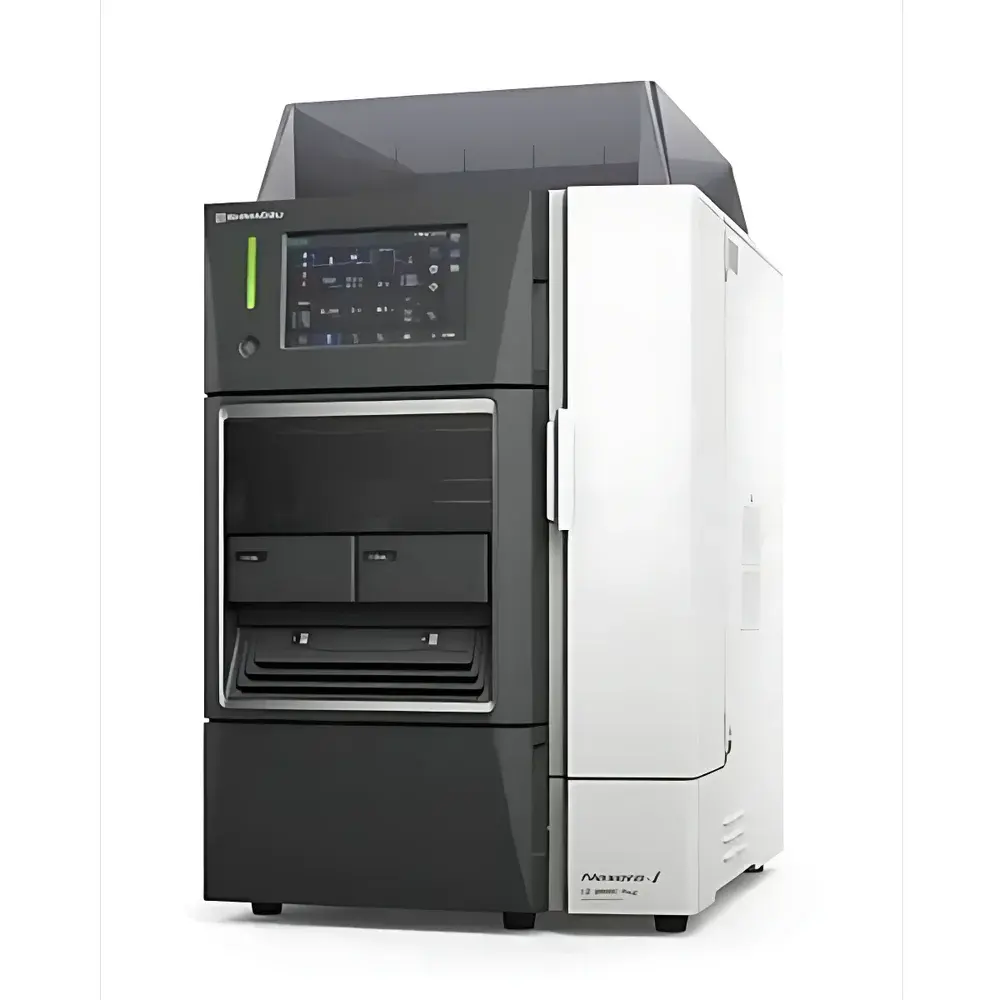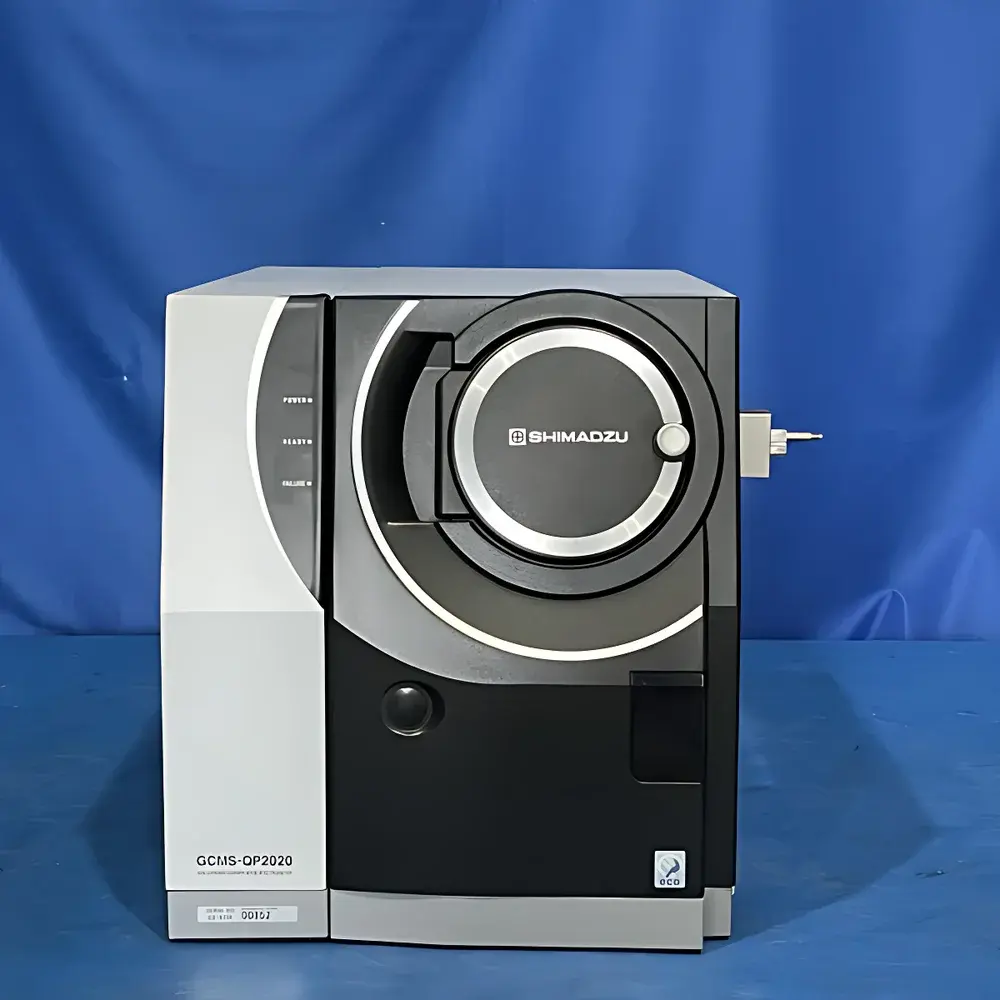
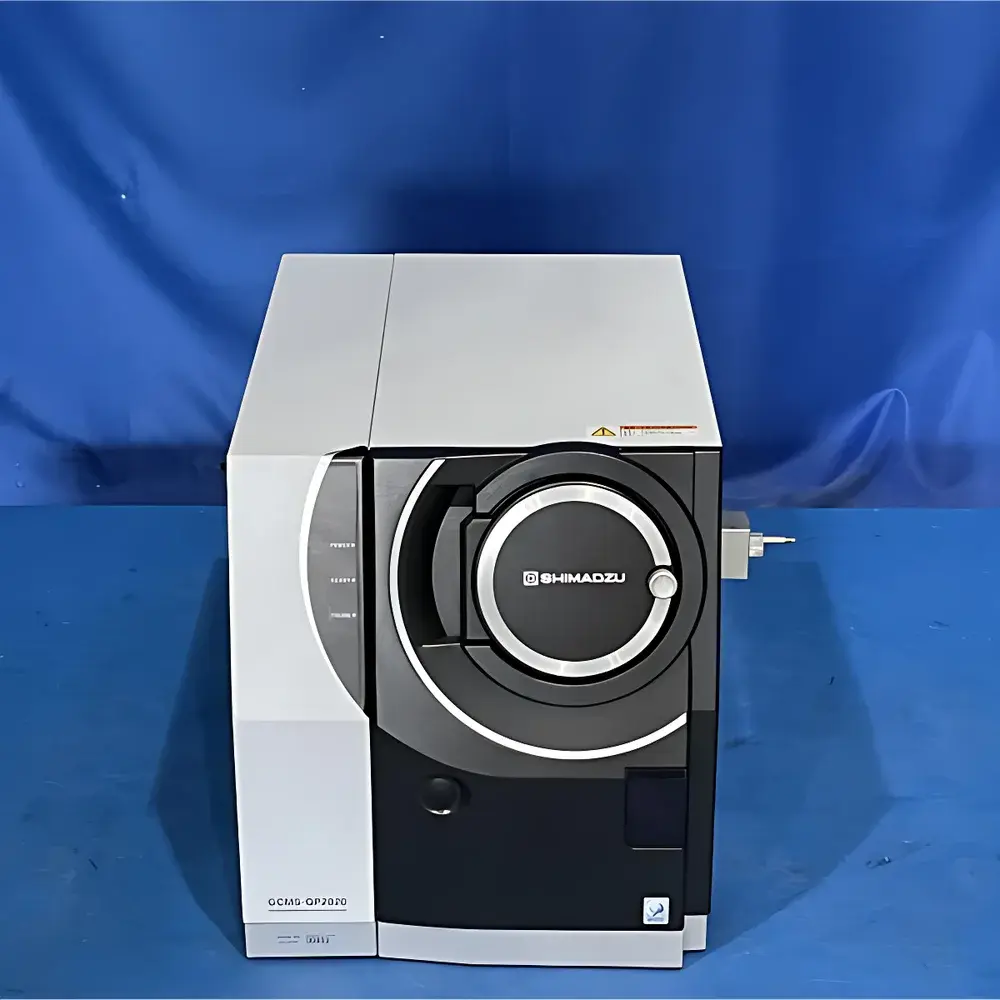
Shimadzu Used GCMS-QP2020 Gas Chromatography Mass Spectrometry System
| Brand | Shimadzu |
|---|---|
| Origin | Japan |
| Model | GCMS-QP2020 |
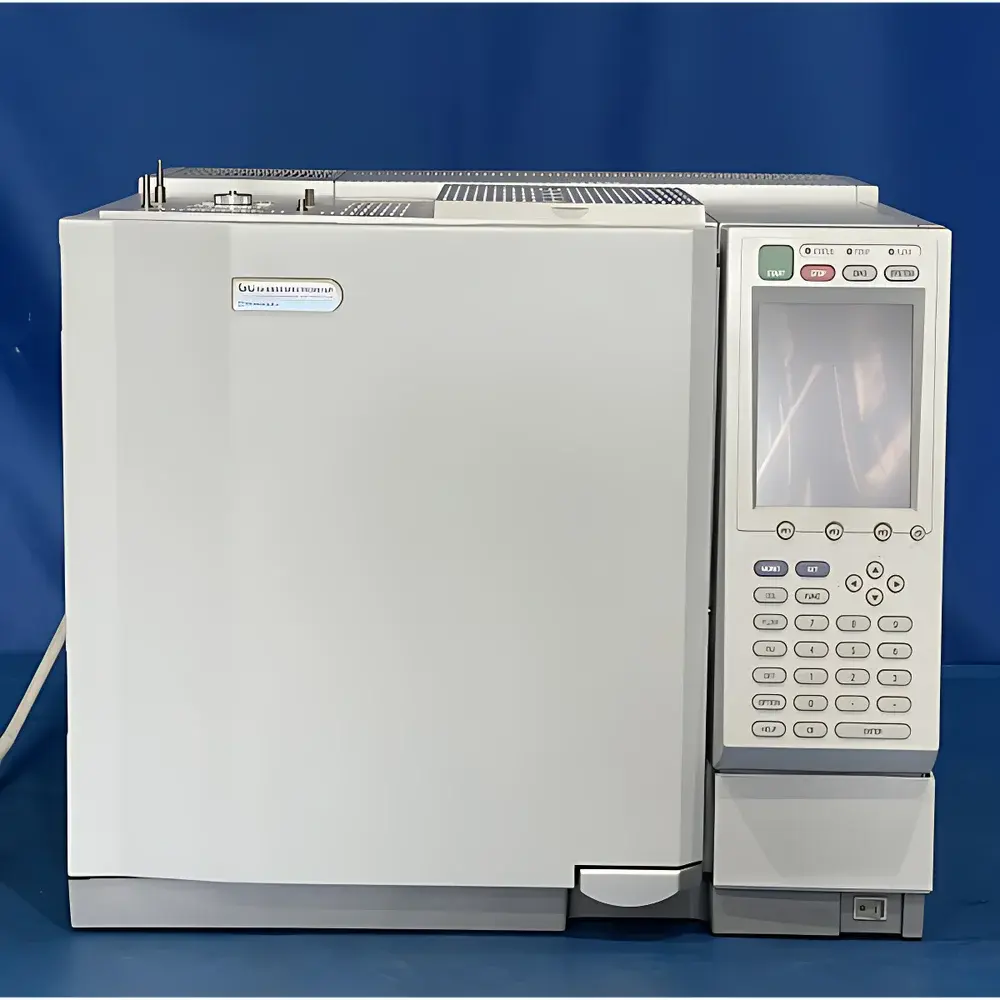
| GC Unit | GC-2010 |
| Oven Temperature Range | 2 °C above ambient to 450 °C |
| Column Oven Ramp Rate | Up to 120 °C/min |
| Injector Temperature Range | Ambient to 450 °C |
| AFC Pressure Range | 0–1035 kPa |
| Retention Time Reproducibility | <0.0008 min |
| Peak Area RSD | <1% |
| MS Interface Temperature | 50–350 °C |
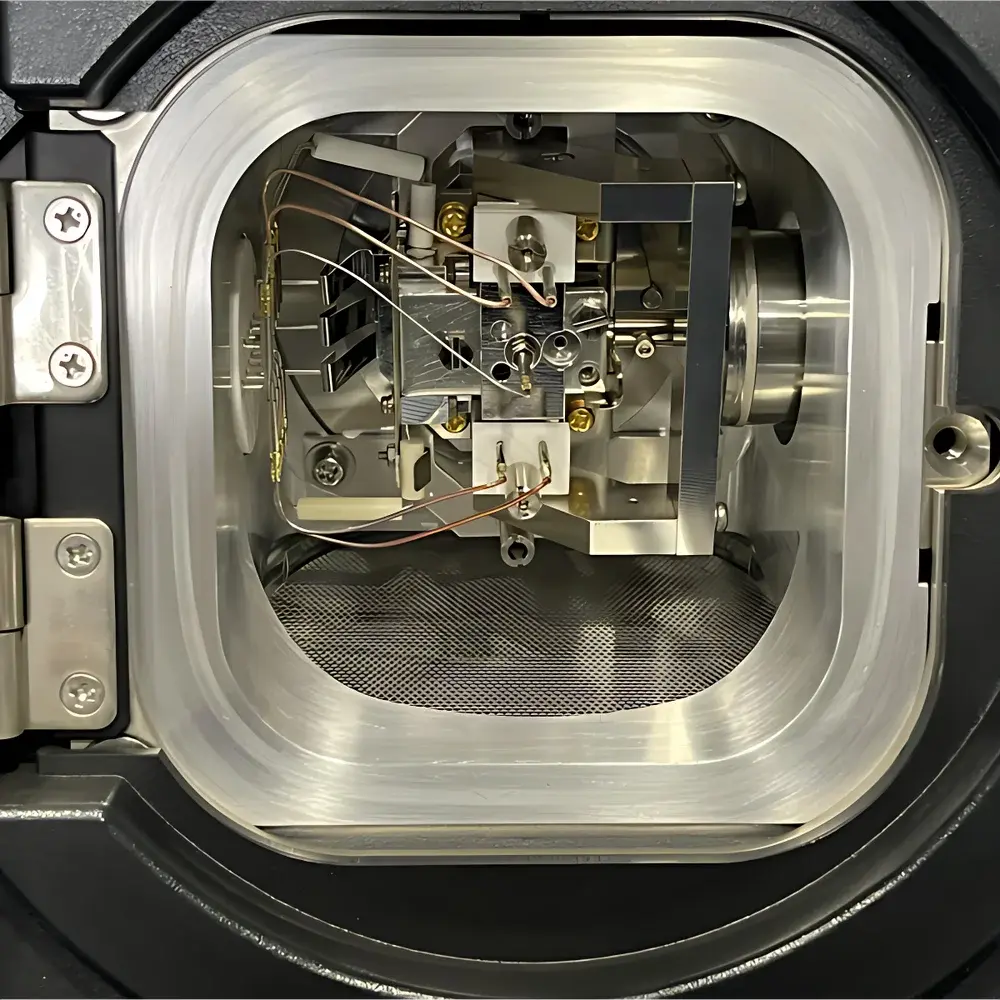
| Ion Source | Front-access, maintenance-friendly EI/CI/NCI source with dual filaments |
| Ionization Energy | 10–200 eV |
| Filament Current | 5–250 µA |
| Mass Analyzer | All-metal quadrupole with pre-quadrupole |
| m/z Range | 1.5–1090 |
| Optional DI Probe | Ambient to 500 °C |
Overview
The Shimadzu GCMS-QP2020 is a single quadrupole gas chromatography–mass spectrometry (GC–MS) system engineered for robust routine analysis in regulated and research laboratories. Designed around a modular architecture integrating the GC-2010 gas chromatograph with a high-stability quadrupole mass spectrometer, it operates on electron ionization (EI), chemical ionization (CI), and negative chemical ionization (NCI) principles—enabling flexible method development across volatile and semi-volatile organic compounds. Its core measurement principle relies on separation via capillary column chromatography followed by mass-selective detection using radiofrequency (RF) and direct current (DC) voltages applied to the quadrupole rods, allowing precise m/z filtering under controlled vacuum conditions. The system’s design emphasizes operational stability, analytical reproducibility, and compatibility with diverse carrier gases—including helium, hydrogen, and nitrogen—without hardware modification, supporting method transfer and regulatory flexibility.
Key Features
- High-precision temperature control: GC oven range from 2 °C above ambient to 450 °C with ramp rates up to 120 °C/min, ensuring rapid method optimization and sharp peak resolution.
- Advanced ion source architecture: Front-access, all-metal EI/CI/NCI source with dual auto-switching filaments and shielded plate technology for enhanced surface inertness and reduced memory effects.
- Optimized signal-to-noise performance: Equipped with an off-axis deflection lens (OD lens) and low-noise CPU board, achieving S/N ≥ 2000:1 (1 pg OFN, m/z 272) under standard EI conditions—critical for trace-level quantitation in complex matrices.
- Ultra-high-efficiency vacuum system: Integrated large-capacity turbomolecular pump assembly maintains stable base pressure (<1×10⁻⁵ Pa) during extended acquisition, minimizing drift and improving long-term mass calibration integrity.
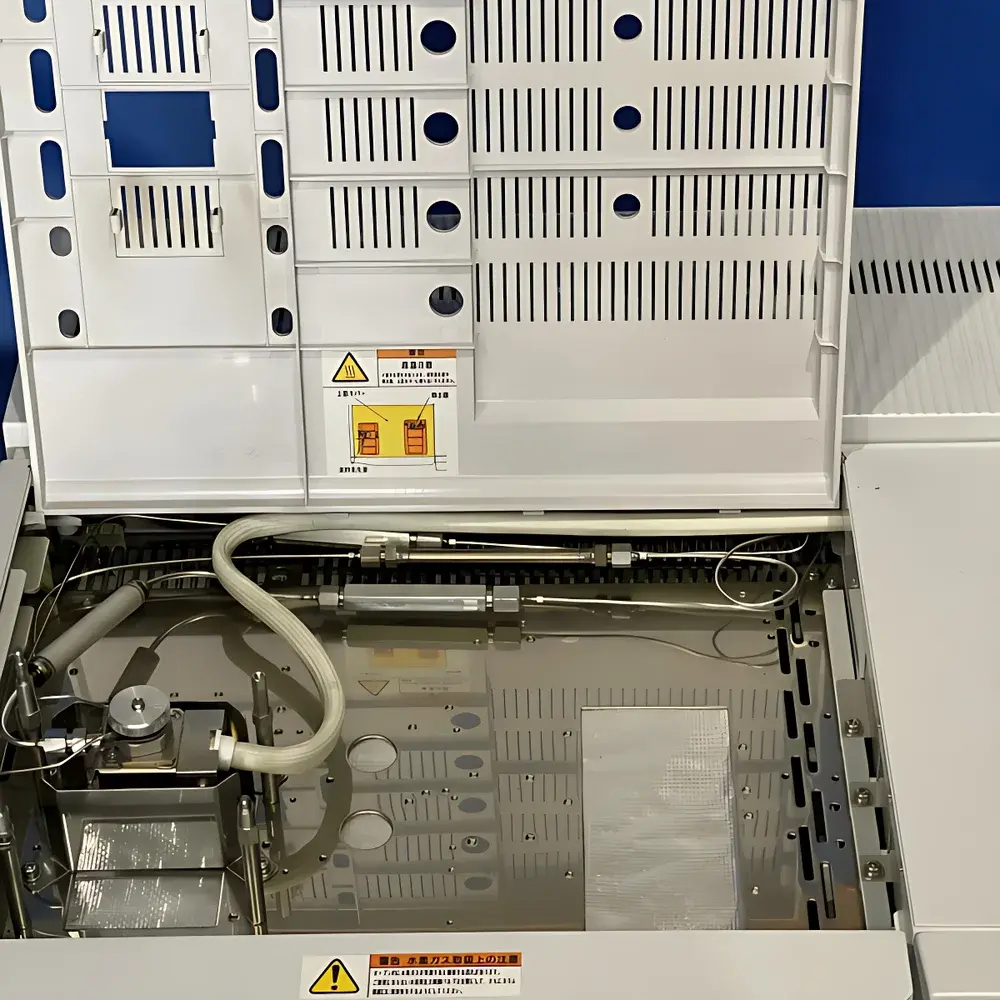
- Intelligent flow control: Active Flow Control (AFC) supports constant linear velocity (CLV), constant pressure (CP), or constant flow (CF) modes—ensuring retention time stability across column aging and temperature gradients.
- Direct inlet probe option: Configurable DI probe with temperature range from ambient to 500 °C enables rapid solid/liquid sample introduction without derivatization or solvent removal.
Sample Compatibility & Compliance
The GCMS-QP2020 accommodates a broad spectrum of sample types—including environmental extracts (e.g., PAHs, PCBs, pesticides), food safety residues (mycotoxins, veterinary drugs), clinical biofluids (steroids, fatty acids), and petrochemical fractions—provided they are thermally stable and sufficiently volatile for GC separation. It supports ASTM D5845 (determination of oxygenates in gasoline), ISO 10301 (pesticide residue analysis), USP (chromatography), and EPA Method 8270D for semivolatile organics. When operated with validated methods and configured for audit trails, electronic signatures, and data integrity controls (e.g., via optional GCMS Insight software with 21 CFR Part 11 compliance modules), the system meets GLP and GMP documentation requirements for quality control laboratories.
Software & Data Management
Controlled by GCMS Insight software, the platform delivers unified workflow management—from method setup and sequence definition to real-time acquisition, spectral deconvolution, library searching (NIST, Wiley, and Shimadzu’s China-specific regulatory databases), and quantitative reporting. The software includes retention index (RI)-based compound identification tools, enabling cross-laboratory method portability and matrix-matched calibration support. Raw data files (.qgd) are stored in vendor-neutral formats compatible with third-party processing tools (e.g., AMDIS, OpenChrom). Audit trail functionality records user actions, parameter changes, and instrument status events with timestamps, supporting FDA 21 CFR Part 11 compliance when deployed with appropriate IT infrastructure and administrative controls.
Applications
- Environmental monitoring: Quantification of polycyclic aromatic hydrocarbons (PAHs), chlorinated benzenes, and organochlorine pesticides in soil, water, and air particulates.
- Food and agricultural testing: Screening for aflatoxins, ochratoxin A, pyrethroids, and neonicotinoid residues in cereals, fruits, and animal feed.
- Pharmaceutical impurity profiling: Identification and quantification of genotoxic impurities and residual solvents per ICH Q3C/Q3D guidelines.
- Clinical and metabolomics research: Targeted analysis of endogenous small molecules (e.g., bile acids, eicosanoids) in plasma and urine using CI/NCI for improved selectivity.
- Petrochemical analysis: Hydrocarbon type analysis (HTA) and sulfur compound speciation in fuels and lubricants.
FAQ
Is the GCMS-QP2020 compliant with 21 CFR Part 11?
Yes—when equipped with GCMS Insight software version 2.5 or later and deployed with appropriate system validation, user access controls, and electronic signature configuration, it supports audit trails, data integrity, and electronic record retention required under 21 CFR Part 11.
Can hydrogen be used as a carrier gas without hardware modification?
Yes—the GC-2010’s AFC module and optimized ion source design allow seamless switching between helium, hydrogen, and nitrogen without changing the ion source or detector components.
What is the typical mass calibration stability over 24 hours?
Under stable laboratory conditions (±1 °C, <50% RH) and with regular autotune execution, mass calibration drift remains within ±0.1 Da over 24 h for m/z 502 (perfluorotributylamine) when using the built-in calibration standard.
Does the system support scheduled maintenance alerts?
Yes—GCMS Insight includes predictive maintenance logging for filament usage, pump oil life, and detector gain history, generating configurable notifications based on operational thresholds.
Is the quadrupole mass analyzer fully metal-coated?
Yes—the main quadrupole rods and pre-quadrupole assembly are constructed from stainless steel with electropolished surfaces and passivated coatings to minimize adsorption and enhance resistance to halogenated and acidic analytes.