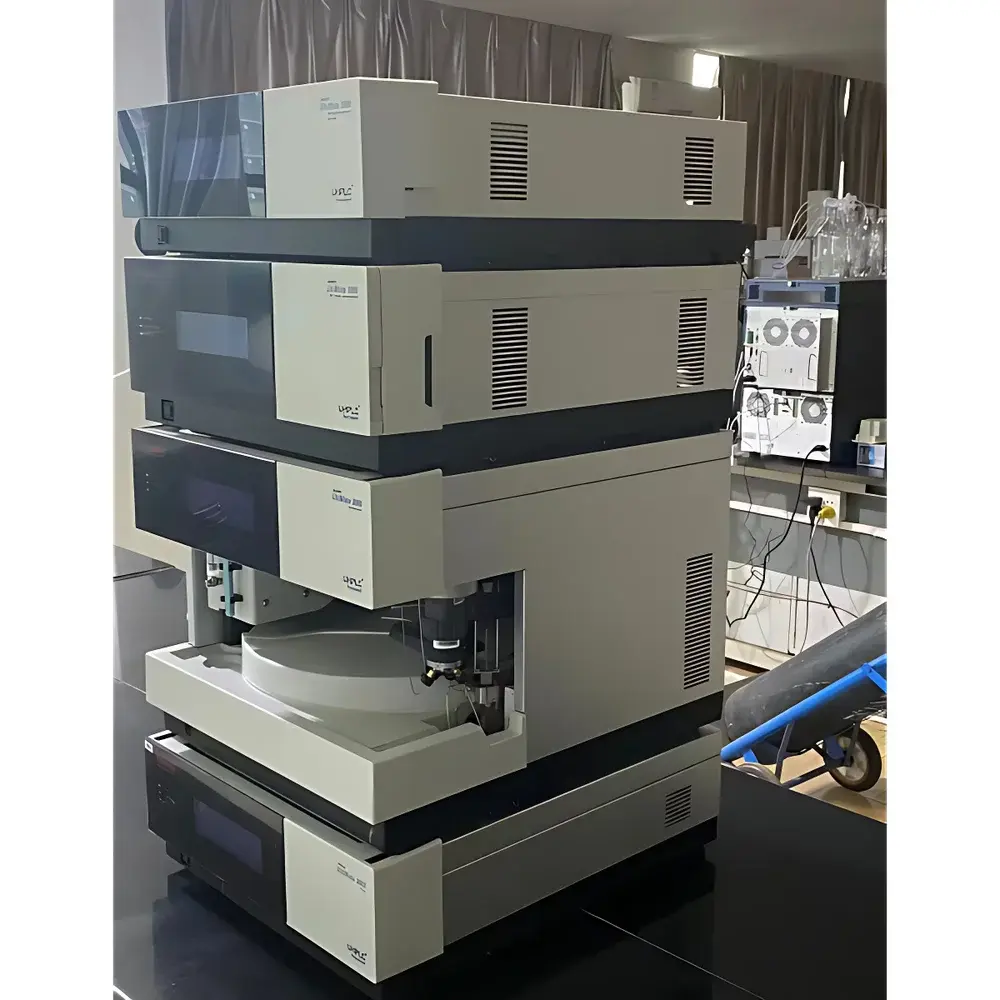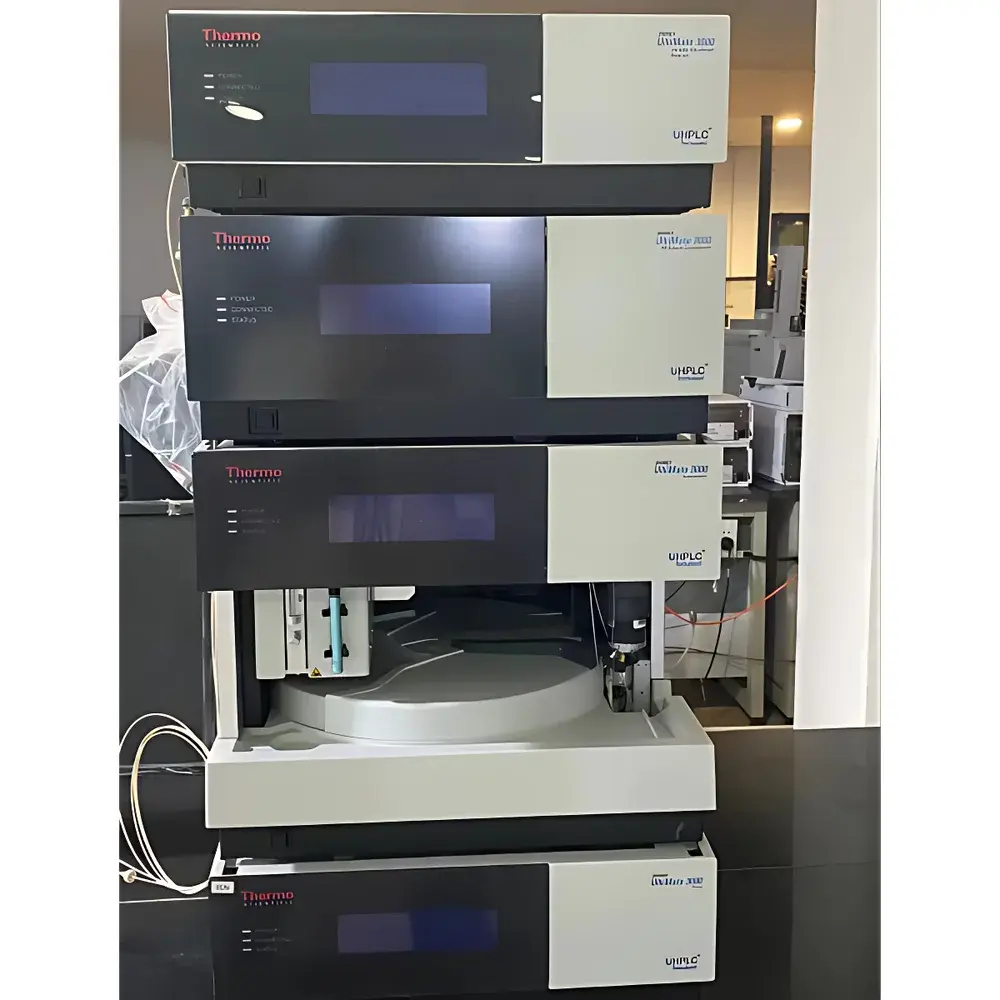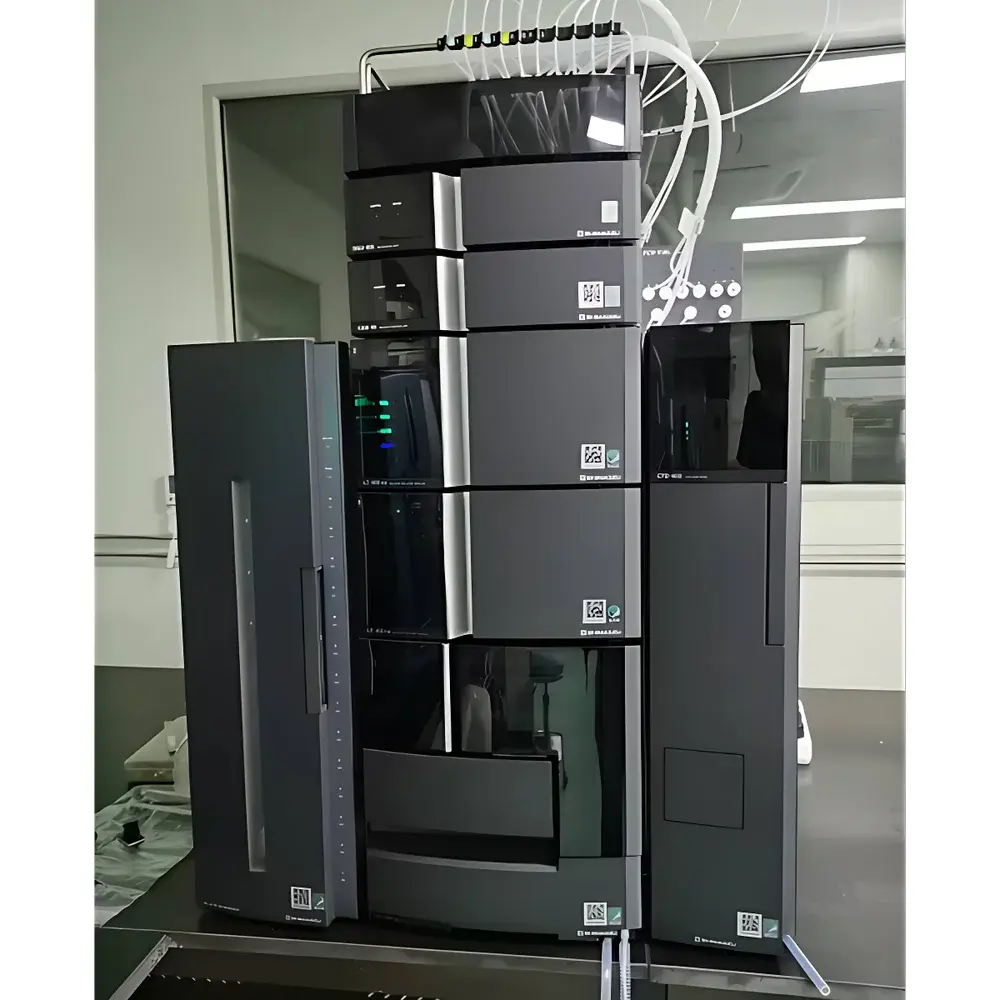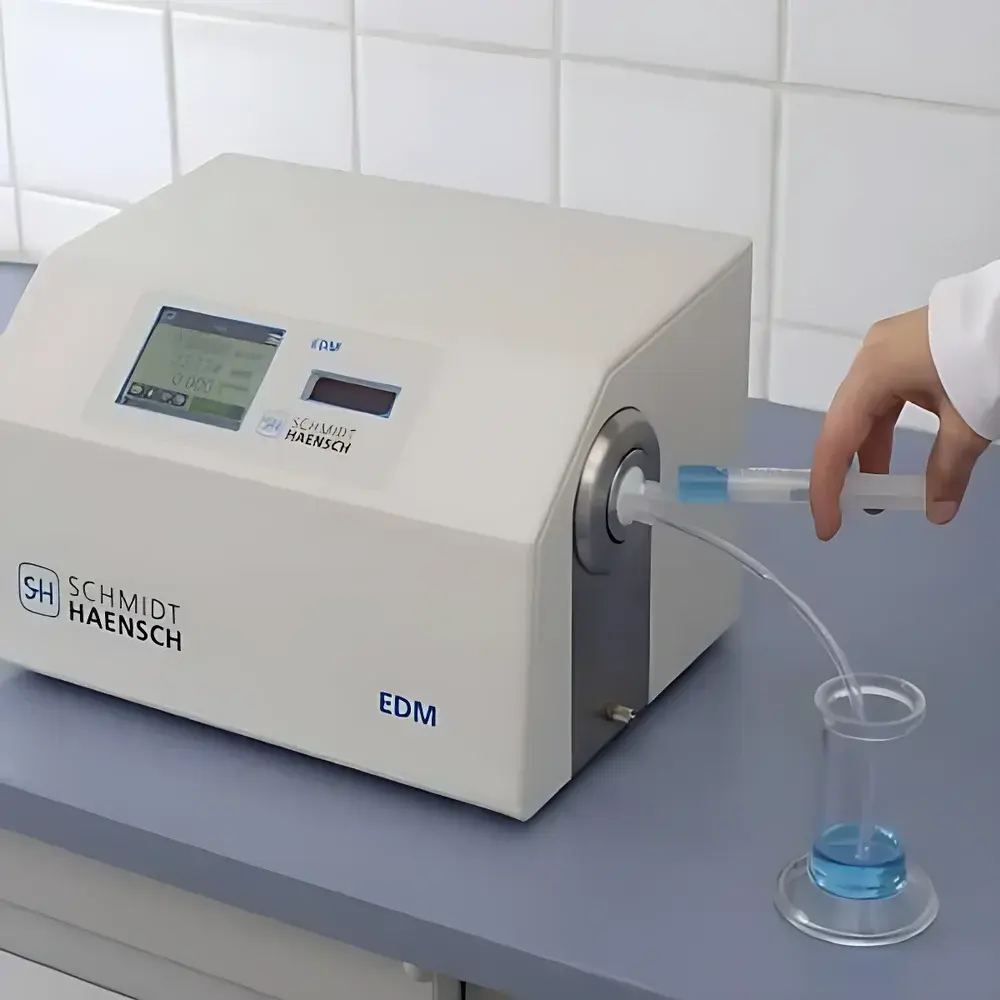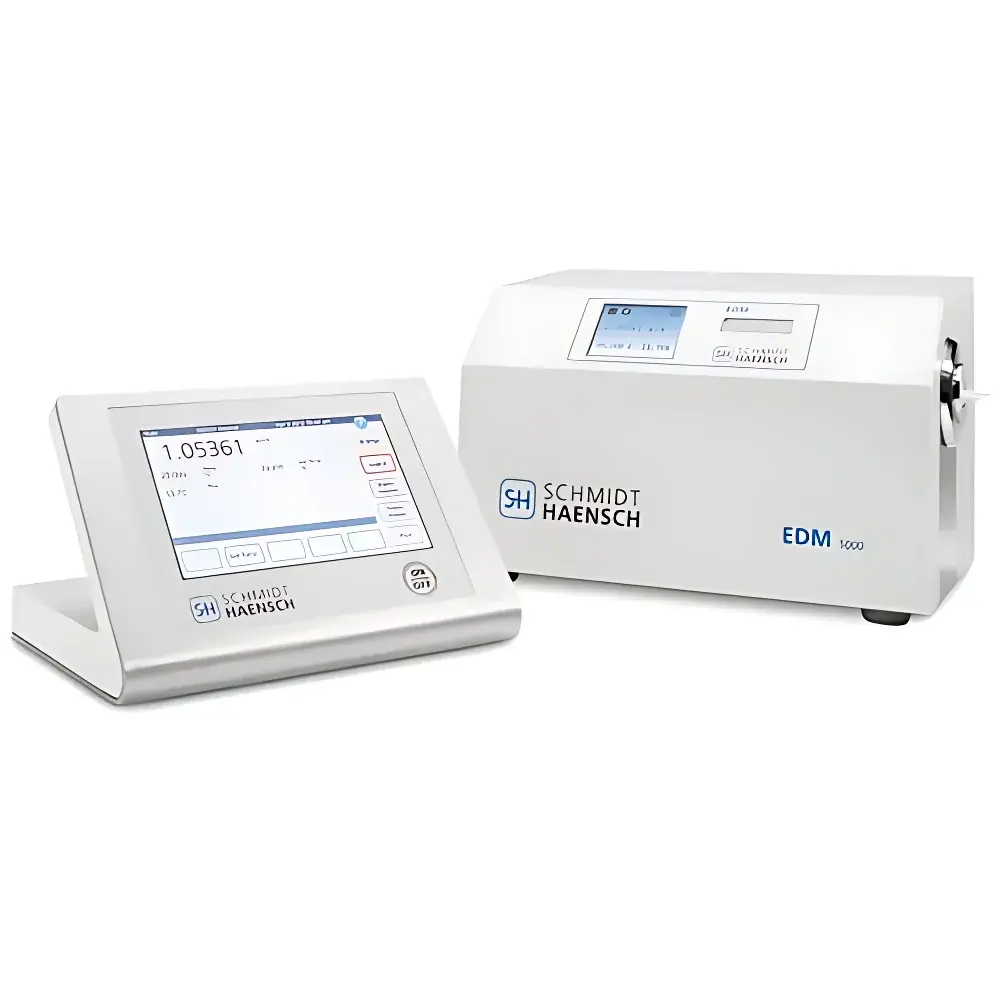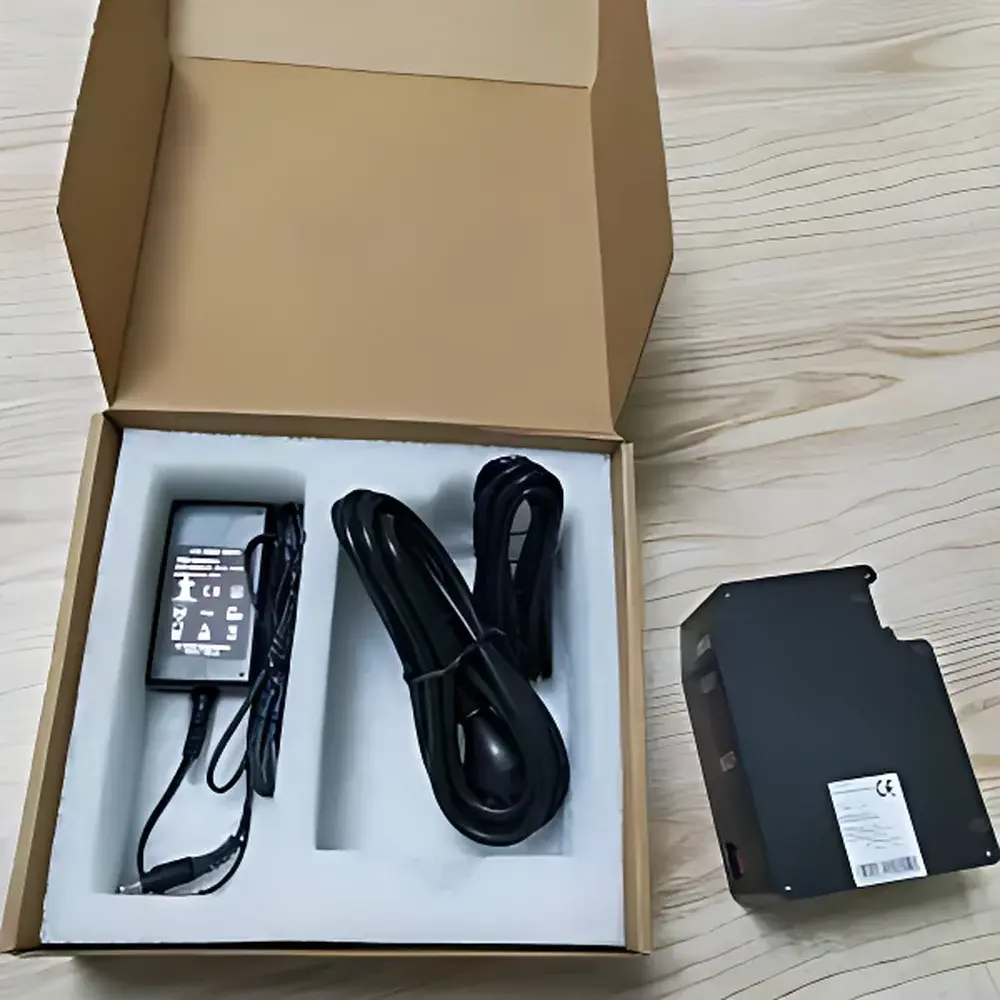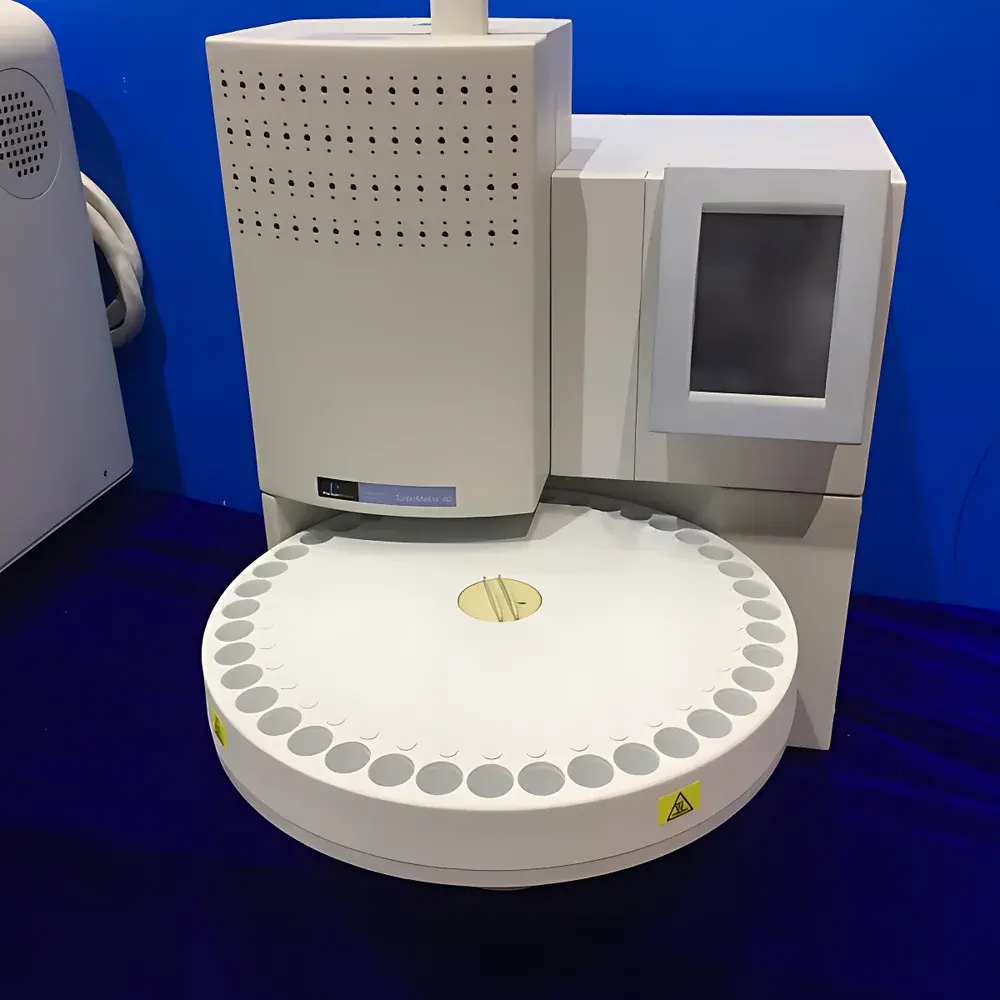
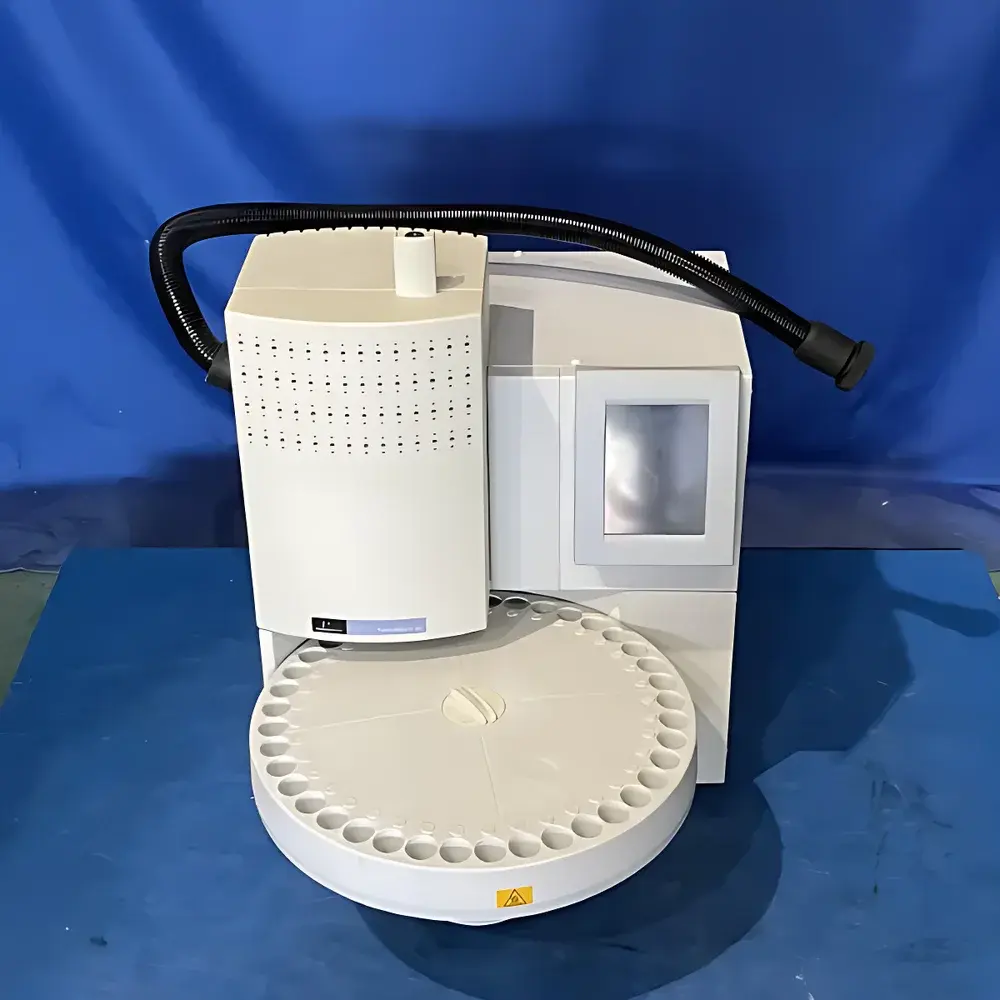
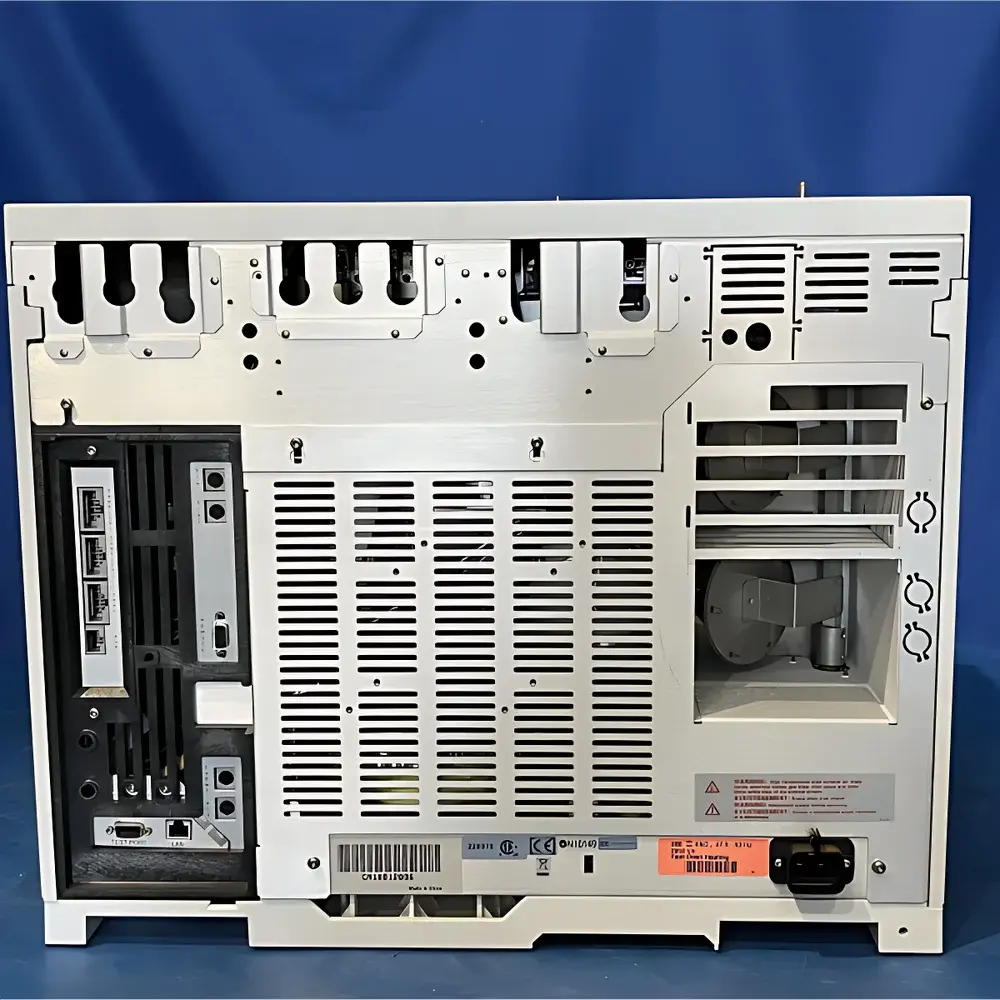
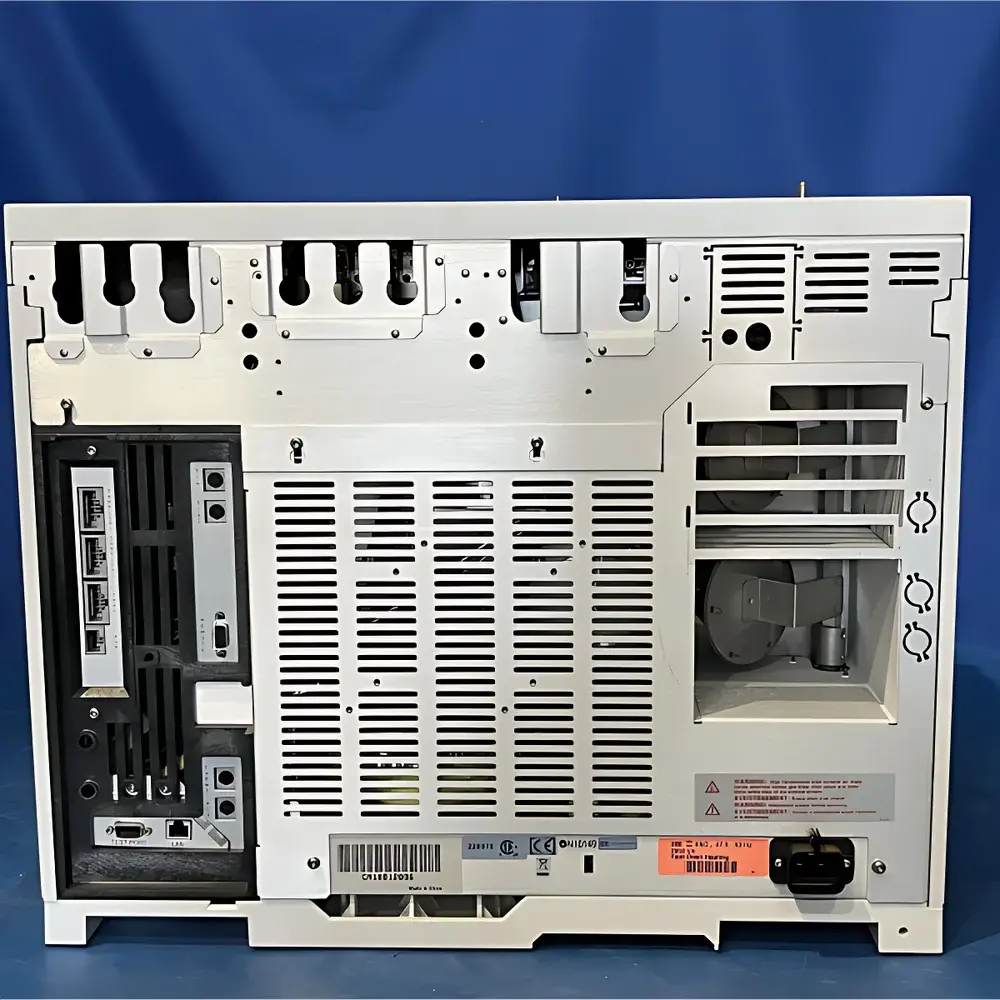
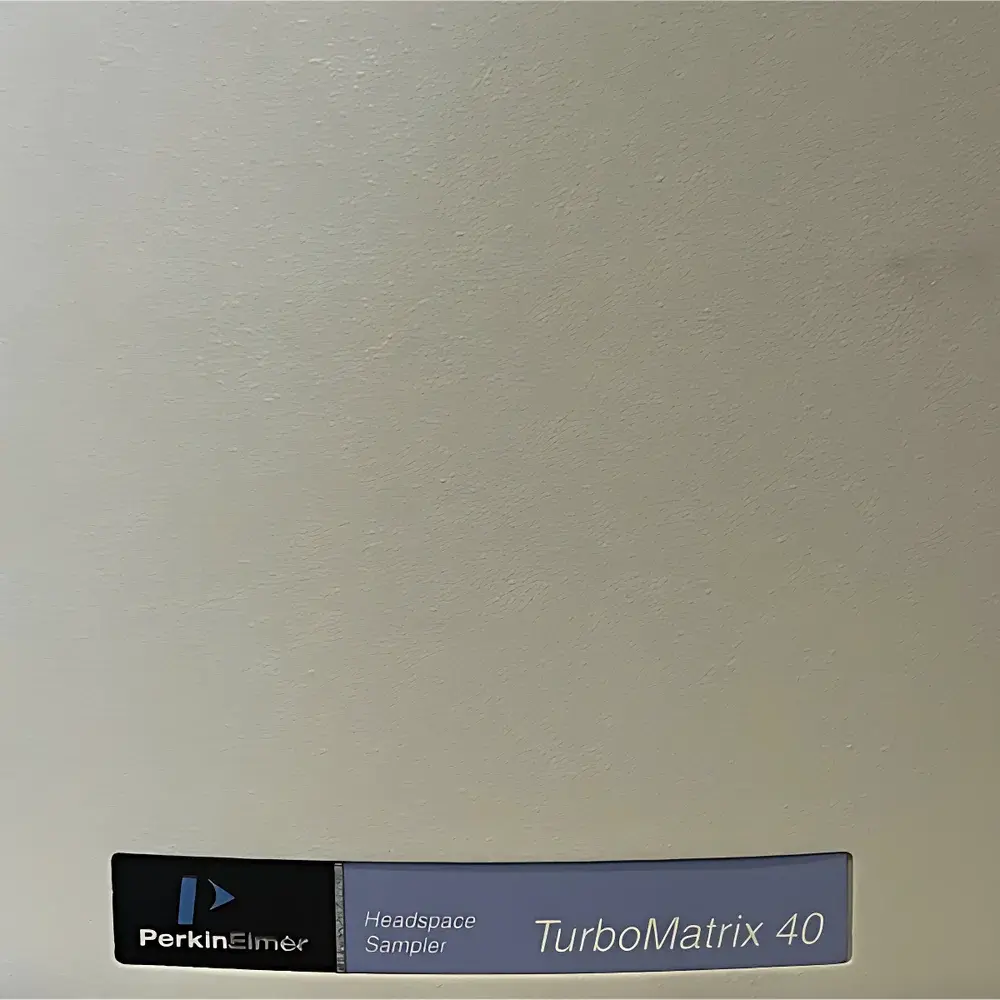
PerkinElmer TurboMatrix HS-40 Automated Headspace Sampler (40-Position)
| Brand | PerkinElmer |
|---|---|
| Origin | USA |
| Model | HS-40 |
| Configuration | 40-sample carousel |
| Automation | Fully automated thermal equilibration, pressurization, sampling, and injection sequence |
| Interface | Universal GC/GC-MS compatible (standard 1/16" OD stainless steel transfer line with Swagelok fittings) |
| User Interface | Color LCD touchscreen with graphical workflow navigation |
| Safety Mechanism | Patented pressure-relief venting system integrated into sample vials |
| Optional Accessories | High-pressure sampling kit, backflush module, cryo-trap concentrator, orbital shaker module, zero-dead-volume (ZDV) liner for capillary inlet |
Overview
The PerkinElmer TurboMatrix HS-40 Automated Headspace Sampler is a robust, field-proven 40-position static headspace system engineered for high-throughput, reproducible volatile organic compound (VOC) analysis in regulated and research laboratories. Based on the fundamental principle of phase equilibrium partitioning—where analytes distribute between a liquid/solid matrix and its overlying vapor phase—the HS-40 precisely controls temperature, pressure, and equilibration time to ensure thermodynamic consistency across all 40 samples. Designed for seamless integration with any gas chromatograph or GC/MS platform, it eliminates manual syringe-based injection variability and supports method transfer compliance under ISO 17025, USP , and EPA Method 502.2/8260D workflows. Its architecture reflects three decades of refinement in headspace methodology, emphasizing mechanical reliability, thermal stability (±0.1 °C oven control), and deterministic timing—critical for GLP/GMP environments requiring audit-ready execution logs.
Key Features
- Fully automated batch processing: Once method parameters (equilibration temperature/time, pressurization setpoint, loop fill/purge/injection timing) are defined via the intuitive color touchscreen interface, the system executes unattended sequential analysis—including vial pressurization, quantitative loop sampling, and GC trigger synchronization—without operator intervention.
- Continuous overlapping operation: While one vial undergoes thermal equilibration, the system simultaneously processes the previous vial’s headspace gas—pressurizing, sampling, and injecting—maximizing instrument uptime and delivering >95% GC utilization efficiency in multi-batch runs.
- Patented vial safety design: Each 20 mL crimp-top vial incorporates an integrated pressure-relief microvalve that activates at pre-calibrated thresholds (typically ≥30 psi above ambient), preventing rupture during elevated-temperature equilibration—a critical safeguard for aqueous, viscous, or fermentation-derived matrices.
- Universal GC interfacing: Equipped with standardized 1/16″ stainless steel transfer lines and Swagelok-compatible fittings, the HS-40 interfaces reliably with Agilent, Thermo Fisher, Shimadzu, and Waters GC platforms without proprietary adapters or firmware dependencies.
- Modular expansion capability: System architecture supports plug-and-play attachment of performance-enhancing modules—no hardware modification or software revalidation required.
Sample Compatibility & Compliance
The HS-40 accommodates standard 10–22 mL headspace vials (crimp-seal or screw-cap) and accepts diverse sample types: environmental water, pharmaceutical excipients, polymer extracts, food volatiles, forensic biological fluids, and residual solvent testing per ICH Q3C guidelines. All operational sequences generate timestamped, user-attributed audit trails compliant with FDA 21 CFR Part 11 requirements when paired with validated LIMS or Chromatography Data Systems (CDS). Mechanical components meet IP54 ingress protection standards; thermal zones are calibrated traceable to NIST-certified references. Routine PQ verification aligns with ASTM D7622 (Standard Practice for Headspace Analysis) and ISO 11337 (Volatile organic compounds in water—Headspace gas chromatography).
Software & Data Management
Control is managed via TurboStart™ software (v3.x or later), supporting method creation, sequence scheduling, real-time status monitoring, and electronic signature-enabled run approval. Raw acquisition metadata—including vial ID, equilibration profile, pressure transients, and GC start/stop timestamps—is embedded in .cdf or .axd output files. The software enforces role-based access control (RBAC), automatic backup of method templates, and configurable electronic logbook entries. For enterprise deployment, optional OPC UA server integration enables bidirectional communication with MES or ERP systems, satisfying Annex 11 and ALCOA+ data integrity principles.
Applications
- Residual solvent quantification in active pharmaceutical ingredients (APIs) and finished dosage forms per USP Class 1–3 solvents.
- Environmental VOC screening in groundwater, wastewater, and soil leachates per EPA Methods 502.2, 524.4, and 8260D.
- Flavor and fragrance profiling in beverages, dairy, and plant extracts using dynamic headspace coupling.
- Quality control of polymer monomer content, plasticizer migration, and packaging leachables in medical devices.
- Forensic toxicology screening for ethanol, acetone, and volatile drugs of abuse in blood and urine matrices.
FAQ
Is the HS-40 compatible with third-party GC data systems?
Yes—its analog/digital I/O ports and Ethernet interface support native integration with OpenLab CDS, Chromeleon, Empower, and LabSolutions via standard GC trigger protocols (TTL pulse or contact closure).
Does the system include calibration verification tools?
It ships with a certified NIST-traceable temperature verification kit (including PT100 probe and reference thermometer) and pressure calibration adapter; full IQ/OQ documentation templates are available upon request.
Can the HS-40 perform multiple equilibration steps per vial?
No—it implements single-step static headspace per vial; however, programmable “re-equilibration” cycles can be sequenced externally via CDS macro scripting.
What maintenance intervals are recommended for routine operation?
Valve actuation life exceeds 250,000 cycles; carrier gas filters require replacement every 6 months; oven insulation integrity should be verified annually per manufacturer’s PQ checklist.
Is remote diagnostics supported?
Yes—when connected to a secure corporate network, TurboStart software permits encrypted remote session access for technical support engineers, subject to client-side firewall policy approval.