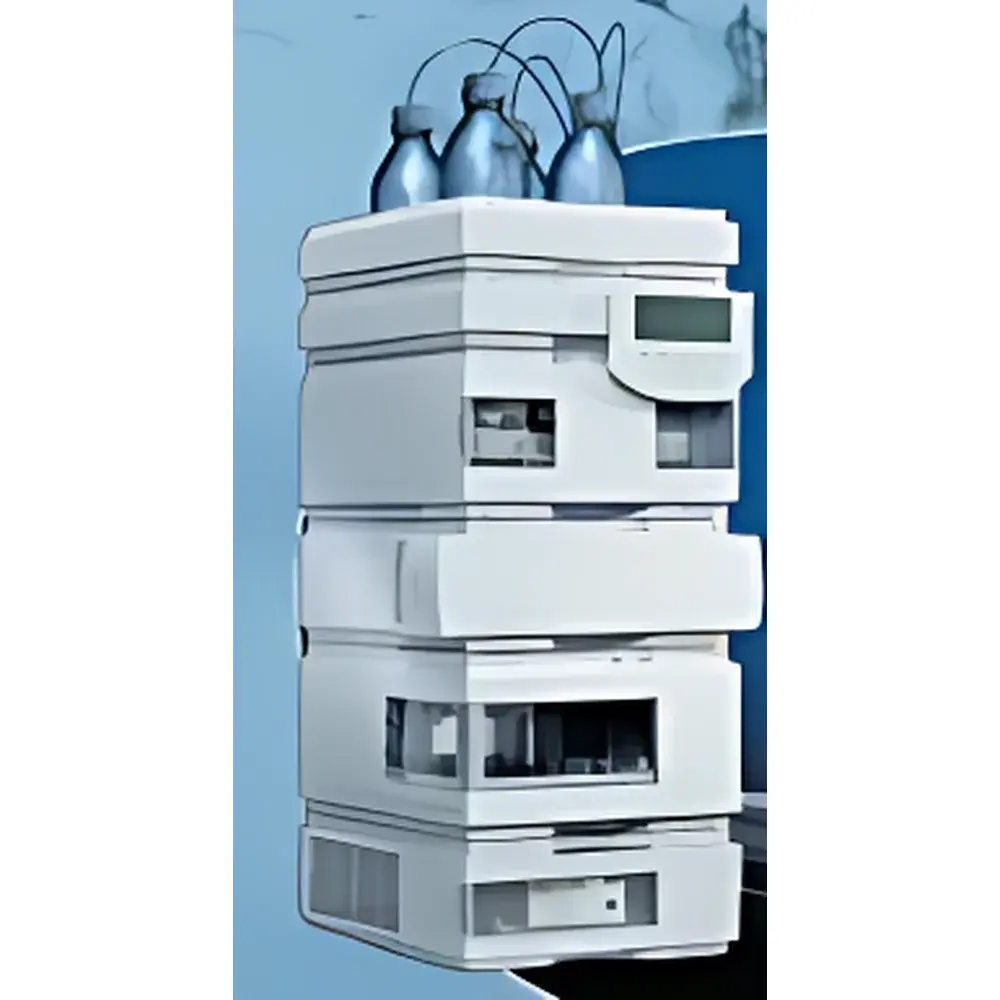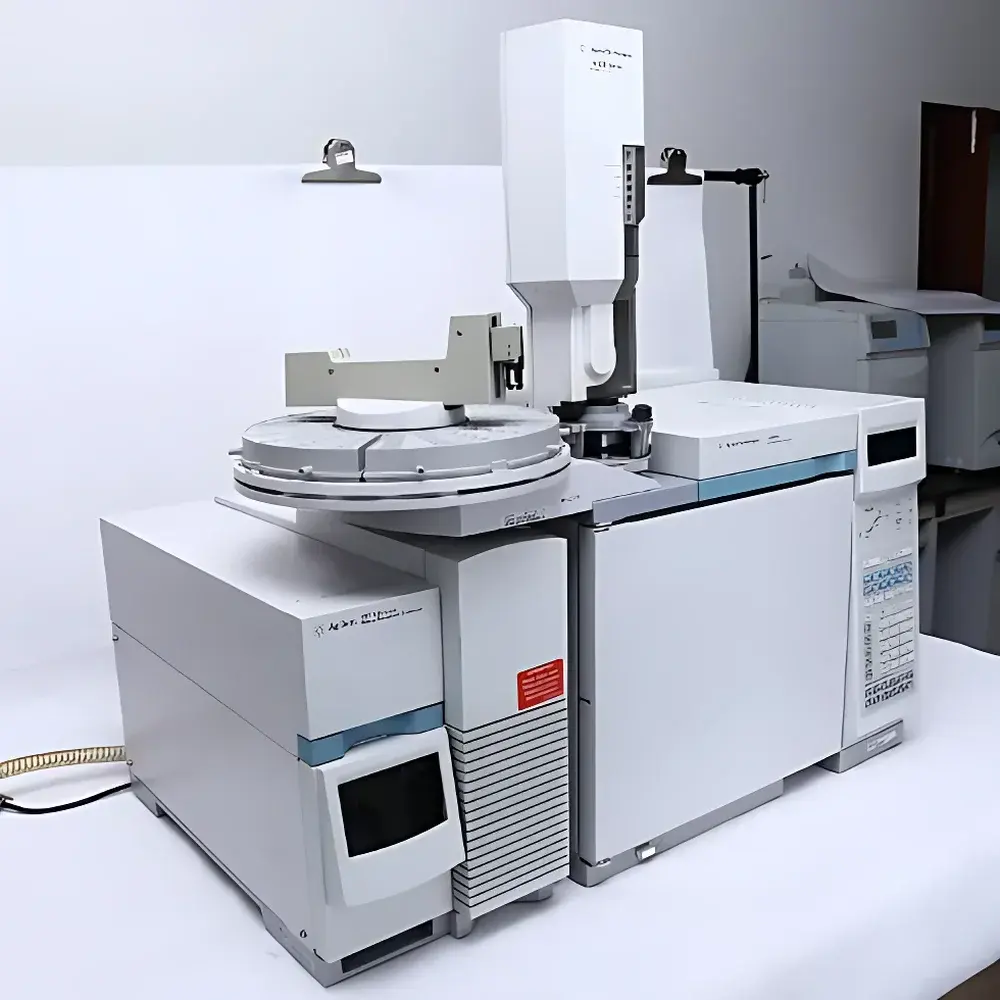
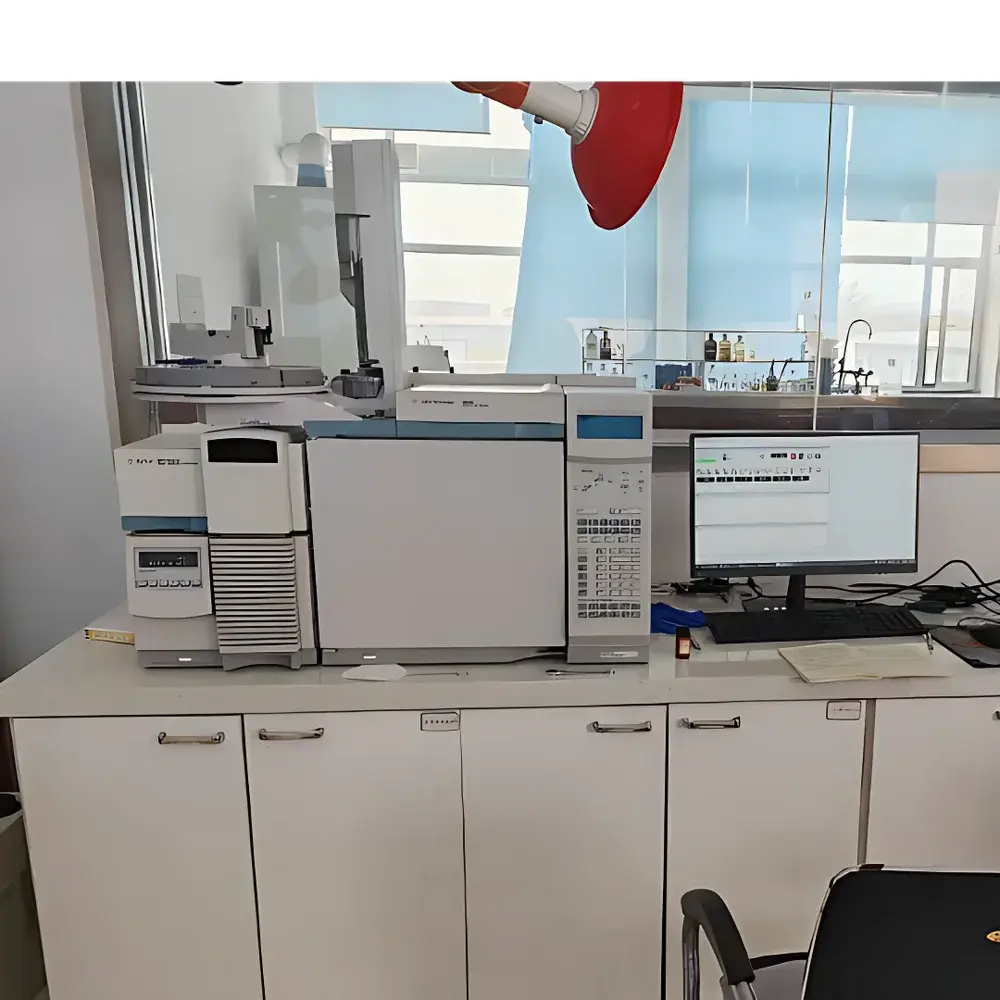
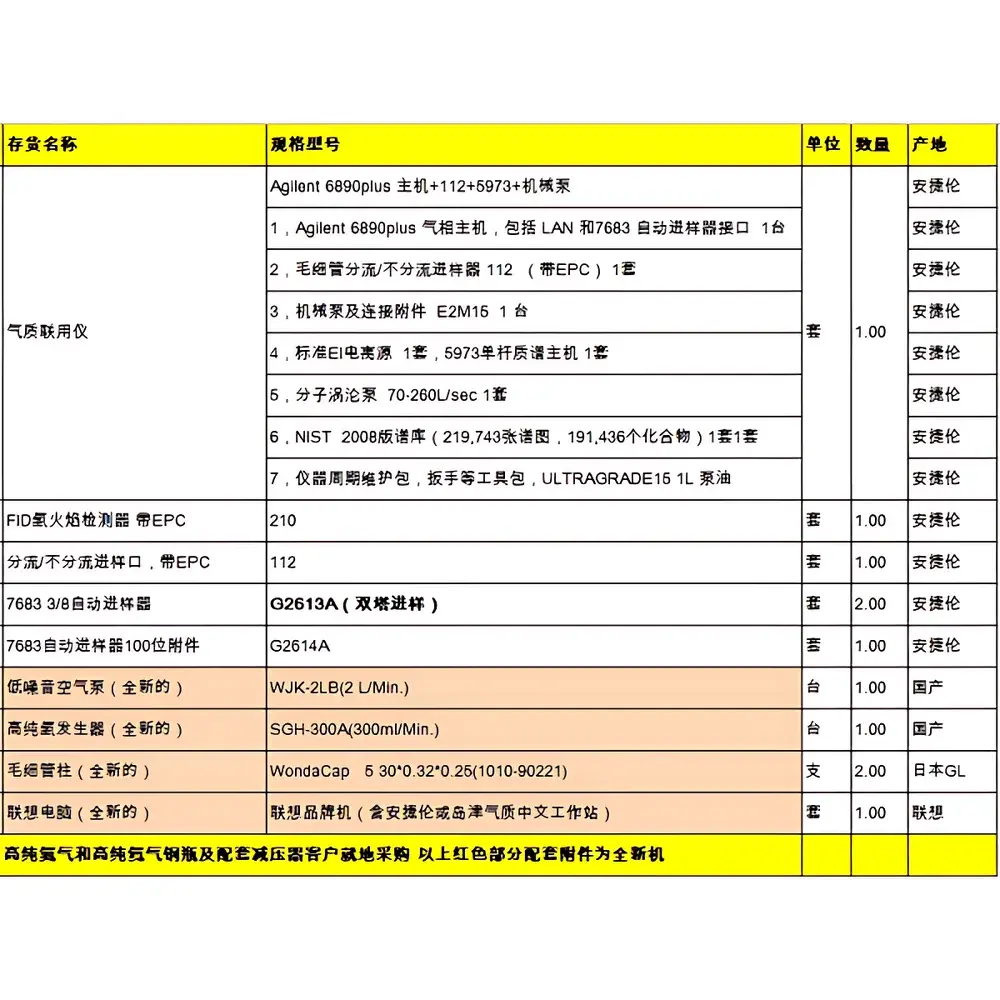
Agilent 6890 Plus Gas Chromatograph with 5973 Mass Selective Detector (Used, Refurbished)
| Brand | Agilent Technologies |
|---|---|
| Origin | USA |
| Model | 6890 Plus GC + 5973 MSD |
| Configuration | GC-MS System for VOC/SVOC Quantification per GB/T 23986.2–2023 |
| Condition | Professionally Refurbished & Functionally Verified |
| Compliance | Fully Compatible with ASTM D6886, ISO 11890-2, and US EPA Method 8260D workflows |
Overview
The Agilent 6890 Plus Gas Chromatograph coupled with the 5973 Mass Selective Detector (MSD) represents a mature, field-proven GC-MS platform engineered for robust quantitative analysis of volatile and semi-volatile organic compounds (VOCs and SVOCs). This refurbished system operates on electron ionization (EI) at 70 eV and utilizes quadrupole mass filtering technology to deliver reproducible spectral acquisition and compound identification across complex matrices. Designed for routine laboratory environments—including environmental testing labs, paint & coatings quality control facilities, and regulatory compliance centers—the 6890/5973 configuration is optimized for method-driven applications such as those specified in GB/T 23986.2–2023 (“Paints and varnishes — Determination of volatile organic compound (VOC) and/or semi-volatile organic compound (SVOC) content — Part 2: Gas chromatographic method”). Its architecture supports split/splitless injection, programmable temperature vaporizing (PTV) inlet compatibility, and full-scan or selected ion monitoring (SIM) data acquisition modes.
Key Features
- Agilent 6890 Plus GC: Precision temperature-controlled oven (ambient to 450 °C), dual independent detector ports, and integrated electronic pneumatic control (EPC) for carrier gas flow stability (helium, hydrogen, or nitrogen).
- Agilent 5973 MSD: Triple-axis detector with high-gain electron multiplier, mass range 10–650 m/z, resolution <1 amu (FWHM), and scan speed up to 6,000 m/z/sec.
- Refurbishment Protocol: Includes full mechanical inspection, column oven calibration verification, vacuum system leak testing (<1×10⁻⁷ Torr base pressure), ion source cleaning and alignment, and detector gain calibration using perfluorotributylamine (PFTBA).
- Instrument Control: Native support for Agilent ChemStation E.02.02.14xx or later—enabling method development, sequence execution, peak integration, and spectral library searching (NIST/EPA/NIH libraries included).
- Robust Architecture: Designed for high-duty-cycle operation; compatible with standard 0.25–0.53 mm ID capillary columns (e.g., DB-5ms, HP-5MS, or equivalent 5%-phenyl methylpolysiloxane phases).
Sample Compatibility & Compliance
This GC-MS system is validated for direct analysis of solvent-based and waterborne coating samples following sample preparation protocols outlined in GB/T 23986.2–2023—including headspace equilibration, direct liquid injection, or thermal desorption (with optional accessory). It meets instrumental performance criteria required by ISO 11890-2 (for VOC determination in paints), ASTM D6886 (standard test method for VOC content in architectural coatings), and US EPA Method 8260D (VOC analysis by GC-MS). All refurbished units undergo traceable performance qualification (PQ) per ICH Q2(R2) guidelines, documenting retention time repeatability (<0.02 min RSD), peak area precision (<3% RSD), and mass spectral match scores (>80% against NIST library references). The system supports GLP-compliant audit trails when operated under ChemStation with appropriate user access controls and electronic signature configuration.
Software & Data Management
Data acquisition and processing are performed via Agilent ChemStation software, which provides full 21 CFR Part 11 readiness when deployed with networked license management, role-based permissions, and electronic signature modules. Raw data files (.D format) are stored with embedded metadata—including instrument parameters, acquisition timestamps, operator ID, and calibration history—ensuring full traceability. Batch processing supports automated integration, internal standard normalization, and report generation compliant with ISO/IEC 17025 documentation requirements. Export options include CSV, PDF, and XML formats for LIMS integration. Optional upgrades to OpenLab CDS are available for laboratories requiring cross-platform instrument fleet management.
Applications
- Quantitative determination of VOCs (e.g., benzene, toluene, xylene, ethylbenzene, styrene, aliphatic hydrocarbons) and SVOCs (e.g., phthalates, biocides, plasticizers) in architectural coatings, automotive refinishes, and industrial maintenance paints.
- Method validation and routine QC testing in third-party environmental testing laboratories accredited to CNAS or ILAC-MRA standards.
- Supporting regulatory submissions for China’s “Three-Year Action Plan for Blue Sky Protection” and local VOC emission control policies targeting industrial coating sectors.
- Forensic analysis of off-gassing profiles from cured film samples, including residual monomer and catalyst residue profiling.
- Development and transfer of GC-MS methods aligned with GB/T 23986 series, ISO 11890, and EU Directive 2004/42/EC limits.
FAQ
Is this a factory-refurbished unit or dealer-refurbished?
This system has undergone comprehensive technical refurbishment by an Agilent-authorized service partner, including OEM-specified calibration procedures, replacement of consumables (ion source, filament, pump oil), and full functional verification against original equipment specifications.
Does the system include a computer and software license?
Yes—each unit ships with a dedicated Windows-based workstation preloaded with Agilent ChemStation E.02.02.14xx and a perpetual node-locked software license. Installation, configuration, and basic training are included.
What warranty and post-installation support is provided?
A 12-month limited hardware warranty is included, covering all GC and MSD components except consumables. Remote diagnostics, application support, and on-site service (within mainland China) are available through our certified field engineering team.
Can this system be upgraded to support newer regulatory methods?
Yes—hardware is fully compatible with modern GC-MS workflows. Optional upgrades include inert flow path components, advanced deconvolution software (AMDIS), and connectivity to enterprise LIMS platforms via ASTM E1394 or HL7 interfaces.
Is documentation provided for IQ/OQ/PQ execution?
Comprehensive documentation packages—including Factory Acceptance Test (FAT) reports, PQ protocols, raw data sets, and calibration certificates—are supplied to support user-executed qualification under ISO/IEC 17025 or GMP environments.