
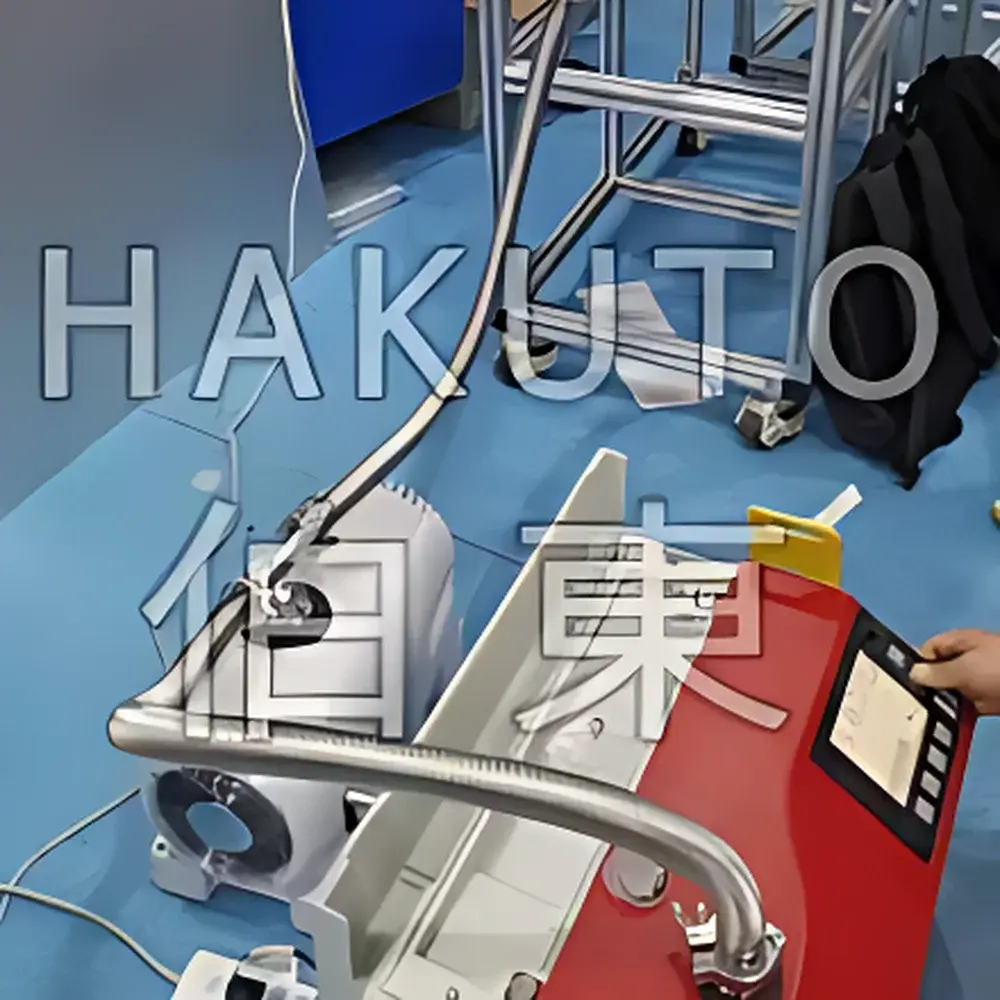
Pfeiffer Vacuum ASM 340 Helium Mass Spectrometer Leak Detector for PLD System Integrity Verification
| Brand | Pfeiffer Vacuum |
|---|---|
| Origin | France |
| Model | ASM 340 (WET/D/I variants) |
| Minimum Detectable Leak Rate (He) | 5 × 10⁻¹³ Pa·m³/s (vacuum mode) |
| Detection Gases | ⁴He, ³He, H₂ |
| Inlet Pumping Speed | 2.5 L/s |
| Max Inlet Pressure | 25 hPa (WET/D), 5 hPa (I) |
| Pre-vacuum Requirements | Oil rotary pump (15 m³/h) or diaphragm pump (3.4 m³/h) |
| Weight | 56 kg (WET), 45 kg (D), 32 kg (I) |
| Detection Modes | Vacuum mode & sniffer (probe) mode |
| Compliance | Designed for ISO 20484, ASTM E1779, and GLP/GMP-aligned vacuum integrity verification workflows |
Overview
The Pfeiffer Vacuum ASM 340 Helium Mass Spectrometer Leak Detector is a precision-engineered instrument specifically optimized for high-sensitivity vacuum integrity verification in ultra-high vacuum (UHV) physical vapor deposition systems—particularly pulsed laser deposition (PLD) platforms. Operating on the principle of magnetic sector mass spectrometry, the ASM 340 selectively ionizes and separates helium atoms (mass-to-charge ratio m/z = 4) from background gas species with exceptional specificity and signal-to-noise ratio. Its detection limit of 5 × 10⁻¹³ Pa·m³/s enables quantitative identification of sub-molecular leakage pathways that would otherwise compromise chamber base pressure stability, RHEED operation, substrate temperature uniformity, and film stoichiometry control. Unlike conventional pressure-rise or bubble testing methods, helium-based mass spectrometric leak detection provides traceable, repeatable, and spatially resolved diagnostics—critical for maintaining <10⁻⁸ mbar operating conditions required for epitaxial oxide growth, multilayer heterostructure fabrication, and superlattice synthesis.
Key Features
- Magnetic sector mass analyzer architecture delivering long-term stability and minimal drift under continuous UHV operation
- Three configuration variants: ASM 340 WET (water-cooled turbomolecular pump integrated), ASM 340 D (dry scroll-backed system), and ASM 340 I (compact, isolated inlet for integration into automated vacuum toolsets)
- Dual-mode operation: high-sensitivity vacuum-mode detection (for chamber-integrated testing) and real-time sniffer-mode localization (for pinpointing weld seams, flange joints, feedthroughs, and ceramic-metal seals)
- Multi-gas capability supporting ⁴He, ³He, and H₂—enabling cross-verification and compatibility with hydrogen-leak protocols where helium supply is constrained
- Robust inlet design tolerating up to 25 hPa (WET/D) or 5 hPa (I) without sensor saturation, accommodating transient outgassing events during bake-out or vent cycles
- Modular interface architecture compliant with RS-232, Ethernet, and optional Profibus/PROFINET for PLC synchronization and automated test sequence execution
Sample Compatibility & Compliance
The ASM 340 is validated for use across PLD system architectures including stainless-steel vacuum chambers (CF, ISO-KF, and ConFlat flanged), ceramic insulators, water-cooled target holders, RHEED electron guns, and resistive/heated substrate stages. It meets functional requirements outlined in ISO 20484:2017 (leak detection—terminology and methodology) and supports audit-ready documentation per GLP and GMP frameworks when paired with time-stamped data logging and user-access controls. While not a medical device, its performance characteristics align with FDA 21 CFR Part 11 expectations for electronic record integrity when configured with password-protected operator levels and tamper-evident audit trails.
Software & Data Management
The included VacuGraph® software provides real-time leak rate trending, customizable alarm thresholds (e.g., 1 × 10⁻¹¹ Pa·m³/s for routine screening; 5 × 10⁻¹³ Pa·m³/s for final qualification), and CSV-exportable measurement logs with UTC timestamps. All units support firmware-upgradable spectral calibration routines and automatic zero-point compensation during thermal stabilization. For integrated manufacturing environments, OPC UA-compatible drivers enable bidirectional communication with MES platforms—allowing leak test pass/fail status to trigger downstream process gates (e.g., plasma ignition enable/disable logic).
Applications
- Qualification of PLD chamber weld integrity prior to first pump-down and bake-out
- Routine maintenance verification after target replacement, shutter actuation, or viewport cleaning
- Root-cause analysis of persistent base pressure degradation (>10⁻⁷ mbar) affecting TiN/AlN multilayer stoichiometry
- Validation of vacuum feedthrough hermeticity for thermocouple, heater, and bias electrode penetrations
- Commissioning support for high-throughput combinatorial PLD systems requiring parallel leak screening across 100+ composition gradients
- Post-repair certification following ceramic insulator cracking or O-ring replacement in cryogenic PLD stages
FAQ
What vacuum roughing pumps are compatible with the ASM 340 series?
Oil-sealed rotary vane pumps rated ≥15 m³/h or dry diaphragm pumps ≥3.4 m³/h meet the foreline pressure requirements. Pfeiffer recommends the MVP 120-200 series or Adixen DS 302 for optimal throughput and hydrocarbon-free operation.
Can the ASM 340 detect leaks in pressurized PLD gas lines (e.g., O₂, N₂, Ar manifolds)?
Yes—when operated in sniffer mode with external helium tracer injection upstream of suspected fittings, valves, or MFC connections. Sensitivity remains at 5 × 10⁻¹³ Pa·m³/s equivalent, provided ambient helium background is controlled.
Is helium recovery supported to reduce operational cost in high-frequency PLD labs?
The ASM 340 does not include built-in helium recapture; however, its low helium consumption (<5 sccm during localized probing) and compatibility with external helium recycling modules (e.g., Pfeiffer HiCube Eco with He separation stage) make it suitable for closed-loop configurations.
How does the ASM 340 handle outgassing interference from PLD chamber components during vacuum-mode testing?
Its narrow-band mass filtering (±0.1 amu resolution at m/z = 4) and dynamic background subtraction algorithms suppress false positives from H₂O⁺, CH₄⁺, and CO⁺ fragments commonly generated during chamber desorption.
Does the instrument support remote diagnostics and firmware updates?
Yes—via embedded web server accessible over LAN, enabling real-time parameter monitoring, error log retrieval, and secure over-the-air firmware upgrades signed with Pfeiffer’s cryptographic key infrastructure.






