
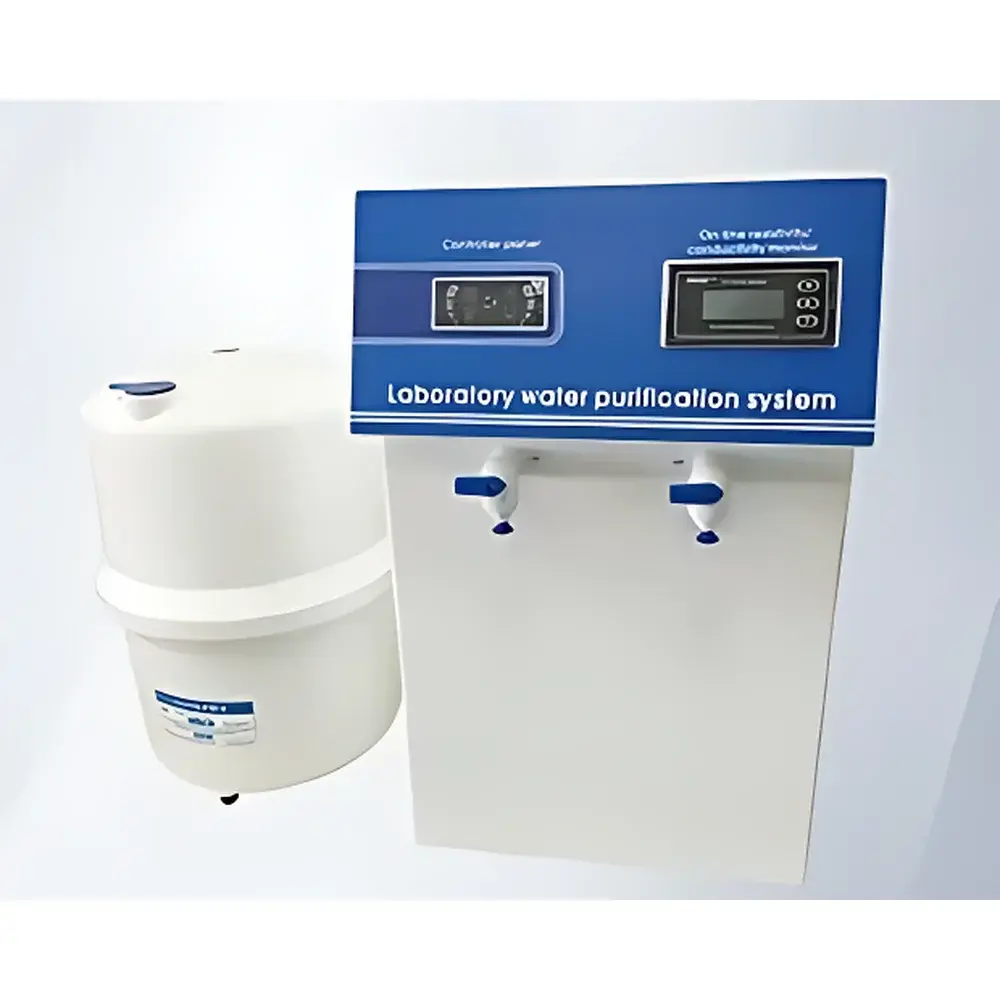
HOGON HUP Series Laboratory Reverse Osmosis Ultra-Pure Water System
| Brand | HOGON |
|---|---|
| Origin | Shanghai, China |
| Manufacturer Type | Direct Manufacturer |
| Product Category | Domestic |
| Model | HUP-1 / HUP-2 |
| Price | USD 2,200 (approx.) |
| Pure Water Grade | ASTM Type I / ISO 3696 Grade 1 |
| Resistivity | 18.2 MΩ·cm @ 25 °C |
| Heavy Metals & Soluble Silica | < 0.1 ppb |
| Total Organic Carbon (TOC) | < 5 ppb (HUP-2), < 10 ppb (HUP-1) |
| Microbial Count | < 1 CFU/mL |
| Endotoxin | < 0.001 EU/mL |
| Particles (>0.1 µm) | < 1 particles/mL |
| Flow Rate | 30 L/h (HUP-2), 15 L/h (HUP-1) |
| Instant Dispense | 1.8 L/min |
| UV Wavelengths | 185 nm + 254 nm (HUP-2 only) |
| Integrated UF Membrane | Yes (HUP-2) |
| Dimensions | 32 × 45 × 54 cm |
| Weight | 25 kg |
| Power Supply | 220 V, 50 Hz |
Overview
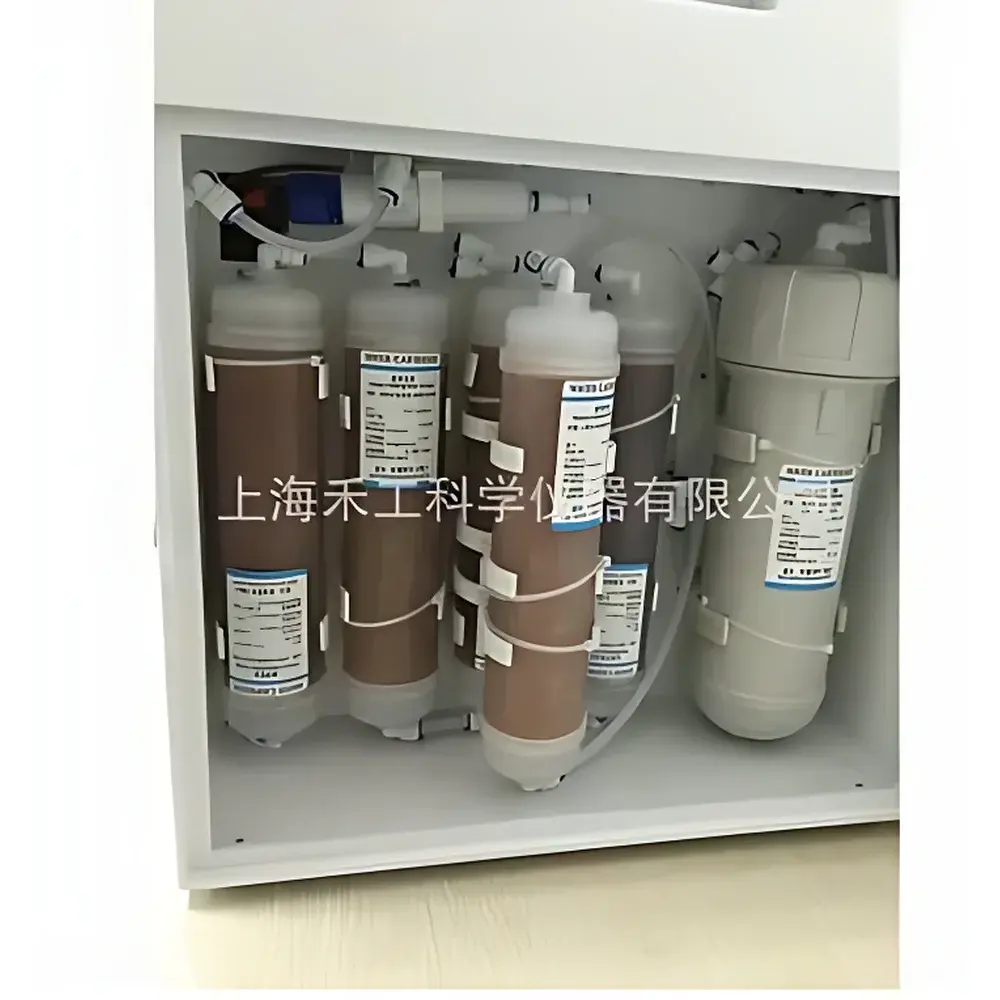
The HOGON HUP Series Laboratory Reverse Osmosis Ultra-Pure Water System is an integrated, benchtop-grade water purification platform engineered for consistent production of ASTM Type I and ISO 3696 Grade 1 ultrapure water. It employs a multi-stage purification architecture combining pretreatment filtration, high-rejection thin-film composite (TFC) reverse osmosis (RO), dual-wavelength UV photooxidation (185 nm and 254 nm), electro-deionization (EDI)-compatible ion exchange, and optional ultrafiltration (UF) — all within a compact, GLP-compliant enclosure. The system operates on the principle of sequential contaminant removal: RO eliminates >99% of dissolved ions, organics, colloids, and microorganisms; UV irradiation at 254 nm inactivates residual bacteria and viruses, while 185 nm photons generate hydroxyl radicals to mineralize trace organic compounds; final polishing via mixed-bed ion exchange and UF (in HUP-2) ensures sub-part-per-trillion ionic purity and particulate-free output. Designed for continuous operation in regulated laboratory environments, it delivers stable resistivity ≥18.2 MΩ·cm at 25 °C with real-time conductivity/resistivity monitoring and full system status feedback.
Key Features
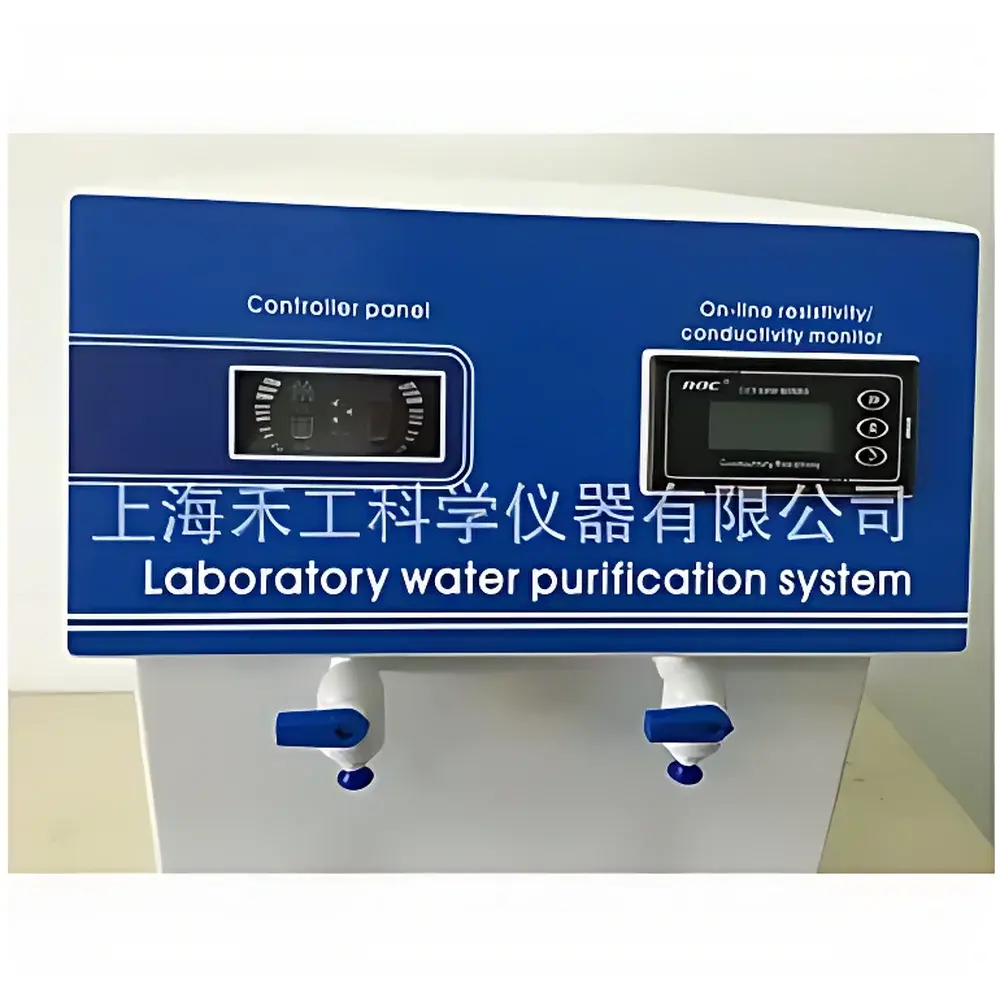
- Full-featured LCD interface with backlight, displaying real-time resistivity, TOC (indirectly inferred), system status (RO flush, production, tank full, low water, service required), and alarm conditions
- Automated RO membrane antiscalant flushing cycle to extend membrane life and maintain consistent rejection performance
- Dual-wavelength UV chamber (185/254 nm) standard on HUP-2 model for enhanced organic oxidation and microbial control
- Integrated 5,000 Da molecular weight cutoff ultrafiltration module (HUP-2) to remove endotoxins, nucleases, and sub-0.1 µm particles
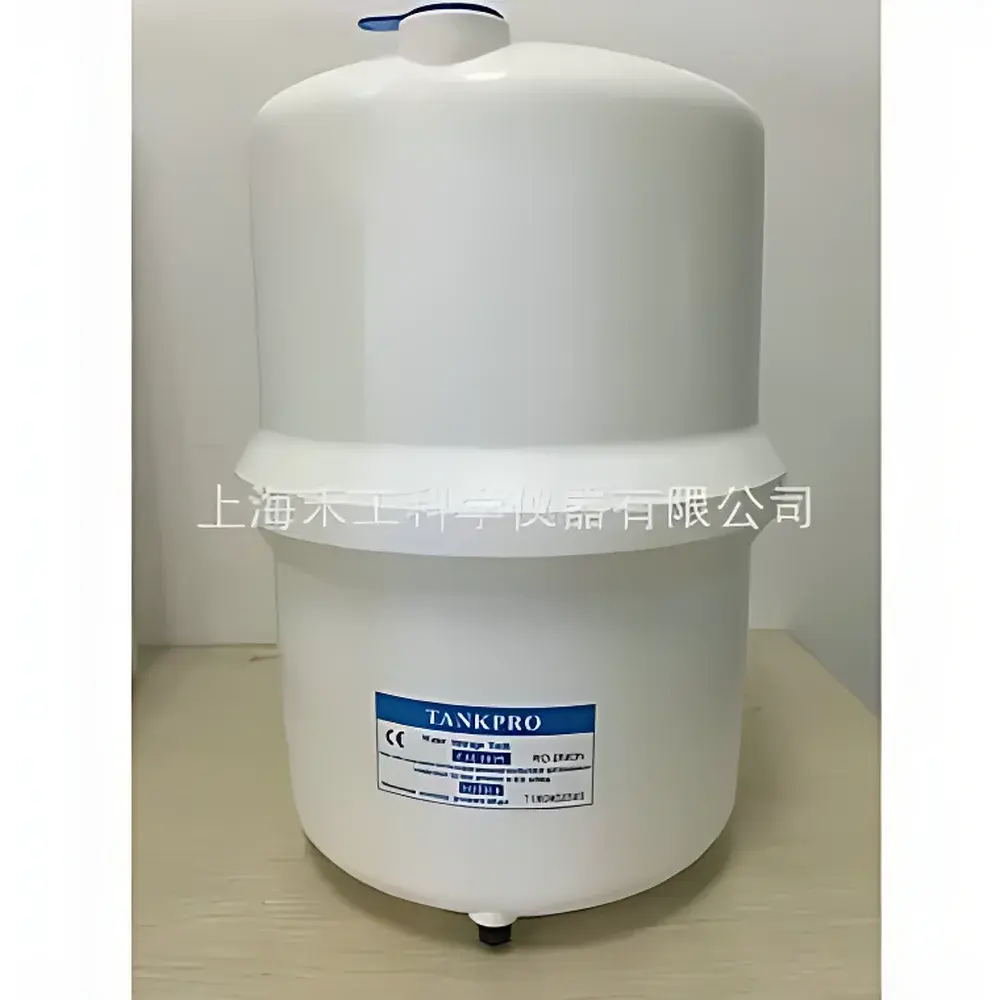
- Sealed, air-isolated storage tank with hydrophobic vent filter to prevent atmospheric CO2 absorption and airborne contamination
- Low-noise booster pump (<60 dB(A)) and corrosion-resistant chassis meeting IEC 61010-1 safety standards for laboratory equipment
- Comprehensive protection suite: low-inlet-pressure lockout, high-pressure shutoff, dry-run prevention, power-failure auto-resume, and audible/visual alarms
- All fluidic pathways constructed from pharmaceutical-grade PEEK, PVDF, and EPDM; quick-connect fittings minimize dead legs and simplify maintenance
Sample Compatibility & Compliance
The HUP Series produces water compliant with stringent analytical and biological application requirements. Its output meets or exceeds ASTM D1193-20 (Type I), ISO 3696:1987 (Grade 1), CLSI EP28-A3c, and USP specifications for purified water used in HPLC, LC-MS, ICP-MS, AAS, cell culture, ELISA, PCR, and recombinant protein work. The system’s design supports GLP and GMP workflows: audit-trail-capable event logging (via optional software), password-protected parameter adjustment, and configurable calibration intervals for the resistivity sensor. All wetted materials are USP Class VI certified, and the UV lamp intensity is monitored to ensure validated germicidal dose delivery. Endotoxin levels (<0.001 EU/mL) and particle counts (<1 mL−1, >0.1 µm) satisfy ISO 8573-1 Class 1 air quality equivalency for critical bioprocessing applications.
Software & Data Management
While the base HUP system operates via embedded firmware with local display and push-button controls, optional PC-based software enables remote monitoring, historical data export (CSV/Excel), trend analysis of resistivity and TOC proxy values, and electronic signature–enabled user access control. The system records timestamped events including membrane flush cycles, UV lamp runtime, cartridge replacement alerts, and fault codes — supporting FDA 21 CFR Part 11 compliance when deployed with validated software and network authentication. Calibration logs, maintenance history, and certificate-of-conformance reports can be generated per batch or on demand for QA documentation.
Applications
- HPLC, UHPLC, and LC-MS mobile phase and blank preparation where low TOC and metal ion content prevent column fouling and detector noise
- ICP-MS and GF-AAS analysis requiring ultra-low background contamination for ppt-level elemental detection
- Mammalian and stem cell culture media preparation, where endotoxin and nuclease absence is essential for viability and transfection efficiency
- Next-generation sequencing library prep and CRISPR reagent formulation demanding DNase/RNase-free water
- Pharmaceutical QC testing per USP and EP 2.2.44, including dissolution media and reference standard dilution
- Microelectronics wafer cleaning and photolithography rinse steps requiring particle-free, low-sodium water
FAQ
What is the difference between HUP-1 and HUP-2 models?
The HUP-2 includes integrated ultrafiltration (UF) and dual-wavelength (185 nm + 254 nm) UV oxidation, delivering lower TOC (<5 ppb vs. <10 ppb), enhanced endotoxin removal, and superior particle control — making it suitable for cell culture, molecular biology, and semiconductor applications.
Does the system comply with FDA 21 CFR Part 11?
The hardware supports Part 11 readiness; full compliance requires deployment with validated software, electronic signatures, and audit-trail configuration — available as an optional upgrade package.
How often do consumables require replacement?
Pre-filters: every 3–6 months depending on feed water quality; RO membrane: 2–3 years; UV lamp: 12 months; ion exchange cartridge: 6–12 months (monitored by resistivity decay and usage volume).
Can the system be connected to a central distribution loop?
Yes — the HUP Series features a dedicated recirculation port and pressure-regulated outlet compatible with closed-loop stainless steel or fluoropolymer distribution systems up to 30 m in length.
Is technical support and service available outside China?
HOGON maintains authorized service partners in North America, Europe, and Southeast Asia; spare parts and consumables are stocked regionally and shipped globally with documented chain-of-custody tracking.



