
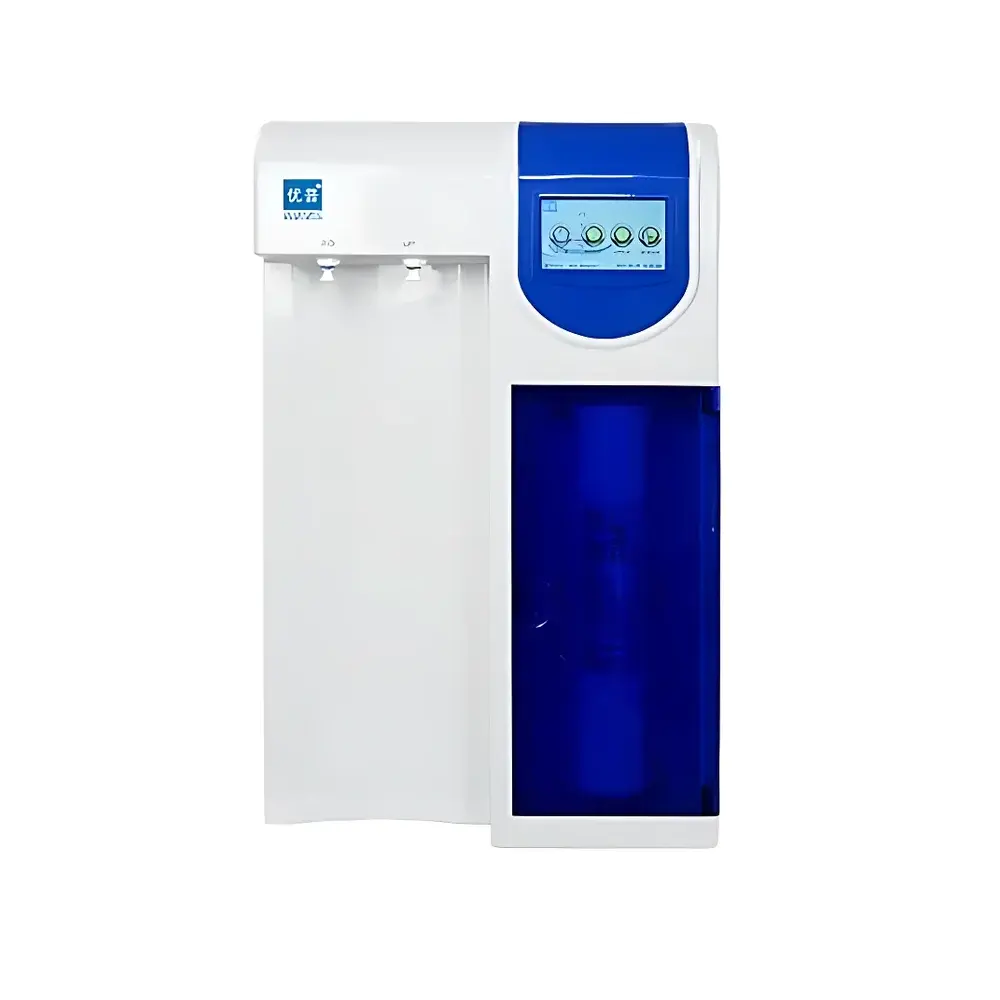
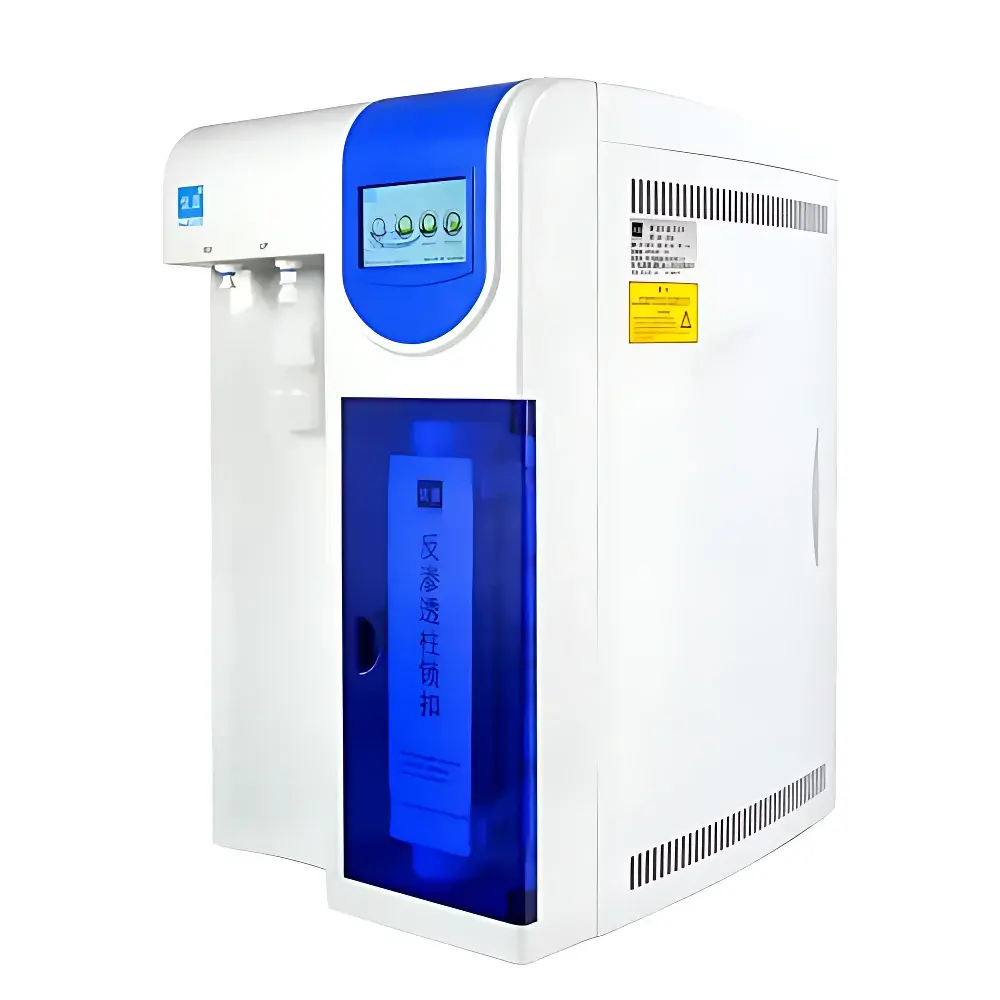
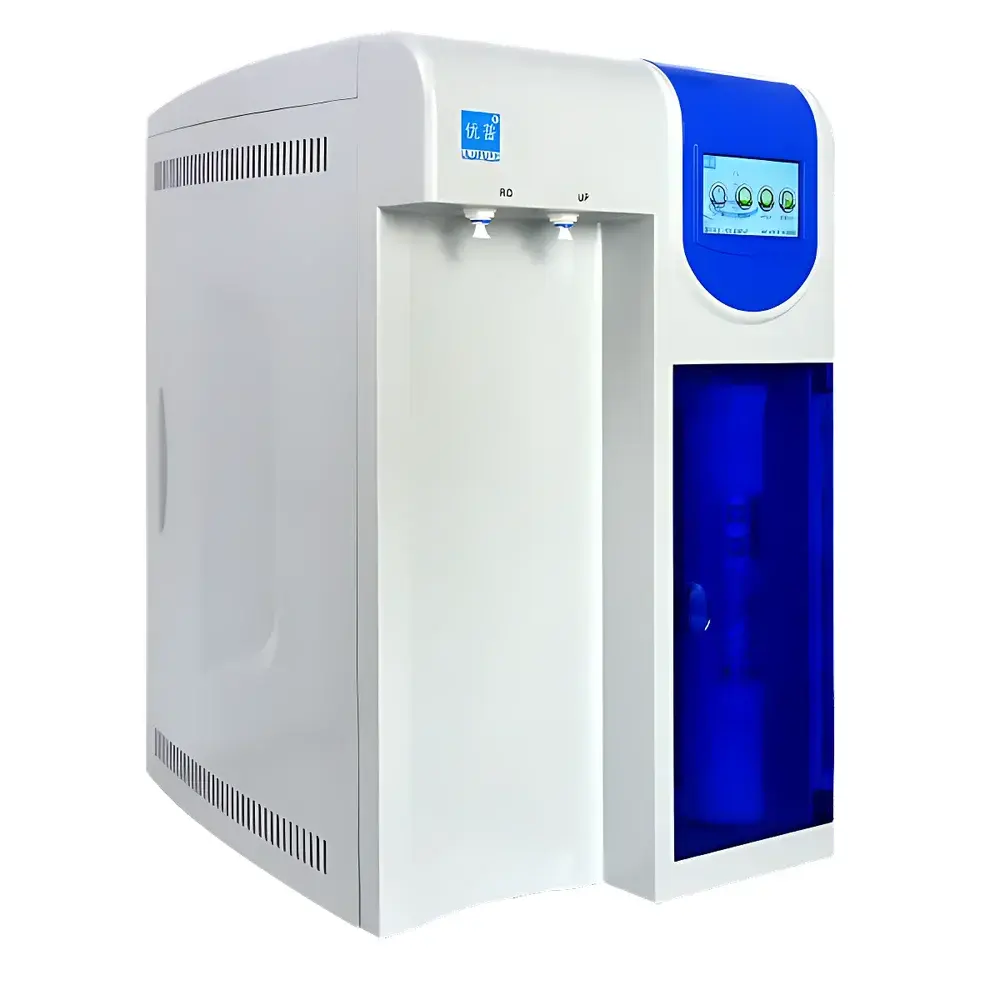
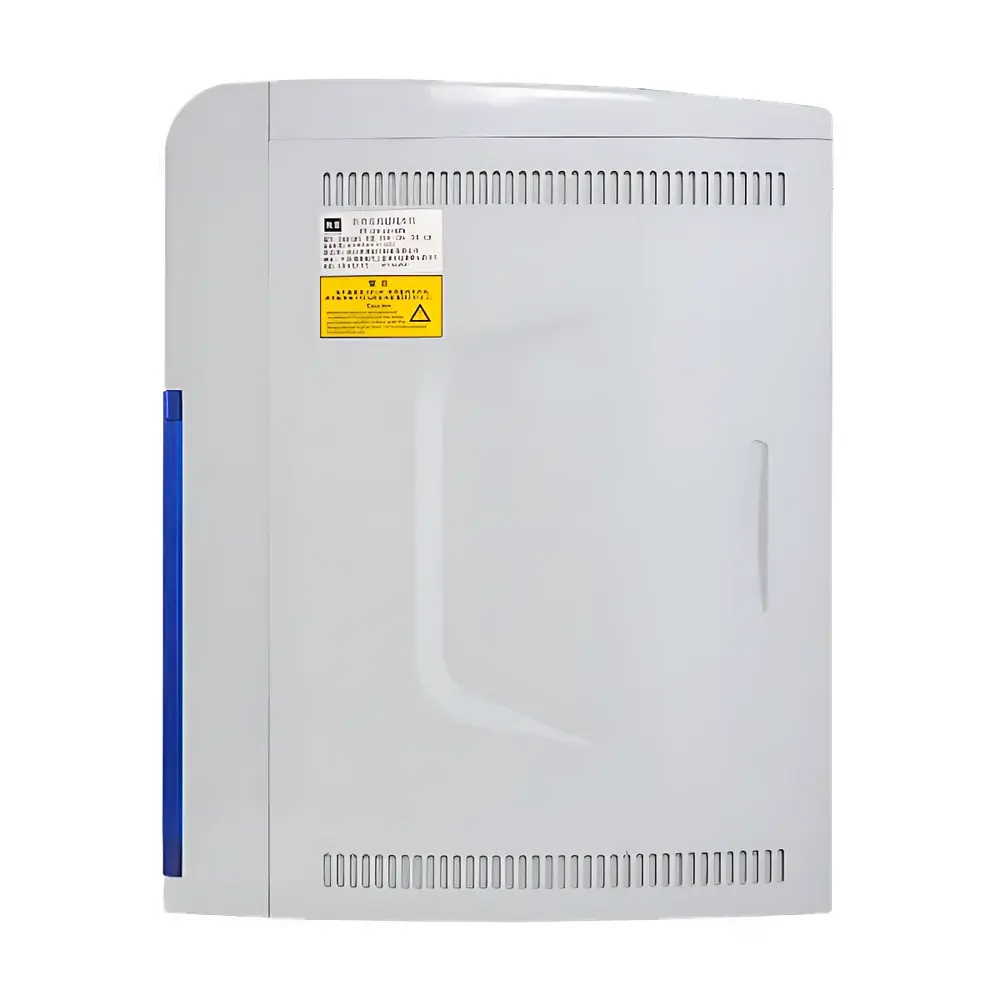
ULUPURE UPH-I/II/III Series Benchtop Ultra-Pure Water System
| Brand | ULUPURE |
|---|---|
| Origin | Sichuan, China |
| Manufacturer Type | Direct Manufacturer |
| Product Category | Domestic |
| Models | UPH-I/II/III-10/20/30T |
| Pure Water Grade | GB/T 6682–2008 Grade I (Type I) |
| Resistivity | 18.2 MΩ·cm @ 25 °C |
| Heavy Metals & Soluble Silica | ≤0.1 ppb |
| Total Organic Carbon (TOC) | <10 ppb |
| Microbial Count | <1 CFU/mL |
| Endotoxin | <0.01 EU/mL |
| Particles (>0.1 µm) | <1 particle/mL |
Overview
The ULUPURE UPH-I/II/III Series is a benchtop ultra-pure water system engineered for precision laboratory applications requiring continuous supply of Type I ultrapure water per GB/T 6682–2008 and GB/T 33087–2016. It integrates multi-stage purification—including reverse osmosis (RO), electrodeionization (EDI) or mixed-bed ion exchange (depending on model tier), dual-wavelength UV photooxidation (185/254 nm), ultrafiltration (UF), and 0.2 µm terminal microfiltration—to achieve consistent resistivity ≥18.2 MΩ·cm at 25 °C, TOC <10 ppb, endotoxin <0.01 EU/mL, and particle count 0.1 µm). Designed for integration into analytical workflows demanding stringent water purity—such as HPLC, LC-MS, ICP-MS, AAS, AES, IC, and cell culture—the system operates with municipal tap water compliant with GB 5749–2022 as feedstock, accommodating inlet TDS ≤200 ppm, pressure 0.10–0.40 MPa, and temperature 5–45 °C.
Key Features
- Benchtop footprint (375 × 505 × 615 mm) with corrosion-resistant ABS engineering plastic housing rated for chemical exposure in routine lab environments
- 4.3-inch capacitive touchscreen interface with real-time display of resistivity, TOC (optional), flow rate, system status, and consumable life indicators
- Integrated UV sterilization modules: dual-wavelength (185/254 nm) UV lamp for organic oxidation and 270 nm cold-light UV for microbial inactivation downstream of the storage tank
- Standard 15 L sterile, pressurized stainless-steel or polypropylene water reservoir with integrated air filtration and recirculation loop (optional smart circulation module available)
- Quantitative dispensing mode with programmable volume delivery (1 mL–9999 mL), hands-free foot-switch or touch-trigger activation, and timed auto-shutoff
- Comprehensive data logging: timestamped records of water quality parameters, total dispensed volume, and maintenance events; exportable via USB to CSV for audit-ready documentation
- Modular consumables architecture supporting field-replaceable RO membranes, ion exchange cartridges, UF membranes (3 kDa MWCO), and terminal filters—service intervals calibrated to feedwater quality
Sample Compatibility & Compliance
The UPH system delivers water meeting or exceeding critical international and national specifications for analytical-grade reagent water. Its output complies with ISO 3696:1987 (Grade 1), ASTM D1193–06 (Type I), CLSI EP22-A (for molecular diagnostics), and USP Purified Water and Water for Injection (WFI) pre-treatment requirements. For endotoxin-sensitive applications—including primary cell isolation, stem cell culture, IVF, and monoclonal antibody production—the optional 3 kDa ultrafiltration module reduces endotoxin levels to <0.001 EU/mL. All wetted materials are USP Class VI-certified and non-leaching; system design supports GLP/GMP-aligned validation protocols, including IQ/OQ/PQ documentation templates and electronic audit trail readiness (compatible with 21 CFR Part 11-compliant LIMS integration when paired with external data management software).
Software & Data Management
The embedded control firmware logs all operational parameters—including resistivity, TOC (if equipped), flow rate, UV intensity, pressure differentials, and cartridge usage hours—with automatic time/date stamping. Data retention covers ≥12 months of continuous operation and exports in comma-separated values (CSV) format via standard USB-A port for offline analysis or regulatory submission. Optional Ethernet or RS-485 interfaces enable remote monitoring and centralized fleet management across multi-instrument laboratories. The system supports configurable alarm thresholds (e.g., resistivity drift >0.1 MΩ·cm over 5 min) with visual and audible alerts, plus relay outputs for building management system (BMS) integration. No proprietary software installation is required for basic data retrieval.
Applications
- Chromatography: Mobile phase preparation and instrument rinsing for HPLC, UHPLC, GC, IC, and SFC systems
- Mass spectrometry: Solvent make-up, nebulizer gas humidification, and ESI/APCI source cleaning in LC-MS and ICP-MS platforms
- Molecular biology: PCR master mix preparation, electrophoresis buffer formulation, and transfection-grade media dilution
- Clinical diagnostics: Reagent preparation for immunoassays (ELISA, CLIA), hematology analyzers, and automated urinalysis systems
- Materials science: Nanoparticle synthesis, thin-film deposition, and electrochemical cell electrolyte preparation
- Pharmaceutical QA/QC: USP purified water generation for excipient dilution and equipment sanitization verification
FAQ
What is the maximum operating temperature range for feed water?
The system accepts inlet water between 5 °C and 45 °C. Below 5 °C, RO membrane flux declines significantly; below 0 °C, freezing may damage internal components.
How does ambient temperature affect RO production rate?
RO output decreases by approximately 3% per 1 °C drop from 25 °C reference temperature. At 15 °C, expected output is ~70% of nominal rating.
Is the system suitable for endotoxin-free cell culture applications?
Yes—when configured with the optional 3 kDa ultrafiltration module and 270 nm UV sterilizer, endotoxin levels are reduced to <0.001 EU/mL, meeting ISO 13485 and ATCC cell line maintenance guidelines.
Can the system be validated per GMP requirements?
Yes—the modular design, full parameter logging, and material traceability support IQ/OQ/PQ execution. ULUPURE provides validation protocol templates aligned with Annex 15 and WHO TRS 986.
What maintenance intervals are recommended for consumables?
RO membrane replacement is typically required every 12–24 months depending on feedwater TDS and hardness; ion exchange cartridges every 6–12 months; UF membranes every 18–36 months; and 0.2 µm final filters every 3–6 months under continuous use.



