
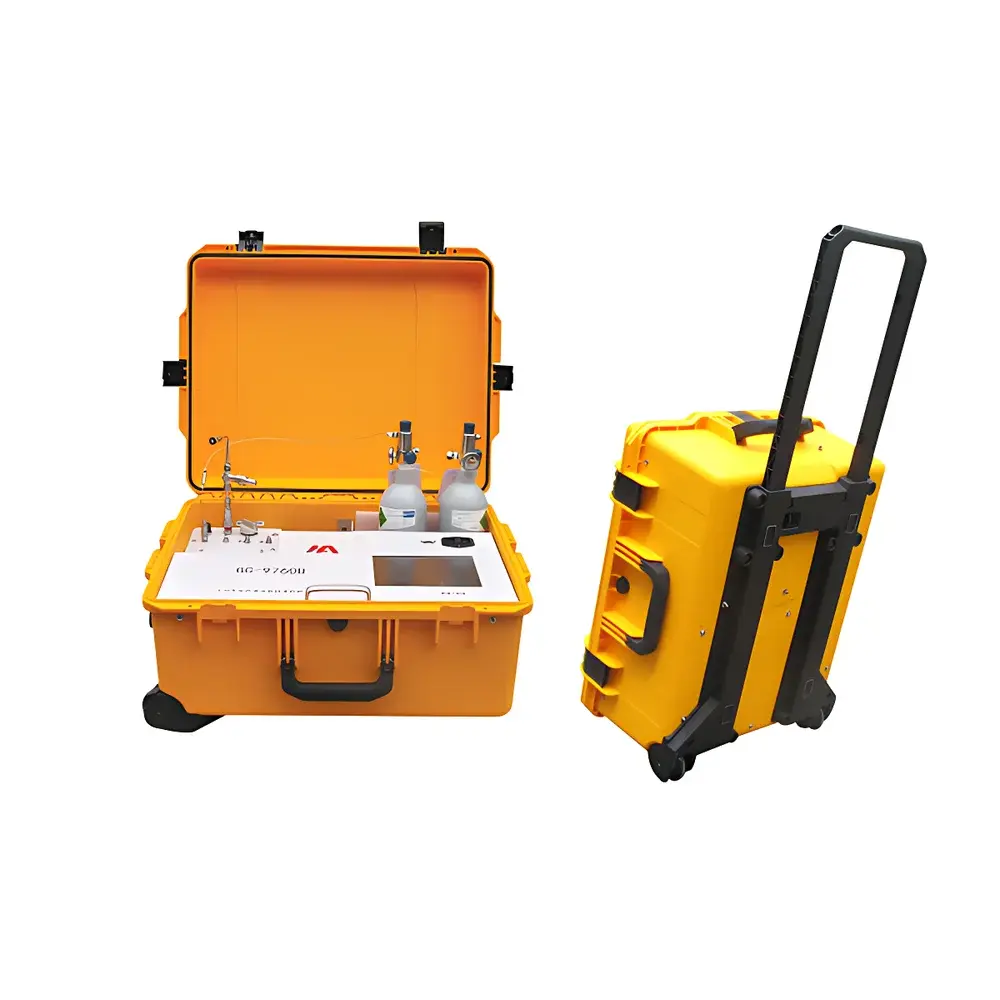
HuaiAi Chromatography GC-9760A Portable Gas Chromatograph for Transformer Oil Dissolved Gas Analysis
| Brand | HuaiAi |
|---|---|
| Origin | Shanghai, China |
| Manufacturer Type | Direct Manufacturer |
| Region Classification | Domestic (China) |
| Model | GC-9760A |
| Price Range | USD 14,000 – 42,000 |
| Dimensions | 380 × 450 × 180 mm |
| Weight | <15 kg |
| Power Supply | AC 220 V ±10%, 50 Hz |
| Column Oven Temp Range | 8 °C above ambient to 400 °C (±0.1 °C) |
| TCD Detection Limit | ≤ 100 μL/L (H₂) |
| FID Detection Limit | ≤ 0.1 μL/L (C₂H₂) |
| Linear Dynamic Range | ≥10⁴ (TCD), ≥10⁶ (FID) |
| Standard Compliance | GB/T 17623–1998, GB/T 7252–2001, DL/T 703–1999 |
Overview
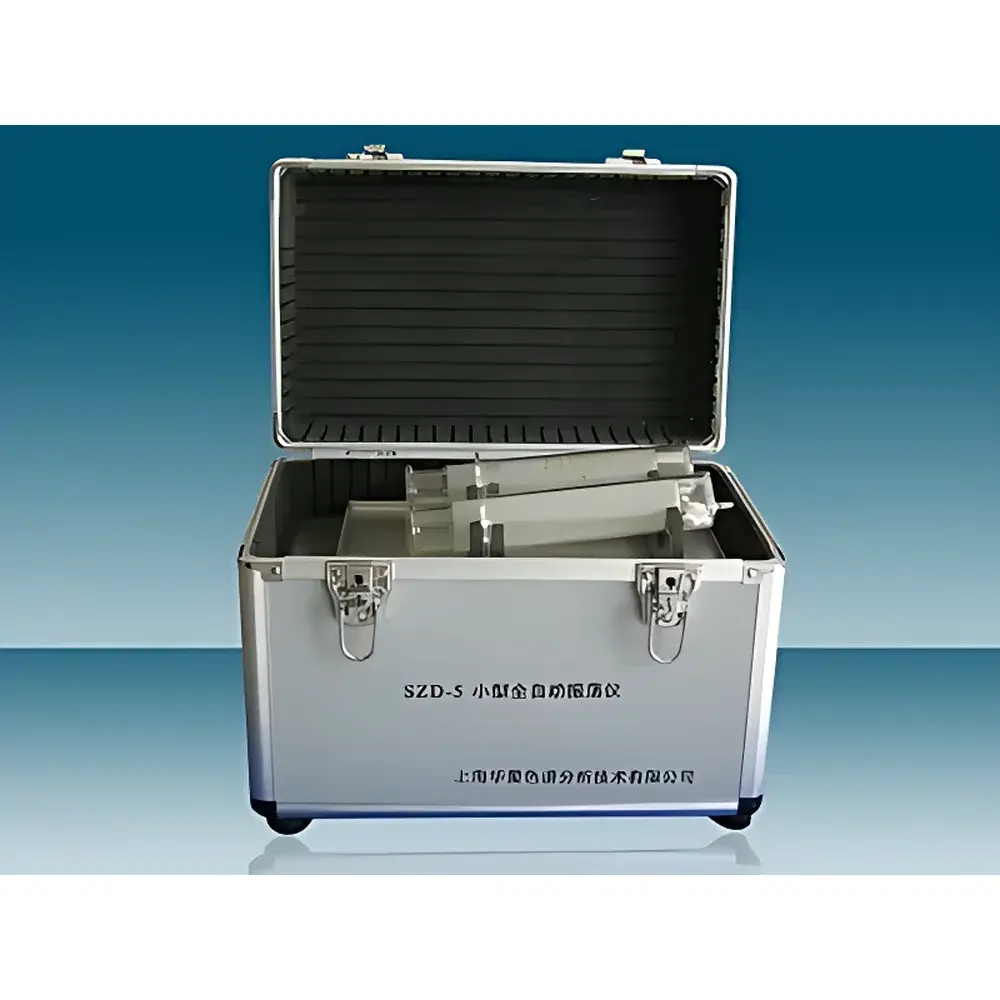
The HuaiAi GC-9760A is a purpose-built portable gas chromatograph engineered exclusively for dissolved gas analysis (DGA) in transformer insulating oil at substations, remote power facilities, and field maintenance sites. It implements dual-detector gas chromatography—integrating a thermal conductivity detector (TCD) for permanent gases (H₂, O₂, N₂, CO, CO₂) and a flame ionization detector (FID) for hydrocarbons (CH₄, C₂H₂, C₂H₄, C₂H₆)—within a single, self-contained instrument platform. Unlike benchtop GC systems requiring external gas supplies, PCs, and auxiliary hardware, the GC-9760A integrates carrier gas generation (via built-in hydrogen generator or optional compressed gas modules), embedded control electronics, and a compact column oven into two transportable units (main analyzer + optional SZD-5 auto-shaker). Its design adheres strictly to the physical and operational constraints of on-site DGA: rapid deployment (<5 min setup), battery-compatible operation (with optional DC input), and immunity to vibration and ambient temperature fluctuations typical of outdoor switchyards.
Key Features
- True field-portability: Total system weight <15 kg; integrated carrier gas supply eliminates dependency on high-pressure cylinders.
- Simultaneous seven-gas quantification (H₂, CH₄, C₂H₂, C₂H₄, C₂H₆, CO, CO₂) in a single 12-minute run—fully compliant with GB/T 17623–1998 methodology.
- Dual independent temperature zones: Precision-controlled column oven and detector blocks (±0.1 °C stability), including dedicated Ni-catalyst methanizer furnace for CO/CO₂ conversion prior to FID detection.
- TCD with semi-diffusion cell design and cylindrical collector ensures stable baseline (noise ≤20 µV) and reproducible H₂/CO detection down to 2 µL/L.
- FID with quartz nozzle, constant-current ignition circuit, and low-noise electrometer delivers sub-0.1 µL/L detection limit for acetylene and ethylene—critical for early arcing fault identification.
- Embedded PC architecture with USB/Ethernet interface enables full remote operation via HuaiAi ChromaControl™ workstation software—including method editing, calibration curve management, and ASTM D3612-style reporting.
Sample Compatibility & Compliance
The GC-9760A accepts standard 10–20 mL oil samples prepared per GB/T 7252–2001 headspace extraction protocol. Its analytical workflow satisfies all mandatory requirements for condition-based maintenance of power transformers under IEC 60599 and IEEE C57.104 guidance frameworks. The system supports GLP-compliant data integrity through audit-trail-enabled software (21 CFR Part 11 ready mode), electronic signature support, and immutable raw data archiving. Calibration verification is performed using certified gas standards traceable to NIM (National Institute of Metrology, China) and cross-validated against NIST SRM 1849a equivalents. All hardware components—including stainless-steel capillary columns, fused silica liners, and high-purity gas lines—meet ISO 8573–1 Class 2 purity specifications for carrier gas delivery.
Software & Data Management
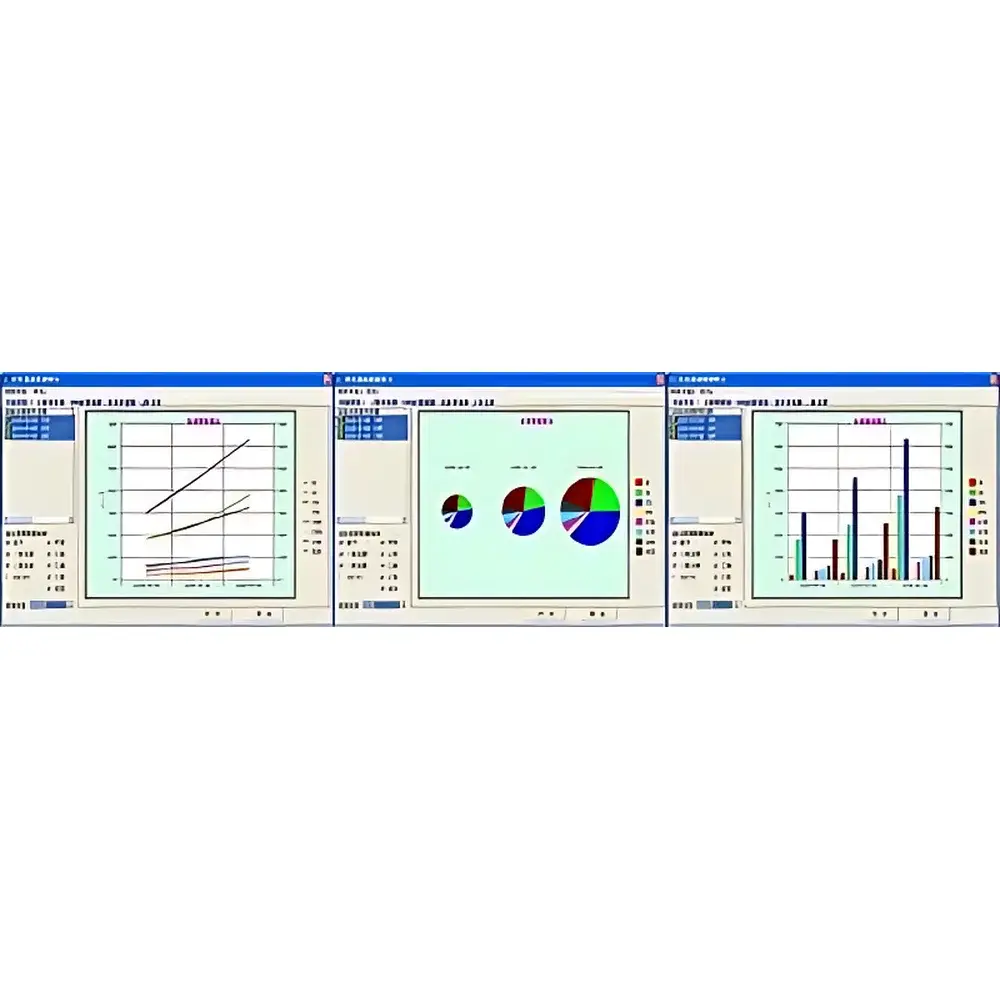
ChromaControl™ v4.2 is a Windows-based chromatography data system (CDS) developed specifically for utility DGA workflows. It provides automated peak integration using retention time locking (RTL) algorithms trained on reference transformer oil matrices, eliminating manual intervention during routine analysis. Quantitative results are output in dual formats: (1) tabular reports aligned with DL/T 703–1999 dissolved gas concentration thresholds, and (2) Duval triangle / Rogers ratio diagnostic overlays with color-coded fault classification (partial discharge, thermal fault, arcing). Raw chromatograms and audit logs are stored in vendor-neutral .cdf format (compatible with OpenLab CDS and Chromeleon import), supporting long-term trend analysis across fleet-wide asset databases. Data export options include CSV, PDF/A-2, and XML for integration into SCADA-linked CMMS platforms.
Applications
- Routine dissolved gas monitoring during scheduled transformer maintenance visits.
- Emergency fault investigation following relay alarms, Buchholz trips, or abnormal temperature rise.
- Commissioning verification of new or reconditioned units prior to energization.
- On-site validation of laboratory DGA results when discrepancies arise between field and central lab data.
- Training and certification of utility field technicians in standardized DGA sampling and interpretation protocols.
FAQ
Does the GC-9760A require external hydrogen or air cylinders?
No. It includes an integrated PEM electrolytic hydrogen generator (rated for >500 hours continuous operation) and zero-air compressor module—eliminating cylinder logistics and safety hazards.
Can it analyze oxygen and nitrogen in oil?
Yes. The TCD configuration supports simultaneous O₂/N₂ quantification alongside H₂, CO, and CO₂ without hardware modification.
Is method validation documentation provided?
Yes. Each unit ships with IQ/OQ documentation, system suitability test (SST) protocols per GB/T 17623–1998, and a certificate of conformance to DL/T 703–1999 repeatability requirements (RSD ≤5% at 10× detection limit).
What maintenance intervals are recommended?
Column reconditioning every 200 injections; FID nozzle cleaning every 500 runs; TCD filament inspection annually; full system performance verification semiannually using certified gas standards.
Is remote firmware update supported?
Yes. Over-the-air (OTA) updates are delivered via secure HTTPS channel through the ChromaControl™ cloud portal, with rollback capability and versioned release notes.






