IRM IR260 Plant Growth Chamber for Rice Cultivation
| Brand | IRM |
|---|---|
| Origin | Beijing, China |
| Manufacturer | IRM Instruments Co., Ltd. |
| Model | IR260 |
| Illumination Type | Shelf-integrated LED lighting |
| Light Source | High-efficiency white LED array |
| Spectral Range | Visible spectrum (400–700 nm) |
| Temperature Range | 10–65°C (with illumination), 0–65°C (without illumination) |
| Temperature Fluctuation | ±0.3°C |
| Temperature Uniformity | ±1.0°C (at 20°C, within single shelf plane) |
| Photosynthetic Photon Flux Density (PPFD) | 0–500 µmol/m²/s |
| Internal Volume | 305 L |
| External Dimensions (W×D×H) | 780 × 790 × 1600 mm |
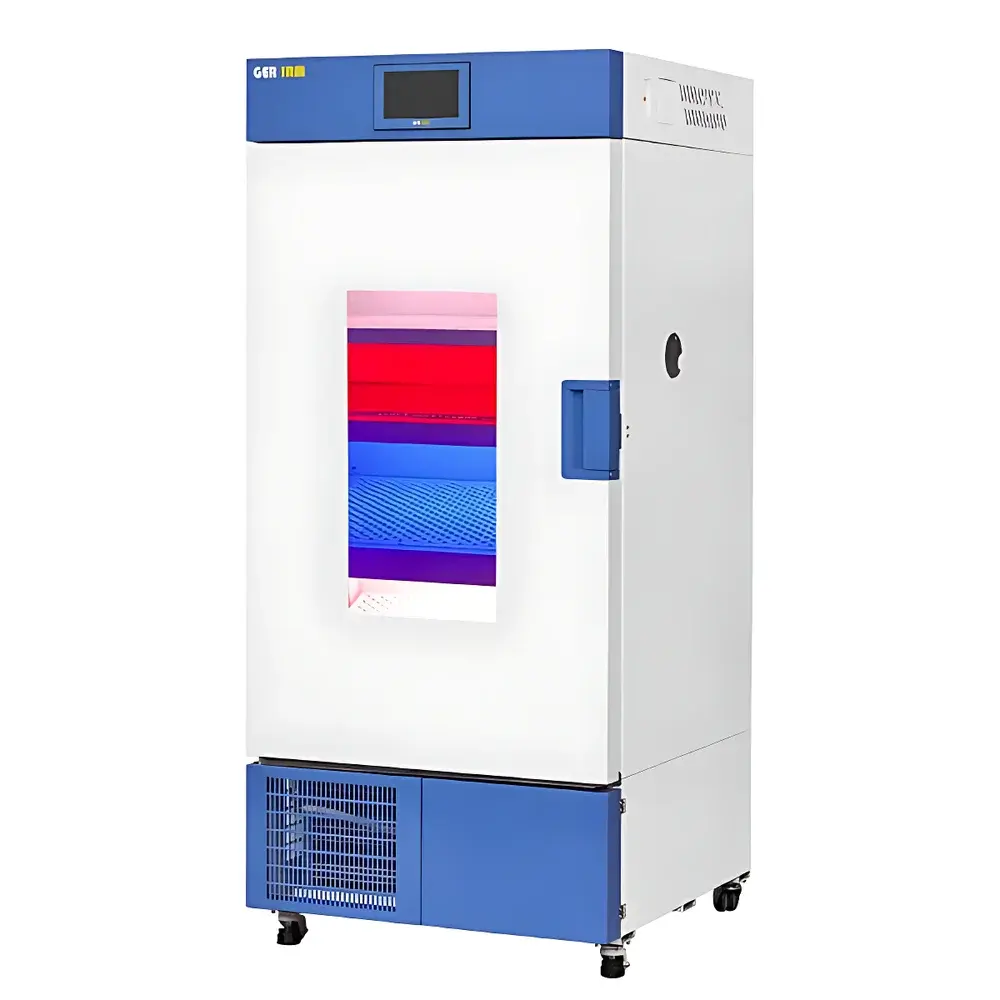
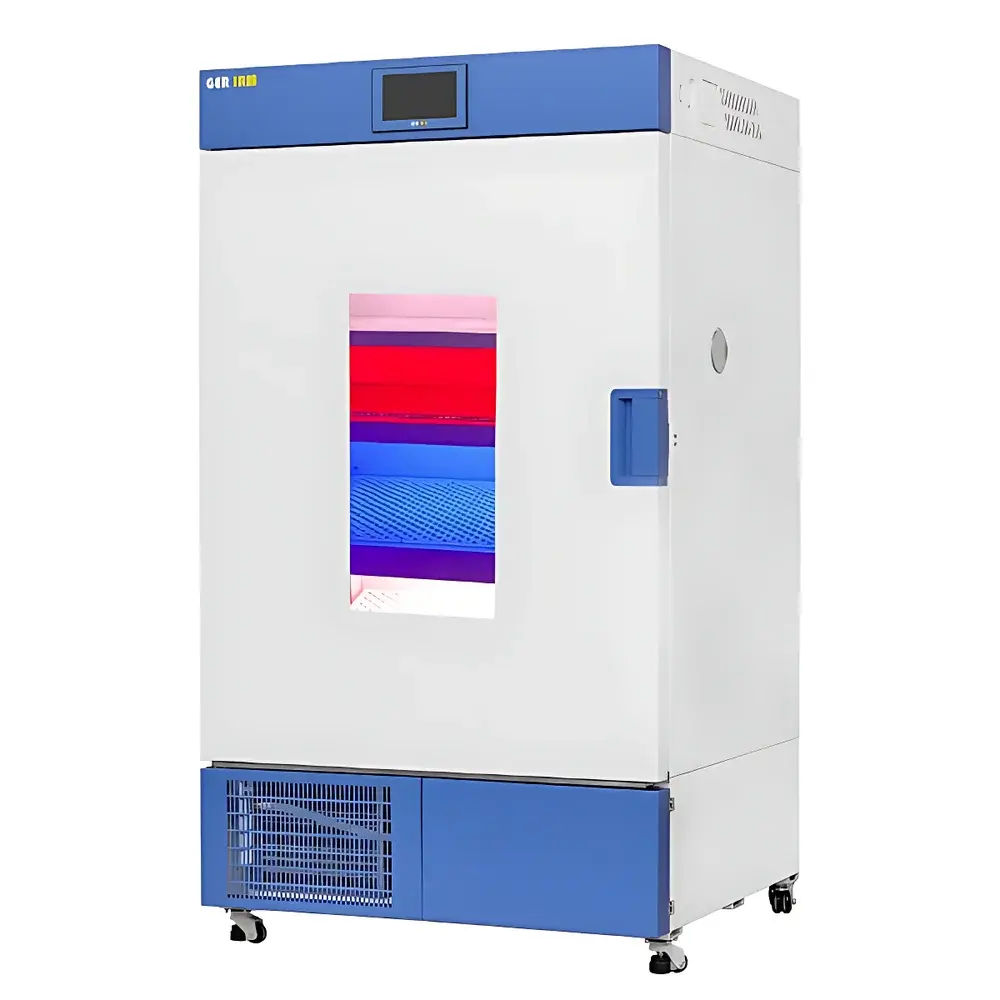
| Control System | 7-inch capacitive touchscreen with iHACC™ high-precision temperature/humidity algorithm |
| Safety Protections | Independent overtemperature cutoff, leak current protection, water-level monitoring (low/high), compressor overpressure & cooling fan overheat protection, door-open alarm, power-failure alarm, sensor fault detection |
| Optional Modules | Humidity control (30–95% RH), CO₂ regulation (0–5000 ppm), 4G remote connectivity (Android/Windows compatible), programmable multi-segment operation (1–30 steps), data logging with USB export, audit-trail-enabled event logging |
Overview
The IRM IR260 Plant Growth Chamber is a purpose-engineered environmental control system designed specifically for controlled-environment rice physiology research, seedling development, and photoperiod-sensitive phenotyping studies. It operates on the principle of active climate regulation—integrating precision thermoelectric and refrigeration-based temperature control, uniform forced-air convection, spectrally optimized photosynthetic lighting, and modular environmental parameter expansion. Unlike generic incubators, the IR260 implements IRM’s proprietary iHACC™ (intelligent Hybrid Adaptive Climate Control) architecture, which dynamically coordinates compressor modulation, PID-driven heating elements, variable-speed centrifugal airflow, and real-time light-output compensation to maintain stable microclimatic conditions across the full growth volume—even under dynamic load changes or ambient fluctuations. Its operational envelope supports both vegetative and reproductive-stage rice cultivation protocols, including low-temperature vernalization simulations (down to 0°C in dark mode) and high-irradiance grain-filling conditions (up to 500 µmol/m²/s PPFD). The chamber complies with foundational laboratory infrastructure requirements for GLP-aligned plant science workflows, enabling reproducible, traceable, and auditable environmental exposure histories.
Key Features
- 7-inch industrial-grade capacitive touchscreen interface with intuitive icon-driven navigation and multilingual OS support (English default)
- iHACC™ adaptive control algorithm delivering ±0.3°C temperature stability and ±1.0°C intra-shelf uniformity at 20°C—validated per ISO 17025 calibration practices
- Shelf-integrated white LED lighting system emitting continuous PAR-spectrum photons (400–700 nm); intensity digitally adjustable from 0 to 500 µmol/m²/s with <±3% linearity error
- Variable-speed centrifugal fan system (0–100% duty cycle) minimizes desiccation stress on delicate rice coleoptiles and panicles during extended photoperiods
- Integrated auto-fill water reservoir with overflow prevention and condensate recycling—reducing manual intervention frequency by up to 70% compared to conventional humidified chambers
- Triple-tier user permission structure (Operator / Supervisor / Administrator) with encrypted login, timestamped action logs, and tamper-evident event records compliant with FDA 21 CFR Part 11 Annex 11 expectations
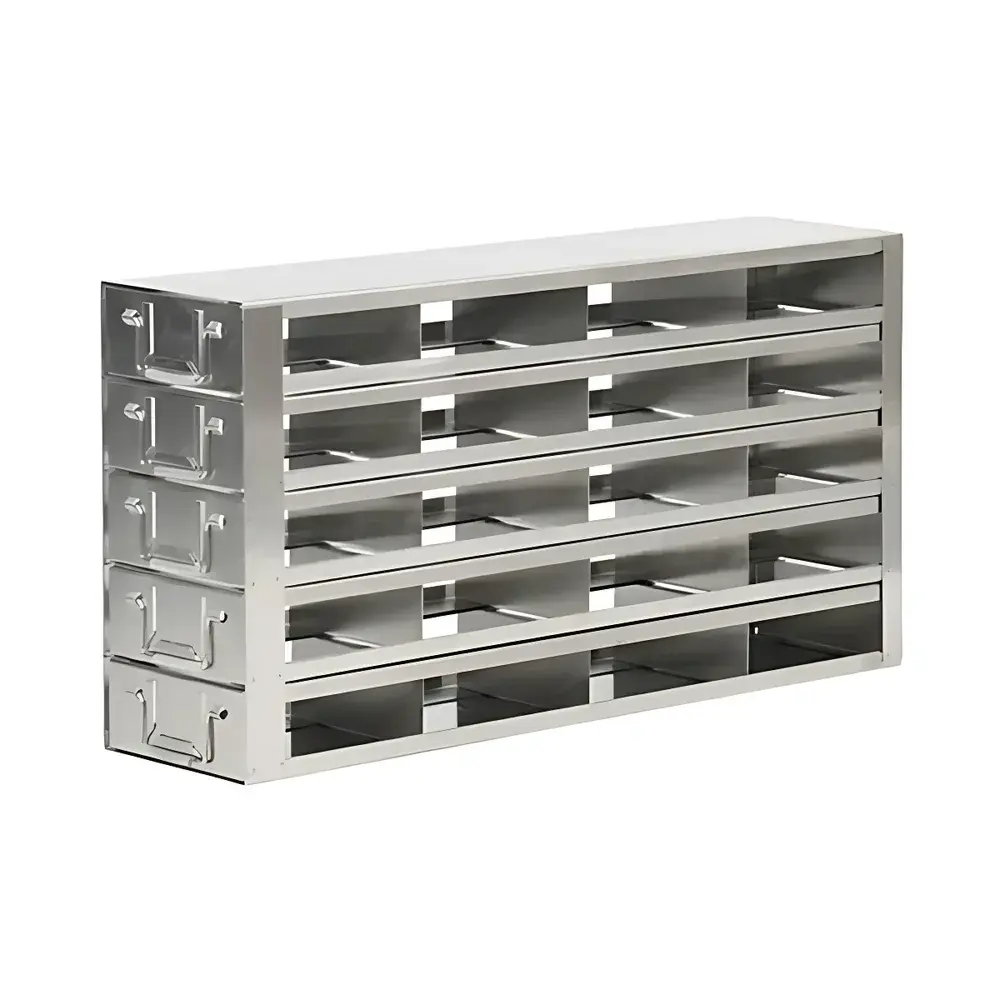
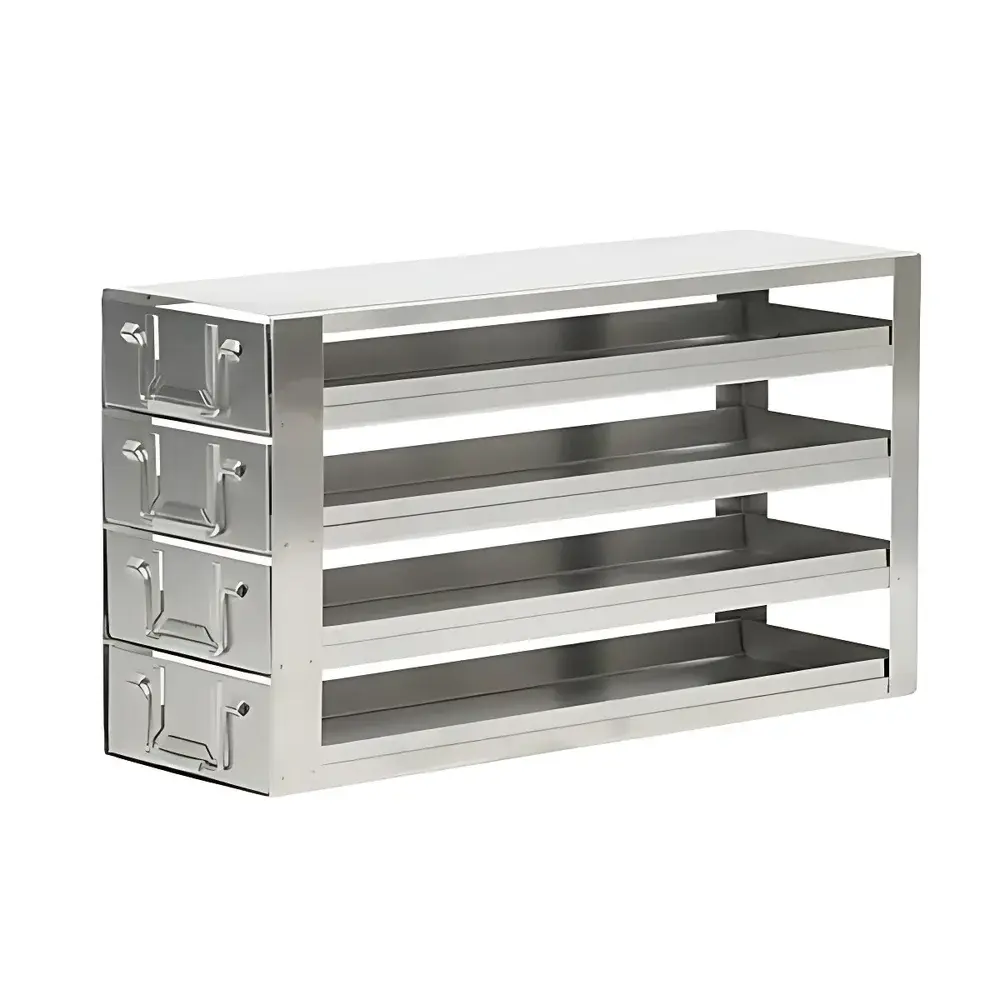
- Robust mechanical design: heavy-duty locking casters (150 kg load capacity), dual 50 mm diameter pass-through ports (left/right), and front-accessible service panels for routine maintenance
- Comprehensive safety suite—including independent thermal cutoffs, refrigerant pressure monitoring, motor overheat sensors, door position interlocks, and real-time sensor health diagnostics
Sample Compatibility & Compliance
The IR260 accommodates standard rice research configurations: stacked trays (up to four shelves), hydroponic racks, soil-filled pots (max. height 1000 mm), and custom growth vessels via its open-shelf architecture. Its internal geometry (640 × 450 × 1060 mm W×D×H) ensures unobstructed light penetration and laminar airflow distribution—critical for avoiding positional bias in tillering or flowering onset measurements. The chamber meets IEC 61000-6-3 (EMC emissions) and IEC 61000-6-2 (immunity) standards. While not certified for GMP manufacturing, its data integrity framework—including electronic signatures, audit trails, and exportable CSV/Excel logs—supports compliance with ISO/IEC 17025, OECD TG 111, and FAO/IAEA joint plant phenotyping guidelines. Optional humidity and CO₂ modules extend applicability to drought-stress simulation (30–95% RH) and carbon-response assays (0–5000 ppm CO₂), aligning with IPCC-related crop resilience benchmarking protocols.
Software & Data Management
Control firmware runs on a real-time Linux kernel with deterministic scheduling for time-critical environmental setpoint execution. All operational parameters—including temperature, light intensity, fan speed, and optional humidity/CO₂ values—are logged at user-defined intervals (1 s to 60 min resolution) into an encrypted SQLite database stored on internal eMMC memory. Data export is supported via USB 2.0 port (FAT32 formatted drives only) in timestamped, header-prefixed CSV format compatible with R, Python pandas, and JMP statistical platforms. Remote monitoring and control are enabled via optional 4G LTE module (CAT-M1/NB-IoT compatible), exposing RESTful API endpoints for integration with institutional LIMS or cloud-based experiment orchestration tools (e.g., LabArchives, Benchling). Alarm notifications (SMS/email) trigger on threshold breaches, hardware faults, or authentication failures—configurable per user role.
Applications
- Rice varietal screening under controlled photoperiod, temperature, and light-intensity gradients
- Vernalization response analysis in temperate japonica cultivars
- Photosynthetic efficiency mapping using chlorophyll fluorescence (PAM) synchronized with dynamic light ramps
- Root architecture phenotyping in transparent rhizoboxes under regulated vapor pressure deficit (VPD)
- Pre-acclimation protocols for field transplanting trials
- Seed dormancy release kinetics under alternating temperature/light cycles
- Multi-generational breeding stock maintenance under sterile, pathogen-free conditions
FAQ
What is the maximum recommended plant height for optimal light uniformity?
For uniform PPFD distribution across the growth area, IRM recommends maintaining canopy height ≤200 mm when operating at full irradiance (500 µmol/m²/s); taller specimens (>600 mm) require shelf repositioning or supplemental side lighting.
Does the IR260 support ASTM E1822 or ISO 11743-compliant growth protocols?
While not pre-certified to these standards, the IR260’s documented control accuracy, traceable calibration procedures, and audit-ready data logs enable users to validate protocol adherence per ASTM E1822 Annex A2 (plant growth chamber qualification) and ISO 11743:2018 section 6.3 (environmental parameter verification).
Can the unit operate continuously at 45°C with full illumination?
Yes—the IR260 sustains 45°C + 500 µmol/m²/s for ≥72 h without defrost interruption, verified under ISO 16750-4 thermal endurance testing; however, long-term operation above 40°C requires periodic inspection of LED thermal pads and condenser coil cleanliness.
Is third-party calibration documentation available?
IRM provides NIST-traceable factory calibration certificates (temperature, light sensor, humidity if equipped) with each shipment; on-site recalibration services are offered annually through authorized regional partners.
How is data integrity ensured during power loss?
The embedded controller retains all runtime parameters and log buffers in non-volatile memory; upon AC restoration, it resumes the last active program segment with no data loss—verified via IEC 60664-1 transient immunity testing.