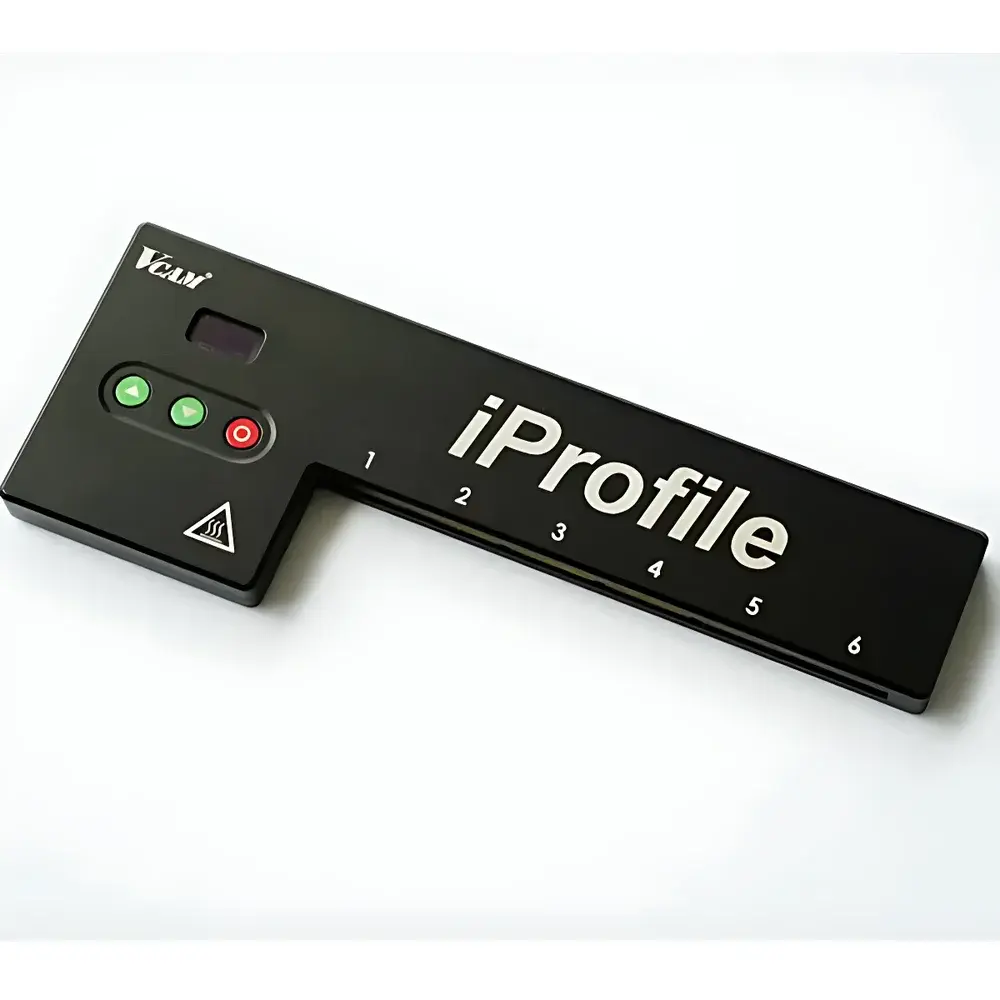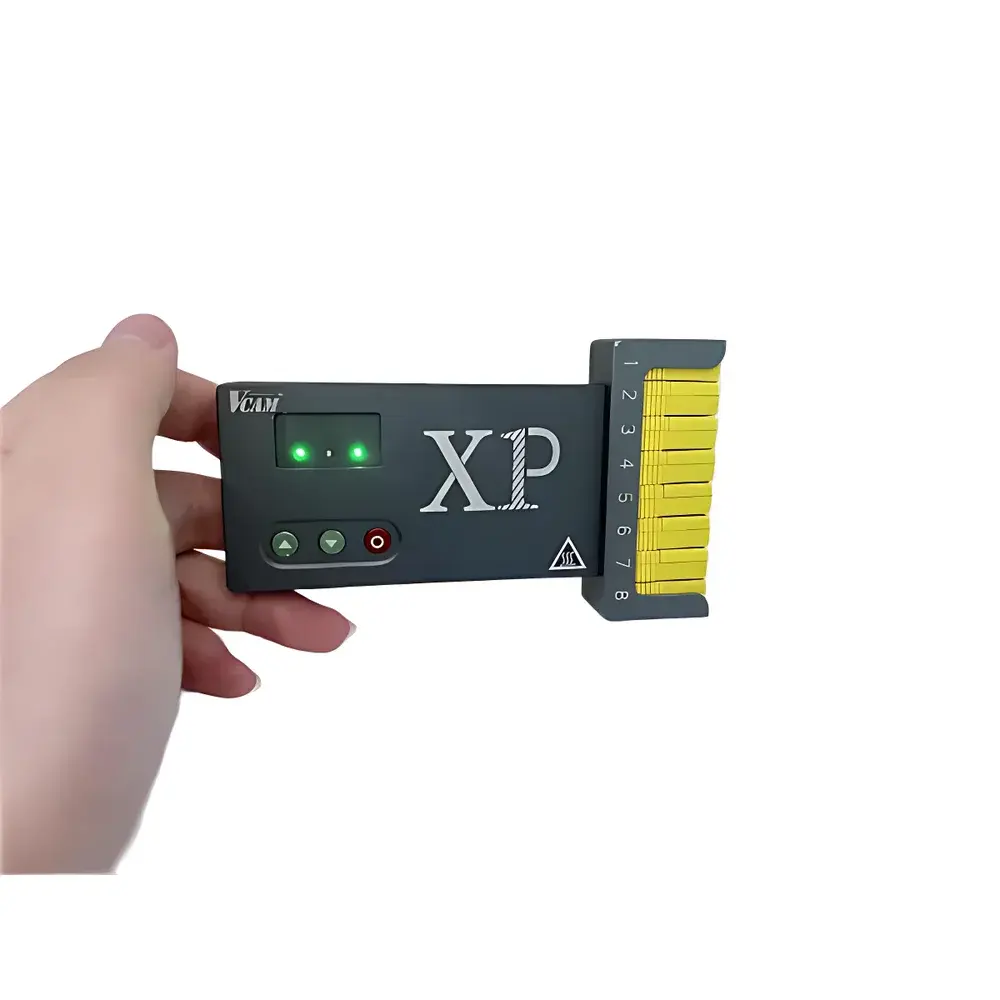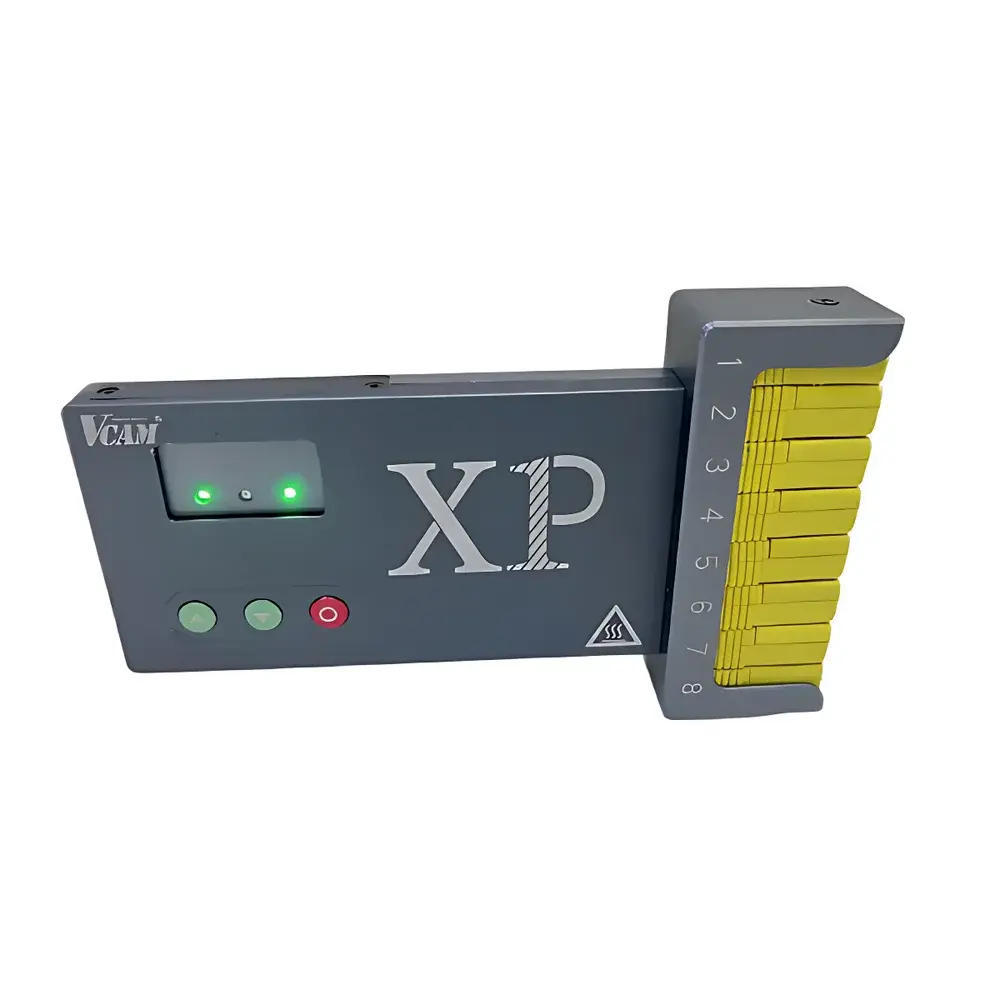
SonTek Argonaut-SL Acoustic Doppler Velocity Profiler
| Brand | SonTek |
|---|---|
| Origin | USA |
| Model | Argonaut-SL |
| Product Type | Acoustic Doppler Velocity Profiler |
| Measurement Principle | Broadband Acoustic Doppler Current Profiling (ADCP) with Vertical-Beam Water Level Sensing |
| Velocity Range | ±6 m/s |
| Velocity Resolution | 0.1 cm/s |
| Velocity Accuracy | ±1% of measured velocity or ±0.5 cm/s |
| Water Level Range (SL3000/SL1500/SL500) | 0.1–5 m / 0.15–10 m / 0.2–18 m |
| Water Level Accuracy | ±0.3 cm (depth < 3 m) or ±0.1% (depth ≥ 3 m) |
| Beam Angle (Horizontal/Vertical) | 1.4° / 1.4°, 1.4° / 2.9°, 1.4° / 3.8° |
| Side Lobe Suppression | >60 dB |
| Power Input | 7–15 V DC |
| Power Consumption | 0.5–1.0 W |
| Operating Temperature | –5°C to +60°C |
| Pressure Rating | Up to 30 m water depth |
| Communication | RS-232, SDI-12, optional RS-422 (up to 1500 m), Modbus, 4–20 mA / 0–5 V analog output |
| Memory | 4 MB (≥200,000 samples) |
| Integrated Temperature Sensor | ±0.1°C accuracy, 0.01°C resolution |
Overview
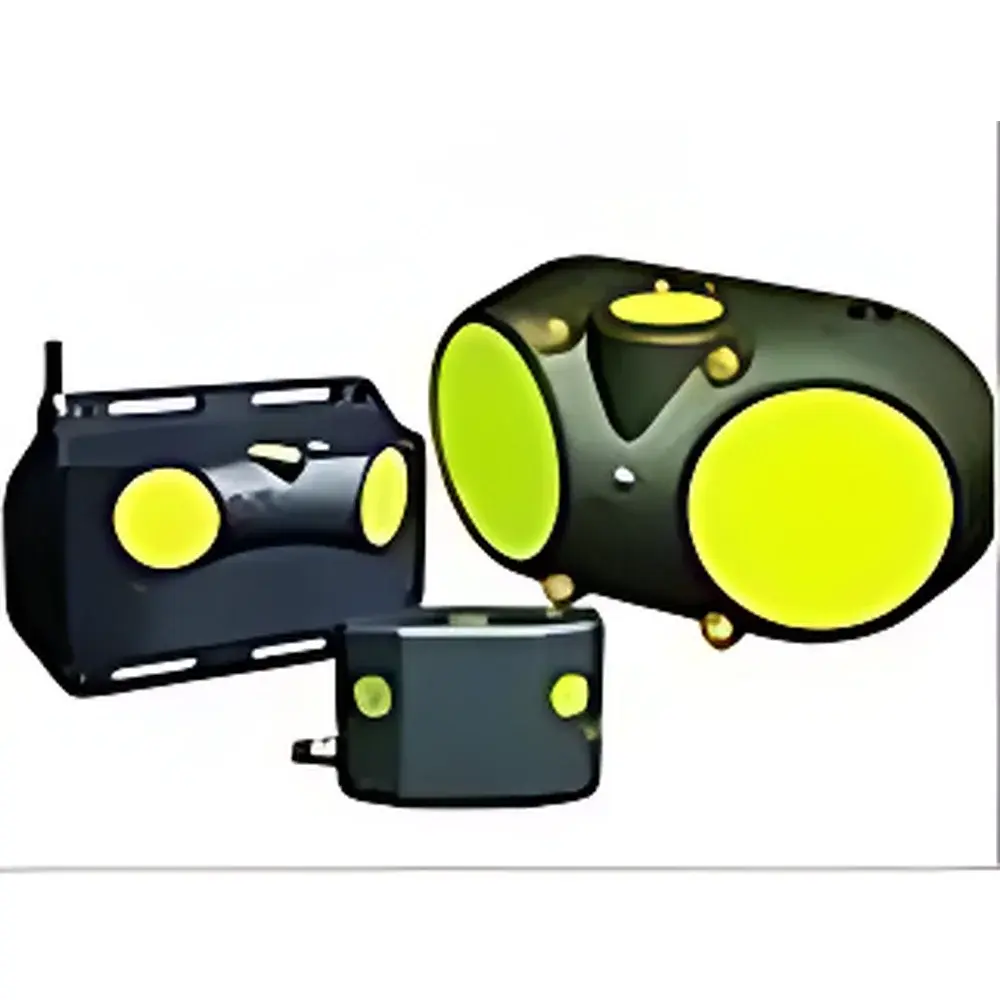
The SonTek Argonaut-SL is a rugged, fixed-deployment acoustic Doppler velocity profiler engineered for continuous, real-time measurement of two-dimensional horizontal velocity profiles and water level in open-channel flow applications. Utilizing broadband acoustic Doppler current profiling (ADCP) technology with dual slanted (25°) horizontal beams and a dedicated vertical-beam transducer, the Argonaut-SL delivers high-fidelity velocity data across user-defined depth layers—up to 10 equidistant cells—while simultaneously measuring water surface elevation via pressure-free acoustic ranging. This eliminates barometric drift and long-term sensor drift associated with traditional pressure-based level sensors. The instrument operates on the principle of Doppler shift detection in backscattered acoustic signals from suspended particles, enabling accurate, calibration-free velocity quantification independent of biofouling accumulation on transducer faces—a critical advantage for unattended, multi-month deployments in natural rivers, irrigation canals, and wastewater channels.
Key Features
- True dual-mode operation: Simultaneous horizontal velocity profiling and high-stability acoustic water level measurement (±0.003 m absolute accuracy)
- Ultra-narrow 1.4° horizontal beam width with >60 dB side lobe suppression—minimizes surface and bed reflection interference, maximizing effective horizontal profiling range in shallow or turbulent flows
- PowerPing™ adaptive sampling technology enhances signal-to-noise ratio and profiling reliability in low-scatter conditions without increasing power draw
- No field calibration required: Factory-calibrated transducers and embedded hydrodynamic algorithms ensure consistent metrological traceability across installations
- Integrated temperature sensor (±0.1°C) and robust thermal compensation for velocity and level outputs across –5°C to +60°C operational range
- Modular hardware architecture supports optional telemetry interfaces—including YSI ECONET satellite/radio, Modbus (MIM), RS-422 (cable runs up to 1500 m), and 4–20 mA analog outputs—for seamless integration into SCADA and telemetry networks
- Self-contained deployment capability with external battery pack (500 Wh option) enables long-term autonomous operation in remote locations
Sample Compatibility & Compliance
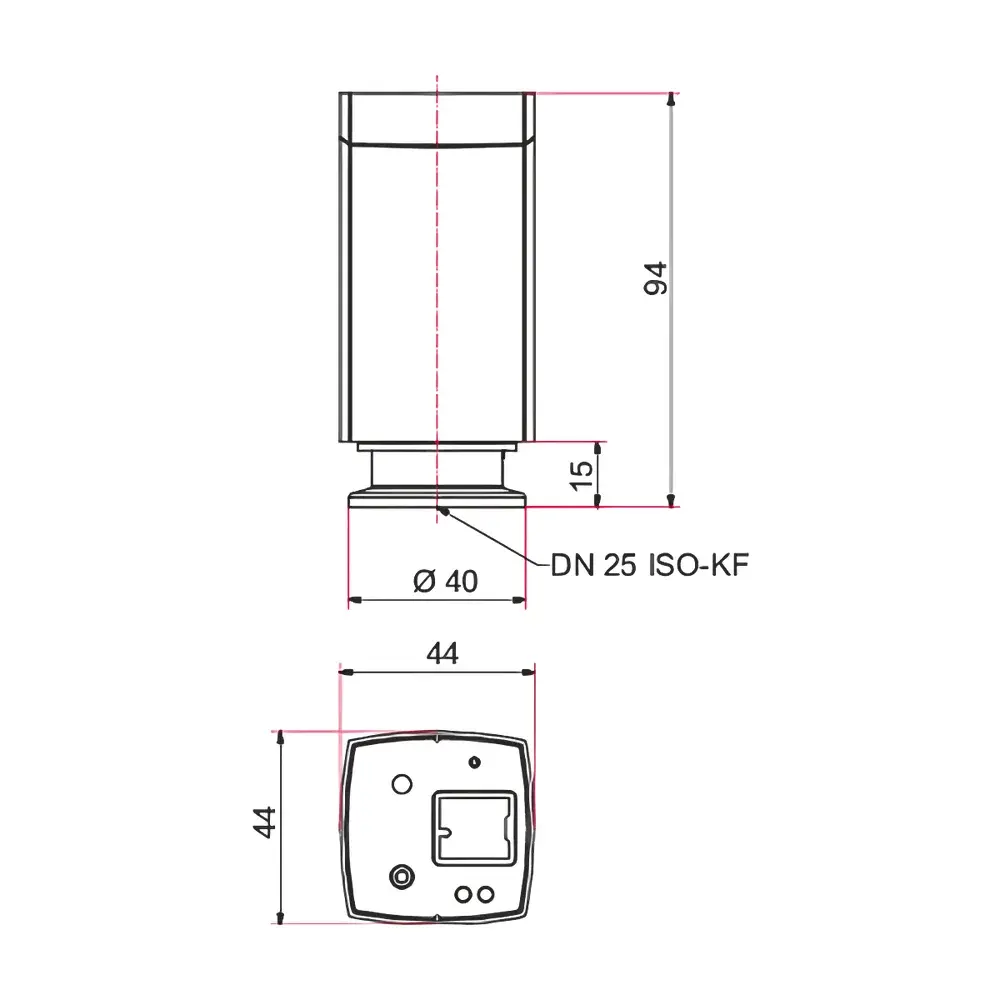
The Argonaut-SL is designed for permanent or semi-permanent installation on vertical structures including bridge piers, bank-mounted brackets, and intake/outfall walls. Its compact form factor (SL3000: 28 × 25 × 1 cm; SL1500: integrated mounting; SL500: 33.5 × 22.9 × 1.5 cm), low in-water weight (0.2–1.1 kg), and 30 m pressure rating allow flexible deployment in streams as narrow as 0.75 m (SL3000) or large rivers exceeding 120 m in width (SL500). The system complies with standard hydrometric practice per USGS Techniques and Methods Book 3, Chapter A22 and ISO 748:2022 (Measurement of liquid flow in open channels — Velocity-area method). Data integrity meets GLP-aligned audit requirements through timestamped, checksum-verified binary output and full metadata embedding (e.g., tilt, compass heading where equipped). While not inherently 21 CFR Part 11 compliant, FlowPack software supports electronic signature-ready workflows when deployed on validated IT infrastructure.
Software & Data Management
ViewArgonaut provides full instrument configuration, real-time monitoring, and post-processing of raw ADCP and water level datasets. It supports automated quality control flagging (e.g., signal strength thresholds, correlation checks), layer-specific velocity vector export (CSV, NetCDF), and customizable graphical reporting. FlowPack serves as the central platform for multi-site hydrologic analysis: it ingests time-series data from heterogeneous SonTek instruments (including RiverSurveyor, FlowTracker, and Argonaut variants), computes stage–area–discharge relationships using user-defined cross-section geometry, and fits rating curves via least-squares regression or hydraulic modeling integrations. All FlowPack projects maintain immutable audit trails—including parameter changes, manual edits, and version history—facilitating regulatory review and QA/QC documentation per ISO/IEC 17025 requirements. Internal 4 MB flash memory stores over 200,000 complete profile records; data retrieval is supported via direct USB, SDI-12 polling, or remote telemetry protocols.
Applications
- Continuous streamflow monitoring for USGS, NOAA, and national hydrological services
- Real-time flood forecasting and reservoir outflow control
- Wastewater treatment plant inflow/outflow accountability and regulatory reporting (e.g., EPA NPDES compliance)
- Irrigation district water allocation and loss detection
- Environmental flow assessment and ecological baseflow studies
- Hydropower intake optimization and sediment transport modeling support
- Urban stormwater infrastructure performance validation (CSO/SSO monitoring)
FAQ
Does the Argonaut-SL require periodic recalibration?
No. The instrument employs factory-traceable transducer calibration and physics-based signal processing. No field recalibration is needed under normal operating conditions.
Can it operate reliably in highly turbid or clear water?
Yes. PowerPing™ adaptively adjusts pulse length and coding to maintain profiling integrity across varying scatter conditions—from muddy rivers to clear alpine streams—without manual intervention.
Is the water level measurement affected by atmospheric pressure changes?
No. Acoustic water level sensing is intrinsically immune to barometric variation, unlike vented or unvented pressure transducers.
What is the minimum channel width suitable for SL3000 deployment?
The SL3000 variant is validated for reliable operation in channels as narrow as 0.75 m, provided the instrument is mounted perpendicular to flow and free of near-field obstructions.
How does the system handle aquatic growth on transducers?
Biofouling has negligible impact on acoustic transmission at the operating frequency (typically 2–6 MHz depending on model). Empirical validation shows sustained velocity accuracy within specification even after 6+ months of exposure in eutrophic environments.