
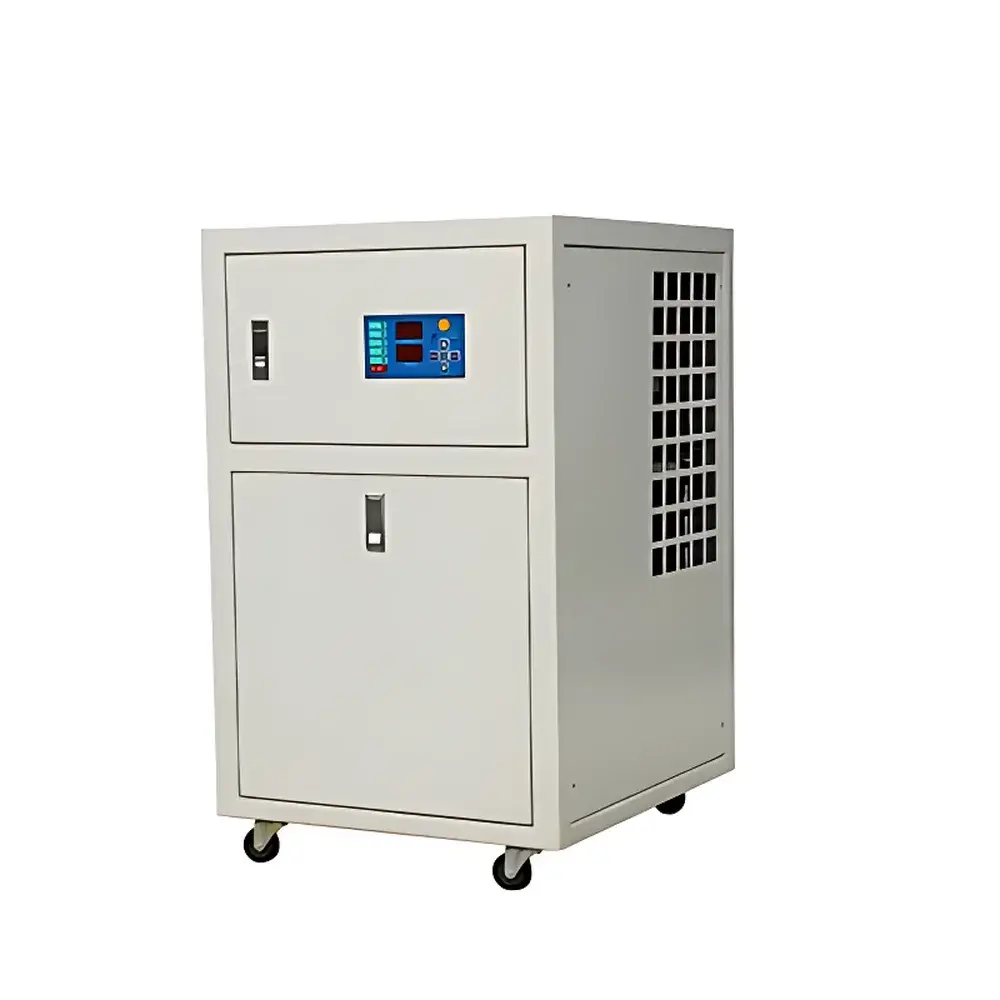
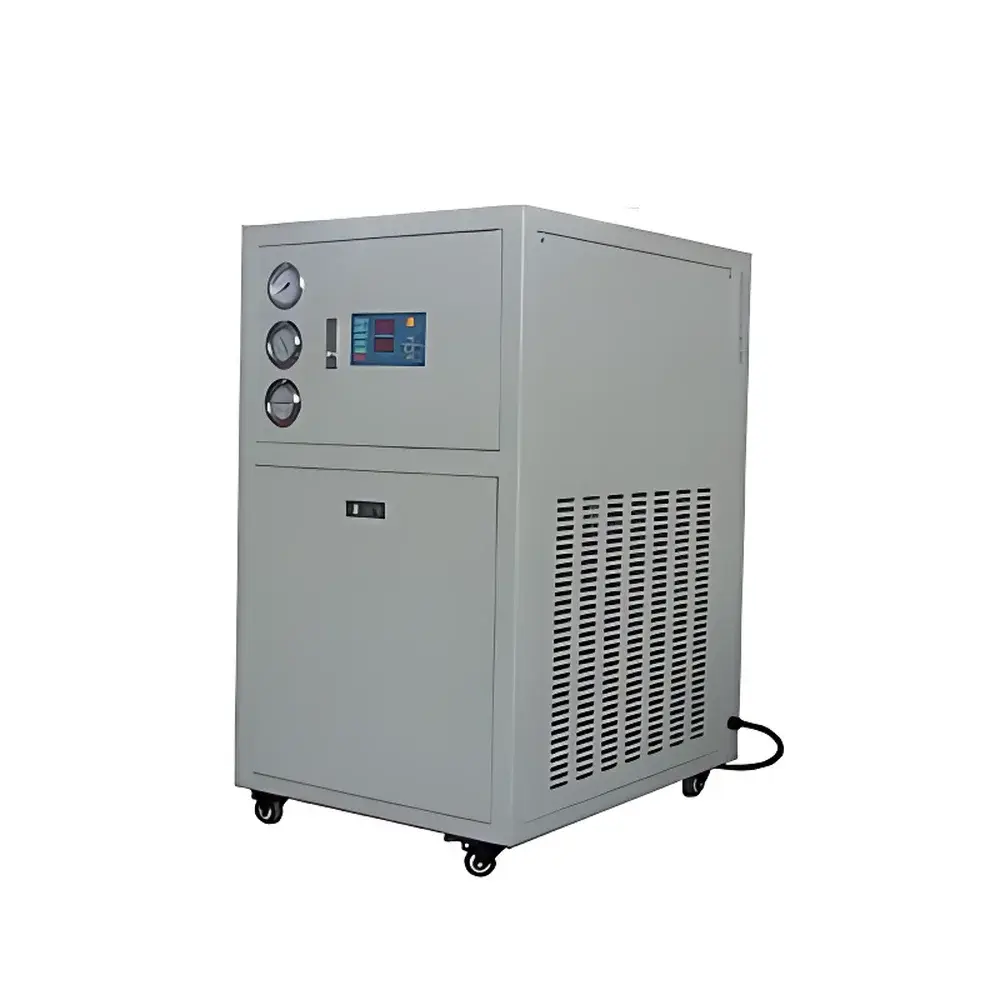
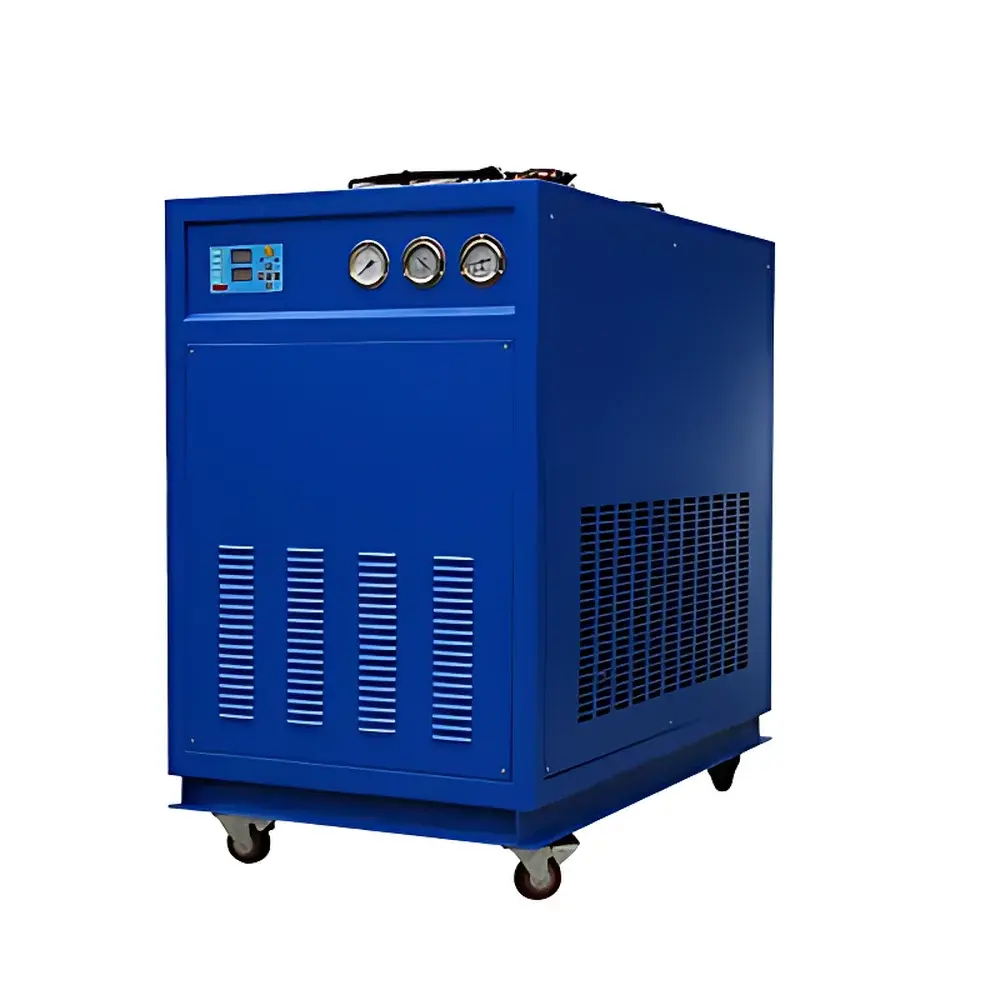
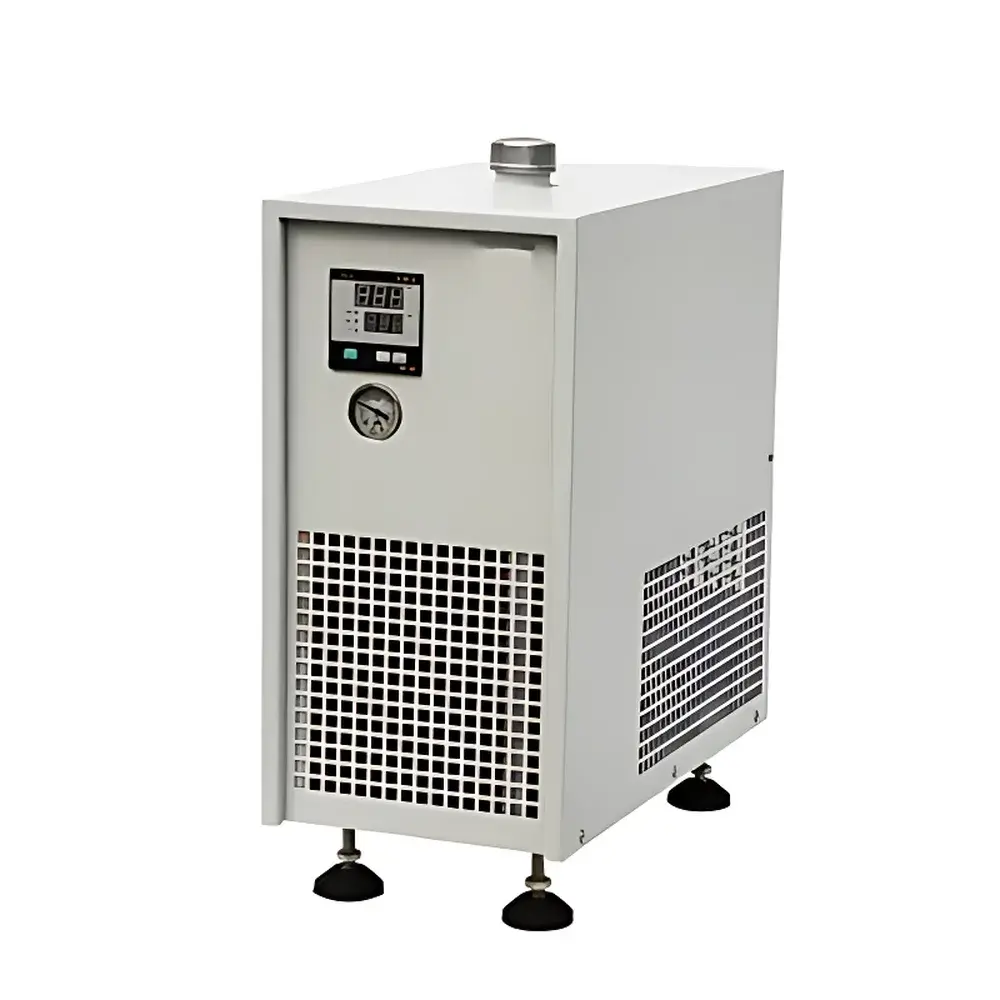
Tianfeng LS-1500W Industrial Low-Temperature Circulating Chiller
| Brand | Tianfeng |
|---|---|
| Origin | Shanghai, China |
| Manufacturer Type | Direct Manufacturer |
| Product Category | Domestic |
| Model | Tianfeng LS-1500W |
| Instrument Type | Integrated Unit |
| Cooling Method | Water-Cooled |
| Temperature Control Range | 0–10 °C |
| Refrigeration Capacity | 126 kW |
| Temperature Stability | ±0.1 °C |
| Circulating Pump Pressure | 2.0 bar |
| Circulating Pump Flow Rate | 2 L/min |
| Reservoir Volume | 200 L |
| Operation Mode | Continuous |
Overview
The Tianfeng LS-1500W Industrial Low-Temperature Circulating Chiller is a precision-engineered, water-cooled thermal management system designed for sustained, stable cooling of high-heat-load laboratory and industrial instrumentation. Operating on the vapor-compression refrigeration cycle with R22 refrigerant and a hermetic scroll compressor, it delivers consistent thermal regulation across demanding applications where temperature stability, flow reliability, and long-duration operation are critical. Its integrated architecture combines a 200 L insulated reservoir, dual-pump circulation (primary chiller pump + user-side pump interface), and a high-efficiency plate-type evaporator with a copper-tube/aluminum-fin condenser assembly assisted by low-noise external-rotor fans. Engineered for continuous-duty environments, the unit maintains setpoint accuracy within ±0.1 °C over the 0–10 °C range—making it suitable for sensitive analytical platforms requiring tight thermal control, including graphite furnace atomic absorption spectrometers (GFAAS), inductively coupled plasma optical emission spectrometers (ICP-OES), ICP-mass spectrometers (ICP-MS), X-ray fluorescence (XRF) and X-ray diffraction (XRD) systems, scanning and transmission electron microscopes (SEM/TEM), and high-power laser sources.
Key Features
- Hermetic scroll compressor (29.4 kW) delivering high volumetric efficiency and low mechanical vibration for extended service life
- Water-cooled condenser with copper-tube/aluminum-fin construction and 40,000 m³/h airflow capacity, enabling stable heat rejection in ambient temperatures up to 40 °C
- Dual-circuit pump configuration: primary chiller pump (2.2 kW, 16 m³/h @ 21 m head) and user-side pump interface (1.1 kW, 8 m³/h @ 25.5 m head), supporting flexible integration with external equipment
- 200 L stainless-steel reservoir with level monitoring, anti-corrosion coating, and insulated lid to minimize thermal drift and evaporation loss
- Comprehensive safety protection suite: compressor discharge overtemperature, high/low pressure cutoffs, phase sequence and phase loss detection, motor overcurrent protection, and reservoir overtemperature interlock
- PID-based digital temperature controller with real-time display, programmable setpoints, and analog output for external SCADA or PLC interfacing
Sample Compatibility & Compliance
The LS-1500W is compatible with standard deionized water, water-glycol mixtures (up to 30% v/v), and other non-corrosive heat-transfer fluids meeting ASTM D1384 and ISO 2107 specifications. Its fluid path components—including stainless-steel reservoir, EPDM seals, and brass/copper wetted parts—are chemically resistant to common laboratory coolants. The unit complies with IEC 61000-6-2 (immunity) and IEC 61000-6-4 (emission) electromagnetic compatibility standards. Electrical design conforms to IEC 60204-1 for industrial machinery safety. While not certified to UL 61010-1 or CE Machinery Directive out-of-the-box, it supports full documentation packages (including risk assessment, wiring schematics, and component declarations) required for third-party conformity assessment under FDA 21 CFR Part 11–aligned lab environments operating under GLP or GMP frameworks.
Software & Data Management
The chiller operates via an embedded microcontroller with local HMI (backlit LCD + membrane keypad). No proprietary PC software is bundled; however, the unit provides 0–10 V analog output and Modbus RTU (RS-485) communication protocol support for integration into centralized facility monitoring systems (e.g., LabVantage, Siemens Desigo, or custom SCADA). All operational parameters—including actual/reserved temperature, pump status, compressor run time, alarm history (with timestamps), and fault codes—are locally logged with 30-day circular memory. Audit-trail functionality meets baseline requirements for traceability in regulated laboratories when paired with external data acquisition systems compliant with 21 CFR Part 11 Annex 11 principles.
Applications
- Cooling of high-power CO₂ and fiber lasers (≥5 kW) in materials processing and micromachining stations
- Thermal stabilization of vacuum chambers, RF generators, and magnetron power supplies in thin-film deposition systems
- Continuous heat removal from X-ray tubes in XRF and XRD diffractometers, preventing thermal lensing and detector drift
- Temperature-controlled circulation for graphite furnace atomizers and plasma torches in elemental analysis workflows
- Supporting cryo-preparation stages in electron microscopy sample preparation workflows (e.g., plunge freezing rigs)
- Secondary cooling loop for ultra-low-temperature freezers or cascade refrigeration stages in multi-zone environmental chambers
FAQ
What is the minimum allowable inlet water temperature for the condenser circuit?
The unit requires a maximum condenser inlet water temperature of 32 °C at rated load; lower temperatures improve COP but must remain above 10 °C to prevent condensate freezing in the water-cooled heat exchanger.
Can this chiller operate with ethylene glycol solutions?
Yes—up to 30% v/v ethylene glycol in deionized water is permitted; viscosity increase must be compensated by adjusting pump differential pressure settings per manufacturer’s hydraulic curve charts.
Is remote monitoring possible without additional hardware?
Modbus RTU communication is built-in; only a standard RS-485-to-USB or RS-485-to-Ethernet gateway is required for connection to supervisory systems.
What maintenance intervals are recommended for continuous 24/7 operation?
Compressor oil and filter-drier replacement every 12 months or 8,000 operating hours; condenser coil cleaning every 6 months in dusty environments; annual calibration verification of temperature sensor and pressure transducers.
Does the unit include freeze protection logic?
Yes—the controller monitors reservoir temperature and automatically disables the compressor if sensed temperature falls below 2 °C, while maintaining circulation to prevent localized freezing.



