
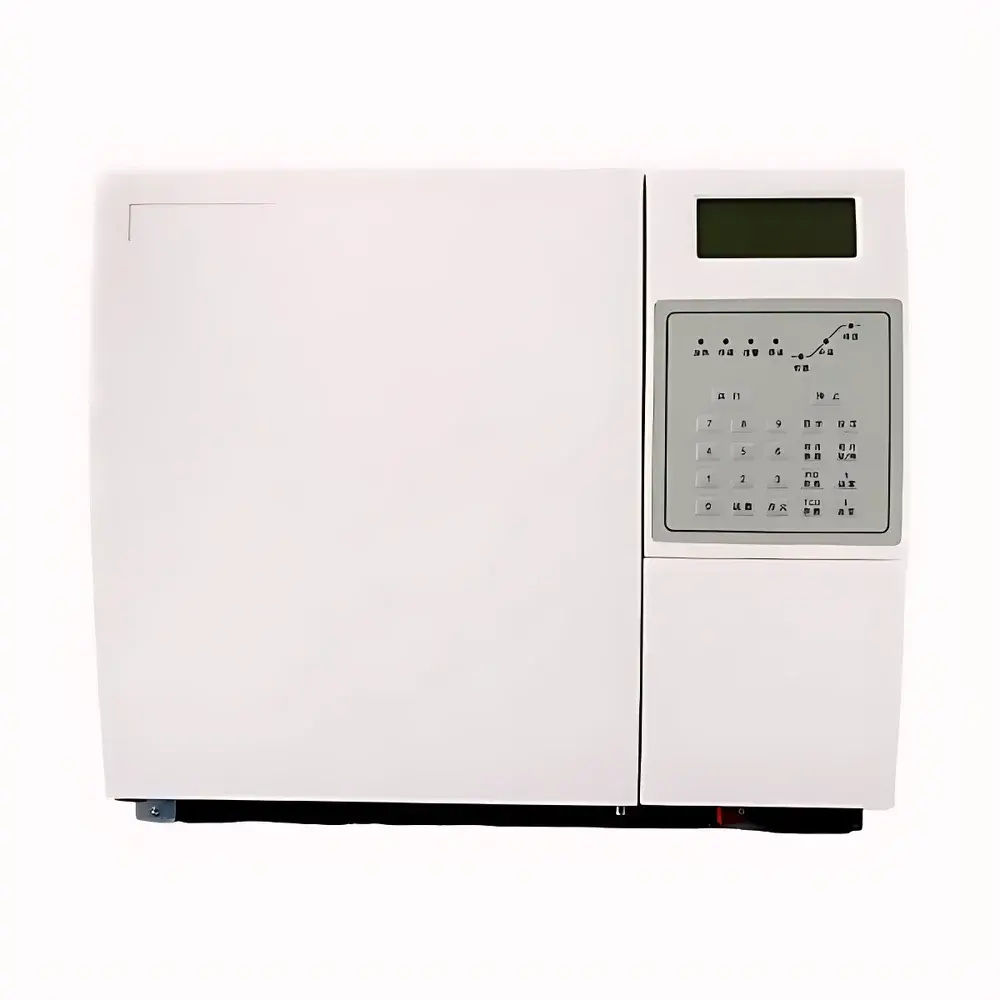
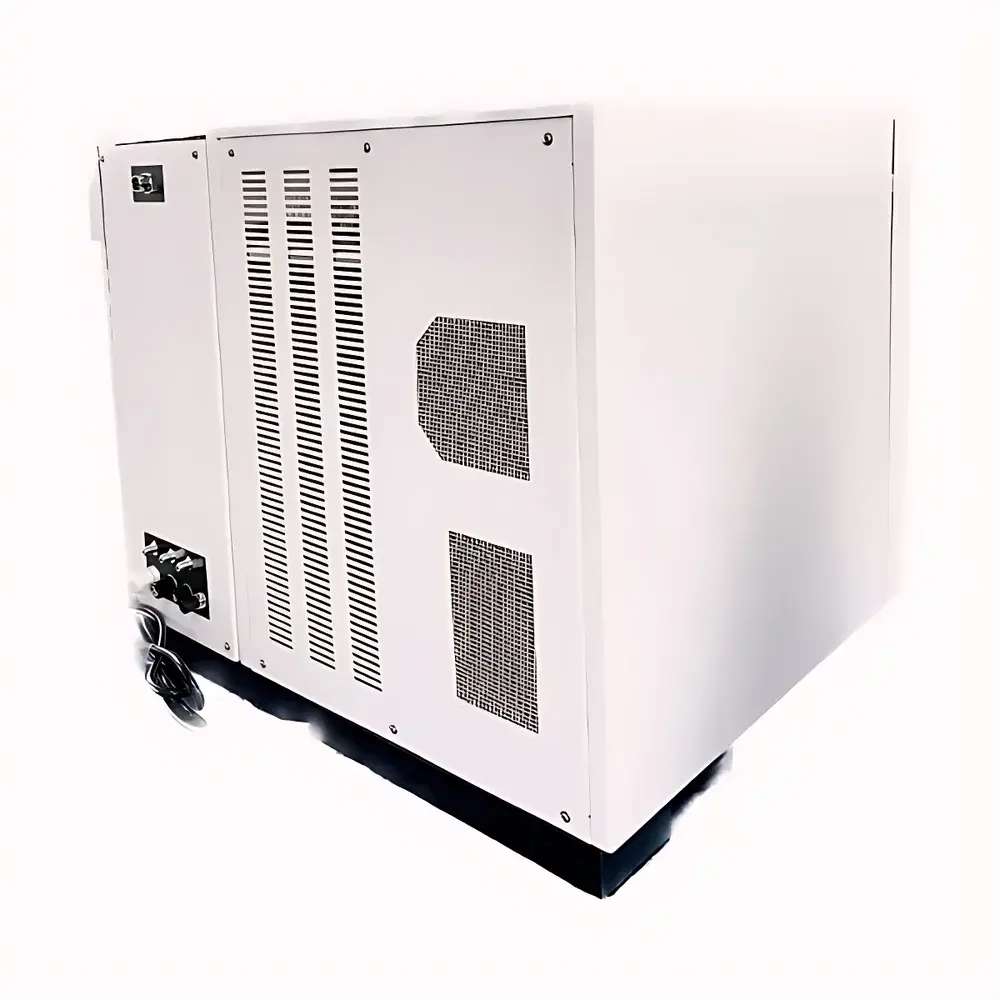
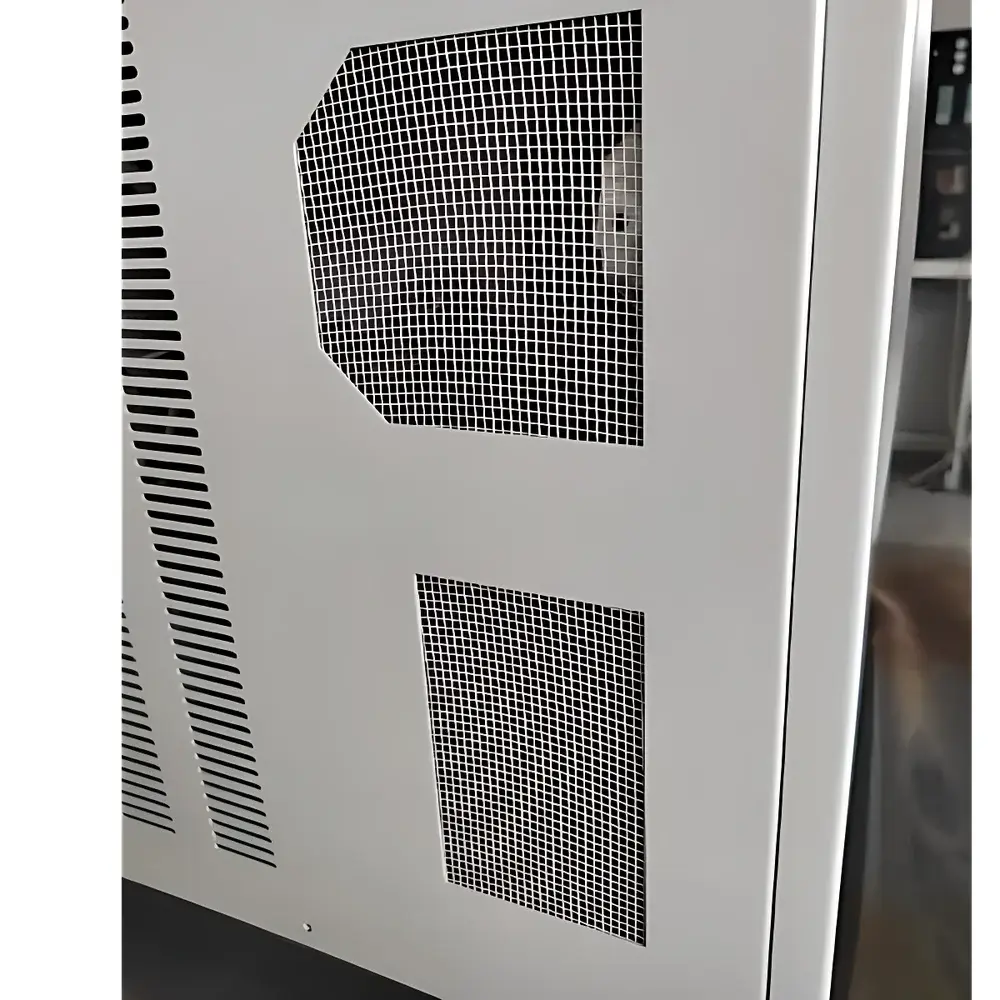
Jinpu GC-2011 Online Gas Chromatograph for Pharmaceutical, Chemical & Pesticide Analysis
| Brand | Jinpu |
|---|---|
| Origin | Shandong, China |
| Manufacturer Type | Authorized Distributor |
| Instrument Type | Online Gas Chromatograph |
| Model | GC-2011 |
| Detection Modes | FID & TCD |
| Column Compatibility | Packed Columns & Capillary Columns (Split/Splitless) |
| Oven Temperature Range | Ambient +8°C to 420°C |
| Temperature Control Accuracy | ±0.1°C (≤200°C), ±0.2°C (>200°C) |
| Programmable Ramp Stages | 8-step linear ramp |
| Ramp Rate | 0.1–30.0°C/min (0.1°C increments) |
| Detector Operating Temperatures | Up to 420°C |
| Injector Max Temp | 420°C |
| Carrier Gas Control | Digital pressure/flow regulation (N₂, H₂, He) |
| Power Supply | AC 220 V ±10%, 50 Hz, ~2 kW |
| Dimensions (W×D×H) | 540 × 455 × 465 mm |
| Weight | 50 kg |
Overview
The Jinpu GC-2011 is a robust, microprocessor-controlled online gas chromatograph engineered for routine and regulatory-compliant analysis in pharmaceutical quality control, agrochemical residue testing, fine chemical synthesis monitoring, and environmental screening. It operates on the fundamental principle of gas-solid or gas-liquid partition chromatography, where volatile and semi-volatile analytes are separated based on differential partitioning between a mobile phase (inert carrier gas) and a stationary phase (coated capillary or packed column). The instrument features dual detection capability—flame ionization detection (FID) for hydrocarbon-rich matrices and thermal conductivity detection (TCD) for universal, non-destructive quantification—enabling method flexibility across GMP, GLP, and ISO/IEC 17025 workflows. Its architecture supports continuous operation in process-integrated environments, with integrated safety logic for carrier gas failure, overtemperature events, and power fluctuation mitigation.
Key Features
- Eight-stage linear programmable temperature ramping with 0.1°C resolution and precision thermal control (±0.1°C ≤200°C; ±0.2°C >200°C) across oven, injector, and detector zones.
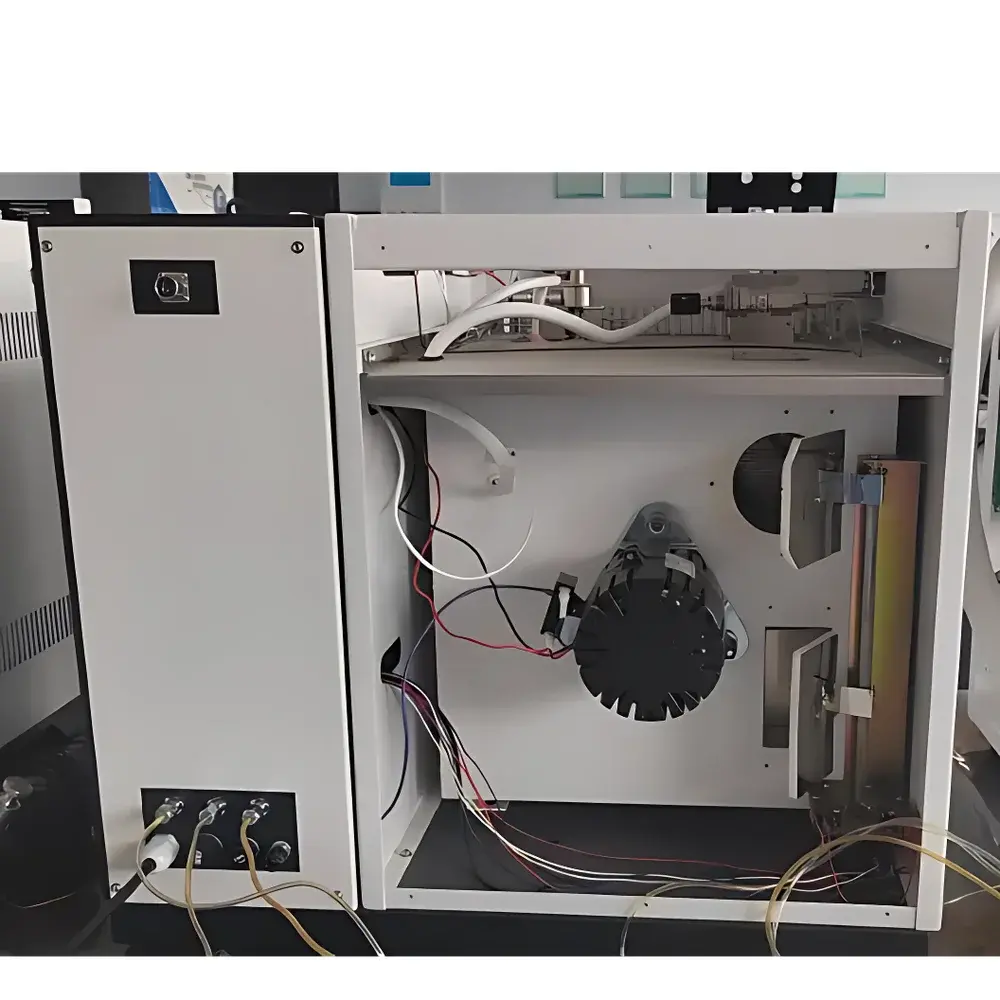
- Dual independent inlet systems: a packed-column vaporizer port optimized for TCD operation and a dedicated split/splitless capillary inlet with electronic pressure control (EPC) and tail-purge functionality.
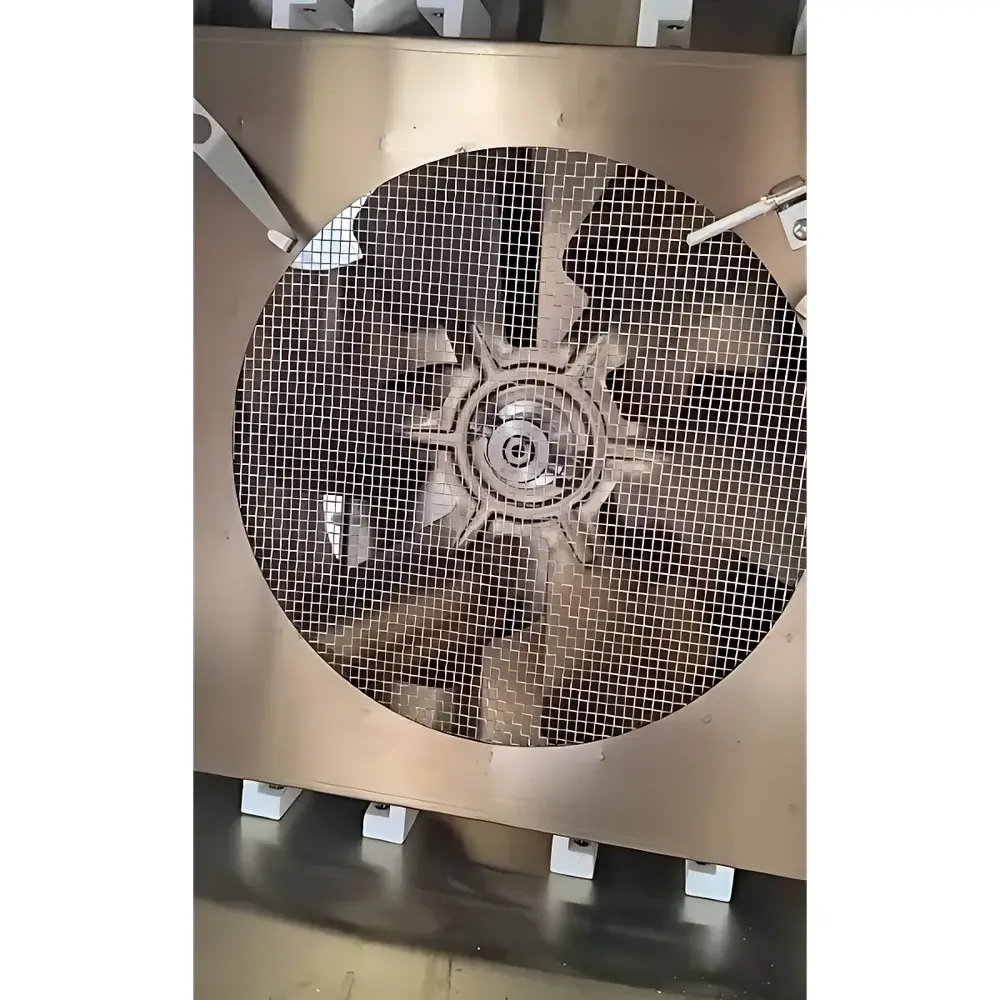
- Intelligent back-door cooling system with variable-frequency motor drive, enabling rapid oven cooldown to near-ambient conditions—critical for high-throughput labs and method transfer consistency.
- Real-time self-diagnostic firmware with Chinese-language LCD interface (320×240 pixel), providing immediate fault identification (e.g., “Carrier Gas Pressure Low”, “Oven Overtemperature”) and event logging.
- Digital zero-baseline stabilization for TCD and FID, eliminating mechanical potentiometer drift and ensuring long-term baseline stability (<0.02 mV noise, <0.15 mV/h drift).
- Comprehensive hardware safeguards: automatic flame-out detection and re-ignition for FID; tungsten-rhenium filament protection logic for TCD; brownout-resistant power management.
Sample Compatibility & Compliance
The GC-2011 accommodates diverse sample introduction formats—including liquid injection (via syringe or autosampler interface), headspace vials, and gas-tight loop sampling—making it suitable for residual solvent analysis (ICH Q3C), pesticide multiresidue screening (AOAC 2007.01, EPA Method 8081B), and volatile organic compound (VOC) profiling per ISO 16000-6. Its column compartment supports both narrow-bore (0.1–0.32 mm ID) and wide-bore (0.53 mm ID) fused-silica capillaries, as well as stainless-steel or glass packed columns (2–4 mm ID). All thermal zones meet ASTM E1995-22 requirements for chromatographic oven performance verification. While not pre-certified for FDA 21 CFR Part 11, the system’s audit-trail-capable firmware and parameter lockout functions support validation under GxP frameworks when deployed with compliant data acquisition software.
Software & Data Management
The GC-2011 operates standalone via front-panel controls or integrates with third-party chromatography data systems (CDS) via RS-232 or optional USB-to-serial interface. Raw signal output is analog (1 V full-scale) and compatible with legacy integrators or modern CDS platforms such as Chromeleon, OpenLAB CDS, or Empower. Method files—including temperature programs, detector settings, and calibration tables—are stored internally with battery-backed memory and survive power loss. All operational parameters (oven temp, ramp rate, detector bias, gas flows) are timestamped and logged to internal non-volatile memory, supporting traceability for ISO/IEC 17025 clause 7.7 and USP analytical instrument qualification.
Applications
- Pharmaceuticals: Residual solvent quantification in APIs (e.g., acetone, dichloromethane, methanol) per ICH Q3C guidelines.
- Agrochemicals: Multi-residue analysis of organophosphates, organochlorines, and pyrethroids in food commodities and soil extracts.
- Chemical Manufacturing: Reaction monitoring of esterification, halogenation, or oxidation processes; purity assessment of monomers and intermediates.
- Environmental Labs: VOC analysis in drinking water (EPA 524.4), landfill leachate (EPA 8260D), and indoor air (ISO 16000-6).
- Forensics & Public Health: Toxicology screening (ethanol, BAC), accelerant identification in arson investigations, and disinfection by-product profiling.
FAQ
Is the GC-2011 compliant with FDA 21 CFR Part 11?
The instrument itself does not include embedded electronic signature or audit trail functionality required for Part 11 compliance; however, when paired with validated CDS software and procedural controls (e.g., user access tiers, electronic signatures), it can be qualified for regulated environments.
Can it accommodate both packed and capillary columns simultaneously?
Yes—the dual-inlet design allows concurrent use of a packed-column injector (for TCD) and a dedicated capillary inlet (for FID), enabling parallel method development without hardware reconfiguration.
What carrier gases are supported?
Nitrogen, hydrogen, and helium are fully supported; digital pressure/flow controllers enable precise optimization of linear velocity and resolution for each gas type.
Does the system support unattended overnight operation?
Yes—integrated power-failure recovery, auto-restart after overtemperature shutdown, and stable baseline electronics make it suitable for extended batch runs typical in QC laboratories.
Is technical documentation available in English?
Full English-language operating manual, maintenance guide, and specification sheet are provided upon purchase, including wiring diagrams, detector alignment procedures, and calibration protocols.
Related Products





