
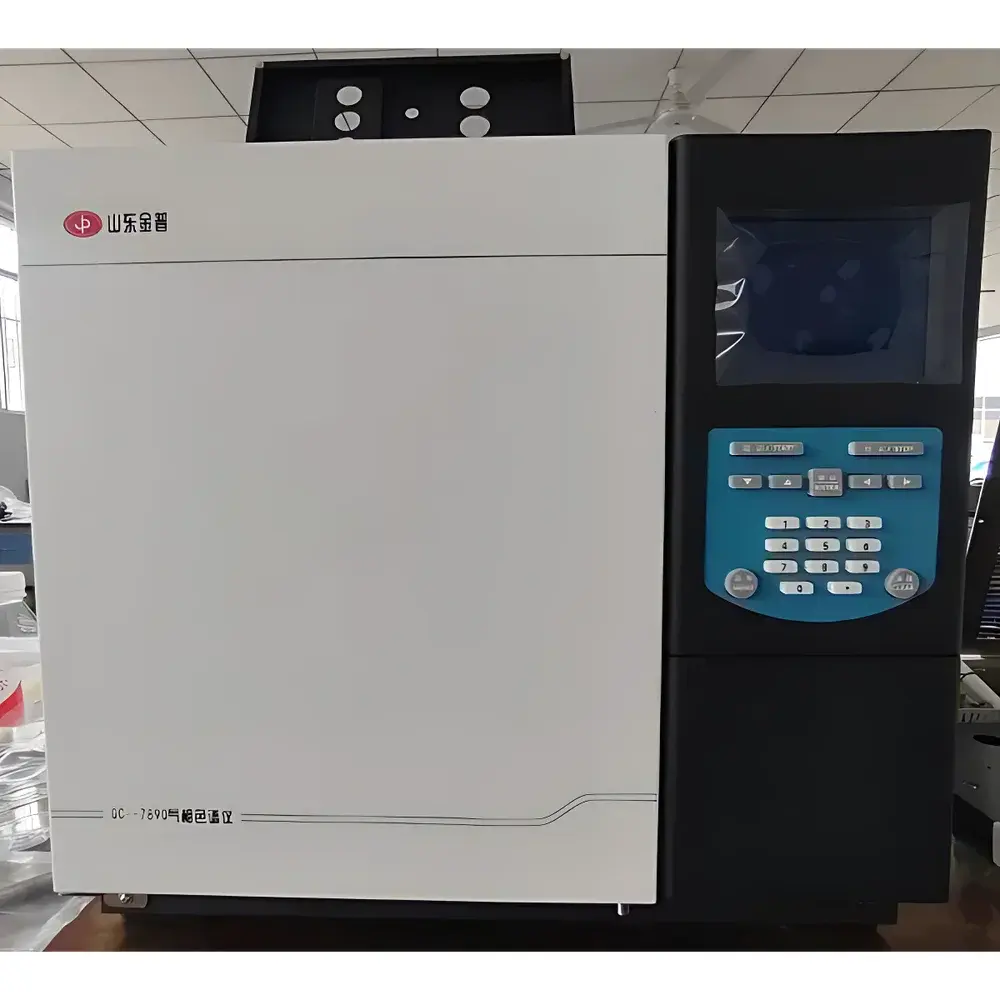
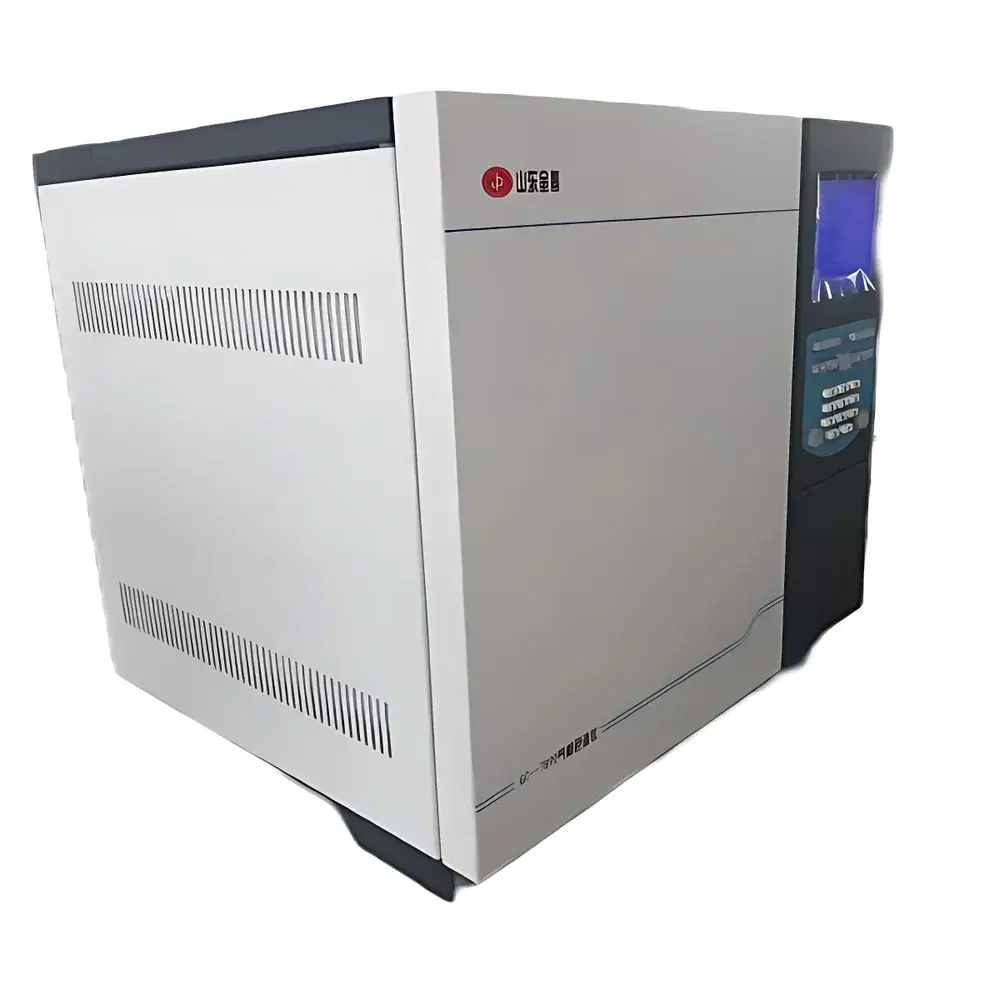
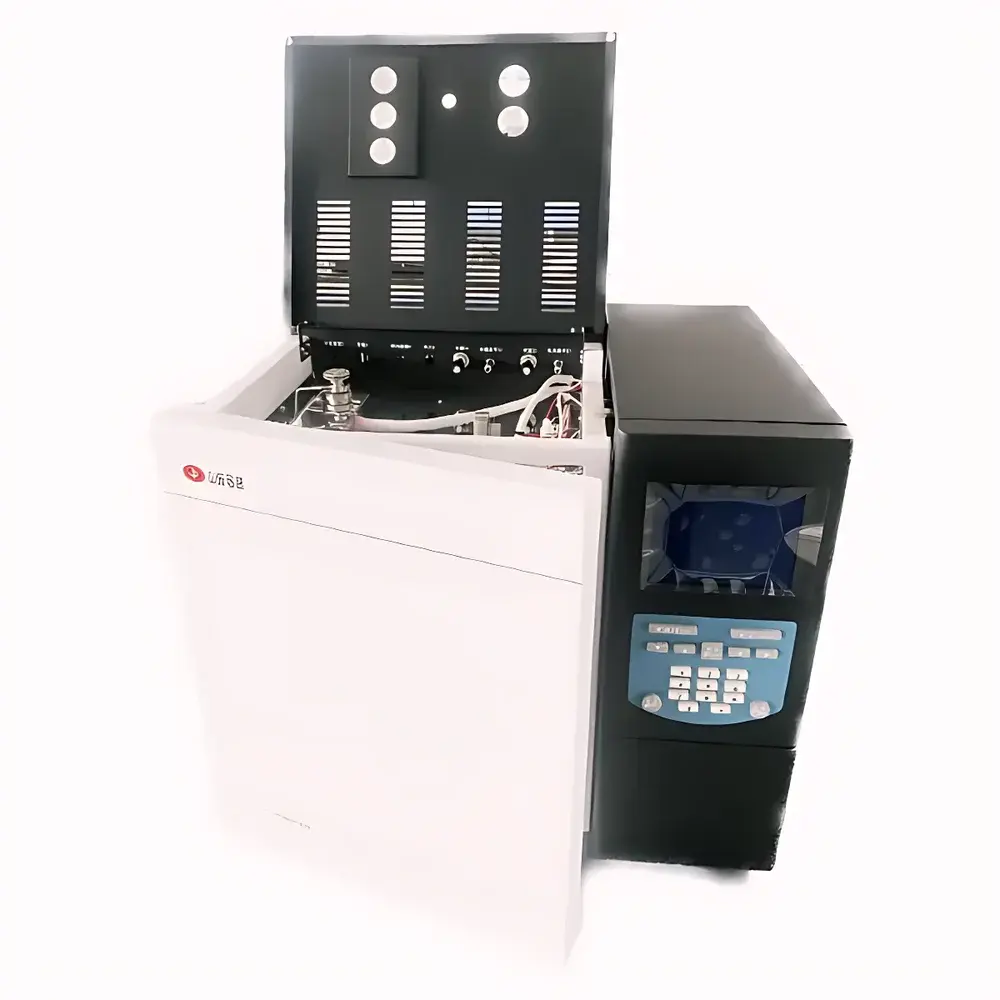
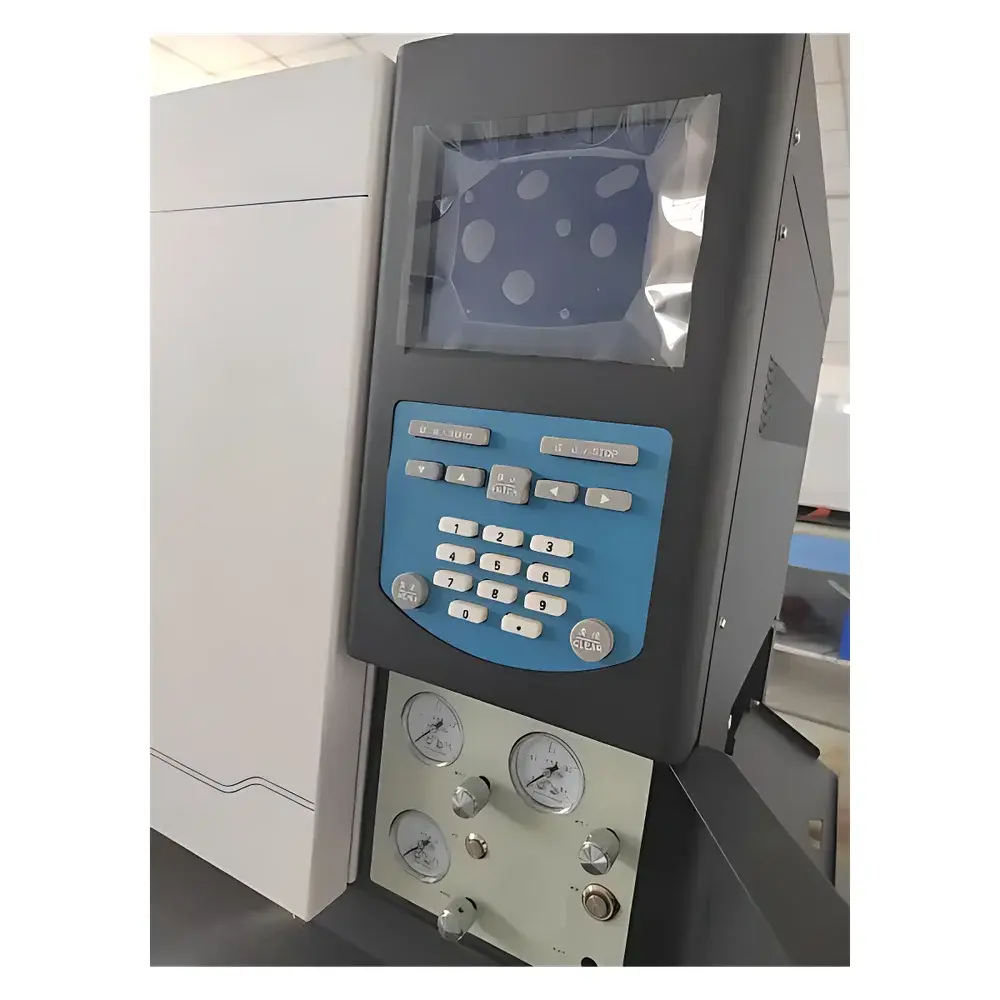
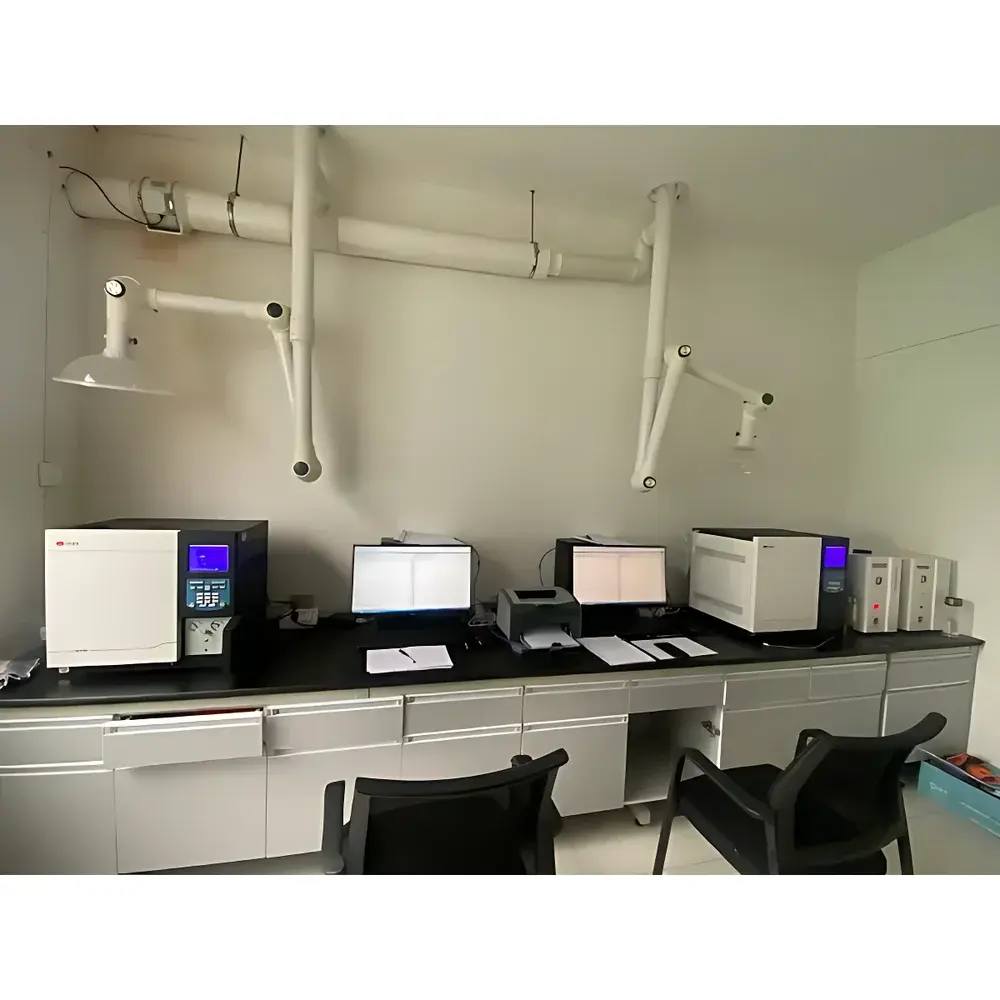
Golden Promise GC-7890 Online Gas Chromatograph for Methanol Plant Process Analysis
| [Brand | Golden Promise |
|---|---|
| Origin | Shandong, China |
| Model | GC-7890 |
| Instrument Type | Online Gas Chromatograph |
| Application Field | General-Purpose Industrial Process Analysis |
| Temperature Control Range | 5 °C to 450 °C |
| Oven Temperature Stability | ±0.1 °C (≤200 °C), ±0.2 °C (>200 °C) |
| Ramp Rate | 1–30 °C/min |
| Cooling Rate | Variable, enabled by intelligent back-door temperature modulation |
| Carrier Gas Flow Control | Digital mass flow control (MFC) compatible with He, H₂, N₂ |
| Carrier Gas Pressure Control | Electronic pressure control (EPC) with 0–1000 kPa range |
| Injector Max Operating Temperature | 450 °C |
| Injector Pressure Setting Range | 0–1000 kPa |
| Total Injector Flow Setting Range | 0–200 mL/min |
| Detectors | FID (MDL ≤1×10⁻¹¹ g/s benzene), TCD (Sensitivity ≥3000 mV·mL/mg benzene), optional ECD/FPD/NPD support |
| Column Compatibility | Dual packed-column inlets + dedicated split/splitless capillary inlet with makeup gas and tail-purge capability |
| Thermal Programming | 5-step programmable ramping |
| Safety Features | Power-fail memory, overtemperature cutoff, carrier gas failure protection, real-time fault diagnostics] |
Overview
The Golden Promise GC-7890 Online Gas Chromatograph is an industrial-grade, continuously operating analytical platform engineered for real-time compositional monitoring in large-scale chemical production environments—specifically validated for integration into 600,000-ton-per-year methanol synthesis plants. Based on classical gas chromatographic separation principles, the system separates volatile and semi-volatile organic compounds via differential partitioning between a mobile gas phase (carrier gas) and a stationary liquid or polymer phase coated inside fused-silica capillary or packed columns. Detection relies on dual complementary detectors—flame ionization (FID) for hydrocarbon quantification and thermal conductivity (TCD) for permanent gases and light compounds—including CO, CO₂, H₂, CH₄, and methanol derivatives. The instrument’s architecture supports continuous unattended operation under ambient plant conditions (5–45 °C ambient), with robust oven temperature control and rapid thermal cycling enabled by variable-frequency rear-door modulation. Its design adheres to fundamental chromatographic performance criteria defined in ASTM D3606, ISO 6416, and IEC 61000-4 electromagnetic compatibility standards.
Key Features
- Industrial-grade online configuration with integrated sample conditioning, auto-calibration loops, and 24/7 remote operability via Ethernet or RS-485 Modbus RTU
- Dual independent detector bays supporting simultaneous FID and TCD operation; modular expansion path for ECD, FPD, or NPD without hardware retrofit
- Five-stage programmable temperature ramping with sub-minute hold precision and tracking oven升温 logic to minimize column thermal shock and extend column lifetime
- Dedicated capillary inlet with electronic pressure control (EPC), split/splitless mode selection, and active tail-purge gas management for optimal peak shape and sensitivity
- Two parallel packed-column inlets with independent temperature and flow control—optimized for syngas, purge gas, and catalyst bed effluent analysis
- Intelligent cooling system achieving <3 min cooldown from 420 °C to 50 °C, enabling rapid method switching and high-throughput routine analysis
- Embedded microprocessor with non-volatile memory preserving all method parameters, calibration tables, and event logs after power interruption
- Comprehensive safety interlocks: carrier gas failure detection (TCD filament protection), overtemperature shutdown (per-zone monitoring), and real-time diagnostic alerts with plain-text English error codes
Sample Compatibility & Compliance
The GC-7890 accommodates gaseous, liquefied, and vaporized liquid samples across petrochemical, coal-to-chemicals, and environmental applications. It routinely analyzes syngas mixtures (H₂, CO, CO₂, CH₄, N₂), crude methanol (MeOH, H₂O, ethanol, acetone, methyl formate), and off-gas streams containing trace impurities (e.g., sulfur compounds, chlorides, ammonia). Sample introduction is compatible with standard 1/8″ or 1/4″ stainless-steel tubing, Swagelok fittings, and heated transfer lines up to 200 °C. All wetted materials conform to ASTM A269 TP316L specifications. The system meets CE marking requirements for industrial instrumentation (2014/30/EU EMC Directive, 2014/35/EU LVD), and its firmware architecture supports audit trail generation and user access control per FDA 21 CFR Part 11 Annex 11 guidelines when deployed in GMP-regulated environments.
Software & Data Management
Control and data acquisition are managed through GC-Studio v3.x, a Windows-based application supporting method development, sequence scheduling, peak integration (with baseline correction and retention time locking), and report generation compliant with ISO/IEC 17025 documentation requirements. Raw chromatograms and processed results are stored in vendor-neutral .CDF format (NetCDF 4.0 compliant), ensuring long-term readability and third-party software interoperability (e.g., OpenLab CDS, Chromeleon). Audit trails record all parameter changes, calibration events, and user logins with timestamps and operator IDs. Optional OPC UA server module enables seamless integration into DCS/SCADA systems (e.g., Siemens Desigo, Honeywell Experion) for automated alarm forwarding and setpoint synchronization.
Applications
- Real-time monitoring of synthesis gas composition pre- and post-conversion reactors in low-pressure methanol synthesis loops
- Quantitative analysis of methanol product purity per GB/T 338–2021 and ASTM D1319 specifications
- Catalyst deactivation tracking via periodic analysis of carbonyl compounds and heavy ends in recycle streams
- Environmental compliance testing of stack emissions (VOCs, formaldehyde, benzene series) per EPA Method 18 and ISO 16017-1
- Quality assurance of hydrogen feedstock purity (O₂, CO, CO₂, H₂O content) in PSA unit bypass lines
- Research-grade method development for novel Fischer–Tropsch or oxidative coupling applications in university laboratories
FAQ
Is the GC-7890 certified for hazardous area installation?
It is rated for Zone 2/Class I Div 2 environments when equipped with optional ATEX/IECEx-certified explosion-proof enclosures (model suffix -EX). Standard configuration is suitable for non-hazardous control rooms or analyzer shelters with positive ventilation.
Can it interface directly with a DCS using analog signals?
Yes—4–20 mA current loop outputs are available for up to six user-defined concentration channels (e.g., CH₃OH %v/v, CO ppm), configurable via front-panel menu or software.
What maintenance intervals are recommended for continuous operation?
FID jet cleaning every 3 months; TCD filament inspection every 6 months; carrier gas filter replacement every 12 months; full system performance verification annually per ASTM D3606 protocol.
Does the system support remote firmware updates and cybersecurity hardening?
Firmware updates are delivered via signed .bin files over HTTPS; network security features include TLS 1.2 encryption, role-based access control (RBAC), and disabled default credentials out-of-the-box.
Are validation documents (IQ/OQ/PQ protocols) provided?
Standard delivery includes Factory Acceptance Test (FAT) report and electronic copies of IQ/OQ templates aligned with ASTM E2500 and EU GMP Annex 15. PQ execution support is available as a professional service.






