
Crystal C175 CO₂ Incubator
| Brand | Shanghai Shiping |
|---|---|
| Origin | Shanghai, China |
| Manufacturer Type | Direct Manufacturer |
| Instrument Type | Air-Jacketed CO₂ Incubator |
| CO₂ Sensing Method | Gas-Phase Infrared Detection |
| Temperature Range & Accuracy | RT+3°C to 60°C, ±0.1°C |
| Temperature Uniformity | ±0.3°C (at 37°C) |
| CO₂ Concentration Range & Accuracy | 0–20%, ±0.1% |
| Humidity Control | ≥95% RH (via water-jacketed humidification) |
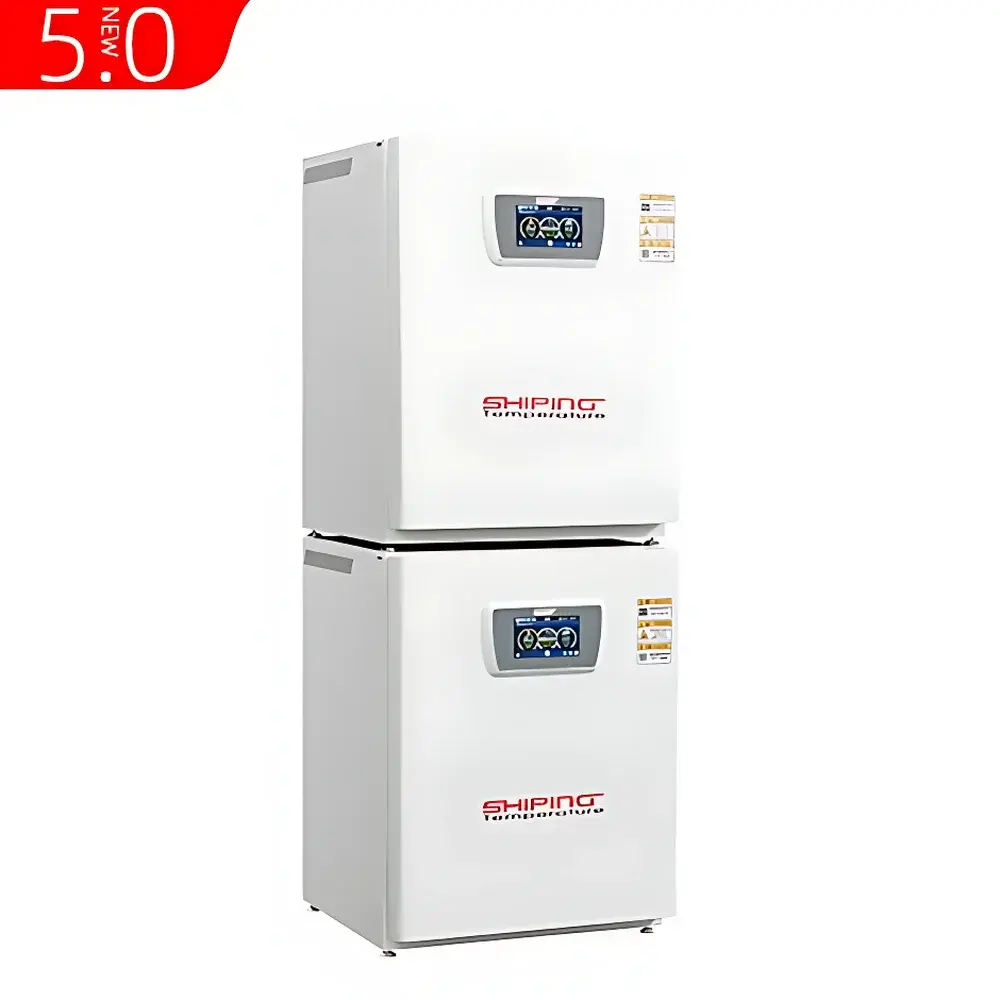
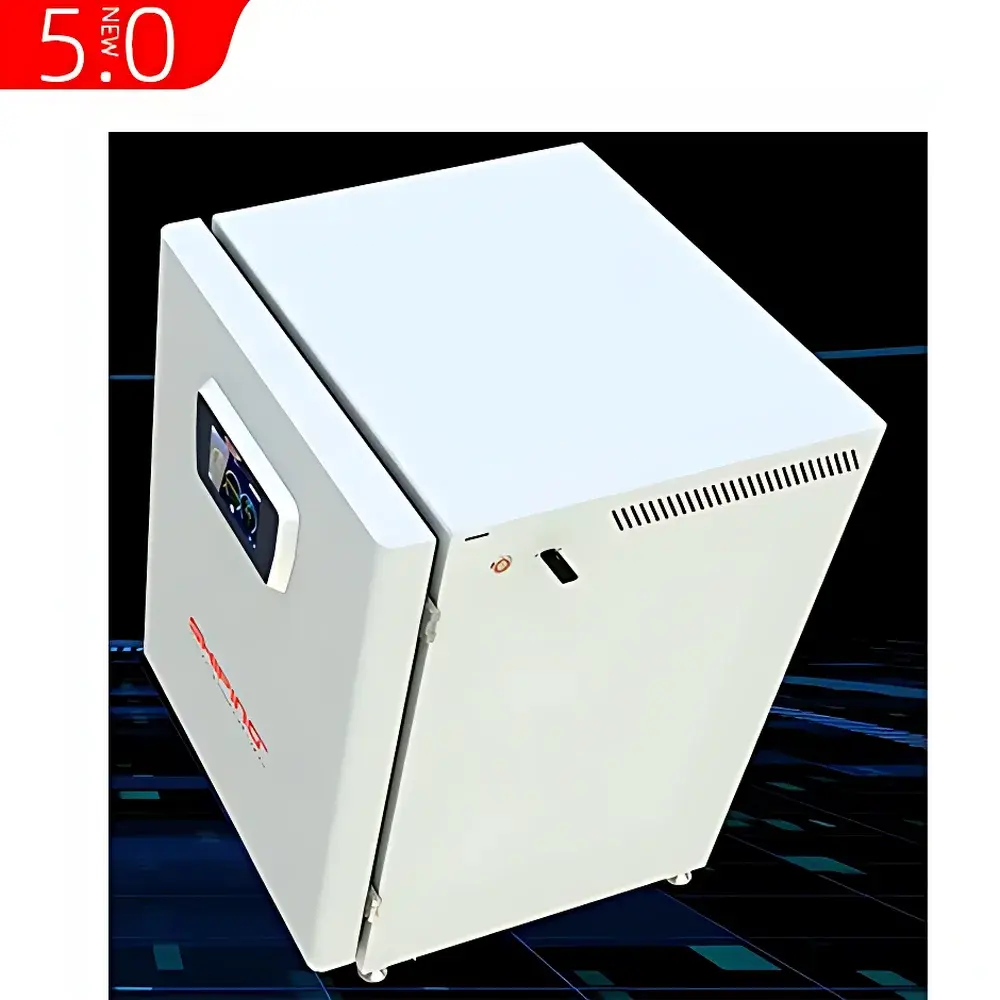
| Chamber Volume | 175 L |
| External Dimensions (W×D×H) | 680 × 685 × 900 mm |
| Sterilization Mode | 90°C High-Temperature Humid Heat Cycle |
| Compliance | ISO 9001 Certified Manufacturing |
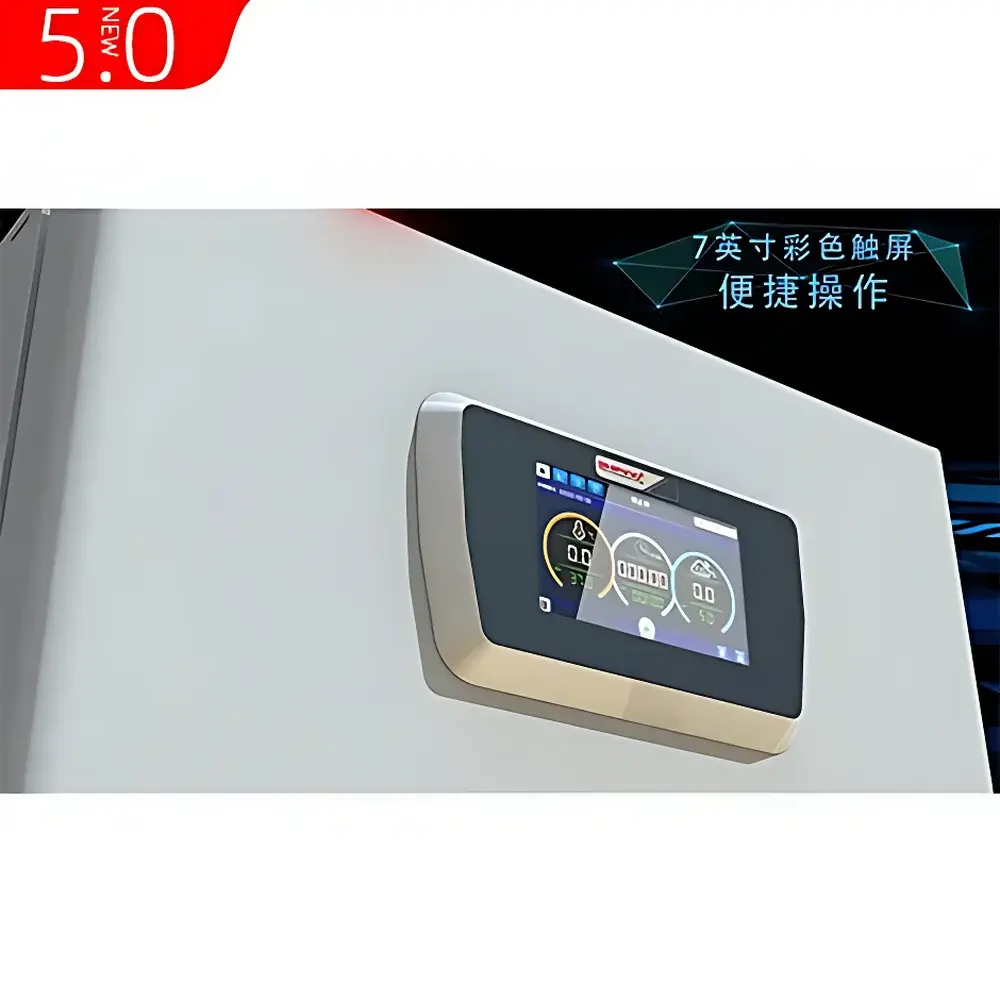
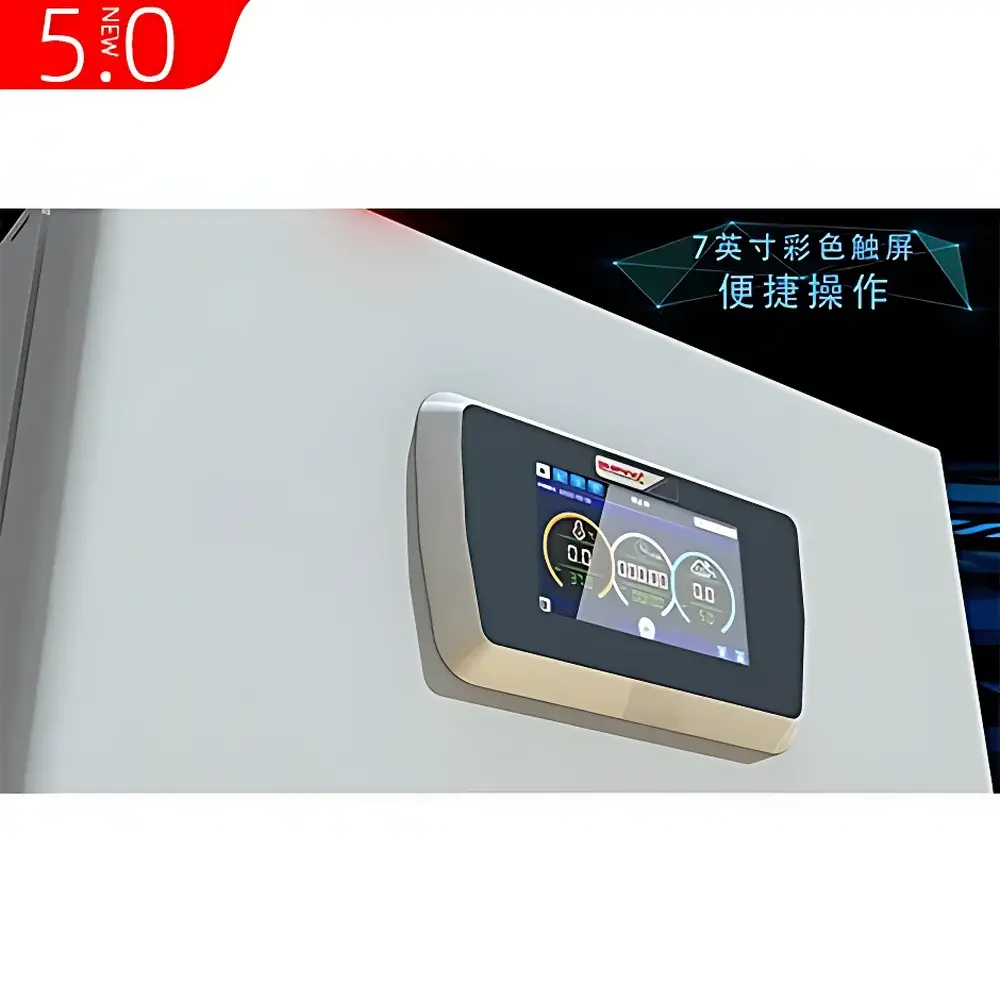
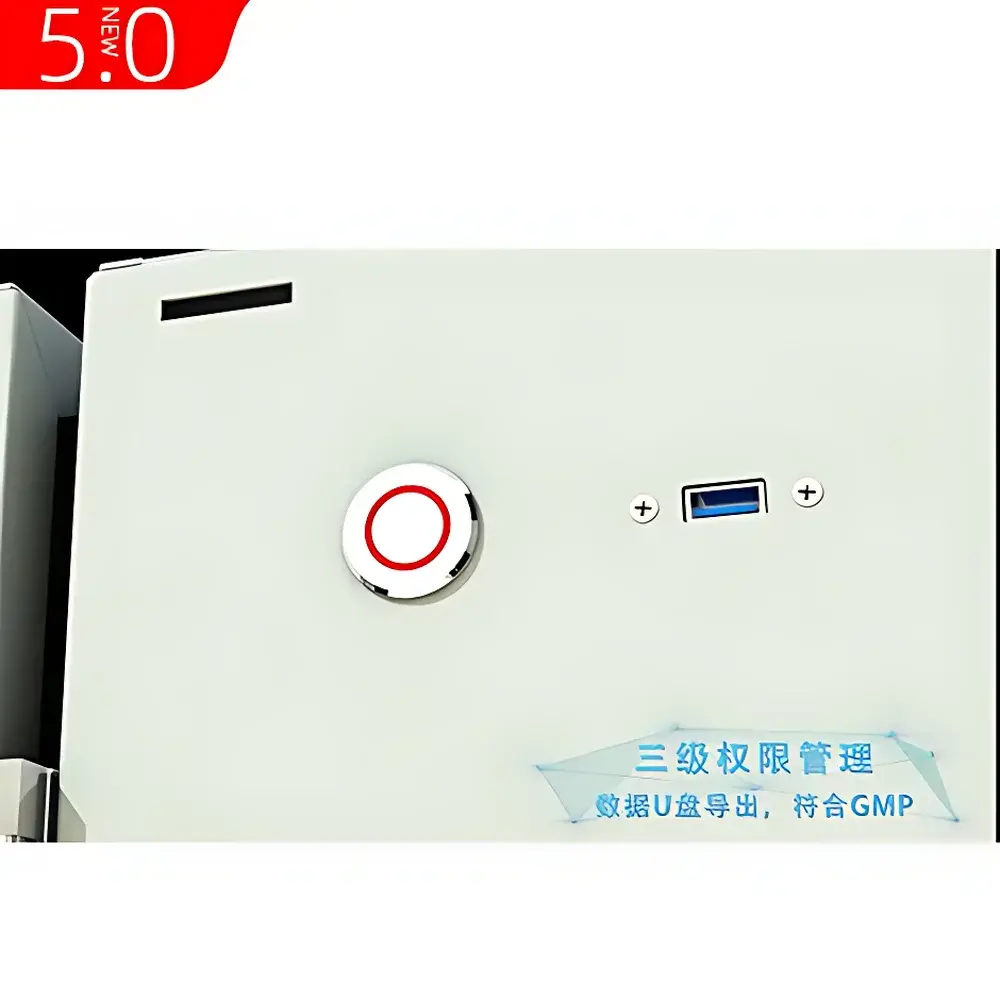
| Key Features | 7-inch Color Touchscreen (Bilingual UI), Triple-Level User Access Control, HEPA-Filtered Air Circulation (ISO Class 5 / Grade A Equivalent), 304 Mirror-Finish Stainless Steel Interior, Forced-Air Convection with Optimized Duct Design, Outer Door Heating, USB Data Export & Audit Trail Logging |
Overview
The Crystal C175 CO₂ Incubator is an air-jacketed, microprocessor-controlled environmental chamber engineered for precise, reproducible mammalian cell culture under physiologically relevant conditions. It maintains stable temperature (RT+3°C to 60°C), CO₂ concentration (0–20%), and high relative humidity (≥95% RH) through a closed-loop control architecture grounded in gas-phase infrared sensing and six-sided uniform heating. Unlike water-jacketed designs, its air-jacketed thermal envelope delivers rapid temperature recovery after door openings and eliminates condensation risks associated with liquid thermal mass. The system operates on the principle of active gas mixing and forced convection—ensuring spatial homogeneity of all critical parameters across the full 175 L working volume. This architecture meets the operational requirements of GLP-compliant labs, biopharmaceutical process development, and academic research where batch-to-batch consistency and contamination control are non-negotiable.
Key Features
- 7-inch full-color capacitive touchscreen interface with glove-compatible operation and seamless English/Chinese language switching
- Air-jacketed heating system with six independent heating zones ensures ±0.1°C temperature accuracy and ≤±0.3°C uniformity at 37°C
- Original imported NDIR (Non-Dispersive Infrared) CO₂ sensor rated for continuous operation at up to 90°C—enabling real-time, drift-free monitoring with ±0.1% full-scale accuracy
- Integrated 90°C high-temperature humid heat sterilization cycle validated for elimination of bacteria, fungi, spores, and mycoplasma without chemical agents
- Internal HEPA filtration (≥99.99% @ 0.3 µm) combined with unidirectional forced-air flow achieves ISO Class 5 (Grade A) air quality inside the chamber
- 304 mirror-finish stainless steel interior with seamless welded corners and rounded edges minimizes microbial adhesion and simplifies cleaning validation
- Dual-stage humidity management: large-capacity evaporation pan + heated outer door to suppress condensation and accelerate RH recovery (<15 min from 0–95%)
- Three-tier user permission structure (Administrator / Service Engineer / Operator) with encrypted login, session logging, and tamper-proof audit trail per FDA 21 CFR Part 11 Annex 11 guidelines
Sample Compatibility & Compliance
The Crystal C175 supports long-term cultivation of primary cells, stem cells, hybridomas, and sensitive adherent or suspension lines—including applications requiring low-oxygen adaptation (hypoxia studies via optional O₂ module integration). Its chamber geometry accommodates standard T-flasks (up to T225), multi-well plates (6–96-well), Petri dishes, roller bottles, and custom bioreactor inserts. All materials in contact with the incubation environment comply with USP Class VI biocompatibility standards. The device is manufactured under an ISO 9001:2015-certified quality management system, and its firmware architecture supports electronic record retention aligned with EU GMP Annex 11 and ICH GCP data integrity principles.
Software & Data Management
Embedded firmware provides real-time graphical display of temperature, CO₂, and humidity trends with adjustable axis scaling and overlay capability. Historical parameter logs (minimum 30 days at 1-minute intervals) are stored internally and exportable via USB to CSV or PDF formats. Each data file includes embedded metadata: timestamp, operator ID, event tags (e.g., door open/close, sterilization start/end), and sensor calibration status. Alarm events—including temperature deviation >±0.5°C, CO₂ drift >±0.3%, door-open duration >60 s, or sensor communication timeout—are logged with severity classification and trigger audible/visual alerts. Optional Ethernet connectivity enables remote monitoring through secure HTTP(S) API endpoints compatible with LIMS and MES platforms.
Applications
- Cell line expansion and maintenance in biomanufacturing upstream processes
- Immunotherapy cell culture (CAR-T, NK cell propagation)
- Embryonic and induced pluripotent stem cell (iPSC) differentiation workflows
- In vitro toxicology assays requiring strict environmental fidelity
- Microbial co-culture systems involving aerobic and capnophilic organisms
- Regulatory stability studies under ICH Q5C conditions
FAQ
What CO₂ sensing technology does the Crystal C175 use, and why is it preferred over thermal conductivity sensors?
It employs a factory-calibrated NDIR sensor with temperature-compensated optics, offering superior specificity, long-term stability (>5 years typical service life), and immunity to cross-sensitivity from water vapor or volatile organics.
Is the 90°C humid heat cycle validated per ISO 14644 or EN 17141?
While not certified to cleanroom classification standards itself, the cycle achieves ≥6-log reduction of Bacillus stearothermophilus spores per ISO 14644-3 Annex B protocols when operated per manufacturer-specified dwell time and humidity setpoints.
Can the incubator be integrated into a centralized building management system (BMS)?
Yes—via Modbus TCP or optional RS485 interface, enabling read-only access to core parameters and alarm states for facility-wide environmental monitoring.
Does the system support 21 CFR Part 11 compliance out-of-the-box?
Full electronic signature, audit trail, and role-based access control are enabled by default; however, site-specific validation documentation (IQ/OQ/PQ) must be executed by the end user per GxP requirements.
What is the recommended recalibration interval for the CO₂ sensor?
Annual verification against NIST-traceable gas standard is advised; field zeroing using ambient air (0.04% CO₂) is supported via service menu with password protection.




