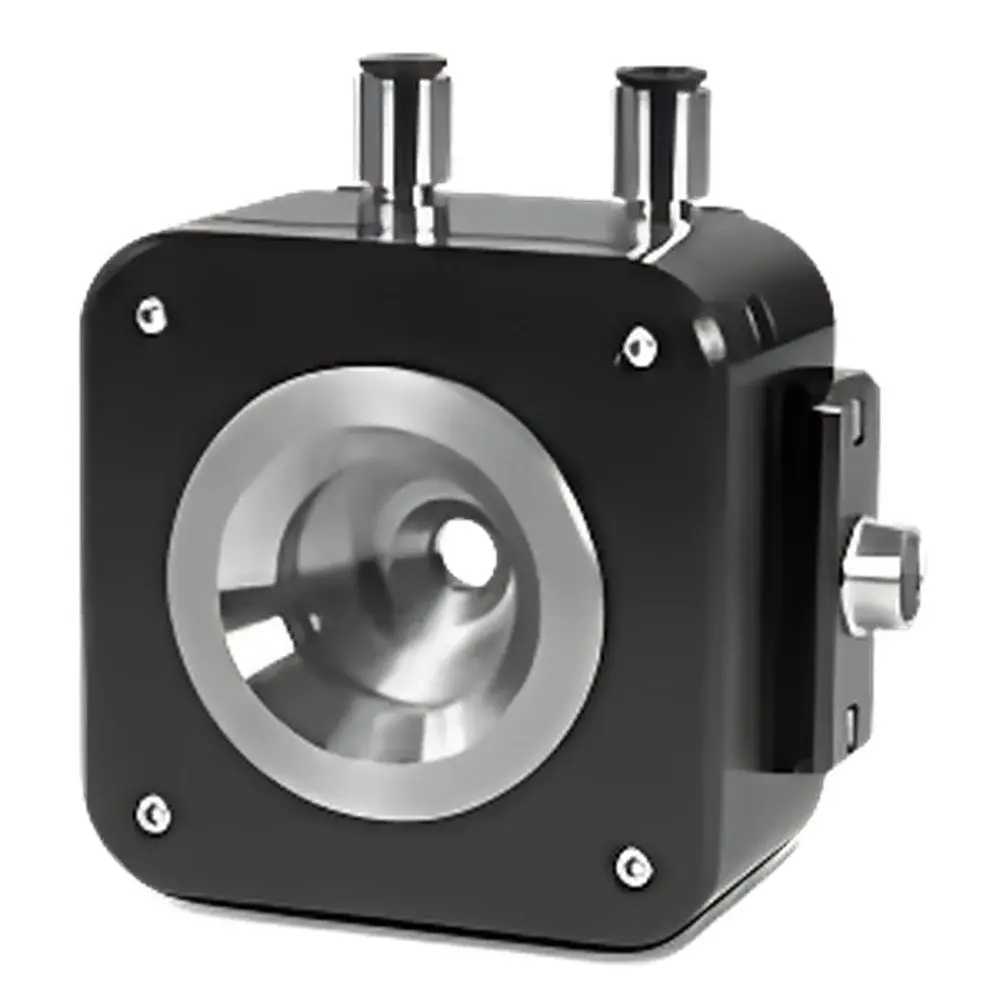
Pike Technologies TSSC Variable-Temperature Solid Sample Cell

| Brand | Pike Technologies |
|---|---|
| Origin | USA |
| Model | TSSC |
| Temperature Range | Ambient to 300 °C |
| Compatibility | Universal fit for FTIR spectrometers (PerkinElmer, Thermo Fisher, Bruker, Shimadzu, Nicolet, etc.) |
| Mounting | Direct insertion into standard FTIR sample compartment |
| Construction | Stainless steel body with CaF₂ or BaF₂ windows (optional) |
| Thermal Control | Precision PID-controlled resistive heating |
| Safety | Over-temperature protection, grounded housing, thermal insulation |
Ask about pricing, availability and specifications.
Overview
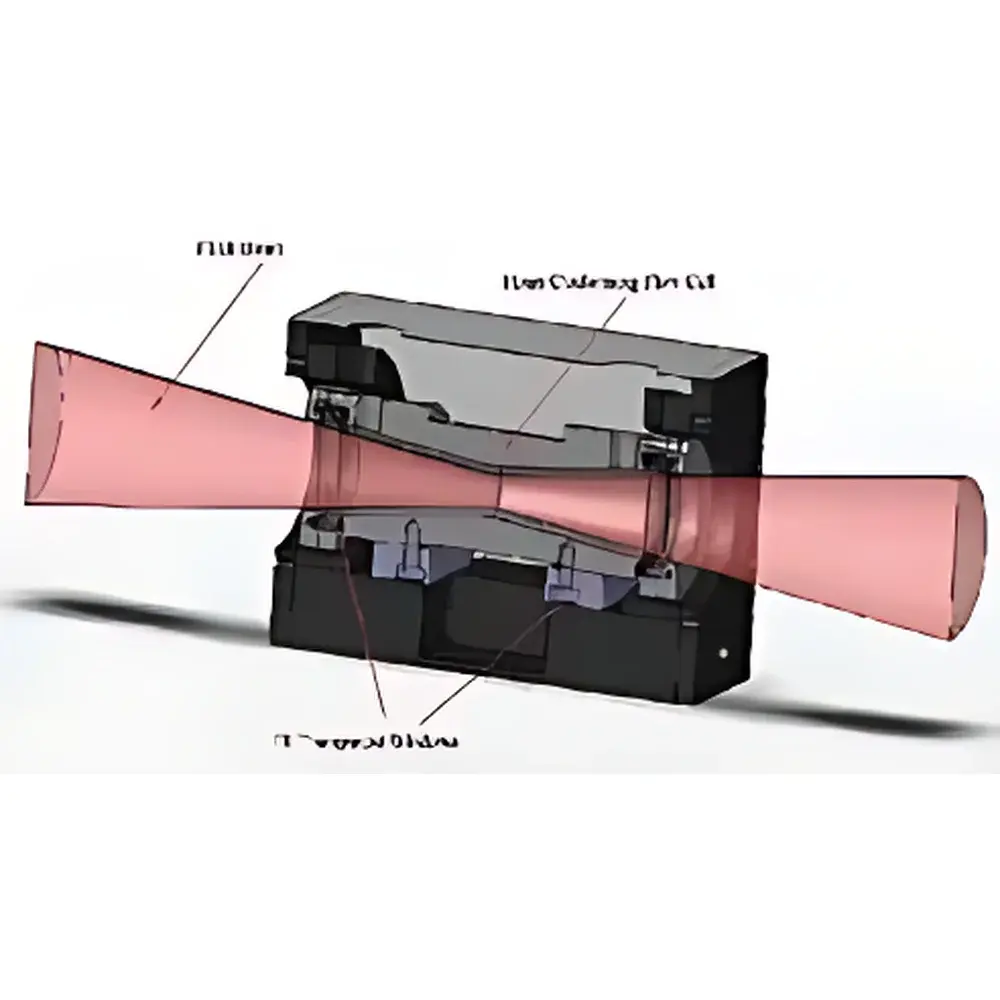
The Pike Technologies TSSC Variable-Temperature Solid Sample Cell is an engineered accessory designed for in situ infrared spectroscopic analysis of solid-phase materials under controlled thermal conditions. Based on robust conductive heating architecture and optimized optical path design, the TSSC enables real-time monitoring of structural transitions—including polymorphic changes, dehydration, decomposition, crystallization, and solid-state reactions—across a precisely regulated temperature range from ambient to 300 °C. Its modular, drop-in form factor ensures mechanical and optical compatibility with all major benchtop Fourier-transform infrared (FTIR) spectrometers without requiring hardware modification or beam alignment recalibration. The cell operates on the principle of transmission-mode IR spectroscopy, where incident mid-IR radiation (typically 4000–400 cm⁻¹) passes through the sample sandwiched between infrared-transparent windows, allowing quantitative tracking of functional group dynamics as a function of temperature.
Key Features
- Universal FTIR integration: Designed to fit standard sample compartments of PerkinElmer Spectrum series, Thermo Fisher Nicolet iS series, Bruker Tensor and ALPHA platforms, Shimadzu IRTracer systems, and other commercial FTIR instruments.
- Precision thermal control: Integrated PID controller delivers ±1 °C temperature stability over the full 25–300 °C operating range; ramp rates configurable from 0.1 to 10 °C/min.
- Optically optimized window options: Standard CaF₂ windows (transmission cutoff ~1100 cm⁻¹) or optional BaF₂ (cutoff ~800 cm⁻¹) for extended low-wavenumber coverage; both chemically inert and vacuum-compatible.
- Stainless steel construction: Corrosion-resistant 304 SS body with integrated thermal shielding minimizes heat loss and prevents instrument compartment overheating.
- Electrical safety compliance: Grounded chassis, redundant over-temperature cutoff (mechanical + electronic), and UL-listed power supply meet IEC 61010-1 requirements for laboratory equipment.
- Minimal beam deviation: Optical path length fixed at 0.1 mm (standard spacer), with optional spacers (0.025 mm, 0.5 mm) available for concentration-sensitive measurements.
Sample Compatibility & Compliance
The TSSC accommodates powdered, pressed pellet, thin-film, and single-crystal solid samples with dimensions up to 13 mm in diameter. It supports both static thermal hold experiments and dynamic temperature-ramped acquisition protocols. All wetted components are non-reactive with common inorganic salts, metal oxides, pharmaceutical actives, and polymer matrices. The cell conforms to ASTM E1498-22 (Standard Practice for Calibration of FTIR Spectrometers) and supports GLP-compliant workflows when used with 21 CFR Part 11–enabled FTIR software platforms. Documentation includes factory calibration certificate traceable to NIST standards for temperature sensor output.
Software & Data Management
No proprietary software is required. Temperature setpoints, ramp profiles, and real-time sensor feedback are managed via analog voltage input (0–10 V) or RS-232/USB interface compatible with third-party instrument control suites (e.g., Thermo OMNIC, Bruker OPUS, GRAMS/AI). Synchronized data acquisition is achieved using TTL trigger outputs for external DAQ systems. Audit trails—including timestamped temperature logs, operator ID, and method parameters—are exportable as CSV or ASCII for integration into LIMS or ELN environments.
Applications
- Thermal stability assessment of active pharmaceutical ingredients (APIs) per ICH Q1A(R2) guidelines.
- In situ identification of intermediate phases during solid-state synthesis (e.g., metal–organic frameworks, battery cathode precursors).
- Dehydration kinetics of hydrated salts and clays (e.g., gypsum → bassanite → anhydrite transitions).
- Polymorph screening and interconversion studies under controlled heating/cooling cycles.
- Surface adsorption/desorption behavior of catalysts and zeolites monitored via CO or pyridine probe molecules.
- Thermally induced conformational changes in biopolymers (e.g., collagen denaturation, starch gelatinization).
FAQ
Is the TSSC compatible with ATR accessories?
No—the TSSC is a transmission-mode cell and is not designed for use with ATR prisms. It requires free optical access through both front and rear windows.
Can the cell be evacuated or purged with inert gas?
Yes—two 1/8″ Swagelok ports support vacuum evacuation (<10 mTorr) or continuous N₂/Ar purge to prevent oxidation or moisture interference.
What is the maximum recommended heating rate for reproducible spectra?
For optimal signal-to-noise and thermal equilibrium, a ramp rate ≤2 °C/min is recommended during spectral acquisition; faster ramps are permissible for preliminary scouting.
Are replacement windows and spacers available separately?
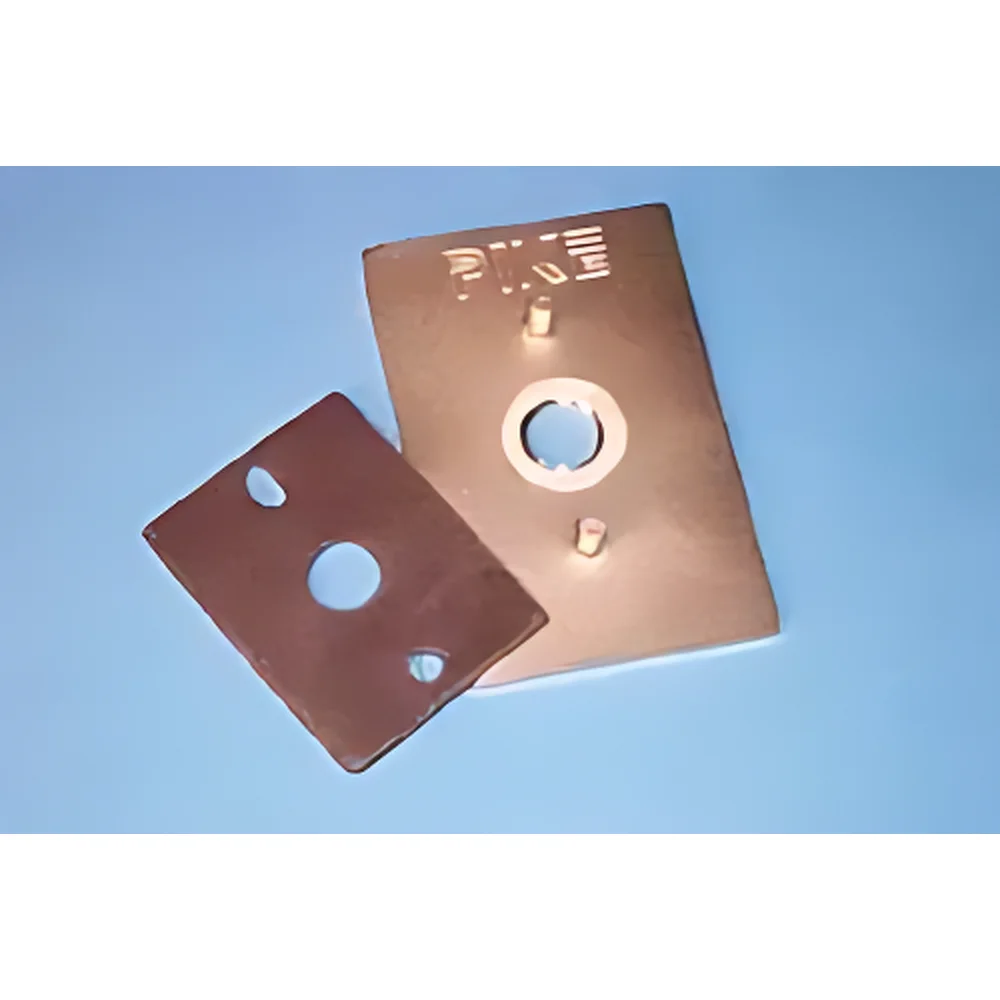
Yes—CaF₂ and BaF₂ windows, stainless steel spacers (0.025, 0.1, 0.5 mm), and O-ring kits are stocked as consumable parts with full part-number traceability.
Does Pike provide application support for method development?
Yes—Pike Technologies offers complimentary technical consultation for experimental design, including temperature protocol optimization, background correction strategies, and spectral interpretation guidance for thermal transition analysis.