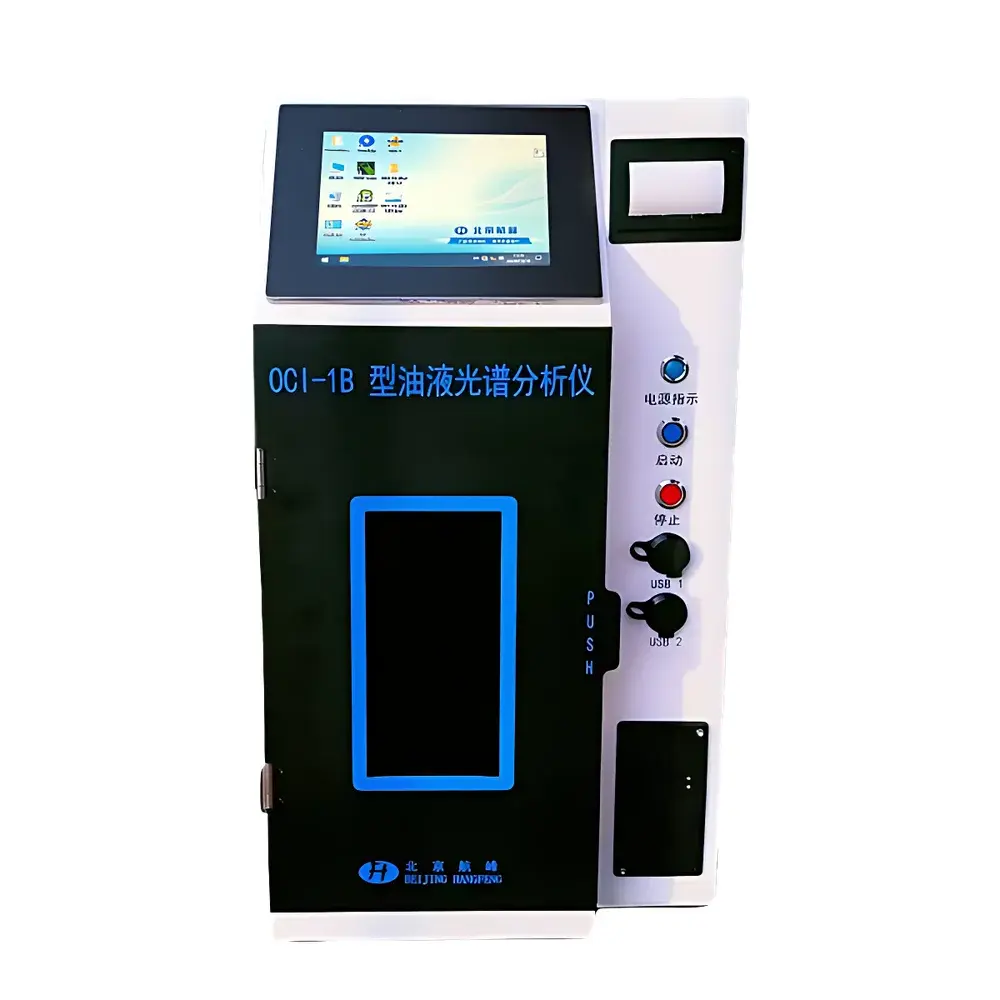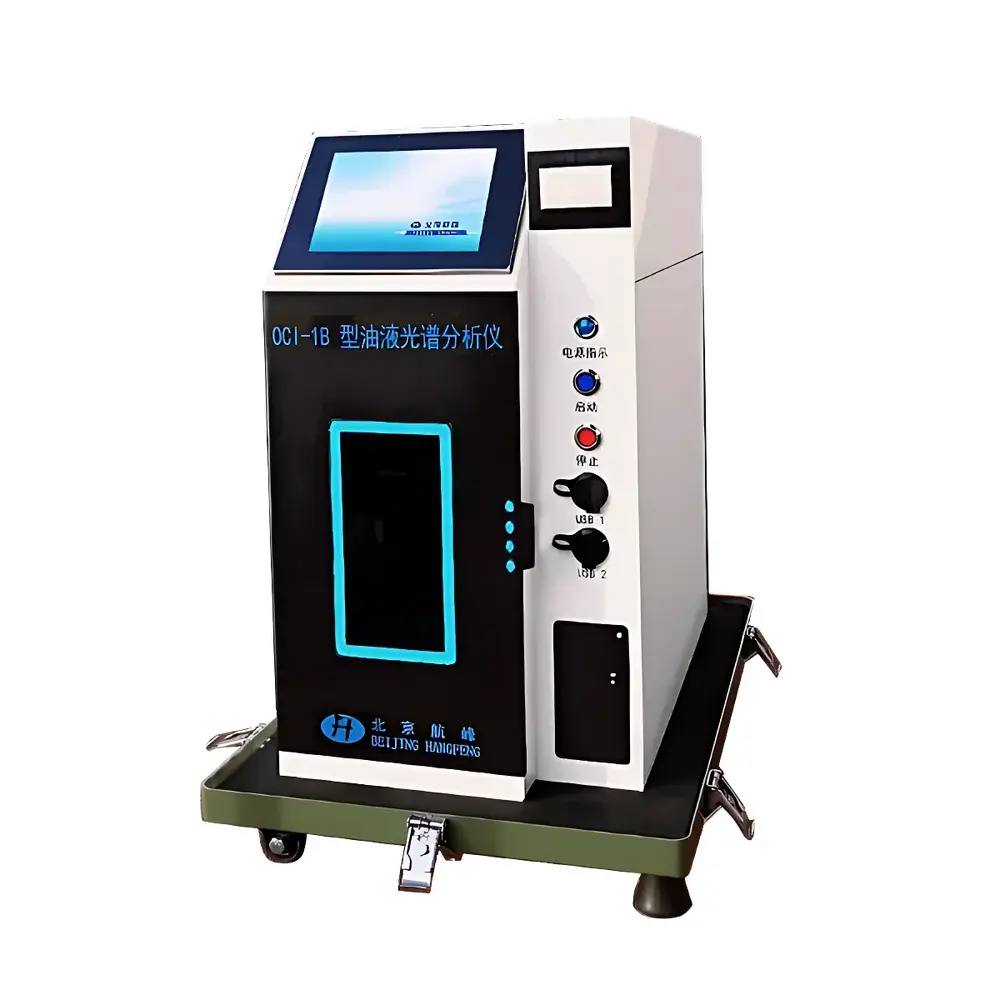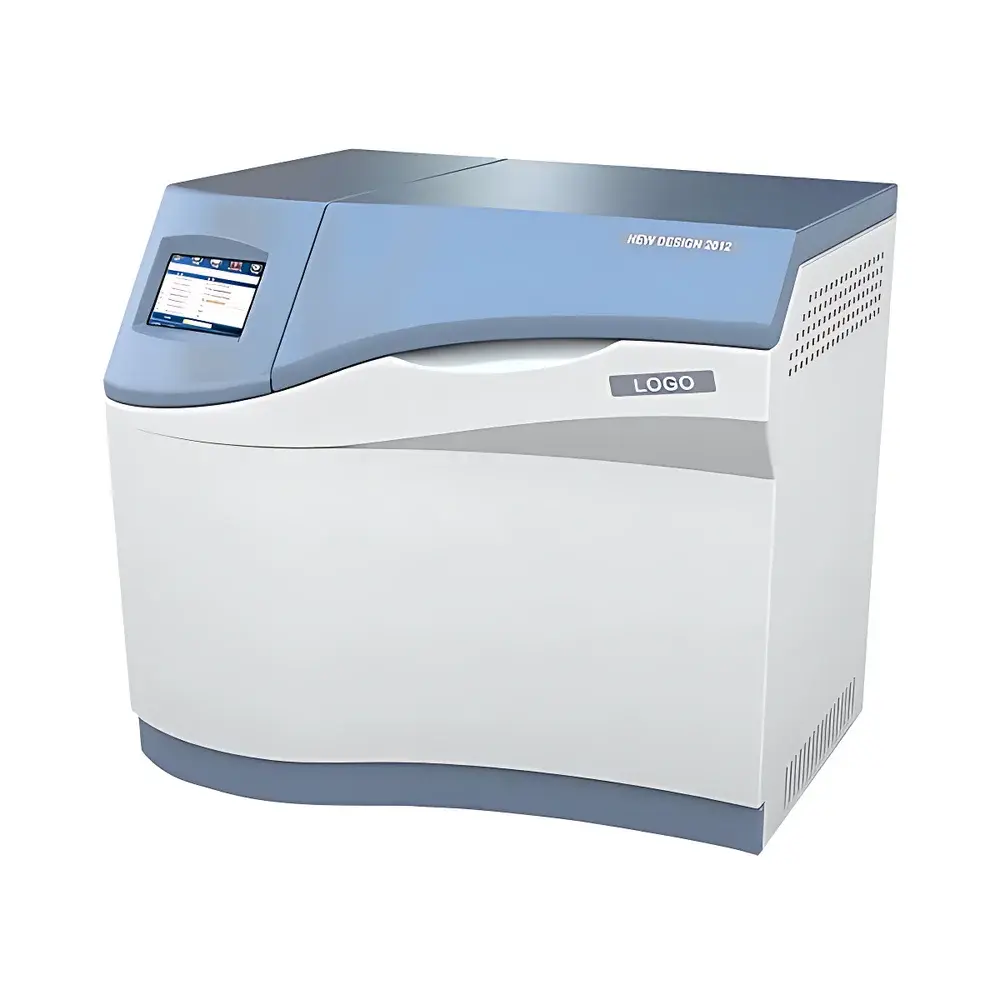
Sonnen F20 Automated Fiber Analyzer
| Brand | Sonnen |
|---|---|
| Origin | Shanghai, China |
| Manufacturer Type | Authorized Distributor |
| Country of Origin | China |
| Model | F20 |
| Pricing | Available Upon Request |
| Measurement Principle | Acid-Base Digestion per National Standards (GB/T 6434, GB/T 5515, GB/T 10378, GB 5009.10) |
| Filtration Technology | Disposable Filter Bag System (Standard Pore Size: 25 µm |
| Optional | 15 µm or 10 µm) |
| Batch Capacity | 1–30 samples/batch |
| Daily Throughput | 90–180 samples |
| Temperature Range | Ambient to 100 °C |
| Sample Mass per Bag | 0.1–5.0 g |
| Temperature Control Accuracy | ±0.1 °C |
| Stirring Mechanism | Patented Intermittent Agitation (15 rpm, 1-min cycle) |
| Repeatability | ≤0.5% RSD |
| Power Supply | AC 220 V / 50 Hz |
| Safety Design | High-pressure sealed digestion chamber, no cooling water required, no internal glass components, lab-bench compatible (no fume hood needed) |
Overview
The Sonnen F20 Automated Fiber Analyzer is an engineered solution for standardized dietary and structural fiber quantification in feed, food, and beverage laboratories. It implements the classical acid-base digestion methodology aligned with internationally harmonized reference methods—including AOAC 978.10, AACC 32-05, and Chinese national standards GB/T 6434 (crude fiber), GB/T 5515 (neutral detergent fiber, NDF), GB/T 10378 (acid detergent fiber, ADF), and GB 5009.10 (insoluble dietary fiber). Unlike open-beaker or reflux-based systems, the F20 employs a high-pressure sealed digestion architecture using disposable polypropylene filter bags, eliminating manual filtration, minimizing analyst exposure to hot corrosive reagents (e.g., H₂SO₄, NaOH, α-amylase, and neutral/acid detergents), and ensuring consistent mass retention across sequential extraction steps. Its fully integrated thermal, pressure, and reagent-volume monitoring system enables method traceability and process validation—critical for GLP-compliant nutritional analysis workflows.
Key Features
- Disposable 25 µm pore-size filter bag system (optional 15 µm or 10 µm) ensures reproducible particle retention and eliminates cross-contamination between runs.
- Patented intermittent agitation mechanism (15 revolutions per minute, 1-minute duty cycle) replicates manual stirring kinetics—enhancing reagent penetration while preventing bag rupture or reagent leakage.
- High-pressure sealed digestion chamber operates up to 100 °C without external cooling water, reducing laboratory utility demand and supporting sustainable operation.
- Full-spectrum real-time monitoring: digital temperature control (±0.1 °C accuracy), pressure sensing, and volumetric reagent dispensing feedback.
- 10.1-inch color LCD touchscreen interface with intuitive workflow navigation, preloaded method templates, and user-accessible calibration logs.
- Benchtop footprint with no requirement for fume hood installation—validated for safe use in standard analytical laboratories under ISO/IEC 17025 environments.
- No internal glass components; all wetted parts constructed from chemically resistant polymers (PP, PTFE-lined seals) and stainless-steel heating elements.
Sample Compatibility & Compliance
The F20 supports heterogeneous solid matrices including pelleted and mash feeds, cereal grains, forage silages, bakery products, legumes, and botanical extracts. Its sample loading range (0.1–5.0 g per bag) accommodates both low-fiber beverages and high-lignin lignocellulosic materials. Method execution complies with regulatory frameworks governing animal nutrition labeling (e.g., EU Regulation No. 767/2009), FDA Title 21 CFR Part 11 data integrity requirements (when paired with optional audit-trail-enabled software), and ISO 9001-certified quality management systems. The instrument’s design conforms to IEC 61010-1 safety standards for laboratory electrical equipment. Documentation packages include manufacturer authorization letters, ISO 9001 certification copies, and technical brochures for method validation and procurement audits.
Software & Data Management
The embedded firmware supports method parameter locking, user-level access control (admin/operator modes), and timestamped run logs exportable via USB. Optional PC-based software provides extended capabilities: electronic signature support, automated report generation (PDF/CSV), trend analysis of replicate precision (RSD ≤0.5%), and integration into LIMS environments via configurable CSV output schema. All data entries—including setpoints, actual temperatures, reagent volumes dispensed, and agitation cycles—are recorded with immutable timestamps, satisfying ALCOA+ principles (Attributable, Legible, Contemporaneous, Original, Accurate, Complete, Consistent, Enduring, Available) for regulated fiber testing.
Applications
- Crude fiber determination in compound feeds per GB/T 6434 and AOAC 978.10.
- NDF and ADF quantification for ruminant feed evaluation (Van Soest method adaptation).
- Insoluble dietary fiber (IDF) analysis in functional foods and supplements per GB 5009.10.
- Quality control of fiber-enriched ingredients (e.g., oat bran, psyllium husk, cellulose derivatives).
- Research-grade fiber fractionation in agricultural science, veterinary nutrition, and food chemistry laboratories.
FAQ
Does the F20 require connection to a fume hood or external cooling system?
No. Its sealed high-pressure digestion chamber and air-cooled thermal management eliminate the need for fume hoods or chilled water circuits.
Can the instrument validate method equivalence against traditional reflux-based fiber analyzers?
Yes. Validation protocols—including recovery studies with NIST SRM 1846 (Animal Feed) and interlaboratory comparison reports—are supported by Sonnen’s application team and documented in the instrument’s IQ/OQ/PQ protocol package.
Is the filter bag system compatible with third-party consumables?
The F20 is optimized for Sonnen-certified polypropylene bags (25 µm standard); use of non-certified bags may compromise pressure integrity and repeatability.
How is data integrity ensured during long-duration digestions (e.g., 3-hour ADF protocols)?
Continuous sensor logging, power-failure resume capability, and non-volatile memory storage ensure full parameter traceability across multi-hour sequences.
What regulatory documentation is provided for GMP/GLP compliance?
Includes ISO 9001 certificate, factory calibration records, software verification summary, and a complete set of electronic and printed user manuals compliant with ICH GCP Annex 11 expectations.