
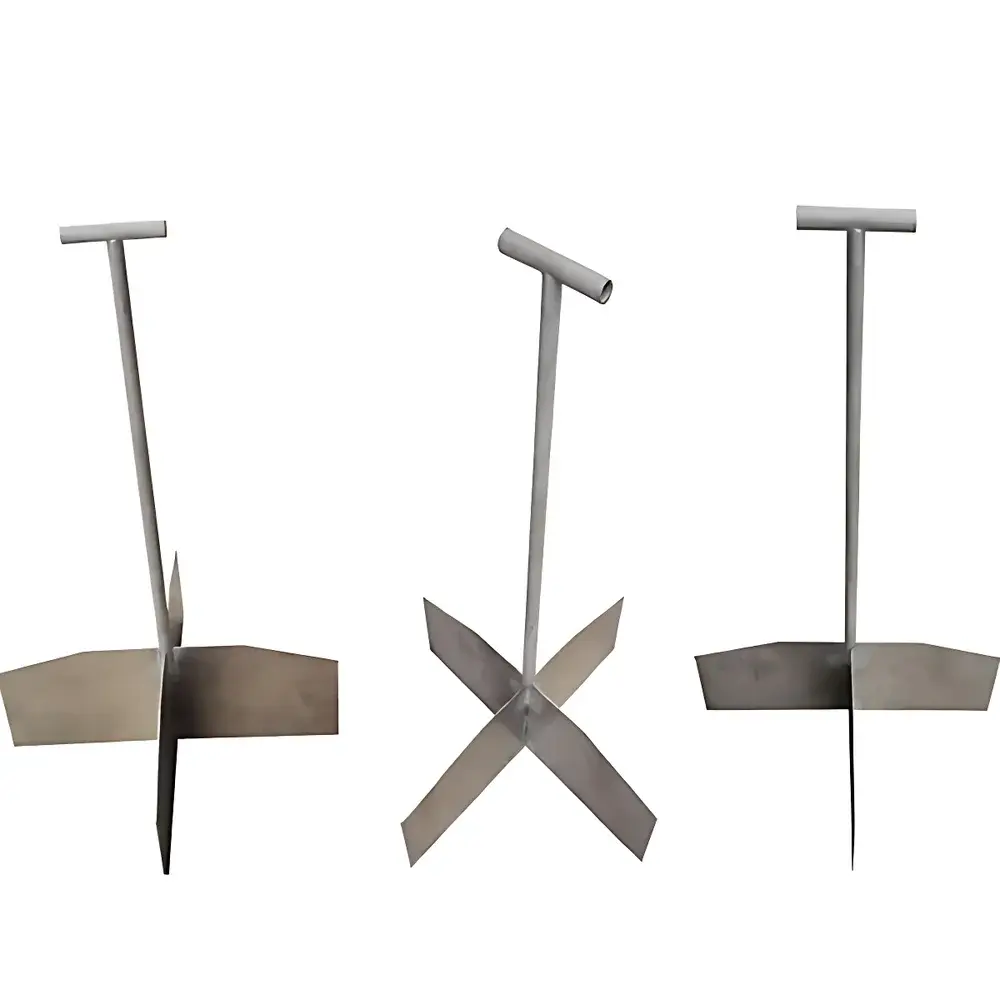
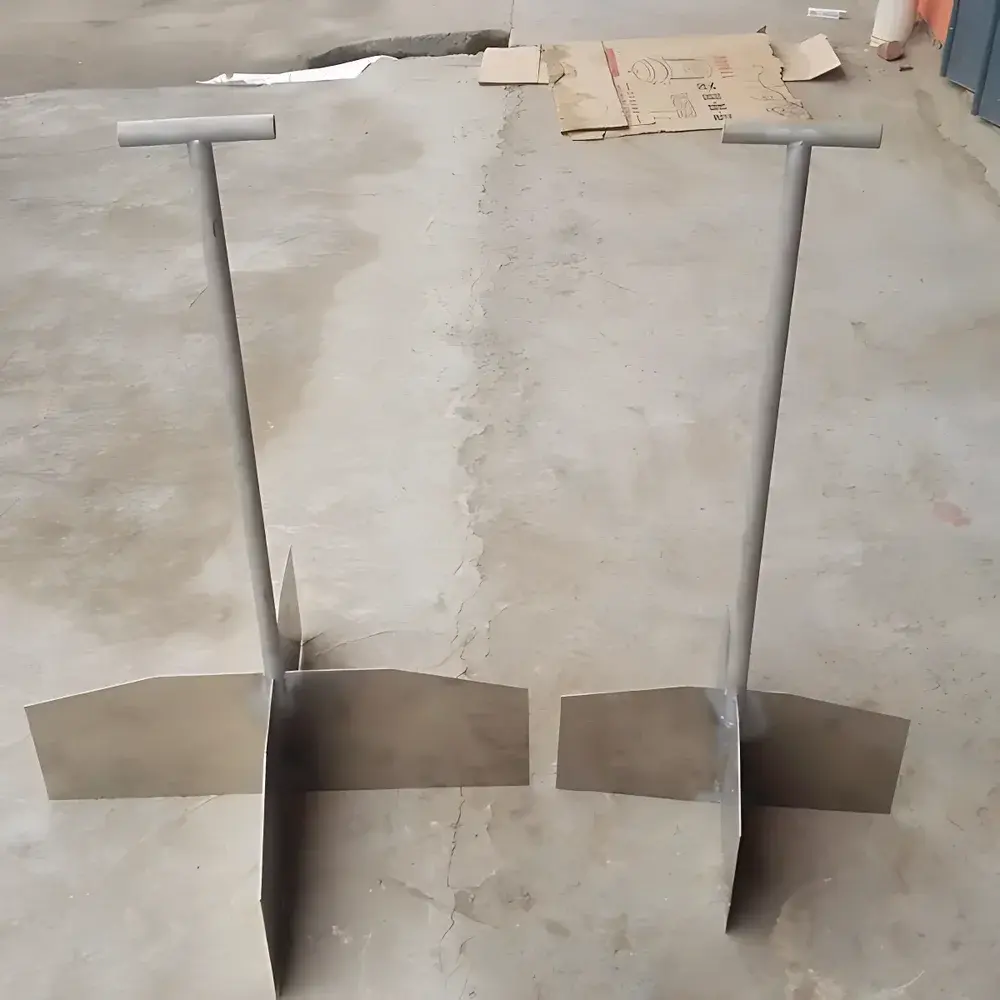
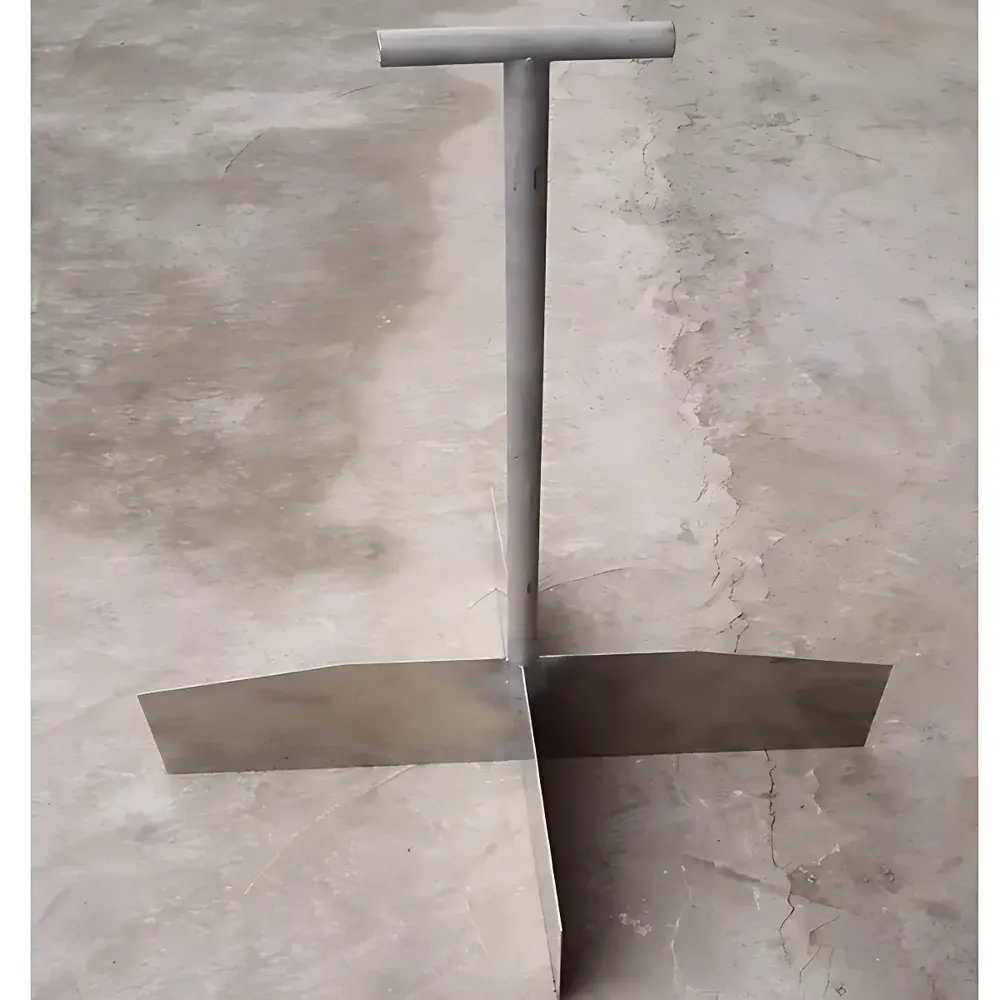
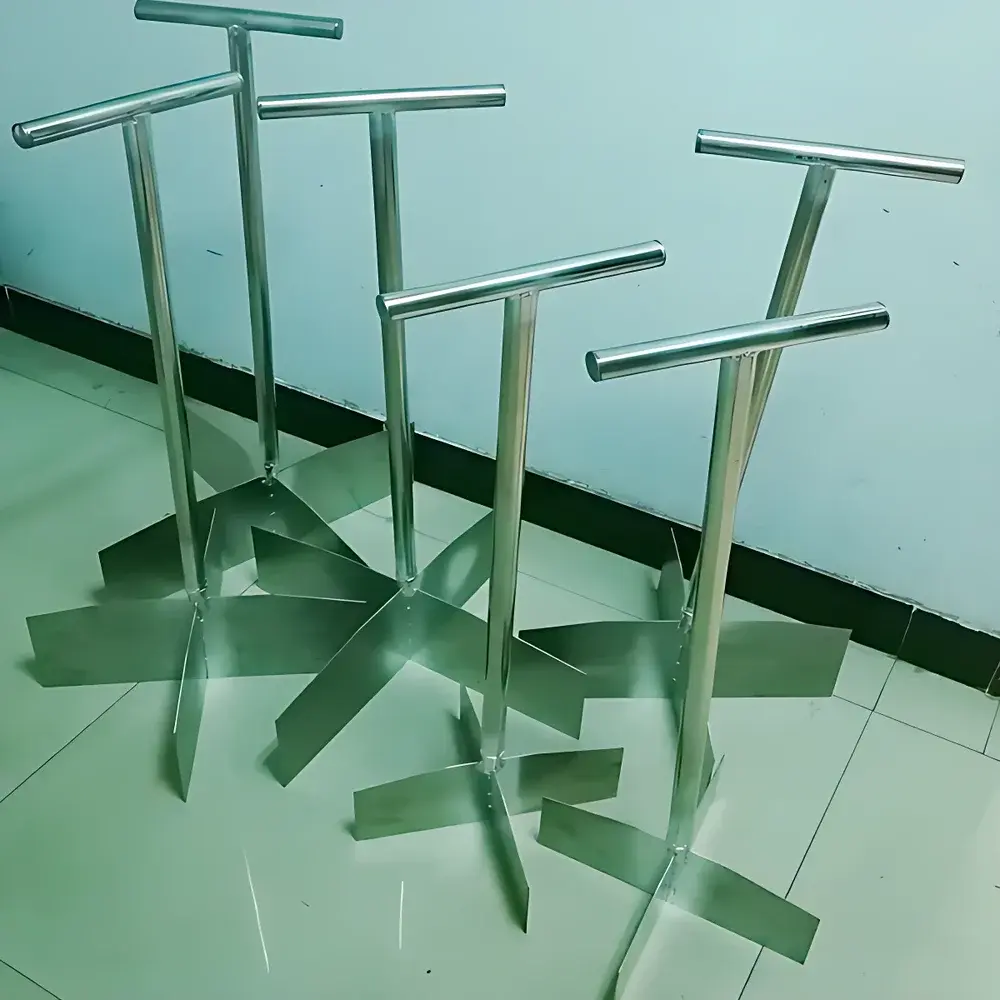
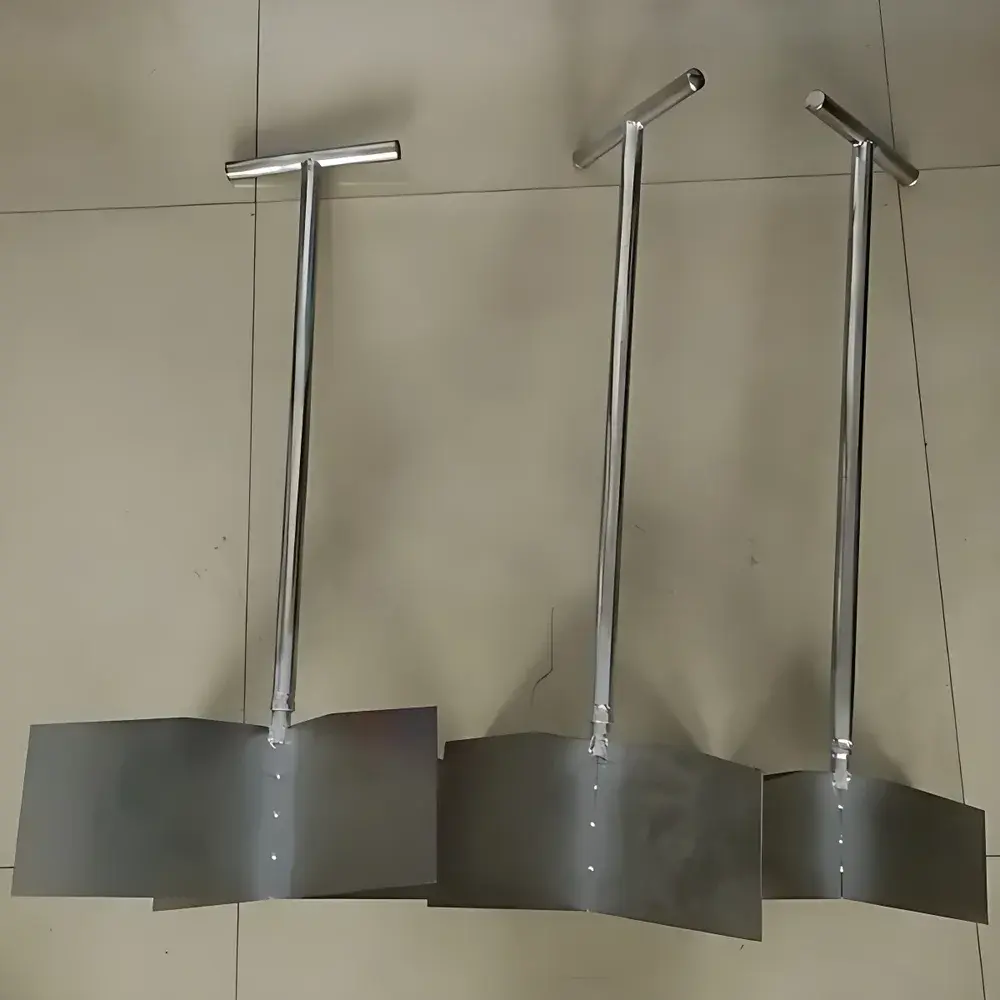
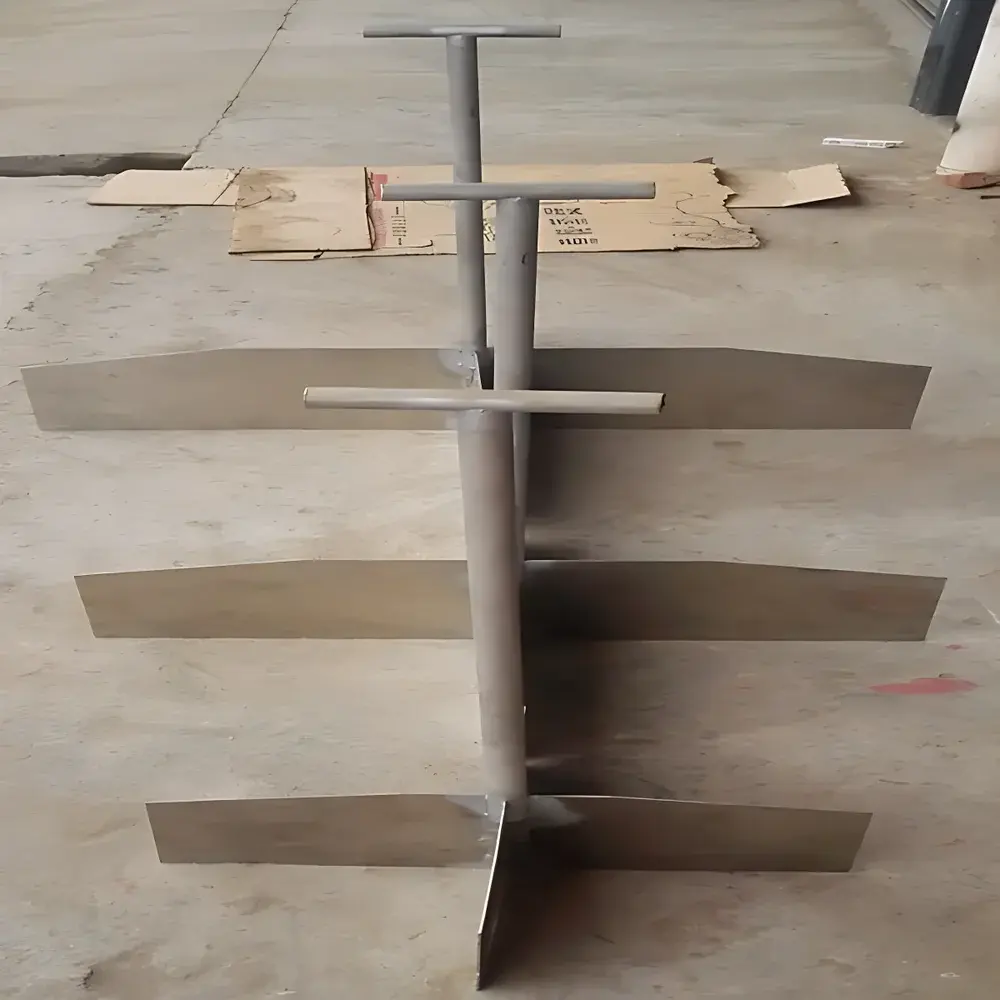
MingShen Science DB Series Stainless Steel Cross Sample Divider
| Brand | MingShen Science |
|---|---|
| Origin | Henan, China |
| Manufacturer Type | Authorized Distributor |
| Country of Origin | China |
| Model | DB |
| Price Range | USD 45 – 92 |
| Material | AISI 304 Stainless Steel |
| Compliance | Designed per GB/T 474 & GB/T 475 |
| Available Sizes | DB300 (Φ300 mm), DB400 (Φ400 mm), DB500 (Φ500 mm), DB600 (Φ600 mm), DB700 (Φ700 mm), DB800 (Φ800 mm), DB900 (Φ900 mm), DB1200 (Φ1200 mm) |
| Dimensions (DB800) | Diameter 800 mm, Plate Height 220 mm, Handle Length 900 mm |
| Surface Finish | Electropolished, Non-porous, Corrosion-Resistant |
Overview
The MingShen Science DB Series Stainless Steel Cross Sample Divider is a precision-engineered laboratory tool designed for reproducible, contamination-free sample subdivision in accordance with standardized manual sampling protocols. Based on the cone-and-quartering (or “coning and quartering”) method defined in GB/T 474—2008 *Methods for Preparation of Coal Samples* and GB/T 475—2008 *Methods for Manual Sampling of Commercial Coal*, this instrument enables consistent geometric division of bulk particulate samples into four equal quadrants—two of which are retained for downstream analysis while the other two are discarded. Its rigid, monolithic stainless steel construction ensures mechanical stability during repeated use, eliminates static charge accumulation, and prevents sample adhesion or cross-contamination—critical requirements for coal, mineral, biomass, and bulk solid characterization in QC laboratories, mining labs, and ISO/IEC 17025-accredited testing facilities.
Key Features
- Full-body construction from AISI 304 stainless steel—non-magnetic, corrosion-resistant, and compliant with food-grade and pharmaceutical-grade surface hygiene standards;
- Electropolished finish reduces surface roughness (Ra < 0.8 µm), minimizing particle retention and enabling rapid cleaning between sample batches;
- Precision-machined cross-blade geometry ensures true 90° angular symmetry and uniform quadrant separation across all diameters (Φ300 mm to Φ1200 mm);
- Ergonomically balanced handle design (700–900 mm length) supports controlled vertical insertion without lateral torque or sample displacement;
- No moving parts or consumables—designed for >10,000 operational cycles under routine lab conditions;
- Calibration traceability supported via optional NIST-traceable dimensional verification report (available upon request).
Sample Compatibility & Compliance
The DB Series is validated for use with dry, free-flowing granular materials ranging from coarse crushed coal (≤50 mm) to fine pulverized feedstock (≥0.1 mm). It is not intended for sticky, high-moisture, or fibrous matrices unless pre-conditioned to specified moisture thresholds (<8% w/w for coal per GB/T 30732). All models comply with the physical geometry and procedural constraints outlined in GB/T 474 Annex A (Manual Quartering Procedure) and are routinely deployed in laboratories maintaining GLP compliance and undergoing CNAS (China National Accreditation Service) or ILAC-MRA audits. While GB standards form the primary design basis, the device’s dimensional fidelity and inert surface also support alignment with ASTM D2013 (Standard Practice for Preparing Coal Samples) and ISO 18283 (Solid Mineral Fuels — Manual Sampling) when used within defined operational limits.
Software & Data Management
As a purely mechanical sampling aid, the DB Series requires no firmware, drivers, or software integration. However, its use is fully compatible with digital lab workflows: sample subdivision events can be logged in LIMS platforms (e.g., LabWare, STARLIMS) using configurable SOP templates referencing GB/T 474 Section 7.3 (Quartering Procedure Documentation). Optional engraved serial numbering and QR-coded asset tags facilitate instrument-level traceability. For regulated environments operating under FDA 21 CFR Part 11 or EU Annex 11, manual use records—including operator ID, sample ID, date/time, and retained quadrant weight—must be maintained in bound logbooks or validated electronic notebooks to satisfy audit requirements for sampling integrity.
Applications
- Routine preparation of analytical coal samples for proximate/ultimate analysis, calorific value determination, and ash fusion testing;
- Representative sub-sampling of industrial minerals (e.g., limestone, bauxite, phosphate rock) prior to XRF or ICP-OES digestion;
- Homogenization and reduction of biomass pellets, agricultural feedstocks, or municipal solid waste composites for compositional screening;
- Field-deployable sample division in mobile geochemical labs where power-free, robust tools are essential;
- Teaching aid in university-level materials science and fuel technology laboratories for demonstrating statistical sampling theory and bias mitigation.
FAQ
Is the DB Series suitable for wet or high-moisture samples?
No—moisture content above 8% w/w may cause particle agglomeration and uneven flow across the divider surface, compromising quadrant equality. Pre-drying per GB/T 30732 or use of a vibratory splitter is recommended.
Can I validate subdivision accuracy with this tool?
Yes—accuracy validation is performed by collecting all four quadrants separately, weighing each, and calculating relative standard deviation (RSD). Per GB/T 474, RSD ≤ 5% across three replicate subdivisions confirms acceptable performance.
Does MingShen Science provide calibration or certification documentation?
Dimensional inspection reports (including caliper-measured diameter, blade angle, and plate thickness) are available as optional add-ons; full metrological calibration is not applicable due to the passive mechanical nature of the device.
What maintenance is required?
Wipe clean with ethanol or isopropanol after each use; inspect for surface scratches or deformation quarterly; store vertically in low-humidity environment to prevent passive oxide film disruption.
Are custom sizes or engraving options available?
Yes—custom diameters beyond the standard range (e.g., Φ200 mm or Φ1500 mm), laser-etched lab identifiers, or alternate handle configurations (e.g., T-grip or insulated polymer wrap) can be arranged under OEM agreement.





